innisfree Daily Sensitive Sunscreen for oily acne-prone skin

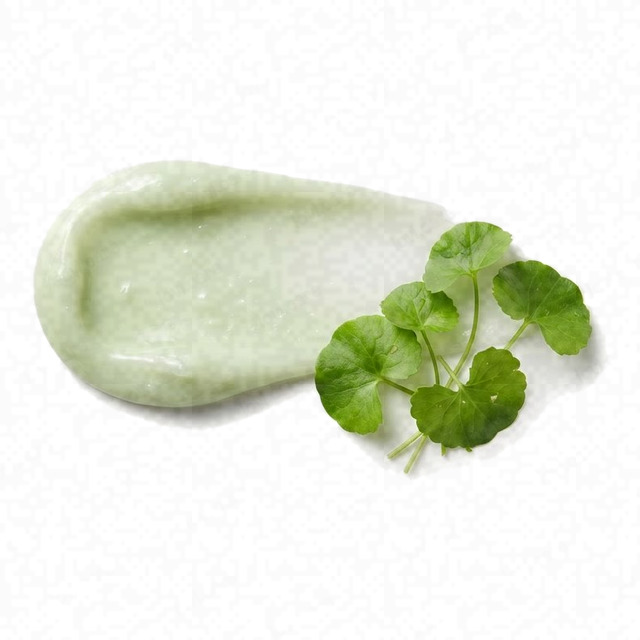 Centella Asiatica Extract
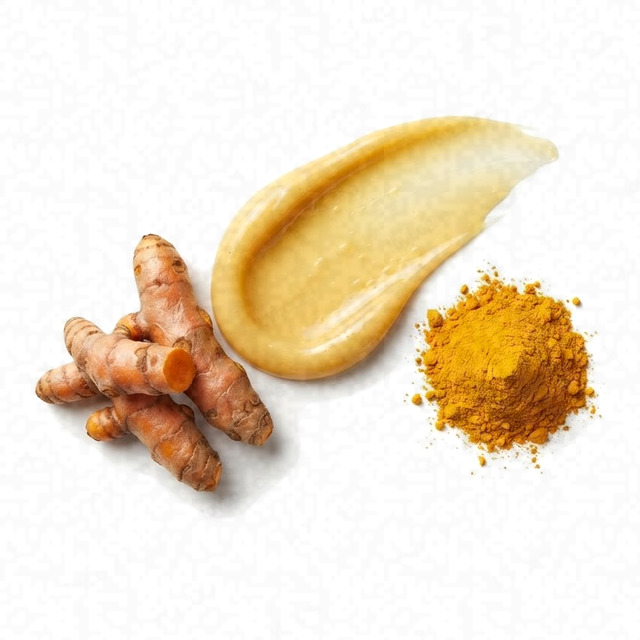 Curcuma Longa Root Extract
 Benzotriazolyl Dodecyl P-Cresol
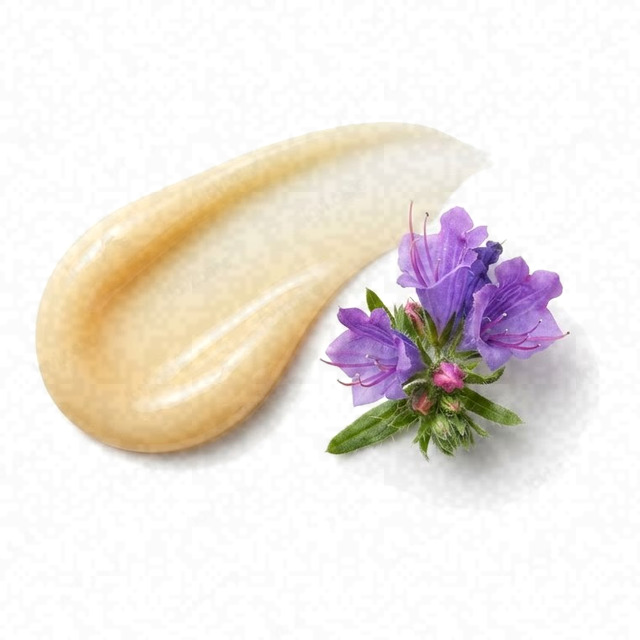 Echium Plantagineum Seed Oil
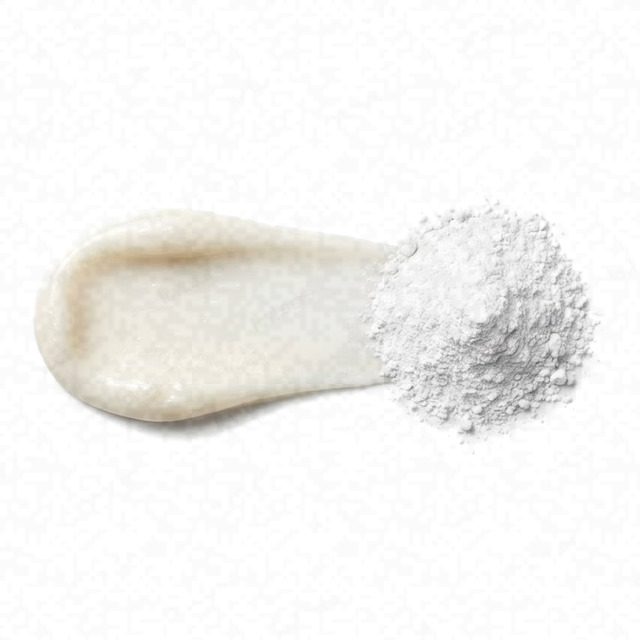 Titanium Dioxide
High
- HighOily Skin Fit
- HighEffectiveness
- HighSafety
A great choice for oily acne-prone skin; a few sunscreens fit it even better.
This fit is calculated for the concerns frequently associated with oily acne-prone skin: shine, breakouts, blemishes, and enlarged pores. For scores and recommendations based on your full skin profile, including your 12D face scan results and any goals or preferences you have, please use the Lovi app.
Page built Nov 8, 2026How the Fit score works
Lovi Assistant explains
- Highly suitable for your oily skin, this sunscreen offers excellent broad-spectrum sun protection with titanium dioxide, while Centella Asiatica Extract and Salvia Hispanica Seed Extract provide soothing and anti-inflammatory benefits to help manage your acne and breakouts.
- Silica is included to help absorb excess oil, further complementing your oily skin type and addressing concerns about oiliness or shiny skin.
- The formulation is safe for your skin, with no risks of irritation due to the absence of prohibited or harsh ingredients.
How to apply
- Use your moisturizing sunscreen every morning. Reapply throughout the day if you are outside.
- Apply this moisturizing sunscreen as the final step of your morning routine after your moisturizer.
- Gently smooth a nickel-sized amount over your face and neck, avoiding harsh rubbing to keep oily areas calm.
- Apply this moisturizing sunscreen on clean, dry skin to ensure even coverage and protection.
- Avoid getting the product into your eyes and do a patch test before your first use.
People Say
★4.0Overall rating based on 700+ reviewsUsers with sensitive and acne-prone skin frequently praise this mineral sunscreen for being gentle and non-irritating, with many noting it does not sting the eyes. The green tint is often appreciated for its ability to neutralize redness and even out skin tone. However, feedback on the texture is divided; while some find it hydrating and dewy, others report a heavy, greasy feel and a significant white cast, particularly on deeper skin tones.
Highlights
Gentle on sensitive skin Mostly Mentioned
- “Non-irritating”
- “Safe for acne-prone/reactive skin”
- “Soothing ingredients (cica)”
Hydrating finish Often Mentioned
- “Dewy glow”
- “Moisturizing”
- “Good for dry skin”
- “Satin finish”
Noticeable white cast Often Mentioned
- “Visible on tan/dark skin”
- “Looks pale/ghostly”
- “Mask-like appearance”
No eye sting Sometimes Noted
- “Does not burn eyes”
- “Safe for contact lens wearers”
- “Tear-free”
Redness correction Sometimes Noted
- “Green tint neutralizes redness”
- “Evens skin tone”
Heavy texture Sometimes Noted
- “Thick consistency”
- “Hard to blend”
- “Feels greasy/oily”
- “Sits on skin”
Pilling issues Sometimes Noted
- “Pills under makeup”
- “Clumps if rubbed”
- “Difficult to layer”
Drying over time Rarely Noted
- “Can feel drying later in the day”
- “Clings to dry patches”
Sources: lovi.care, kohls.com, skinsort.com, reddit.com, gopicky.com, yesstyle.com, and more
Questions and answers
What makes innisfree Daily Sensitive Sunscreen a great fit for oily acne-prone skin?
This sunscreen is a great fit because titanium dioxide provides gentle sun protection while Centella Asiatica Extract helps calm breakouts and redness on your skin. Silica also helps absorb excess oil to keep shiny skin under control, and the formula is unlikely to cause irritation.
Molecules, 2023Indian Journal of Pharmaceutical Sciences, 2016
Which ingredients make this sunscreen a good fit for oily acne-prone skin?
This sunscreen is a great fit for your oily acne-prone skin because titanium dioxide provides sun protection while silica helps absorb excess oil to keep shine away. Centella Asiatica Extract and Salvia Hispanica Seed Extract also help soothe the skin and calm breakouts.
Molecules, 2023Indian Journal of Pharmaceutical Sciences, 2016
What does Centella Asiatica Extract do for oily acne-prone skin?
Centella Asiatica Extract helps calm red spots and supports skin healing in oily, acne-prone skin. It may also help balance moisture and reduce breakouts by soothing irritated areas.
Indian Journal of Pharmaceutical Sciences, 2016Molecules, 2023
What does Turmeric Root Extract do for oily acne-prone skin?
Turmeric Root Extract helps calm angry, red spots and keeps oily, acne-prone skin clear by fighting blemish-causing bacteria and soothing irritation. This ingredient works to reduce redness and improves the overall look of troubled skin without feeling heavy.
Phytotherapy Research, 2016Skin Pharmacology and Physiology, 2023
Where does this sunscreen go in a skincare routine for oily acne-prone skin?
This sunscreen goes as the last step of your morning skincare routine, right after your moisturizer. It is well-suited for your oily skin because it uses titanium dioxide for sun protection and silica to absorb excess oil, while soothing ingredients like Centella Asiatica Extract help calm breakouts.
Journal of Drugs in Dermatology, 2023Indian Journal of Pharmaceutical Sciences, 2016
Can I use this sunscreen with retinol, and in what order?
You can use this sunscreen in the morning as the final step before makeup, applied after your retinol has been absorbed if you use retinol in the morning, or following your morning moisturizer if you use retinol at night. This sunscreen is a great fit for your oily acne-prone skin because it provides sun protection while using centella asiatica extract and silica to help soothe breakouts and absorb excess oil without irritation.
How often should I use this sunscreen?
You should use this sunscreen every morning as the final step in your daytime routine. Daily morning application helps protect your skin from sun damage while supporting your oily acne-prone skin with soothing and oil-absorbing ingredients.
Health Science Reports, 2021Indian Journal of Pharmaceutical Sciences, 2016
Can this sunscreen clog pores, cause breakouts or purging for oily acne-prone skin?
This sunscreen is a great fit for oily acne-prone skin because it contains soothing Centella Asiatica Extract to help calm breakouts and silica to absorb excess oil. It is safe for your skin with no harsh ingredients, making it unlikely to clog pores or cause irritation.
Molecules, 2023Indian Journal of Pharmaceutical Sciences, 2016
Is this sunscreen fragrance-free and alcohol-free?
Yes, it has no fragrance and no drying alcohol.
What the research says
Co-delivery of paeonol and madecassoside via nanoemulsions improved transdermal delivery, promoted barrier repair proteins, inhibited inflammatory cytokine secretion in cellular and 3D models, and reduced transepidermal water loss and acne in human facial skin compared to free components.
Molecules, 2023Cosmetic formulations containing 5% Centella asiatica extract showed the best efficacy in improving skin moisture and decreasing transepidermal water loss, while also exhibiting antiinflammatory properties in 25 volunteers compared to baseline measurements.
Indian Journal of Pharmaceutical Sciences, 2016Microfine titanium dioxide does not penetrate human skin when formulated in an oil-in-water emulsion with the pigment dispersed in the aqueous phase, compared to oily dispersions and liposomal encapsulation which allow deeper skin penetration.
International Journal of Cosmetic Science, 2000Topical application of 0.05% w/w ECa 233 gel reduced erythema index by 0.03 U and improved early crusting and general wound appearance compared to placebo in thirty individuals undergoing facial laser resurfacing.
Journal of Alternative and Complementary Medicine, 2020A single application of a moisturizing fluid containing hyaluronic acid 1%, glycerin 5%, and Centella asiatica stem cells extract significantly increased skin hydration by 29% and reduced transepidermal water loss at 24 hours compared to baseline and an untreated control site in twenty healthy women.
Clinical, Cosmetic and Investigational Dermatology, 2017Moisturizer containing 5% panthenol, madecassoside, and copper-zinc-manganese decreased adverse reactions and downtime after ablative fractional carbon dioxide laser resurfacing with comparable efficacy to 0.02% triamcinolone acetonide cream in 20 subjects.
Journal of Cosmetic Dermatology, 2019Topical application of curcumin or turmeric treats various skin conditions by leveraging antioxidant, anti-inflammatory, and antimicrobial properties.
Skin Pharmacology and Physiology, 2023Topical formulations of curcumin target oxidative damage and inflammation to improve wound healing in animal models.
Drug Discovery Today, 2017A curcumin-loaded spanlastic anti-aging gel utilizing formula F5 incorporated into 2% HPMC E50 demonstrated sustained release action, compatibility, and the ability to penetrate skin layers to a depth of about 112.5 um without signs of irritation.
Saudi Pharmaceutical Journal, 2024Replacing microsized titanium dioxide and zinc oxide with nanoparticles in sunscreens eliminates opaqueness and alters UV protection balance while inducing (photo)cyto- and genotoxicity and penetrating viable skin layers during long-term exposures.
Nanotechnology, Science and Applications, 2011Microfine zinc oxide and titanium dioxide do not penetrate the stratum corneum of porcine skin in vitro, indicating that their use in sunscreens does not pose a health risk from internal exposure.
Toxicology in Vitro, 2006Hyaluronic acid-grafted titanium dioxide nanoparticles increased SPF from 13.3 to 19.1 while demonstrating low photocatalytic activity, exceptional thermal stability with >95% SPF retention, enhanced moisturization with >80% hydration retention, and minimal cytotoxicity with 88.5% cell viability in HaCaT keratinocytes compared to unmodified nanoparticles.
International Journal of Biological Macromolecules, 2025
Ingredients
Water, C12-15 Alkyl Benzoate, Titanium Dioxide, Butylene Glycol, Dipropylene Glycol, Caprylyl Methicone, Butyloctyl Salicylate, 1,2-Hexanediol, Silica, Aluminum Stearate, Cetyl Ethylhexanoate, Polyhydroxystearic Acid, Polymethylsilsesquioxane, Pentylene Glycol, Caprylic Capric Triglyceride, Alumina, Propanediol, Benzotriazolyl Dodecyl P-Cresol, Ammonium Acryloyldimethyltaurate Vp Copolymer, Saccharide Hydrolysate, Hydroxypropyl Methylcellulose Stearoxy Ether, Octyldodecanol, Glyceryl Caprylate, Polyacrylate Crosspolymer-6, Stearic Acid, Ethylhexylglycerin, Centella Asiatica Extract, Salvia Hispanica Seed Extract, Curcuma Longa Root Extract, Portulaca Oleracea Extract, Houttuynia Cordata Extract, Echium Plantagineum Seed Oil, T-Butyl Alcohol, Helianthus Annuus Seed Oil Sunflower Seed Oil, Cardiospermum Halicacabum Vine Extract Flower Leaf, Tocopherol
Behind this fit score
Lovi calculates every fit score from the full ingredient list with brand-independent rules our dermatologists and cosmetic chemists build and review, and personalizes every pick with AI trained on the real results of millions of users. Lovi trains its fit score models on a proprietary dataset built from more than 10,000 expert-labeled products and more than 100,000 simulated examples, following an internally consistent methodology presented at Cosmoprof, AMWC, and Skin of Color Update.
-

Co-founder, Medical Director
Cosmetic chemist, cosmetologist, aesthetic products developer
-

Co-founder, CEO and CTO
PhD in computer science, 3x US patent holder, ex-Google, ex-Yandex
-

Dr. Sofía Perea Pérez, MD, MSc
Medical Board
Aesthetic medicine practitioner, MSc in Longevity and Anti-Aging Medicine
-

Medical Board
Specialist dermatologist, MBBS, MD, IFAAD
-

Medical Board
Cosmetic chemist, SCS, IFSCC member
-

Medical Board, Medical Advisor
Dermatology MD
-

Elina Nazarenko, MD
Medical Board
Dermatology and diagnostic consultant
-

Victoria Derkova, MS
Medical Board
Cosmetic chemist, cosmetic development technologist


How does it fit your skin?
Scan your face, then any product: Lovi shows how well it fits you and what fits even better.