Hyggee Real Sun Cream SPF50+ for oily acne-prone skin

 Niacinamide
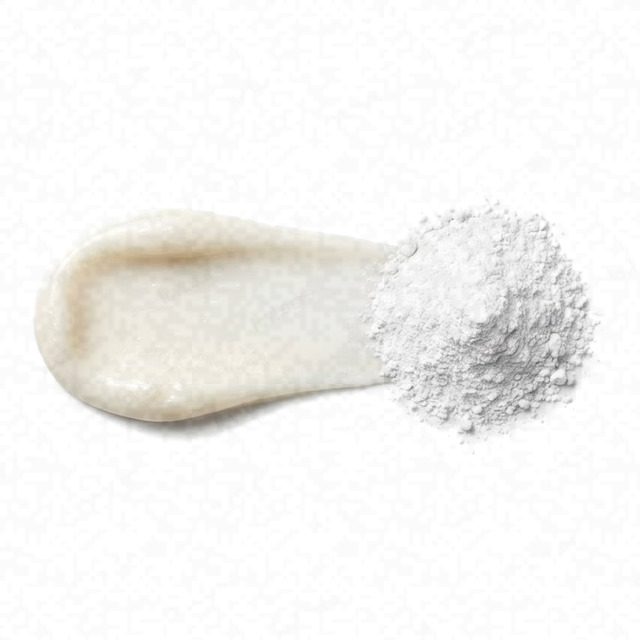 Titanium Dioxide
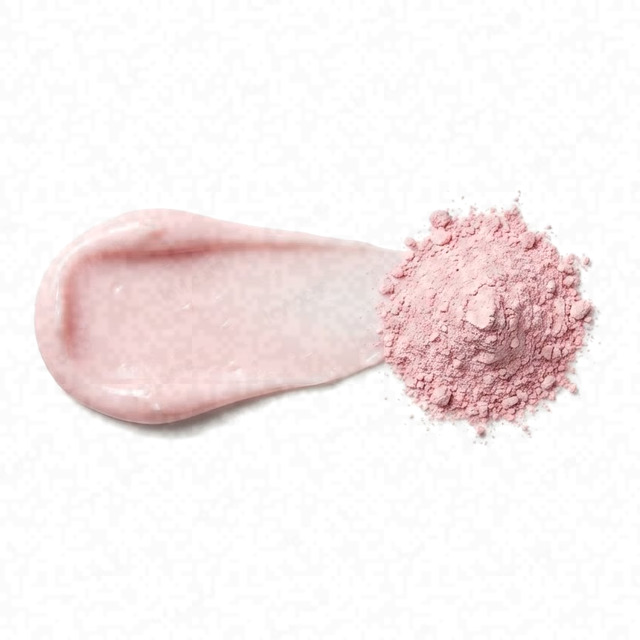 Calamine
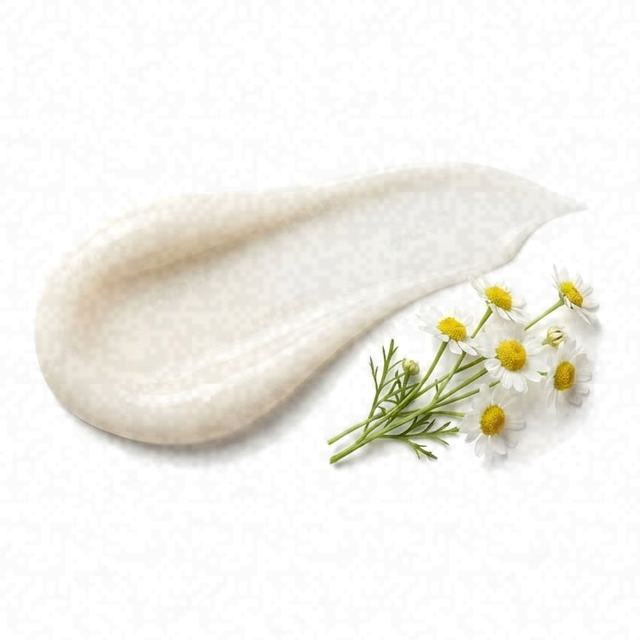 Bisabolol
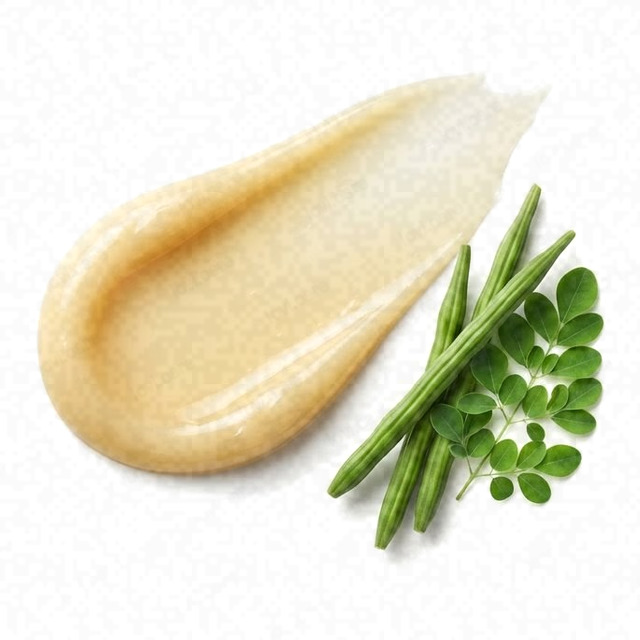 Moringa Oleifera Seed Oil
High
- HighOily Skin Fit
- HighEffectiveness
- HighSafety
A great choice for oily acne-prone skin; a few sunscreens fit it even better.
This fit is calculated for the concerns frequently associated with oily acne-prone skin: shine, breakouts, blemishes, and enlarged pores. For scores and recommendations based on your full skin profile, including your 12D face scan results and any goals or preferences you have, please use the Lovi app.
Page built Nov 8, 2026How the Fit score works
Lovi Assistant explains
- Highly suitable for your oily skin, this product contains niacinamide which effectively regulates sebum production and reduces inflammation, addressing your concerns with acne, blemishes, and breakouts. The inclusion of titanium dioxide and bis-ethylhexyloxyphenol methoxyphenyl triazine provides excellent UV protection, complementing your skin's needs.
- The formulation is also beneficial for managing oiliness or shiny skin, with additional ingredients like eclipta prostrata extract and melia azadirachta leaf extract offering soothing properties.
- The safety profile is excellent, with no risks of irritation for your oily skin due to the absence of prohibited or harsh ingredients.
How to apply
- Apply this sunscreen AM as the final step of your morning skincare routine. Reapply every two hours when exposed to the sun for continuous protection.
- Apply after your moisturizer as the last step before makeup. Do not apply anything on top of your sunscreen.
- Gently spread a coin-sized amount evenly across your face and neck. Avoid harsh rubbing to prevent disturbing the protective layer.
- Apply on completely dry skin after your moisturizer has fully absorbed. This ensures the sunscreen forms an even, protective barrier.
- Avoid direct contact with your eyes during application. Do a patch test before first use to ensure no irritation occurs.
People Say
★4.3Overall rating based on 200+ reviewsThis sunscreen is highly praised for its hydrating and soothing properties, making it an excellent choice for dry and sensitive skin types, with many users reporting no eye irritation. However, individuals with oily or combination skin may find the finish too shiny and tacky, especially in humid conditions.
Highlights
Gentle and non-irritating Often Mentioned
- “No eye stinging”
- “Soothing sensation”
- “Safe for sensitive skin”
- “No breakouts”
Moisturizing and hydrating Often Mentioned
- “Hydrating burst”
- “Great for dry skin”
- “No dry patches”
- “Skips moisturizer step”
Shiny or greasy finish Often Mentioned
- “Too dewy”
- “Greasy by noon”
- “Disco ball look”
- “Sticky residue”
Good texture and spreadability Sometimes Noted
- “Spreads easily”
- “Lightweight cream”
- “Soft texture”
- “Glides smoothly”
Minimal white cast Sometimes Noted
- “No white cast”
- “Blends well”
- “Clear finish”
- “Good under makeup”
Slow absorption Sometimes Noted
- “Takes time to set”
- “Doesn't dry down”
- “Sits on skin”
- “Remains tacky”
Scent and alcohol Rarely Noted
- “Mild chemical smell”
- “Strong alcohol scent”
- “Metallic fragrance”
Slight white cast Rarely Noted
- “Slight tone up”
- “Visible on dark skin”
- “Pale cast initially”
Sources: lovi.care, stylekorean.com, oliveyoung.com, reddit.com, kbeautyhobbit.com, kbeautymuse.com, and more
Questions and answers
What makes Hyggee Real Sun Cream a great fit for oily acne-prone skin?
This sunscreen is a great fit because it contains niacinamide to help control oil and soothe breakouts, along with mineral and chemical filters for strong UV protection. Its formula also includes calming plant extracts that help keep shiny skin balanced without causing irritation.
Which ingredients make this cream a good fit for oily acne-prone skin?
This cream is a great fit for your oily acne-prone skin because it contains niacinamide to control excess oil and calm breakouts, along with soothing plant extracts to keep shiny skin balanced. It also includes gentle mineral UV protection and calamine, which helps comfort the skin without clogging pores or causing irritation.
What does Niacinamide do for oily acne-prone skin?
Niacinamide helps balance oil production, calms redness, and is unlikely to irritate oily, acne-prone skin while improving blemishes. Clinical tests show it reduces excess oil and helps clear up both inflammatory and non-inflammatory acne breakouts.
Journal of Cosmetic and Laser Therapy, 2006Journal of Cosmetic Dermatology, 2024
What does Titanium Dioxide do for oily acne-prone skin?
Titanium dioxide acts as a physical mineral sunscreen to shield oily, acne-prone skin from UV rays without clogging pores or triggering breakouts. It sits safely on the outer surface of the skin and is unlikely to penetrate or cause irritation.
International Journal of Cosmetic Science, 2000Skin Pharmacology and Applied Skin Physiology, 2001
Where does it go in a skincare routine for oily acne-prone skin?
This product goes at the end of your morning routine after your moisturizer, providing broad-spectrum UV protection without adding unwanted shine or clogging pores. It is very safe for oily, acne-prone skin and is unlikely to cause irritation.
Can I use it with retinol, and in what order?
You can use this sunscreen in the morning as the final step after your retinol routine is fully absorbed. Applying it daily helps protect your skin while managing oiliness, and its gentle ingredients are unlikely to cause irritation.
How often should I use it?
This product is a great fit for your oily acne-prone skin and is designed for daily morning use as the final step in your daytime routine. It provides reliable sun protection and helps manage oiliness without causing irritation.
International Journal of Cosmetic Science, 2020Polymers, 2022
Can it clog pores, cause breakouts or purging for oily acne-prone skin?
This sunscreen is unlikely to clog pores or cause breakouts on oily skin because it has an excellent safety profile and contains niacinamide to help regulate oil and reduce inflammation. It does not contain ingredients that typically trigger acne or irritation.
Is it fragrance-free and alcohol-free?
It has no fragrance and contains drying alcohol (ethanol).
What the research says
Topical application of uncoated or silane-coated zinc oxide nanoparticles under occlusive conditions and on barrier-impaired skin of human volunteers results in no measurable penetration into or local toxicity in the viable epidermis.
European Journal of Pharmaceutics and Biopharmaceutics, 2016Emulgels containing Perilla frutescens seed oil, Moringa oleifera seed oil, and mixed seed oil microemulsions exhibit good stability, lack of cytotoxicity in PBMC, and no skin irritation or allergic reactions in human subjects.
Polymers, 2022Biomimetic hyaluronic acid-stabilized zinc oxide nanoparticles selectively inhibited C. acnes, outperformed erythromycin in preclinical acne models, and safely reduced acne lesions and redness in a clinical trial.
Journal of Controlled Release, 2025Topical post-laser application of human adipocyte-derived mesenchymal stem cell media combined with niacinamide significantly improved wrinkle index, melanin index, patient satisfaction, and investigator esthetic improvement scores compared to vehicle cream in patients with aging skin.
Journal of Cosmetic Dermatology, 2021Topical nicotinamide prevented solar-simulated UV-induced immunosuppression in healthy volunteers, and men experienced immunosuppression at solar-simulated UV doses three times lower than those required for women.
The Journal of Investigative Dermatology, 2008Topical 5% niacinamide applied twice daily for 12 weeks reduced fine lines and wrinkles, hyperpigmented spots, red blotchiness, and skin sallowness, and improved skin elasticity compared to vehicle control in 50 female white subjects with facial photoaging.
Dermatologic Surgery, 2005Microfine titanium dioxide does not penetrate human skin when formulated in an oil-in-water emulsion with the pigment dispersed in the aqueous phase, compared to oily dispersions and liposomal encapsulation which allow deeper skin penetration.
International Journal of Cosmetic Science, 2000Replacing microsized titanium dioxide and zinc oxide with nanoparticles in sunscreens eliminates opaqueness and alters UV protection balance while inducing (photo)cyto- and genotoxicity and penetrating viable skin layers during long-term exposures.
Nanotechnology, Science and Applications, 2011Microfine zinc oxide and titanium dioxide do not penetrate the stratum corneum of porcine skin in vitro, indicating that their use in sunscreens does not pose a health risk from internal exposure.
Toxicology in Vitro, 2006Topical 0.5% hyaluronic-ZnO nanogel applied twice daily reduced inflammatory-lesion counts by 58% at week four in human subjects compared to baseline without causing erythema.
Biomedicines, 2025Topical zinc oxide 20% ointment achieved a complete cure in 50% of patients with warts compared to 42% in the salicylic acid-lactic acid group, with no serious side-effects.
International Journal of Dermatology, 2007Application of an alpha-bisabolol-containing cream produced a significant skin-lightening effect in pigmented skin compared to a vehicle control in the majority of female subjects after 8 weeks.
International Journal of Cosmetic Science, 2010The combination of allantoin, bisabolol, D-panthenol and dipotassium glycyrrhizinate reduces UVB-induced PGE2, inflammatory cytokines, and mitochondrial superoxide in human epidermal keratinocytes.
International Journal of Cosmetic Science, 2024Moringa seed oil stimulated sebaceous lipogenesis, reduced pro-inflammatory cytokine secretion, and exhibited a low n-6/n-3 index in cultured human SZ95 sebocytes compared to untreated cells.
International Journal of Molecular Sciences, 2023Topical Moringa oleifera seed oil and its main constituent oleic acid reduced acute and chronic skin inflammation and epidermal hypertrophy in mice through glucocorticoid receptor activation without dexamethasone-like adverse effects on organ weights.
Journal of Ethnopharmacology, 2020
Ingredients
Water, Dibutyl Adipate, Glycerin, Dipropylene Glycol, Ethanol, Butyloctyl Salicylate, Phenethyl Benzoate, Titanium Dioxide Ci 77891, Isononyl Isononanoate, Diethylamino Hydroxybenzoyl Hexyl Benzoate, Niacinamide, Polyglyceryl-6 Stearate, Eclipta Prostrata Extract, Melia Azadirachta Leaf Extract, Moringa Oleifera Seed Oil, Nelumbo Nucifera Seed Extract, Acrylates Copolymer, Bis-Ethylhexyloxyphenol Methoxyphenyl Triazine, Ethylhexyl Triazone, Nylon-12, Polysilicone-15, Potassium Cetyl Phosphate, Sodium Acrylates Crosspolymer-2, Terephthalylidene Dicamphor Sulfonic Acid, Polyglyceryl-3 Distearate, 1,2-Hexanediol, Tromethamine, Polyhydroxystearic Acid, Aluminum Hydroxide, Acrylates C10-30 Alkyl Acrylate Crosspolymer, Hydroxyacetophenone, Stearic Acid, Polyglyceryl-6 Behenate, Sodium Polyacryloyldimethyl Taurate, Polyglyceryl-2 Dipolyhydroxystearate, Glyceryl Stearate Citrate, Adenosine, Butylene Glycol, Disodium Edta
Behind this fit score
Lovi calculates every fit score from the full ingredient list with brand-independent rules our dermatologists and cosmetic chemists build and review, and personalizes every pick with AI trained on the real results of millions of users. Lovi trains its fit score models on a proprietary dataset built from more than 10,000 expert-labeled products and more than 100,000 simulated examples, following an internally consistent methodology presented at Cosmoprof, AMWC, and Skin of Color Update.
-

Co-founder, Medical Director
Cosmetic chemist, cosmetologist, aesthetic products developer
-

Co-founder, CEO and CTO
PhD in computer science, 3x US patent holder, ex-Google, ex-Yandex
-

Dr. Sofía Perea Pérez, MD, MSc
Medical Board
Aesthetic medicine practitioner, MSc in Longevity and Anti-Aging Medicine
-

Medical Board
Specialist dermatologist, MBBS, MD, IFAAD
-

Medical Board
Cosmetic chemist, SCS, IFSCC member
-

Medical Board, Medical Advisor
Dermatology MD
-

Elina Nazarenko, MD
Medical Board
Dermatology and diagnostic consultant
-

Victoria Derkova, MS
Medical Board
Cosmetic chemist, cosmetic development technologist


How does it fit your skin?
Scan your face, then any product: Lovi shows how well it fits you and what fits even better.