Hanhoo Blemish Patch for oily acne-prone skin

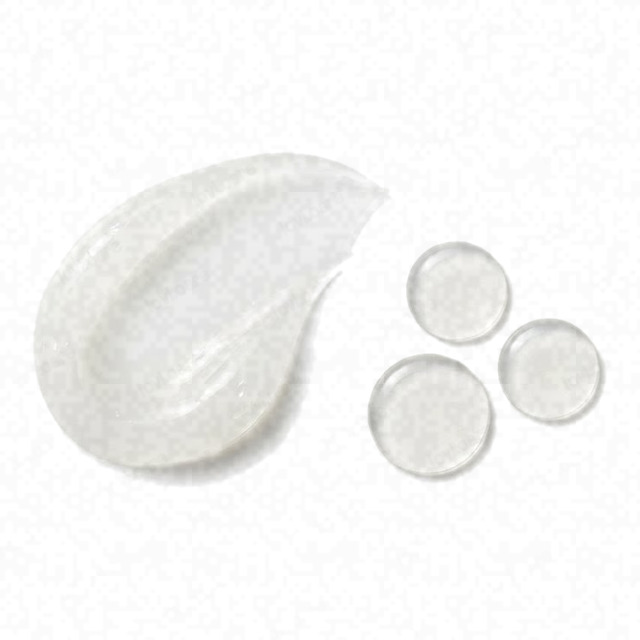 Hydrocolloid
 Aloe Barbadensis Leaf Extract
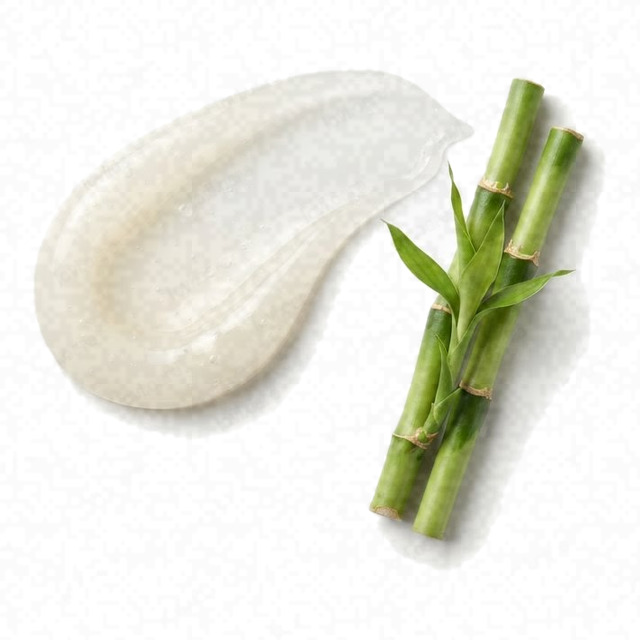 Bambusa Vulgaris Extract
 Hydrolyzed Hyaluronic Acid
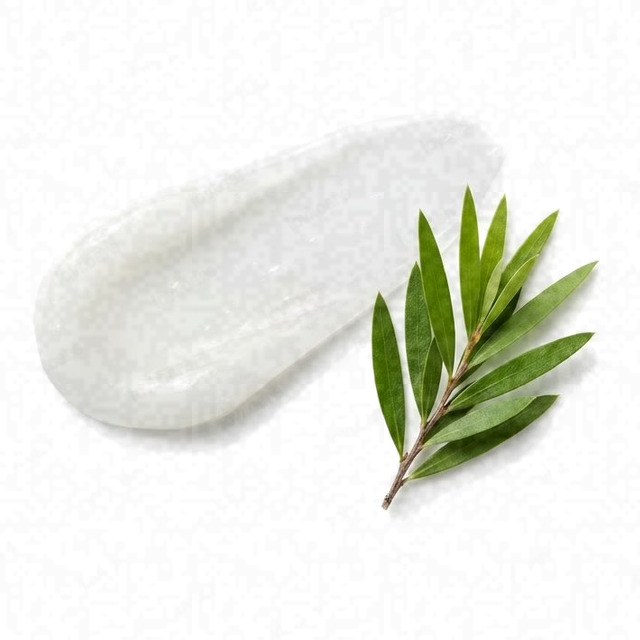 Melaleuca Alternifolia Tree Oil Leaf
High
- HighOily Skin Fit
- HighEffectiveness
- HighSafety
A great choice for oily acne-prone skin; a few serums fit it even better.
This fit is calculated for the concerns frequently associated with oily acne-prone skin: shine, breakouts, blemishes, and enlarged pores. For scores and recommendations based on your full skin profile, including your 12D face scan results and any goals or preferences you have, please use the Lovi app.
Page built Nov 8, 2026How the Fit score works
Lovi Assistant explains
- This product is highly suitable for your oily skin and acne concerns, as Melaleuca Alternifolia Tree Oil Leaf provides antibacterial action to combat blemishes, while Hydrolyzed Hyaluronic Acid offers essential hydration.
- The inclusion of Aloe Barbadensis Leaf Extract further soothes inflammation, complementing the hydrocolloid's oil absorption for effective breakout management.
- The safety profile is excellent, with no risks of irritation for your oily skin due to the absence of harsh ingredients and the presence of soothing components.
How to apply
- Could be used as part of your PM routine. Start 3 times a week and build up to daily use if your skin tolerates it well.
- Apply your serum after cleansing and toning, but before putting on your moisturizer.
- Gently press 2 to 3 drops of the serum into your skin and let it absorb for a minute.
- Apply the serum on clean, dry skin to help manage your blemishes safely.
- Do a patch test before your first use and avoid the delicate eye area.
People Say
★4.3Overall rating based on 3.3k+ reviewsBased on a very large amount of data, users widely praise these hydrocolloid patches for their exceptional affordability and ability to visibly flatten whiteheads overnight by absorbing fluid. While highly effective for surface-level acne, they are less successful on deep cystic spots and have caused skin irritation for a small subset of users.
Highlights
Effective absorption Mostly Mentioned
- “Sucks out all the gunk”
- “Pimple was flat next morning”
- “Turned white with extracted fluid”
Unbeatable price Mostly Mentioned
- “Great value for money”
- “So cheap compared to Mighty Patch”
- “Best budget option”
Thin & discreet Often Mentioned
- “Almost invisible”
- “Thinner than CosRX”
- “Can wear under makeup”
Good adhesion Sometimes Noted
- “Stays on all night”
- “Sticks better than other brands”
- “Doesn't peel off on pillow”
Ineffective on cysts Sometimes Noted
- “Did nothing for cystic acne”
- “Only works if pimple has a head”
- “Useless on deep spots”
Adhesion issues Rarely Noted
- “Slid off my oily nose”
- “Doesn't stick if you sweat”
- “Edges peel up”
Hard to peel Rarely Noted
- “Hard to get off the sheet”
- “Patch folds on itself”
- “Ruined a few trying to peel”
Skin irritation Rarely Noted
- “Left a red circle”
- “Caused a chemical burn”
- “Itchy welts where patch was”
Sources: lovi.care, walmart.com, hanhoousa.com, reddit.com, lemon8-app.com, and more
Questions and answers
What makes Hanhoo Blemish Patch a great fit for oily acne-prone skin?
Hanhoo Blemish Patch is a great fit because tea tree oil helps fight blemishes, while hydrocolloid absorbs excess oil and aloe vera calms redness. It also provides essential hydration without irritation, making it very safe and gentle for your skin.
Indian Journal of Dermatology, Venereology and Leprology, 2007Clinical Pharmacology, 2018
Which ingredients make this patch a good fit for oily acne-prone skin?
Melaleuca Alternifolia Tree Oil Leaf fights blemishes with antibacterial action, while Hydrolyzed Hyaluronic Acid hydrates your skin. Aloe Barbadensis Leaf Extract and hydrocolloid soothe inflammation and absorb excess oil to help manage breakouts safely.
Indian Journal of Dermatology, Venereology and Leprology, 2007Clinical Pharmacology, 2018
What does Hydrocolloid do for oily acne-prone skin?
Hydrocolloid helps calm oily acne-prone skin by reducing overall acne severity, inflammation, redness, oiliness, dark spots, and sebum levels. It provides an effective covering that supports healing and protects the skin.
What does Aloe Vera Leaf Extract do for oily acne-prone skin?
Aloe vera leaf extract helps soothe oily, acne-prone skin by calming redness and reducing blemishes. It has a very safe profile and works well to keep skin clear and smooth when used regularly in your routine.
Where does this patch go in a skincare routine for oily acne-prone skin?
This treatment goes in the evening routine after cleansing and before moisturizing, and it may also be used as part of your weekly care.
Can I use this patch with salicylic acid, and in what order?
You can use this patch with salicylic acid by applying your salicylic acid treatment first, letting it dry completely, and then placing the patch on top. This helps manage breakouts effectively while keeping your skin calm, and is unlikely to cause irritation because the formula lacks harsh ingredients.
How often should I use this patch?
You can use this treatment in the evening as part of your routine. It is unlikely to cause irritation on oily skin.
Can this patch clog pores, cause breakouts or purging for oily acne-prone skin?
This patch is unlikely to clog pores or cause breakouts on oily skin, as it absorbs excess oil and contains soothing ingredients. It has an excellent safety profile without harsh components, making it very gentle for blemish-prone areas.
Indian Journal of Dermatology, Venereology and Leprology, 2007Clinical Pharmacology, 2018
What the research says
Topical 5% tea tree oil gel significantly improved total acne lesions and acne severity index compared to placebo in 60 patients with mild to moderate acne vulgaris, showing 3.55 times and 5.75 times greater efficacy respectively.
Indian Journal of Dermatology, Venereology and Leprology, 2007Lactobacillus-fermented Chamaecyparis obtusa reduced inflammatory acne lesions by 65.3% compared to 38.2% with tea tree oil in 34 patients over 8 weeks, demonstrating superior efficacy, faster onset, and safety.
Dermatology, 2014A cream combining propolis, tea tree oil, and Aloe vera reduced erythema scars, acne severity index, and total lesion count better than erythromycin cream in sixty patients with mild to moderate acne vulgaris compared to placebo.
Clinical Pharmacology, 2018Daily application of hydrocolloid dressing completely prevented nasogastric tube-related pressure injuries, whereas skin care interventions showed no significant preventive effect compared to the control group in intensive care unit patients.
Journal of Tissue Viability, 2024Hydration of scars for 2 months resulted in significantly reduced itching, somewhat reduced pain, and increased pliability by 10% for both hydrocolloid dressing and moisturizer treatments in patients with keloids or hypertrophic scars, with no change in physical parameters.
Dermatologic Surgery, 1996Adjunctive hydrocolloid dressing with 0.1% mometasone furoate cream significantly increased treatment efficacy and cost-effectiveness compared to topical steroid alone in patients with moderate to severe lichen simplex chronicus.
Skin Health and Disease, 2023Topical aloe vera gel significantly accelerated split-thickness skin graft donor-site healing compared to placebo in 12 patients, but showed no significant difference in pain relief.
Plastic and Reconstructive Surgery, 2018Topical application of Aloe vera cream reduced postoperative pain at rest and during defecation, accelerated wound healing at two weeks, and decreased analgesic requirements in patients after open hemorrhoidectomy compared to placebo.
Journal of Alternative and Complementary Medicine, 2010Formulations containing 0.10%, 0.25%, and 0.50% freeze-dried Aloe vera extract increased stratum corneum water content compared with the vehicle in 20 female subjects, while transepidermal water loss was not modified.
Skin Research and Technology, 2006Ethyl acetate and aqueous fractions of Bambusa vulgaris leaves accelerate cutaneous wound healing and inhibit carrageenan-induced paw edema in rats.
Journal of Ayurveda and Integrative Medicine, 2016Topical application of 0.1% hyaluronic acid formulations of different molecular weights led to significant improvements in skin hydration and elasticity, with low-molecular-weight formulations also significantly reducing wrinkle depth in seventy-six female subjects compared to a vehicle control.
Journal of Drugs in Dermatology, 2011Topical application of hyaluronic acid in conjunction with free gingival graft significantly reduced donor site postoperative pain until day 7 compared to normal saline, with no significant differences in graft dimensions or patient satisfaction.
Clinical Oral Investigations, 2022Treatment with a hyaluronic acid-containing mouth rinse or topical gel led to significant lesion reduction, pain relief, and normalization of lesion color in adult patients with minor recurrent aphthous stomatitis, with the gel formulation showing an earlier healing onset at 3 days.
BMC Oral Health, 2019Tea tree oil nanoemulsion containing adapalene gel demonstrated significantly greater reductions in total, inflammatory, and non-inflammatory acne lesions as well as acne severity index compared to adapalene marketed gel in 100 patients with acne vulgaris over 12 weeks.
Archives of Dermatological Research, 2022Topical tea tree oil treatment confirmed efficacy on Demodex mite blepharitis across fourteen papers evaluating chronic blepharitis compared to no treatment or alternative management.
BioMed Research International, 2022Weekly treatment with tea tree oil-saturated human amniotic membrane showed superior efficacy in healing pityriasis versicolor lesions and fungicidal activity compared to daily application of 1% tioconazole cream in 120 patients.
Cell and Tissue Banking, 2020
Ingredients
Hydrocolloid, Aloe Barbadensis Leaf Extract, Bambusa Vulgaris Extract, Hydrolyzed Hyaluronic Acid, Melaleuca Alternifolia Tree Oil Leaf
Behind this fit score
Lovi calculates every fit score from the full ingredient list with brand-independent rules our dermatologists and cosmetic chemists build and review, and personalizes every pick with AI trained on the real results of millions of users. Lovi trains its fit score models on a proprietary dataset built from more than 10,000 expert-labeled products and more than 100,000 simulated examples, following an internally consistent methodology presented at Cosmoprof, AMWC, and Skin of Color Update.
-

Co-founder, Medical Director
Cosmetic chemist, cosmetologist, aesthetic products developer
-

Co-founder, CEO and CTO
PhD in computer science, 3x US patent holder, ex-Google, ex-Yandex
-

Dr. Sofía Perea Pérez, MD, MSc
Medical Board
Aesthetic medicine practitioner, MSc in Longevity and Anti-Aging Medicine
-

Medical Board
Specialist dermatologist, MBBS, MD, IFAAD
-

Medical Board
Cosmetic chemist, SCS, IFSCC member
-

Medical Board, Medical Advisor
Dermatology MD
-

Elina Nazarenko, MD
Medical Board
Dermatology and diagnostic consultant
-

Victoria Derkova, MS
Medical Board
Cosmetic chemist, cosmetic development technologist


How does it fit your skin?
Scan your face, then any product: Lovi shows how well it fits you and what fits even better.