Eve Lom Daily Protection SPF 50 for acne-prone skin

 Niacinamide
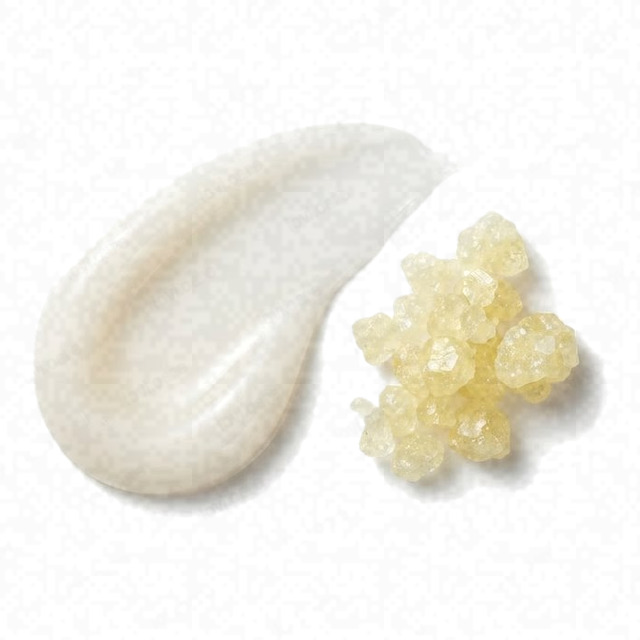 Homosalate
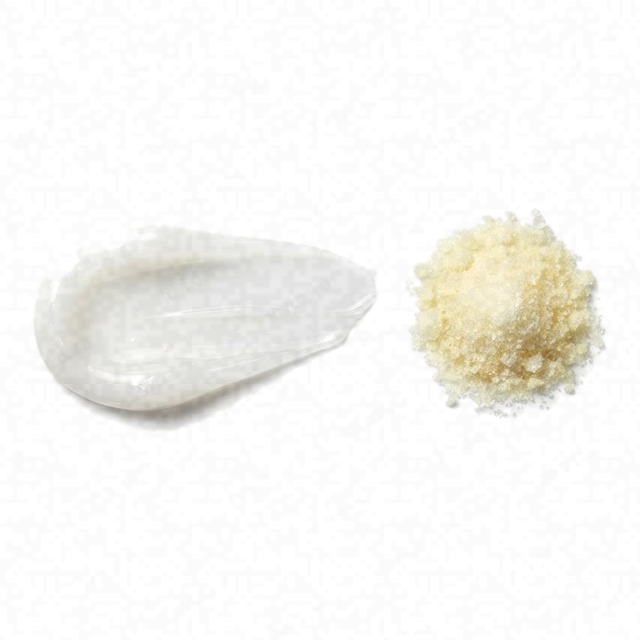 Butyl Methoxydibenzoylmethane
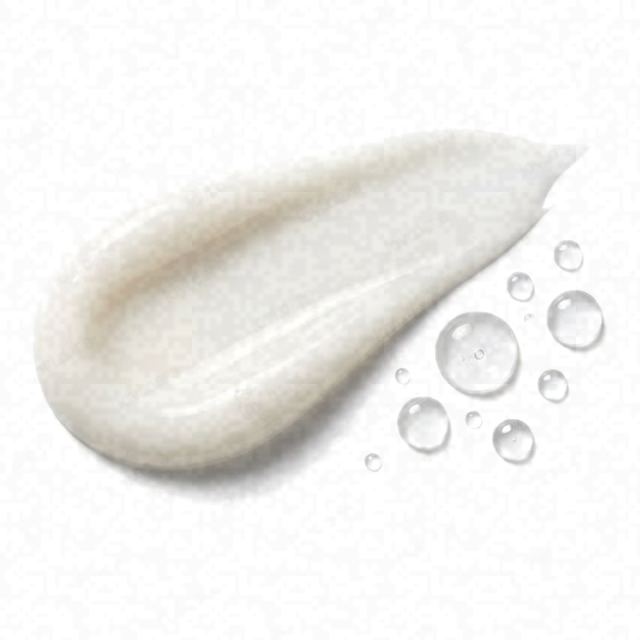 Ethylhexyl Salicylate
 Tocopheryl Acetate Vitamin E
High
- HighCombination Skin Fit
- HighEffectiveness
- HighSafety
One of the best sunscreens for acne-prone skin.
This fit is calculated for the concerns frequently associated with acne-prone skin: breakouts, blackheads, and post-acne marks. For scores and recommendations based on your full skin profile, including your 12D face scan results and any goals or preferences you have, please use the Lovi app.
Page built Nov 8, 2026How the Fit score works
Lovi Assistant explains
- Offers excellent UV protection with homosalate, benzophenone-3, and ethylhexyl salicylate, which are beneficial for your combination skin by shielding it from sun damage. Niacinamide and lactic acid further support your skin by helping to regulate oil production and mildly exfoliate, addressing your concerns with acne, blemishes, and breakouts.
- Ascorbyl tetraisopalmitate provides antioxidant benefits, contributing to overall skin health and radiance for your combination skin.
- The formula is safe for your combination skin, with no risks of irritation due to the absence of prohibited or harsh ingredients.
How to apply
- Apply this moisturizing sunscreen AM every morning as the final step of your daily routine.
- Layer the moisturizing sunscreen after your moisturizer has fully absorbed, right before heading out into the sun .
- Smooth a nickel-sized amount of the moisturizing sunscreen evenly over your face, avoiding harsh rubbing.
- Apply the moisturizing sunscreen onto clean, dry skin to ensure even coverage and protection.
- Perform a patch test before first use and avoid direct contact with the eyes.
People Say
★4.7Overall rating based on 800+ reviewsUsers with dry and mature skin types highly praise this product for its dual ability to deeply hydrate like a daily moisturizer while providing high sun protection without a white cast. Those with oily or combination skin frequently find the finish too dewy or greasy, occasionally leading to shine breakthrough throughout the day.
Highlights
Expensive product Mostly Mentioned
- “Good quality but a bit pricey”
- “It's pretty pricey, so I'll definitely be using this as a summertime moisturizer”
- “I spent ninety dollars to see what it's like”
- “Same product as Cotz but more $$$”
Deeply moisturizing Often Mentioned
- “It is lightweight but does provide moisture leaving the skin supple”
- “Clinically proven to hydrate skin for up to 36 hours”
- “I have sensitive, dry skin, and this moisturizer works well”
- “My face feels dry and irritated... It makes my face feel hydrated”
No white cast Often Mentioned
- “It goes on so smoothly with no white cast”
- “Dries clear it does not leave a white residue”
- “The tint is very subtle and hardly perceptible”
- “No white cast on my skin”
Lightweight texture Sometimes Noted
- “Delicate and light to apply, absolutely no cloying heaviness”
- “Absorbs quickly, forming a film fast”
- “Disappears into the skin upon application”
- “Soft, lightweight and feels great on the skin”
Works under makeup Sometimes Noted
- “Works great under make up”
- “Works well under my makeup after washing my face”
- “I then apply my oil-control primer over it... Zero issues with product piling”
- “Does not disrupt anything”
Greasy finish Sometimes Noted
- “My issue is that it makes my skin OILY”
- “It feels greasy and makes my face greasy”
- “Every time I use it up my face feels super oily”
- “I usually am not a fan of sunscreen that is shiny”
Skin irritation Rarely Noted
- “Really stung my eyes”
- “Getting a couple pieces of acne on my face from using this”
- “Dries out my face really quickly”
- “If signs of irritation occur, discontinue immediately”
Strong scent Rarely Noted
- “Has a very strong weird smell”
- “Smelled different... very light beautiful luxurious”
- “Soft smell that doesn't over power you”
- “I love the scent and I hate scented products”
Sources: lovi.care, macys.com, dermstore.com, amazon.com, spacenk.com, woot.com, and more
Questions and answers
What makes Eve Lom Daily Protection SPF 50 a great fit for acne-prone skin?
Eve Lom Daily Protection SPF 50 is a great fit because it shields your skin from the sun with UV filters while using niacinamide and lactic acid to help balance oil and gently clear pores. It is also unlikely to cause irritation and includes vitamin C to support overall skin health and radiance.
Which ingredients make this cream a good fit for acne-prone skin?
Niacinamide and lactic acid make this cream a good fit for acne-prone skin by helping to regulate oil production and mildly exfoliate. These ingredients address blemishes and breakouts while keeping your skin calm.
What does Niacinamide do for acne-prone skin?
Niacinamide helps acne-prone skin by reducing both inflamed and uninflamed breakouts and calming redness. It is also very helpful for keeping oily skin balanced by cutting down on excess oil production, and it is well tolerated by most people.
What does Homosalate do for acne-prone skin?
Homosalate helps protect acne-prone skin from sun damage by absorbing UV rays without clogging pores. Because chemical sunscreens of this type are unlikely to cause irritation, they are generally gentle on sensitive or breakout-prone skin.
Where does this cream go in a skincare routine for acne-prone skin?
This moisturizing sunscreen goes in your morning routine as the final step before makeup, right after your moisturizer. It is a great fit for acne-prone skin because it shields you from the sun while helping to manage oil and breakouts.
Can I use it with retinol, and in what order?
You can use this sunscreen in the morning as the last step before makeup, well after applying your evening retinol. Daily use of its antioxidant formula helps protect your skin from sun damage without causing irritation.
How often should I use it?
Use this moisturizing SPF every morning as the final step of your daytime routine. Daily application helps shield your skin from sun damage while supporting oil control and radiance.
Can it clog pores, cause breakouts or purging for acne-prone skin?
Eve Lom Daily Protection SPF 50 is a great fit for acne-prone skin and is unlikely to clog pores or cause breakouts because it contains niacinamide and lactic acid to help regulate oil and gently exfoliate. Some reviewers do mention a greasy finish, so keep that in mind if your skin tends to feel heavy with certain sunscreens.
Is it fragrance-free and alcohol-free?
Yes, it has no fragrance and no drying alcohol. Cetearyl alcohol is a fatty alcohol, which soften the skin.
What the research says
The application of a sunscreen formulation containing ethylhexyl methoxycinnamate, ethylhexyl salicylate, methyl anthranilate, and octocrylene does not significantly affect critical acne-related species such as Cutibacterium acnes and Staphylococcus epidermidis, refuting the induction of facial dysbiosis in men.
Archives of Dermatological Research, 2024A 3-in-1 anti-aging topical night serum-in-oil applied once daily decreased wrinkles by 11%, increased skin firmness by 8%, reduced redness by 70%, and improved overall skin quality and complexion in 103 female subjects over 28 to 84 days compared to baseline.
Journal of Cosmetic Dermatology, 2019Topical formulations containing ascorbyl tetraisopalmitate, coenzyme Q10, green tea polyphenols, and resveratrol reduced the release of inflammatory cytokines and attenuated inflammatory signs compared to untreated skin and vehicle in 25 Japanese volunteers exposed to sodium dodecyl sulfate.
European Journal of Pharmaceutics and Biopharmaceutics, 2017Topical post-laser application of human adipocyte-derived mesenchymal stem cell media combined with niacinamide significantly improved wrinkle index, melanin index, patient satisfaction, and investigator esthetic improvement scores compared to vehicle cream in patients with aging skin.
Journal of Cosmetic Dermatology, 2021Topical nicotinamide prevented solar-simulated UV-induced immunosuppression in healthy volunteers, and men experienced immunosuppression at solar-simulated UV doses three times lower than those required for women.
The Journal of Investigative Dermatology, 2008Topical 5% niacinamide applied twice daily for 12 weeks reduced fine lines and wrinkles, hyperpigmented spots, red blotchiness, and skin sallowness, and improved skin elasticity compared to vehicle control in 50 female white subjects with facial photoaging.
Dermatologic Surgery, 2005Dermal application of a sunscreen containing 10% homosalate in four volunteers resulted in delayed elimination with terminal half-times around 24 h and a bioavailability of cis-homosalate a factor of 2 lower than trans-homosalate, while metabolite ratios supported using oral-route urinary excretion fractions for dermal exposure assessments.
Archives of Toxicology, 2024Chemical sunscreens containing avobenzone, octocrylene, homosalate, and octisalate showed no to minimal risks of dermal irritation, sensitization, photo-allergy, and photo-irritation in human subjects.
Journal of Drugs in Dermatology, 2025Homosalate exhibited the highest permeation among tested filters with a relative permeability rate of 4.2% and a depth of 60 um, and specific thickeners and emulsifiers successfully reduced its permeation without inhibiting the skin permeation of niacinamide.
Photodermatology, Photoimmunology & Photomedicine, 2026Encapsulation of ethylhexyl methoxycinnamate and butyl methoxydibenzoylmethane in lipid microparticles significantly reduced their in vivo human skin penetration compared to nonencapsulated filters.
Skin Pharmacology and Physiology, 2011Microencapsulation of the BMDBM/HP-beta-CD complex in lipid microparticles significantly decreased the percutaneous penetration of the UV filter into the stratum corneum of human volunteers compared to the non-encapsulated sunscreen agent.
Journal of Pharmaceutical and Biomedical Analysis, 2011Following human skin application of an O/W emulsion containing 2% BMDBM loaded in lipospheres, 15% of the sunscreen accumulated in the uppermost layers of the stratum corneum without remarkably modifying skin permeation compared to unencapsulated sunscreen.
Skin Pharmacology and Physiology, 2008Simulated real-life dermal sunscreen exposure in twenty human volunteers leads to the systemic bioavailability and urinary excretion of the UV filter 2-ethylhexyl salicylate and its metabolite, reaching concentration peaks at 7 to 8 hours with 70-80% of overall excretion within 24 hours.
Archives of Toxicology, 2019Controlled single dermal exposure to an EHS-containing sunscreen in three volunteers resulted in delayed systemic resorption with elimination half-lives between 6.6 and 9.7 hours, where the parent compound EHS occurred as the dominant urinary parameter.
Archives of Toxicology, 2024Dermal exposure to EHS-containing sunscreen leads to the urinary excretion of EHS as the main biomarker alongside major metabolites 5OH-EHS, 5cx-EPS, 4OH-EHS, and 5oxo-EHS, measured using an extended enzymatic hydrolysis and on-line SPE LC-MS/MS method.
Talanta, 2024Topical application of an antioxidant serum containing 15% ascorbic acid, 0.5% ferulic acid, and 1% tocopherol prevented particulate matter-induced degradation of extracellular matrix components, inflammation, and oxidative stress in the skin of 15 female volunteers compared to untreated controls.
Journal of Cosmetic Dermatology, 2025Dermatological products containing d-alpha tocopheryl acetate showed non-comedogenic potential with less than a 50% increase in microcomedones in 12 healthy male subjects compared to octyl palmitate.
Contemporary Clinical Trials Communications, 2021Topical application of an antioxidant mix containing 15% ascorbic acid, 0.5% ferulic acid, and 1% tocopherol prevented PM and UV-induced skin barrier perturbation, lipid peroxidation, inflammatory markers, MMP9 activation, and Type I collagen loss in 15 healthy females compared to untreated exposed skin.
Journal of Cosmetic Dermatology, 2024
Ingredients
Water, Homosalate, Benzophenone-3, Niacinamide, Ethylhexyl Salicylate, Phenyl Trimethicone, Cetearyl Alcohol, Butyl Methoxydibenzoylmethane, Ethylhexyl Methoxycinnamate, Octocrylene, Caprylic Capric Triglyceride, Behentrimonium Methosulfate, Divinyldimethicone Dimethicone Copolymer, Polysilicone-15, Phenoxyethanol, Cetearyl Olivate, Sorbitan Olivate, Polyquaternium-37, Propylene Glycol Dicaprylate Dicaprate, Spilanthes Acmella Flower Extract, Tocopheryl Acetate, Ascorbyl Tetraisopalmitate, Ethylhexylglycerin, Lactic Acid, Ppg-1 Trideceth-6, C12-13 Pareth-3, C12-13 Pareth-23, Sodium Citrate, Citric Acid, Bht
Behind this fit score
Lovi calculates every fit score from the full ingredient list with brand-independent rules our dermatologists and cosmetic chemists build and review, and personalizes every pick with AI trained on the real results of millions of users. Lovi trains its fit score models on a proprietary dataset built from more than 10,000 expert-labeled products and more than 100,000 simulated examples, following an internally consistent methodology presented at Cosmoprof, AMWC, and Skin of Color Update.
-

Co-founder, Medical Director
Cosmetic chemist, cosmetologist, aesthetic products developer
-

Co-founder, CEO and CTO
PhD in computer science, 3x US patent holder, ex-Google, ex-Yandex
-

Dr. Sofía Perea Pérez, MD, MSc
Medical Board
Aesthetic medicine practitioner, MSc in Longevity and Anti-Aging Medicine
-

Medical Board
Specialist dermatologist, MBBS, MD, IFAAD
-

Medical Board
Cosmetic chemist, SCS, IFSCC member
-

Medical Board, Medical Advisor
Dermatology MD
-

Elina Nazarenko, MD
Medical Board
Dermatology and diagnostic consultant
-

Victoria Derkova, MS
Medical Board
Cosmetic chemist, cosmetic development technologist


How does it fit your skin?
Scan your face, then any product: Lovi shows how well it fits you and what fits even better.