Embryolisse Lait-Crème Concentré for oily acne-prone skin

 Aloe Barbadensis Leaf Extract
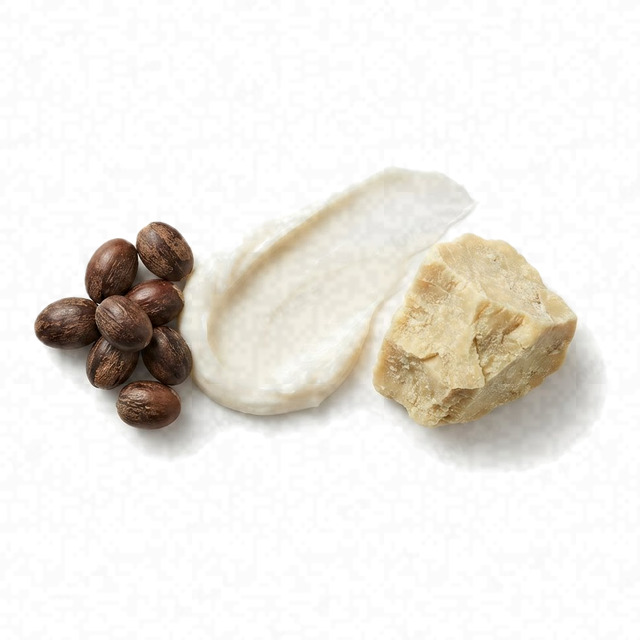 Butyrospermum Parkii Butter Shea Butter
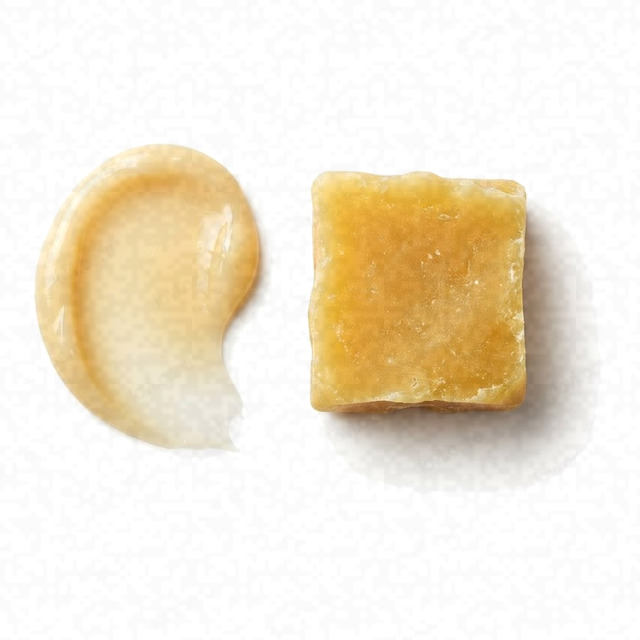 Alba Cera Beeswax Cera
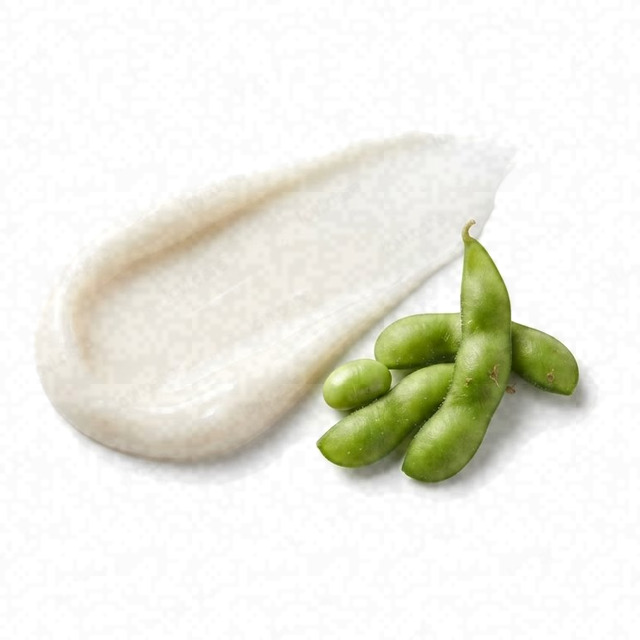 Hydrolyzed Soy Protein
 1,2-Hexanediol
Caution
- HighOily Skin Fit
- HighEffectiveness
- ConcerningSafety
A poor match for oily acne-prone skin; the moisturizers alongside fit it better.
This fit is calculated for the concerns frequently associated with oily acne-prone skin: shine, breakouts, blemishes, and enlarged pores. For scores and recommendations based on your full skin profile, including your 12D face scan results and any goals or preferences you have, please use the Lovi app.
Page built Nov 8, 2026How the Fit score works
Lovi Assistant explains
- Offers excellent moisturizing for your oily skin due to shea butter and hydrolyzed soy protein, which hydrate and smooth texture, but the presence of paraffinum liquidum poses a major risk of worsening your acne, blemishes, and breakouts.
- While triethanolamine and aloe barbadensis leaf extract offer some humectant action and pH modulation, the formula lacks strong seboregulating components suitable for oily skin.
How to apply
- Use this AM and PM routine every day to help clear your skin. Always remember to finish with SPF in the morning.
- Apply the moisturizer after your cleanser and toner, right before your SPF during the day.
- Gently press a small amount into your skin and avoid rubbing to keep pores clear.
- Apply on clean, slightly damp skin to help the product absorb better and control oil.
- Avoid the sensitive eye area and do a simple patch test before your first use.
People Say
★4.6Overall rating based on 7.0k+ reviewsBased on a very large amount of data, this moisturizer is highly regarded for its intense hydration and effectiveness as a makeup primer, creating a smooth and plump base. While it generally suits most skin types, some users with very oily or acne-prone skin report that the formula can feel heavy or lead to breakouts.
Highlights
Excellent primer Mostly Mentioned
- “Creates a smooth, tacky base that grips foundation; prevents makeup from looking cakey or separating.”
Intense hydration Mostly Mentioned
- “Instantly plumps dehydrated skin; eliminates dry patches; leaves a "satin" glow.”
Lightweight texture Often Mentioned
- “Rich but absorbs quickly; feels milky rather than greasy; "sinks right in."”
Versatile multi-use Often Mentioned
- “Works as a daily moisturizer, hydrating mask, makeup remover, and after-shave balm.”
Soothing for sensitive skin Sometimes Noted
- “Calms redness and irritation; gentle enough for reactive skin types (for most users).”
Potential breakouts Sometimes Noted
- “Caused cystic acne or whiteheads for some; "clogged pores"; not suitable for all acne-prone skin.”
Strong fragrance Sometimes Noted
- “Heavily perfumed floral scent; "overpowering" for some; causes irritation for fragrance-sensitive users.”
Packaging issues Rarely Noted
- “Metal tube is prone to cracking; product leaks out; "hard to squeeze" last bits.”
Too greasy Rarely Noted
- “Can feel heavy or "oily" on T-zone; leaves a shiny film on naturally oily skin types.”
Sources: lovi.care, amazon.com, dermstore.com, adorebeauty.com.au, ulta.com, marieclaire.co.uk, and more
Questions and answers
Why does Lovi advise caution with Embryolisse Lait-Crème Concentré for oily acne-prone skin?
Lovi advises caution because this cream contains heavy mineral oil, which poses a major risk of worsening acne, blemishes, and breakouts on oily skin. While shea butter and soy protein help smooth texture, this type of skin needs a lightweight moisturizer free of heavy oils that regulates oil and supports the skin barrier without clogging pores.
Which ingredients make this cream a poor fit for oily acne-prone skin?
Paraffinum liquidum makes this cream a poor fit because it poses a major risk of worsening your acne, blemishes, and breakouts. A moisturizing treatment for oily acne-prone skin needs lightweight hydration and ingredients that support the skin barrier without heavy oils or pore-clogging ingredients.
What does Aloe Vera Leaf Extract do for oily acne-prone skin?
Aloe vera leaf extract helps soothe oily, acne-prone skin by calming redness and reducing blemishes. It has a very safe profile and works well to keep skin clear and smooth when used regularly in your routine.
What does Butyrospermum Parkii Butter do for oily acne-prone skin?
Butyrospermum Parkii Butter helps protect the skin barrier, but because it is quite heavy, it may feel too rich for oily acne-prone skin. Skin of this type usually needs lighter, balancing ingredients like natural plant oils with a higher linoleic acid to oleic acid ratio that help keep pores clear and smooth.
Where does this cream go in a skincare routine for oily acne-prone skin?
This moisturizing treatment goes at the end of your morning routine and evening routine, after your cleanser, toner, and any treatment serums. However, because it contains heavy mineral oil, it poses a major risk of worsening acne and breakouts on oily skin. A moisturizer for this skin type needs oil-balancing ingredients and lightweight hydrators to keep skin clear and smooth.
Can I use this cream with retinol, and in what order?
You should use caution applying this rich cream with retinol on oily acne-prone skin, as it contains heavy ingredients like mineral oil that may clog pores and worsen breakouts. If you still choose to use them together, apply your retinol first, let it absorb fully, and then follow with a thin layer of this moisturizer to help keep your skin soft. This skin type needs lighter, oil-free moisturizers with ingredients like niacinamide or salicylic acid to hydrate without triggering acne.
How often should I use this cream?
This cream is a poor match for your oily acne-prone skin, as the mineral oil may worsen your breakouts despite the shea butter hydrating and smoothing texture. An oily acne-prone skin type needs a lightweight, oil-free moisturizer with pore-clearing ingredients like salicylic acid or niacinamide to manage oil and prevent blemishes.
Can this cream clog pores, cause breakouts or purging for oily acne-prone skin?
Yes, this cream poses a major risk of worsening your acne, blemishes, and breakouts because it contains heavy mineral oil that can easily clog pores on oily skin. Oily acne-prone skin needs a product with lightweight, oil-free ingredients and strong pore-clearing components to keep skin clear and smooth.
Can I use this cream around the eyes or on my body?
This cream is suitable for the thin skin around the eyes and body areas, as skin is thin there and may benefit from rich moisturizers. However, because it contains heavy ingredients like mineral oil and shea butter, it is unlikely to be ideal for oily facial acne.
Is this cream fragrance-free and alcohol-free?
It has no drying alcohol and contains fragrance (parfum).
What the research says
Cellulose acetate and soy protein hydrolysate nanofibrous dressings promote fibroblast proliferation in vitro and accelerate wound healing with reduced scar formation in vivo.
Advanced Healthcare Materials, 2018A cream combining propolis, tea tree oil, and Aloe vera reduced erythema scars, acne severity index, and total lesion count better than erythromycin cream in sixty patients with mild to moderate acne vulgaris compared to placebo.
Clinical Pharmacology, 2018Topical aloe vera gel significantly accelerated split-thickness skin graft donor-site healing compared to placebo in 12 patients, but showed no significant difference in pain relief.
Plastic and Reconstructive Surgery, 2018Topical application of Aloe vera cream reduced postoperative pain at rest and during defecation, accelerated wound healing at two weeks, and decreased analgesic requirements in patients after open hemorrhoidectomy compared to placebo.
Journal of Alternative and Complementary Medicine, 2010A combination cream of stimu-tex AS and saccharide isomerate reduced erythema, increased skin capacitance, and reduced transepidermal water loss compared to placebo in 20 subjects after fractional CO2 laser procedure without causing serious adverse events.
Lasers in Medical Science, 2025A skin barrier restoring cream with shea butter, silkflo, and vitamin E increased type I procollagen synthesis, enhanced antioxidant enzyme activity, decreased reactive oxygen species generation, and promoted hyaluronic acid production in H2O2-stimulated human keratinocyte cells compared to untreated cells.
International Journal of Cosmetic Science, 2025Topical application of a honey, olive oil, and beeswax mixture three times daily for up to 4 weeks resulted in clinical responses in 86% of patients with pityriasis versicolor, 78% with tinea cruris, and 75% with tinea corporis.
Complementary Therapies in Medicine, 2004A prototype body cream containing bee venom, propolis, honey, beeswax, and royal jelly demonstrated stability for 90 days, high antioxidant capacity of 85.45%, lack of cytotoxicity with over 70% cell viability, and no irritation or allergic reaction in dermatological analysis, while improving skin parameters in a panel test.
Journal of Cosmetic Dermatology, 2022MUD1 protected human dermal fibroblasts against AAPH-induced oxidative stress by increasing cell viability, reducing oxidative damage, improving mitochondrial functionality, and enhancing wound healing capacities.
International Journal of Molecular Sciences, 2018A red ginseng hydrogel formulation with 1,2-hexanediol promoted selective growth of Staphylococcus epidermidis and decreased Cutibacterium acnes in 20 female subjects.
Journal of Ginseng Research, 2022Sensory skin irritation potential of 1,2-alkanediols increased with alkane chain length, whereas 1,2-hexanediol showed the lowest objective skin irritation potential compared to both shorter and longer chain lengths, and percutaneous absorption negatively correlated with alkane chain length.
International Journal of Cosmetic Science, 2011
Ingredients
Water, Paraffinum Liquidum, Stearic Acid, Palmitic Acid, Glyceryl Stearate Se, Triethanolamine, Alba Cera Beeswax Cera, Cetyl Palmitate, Butyrospermum Parkii Butter Shea Butter, 1,2-Hexanediol, Caprylyl Glycol, Steareth-10, Polyacrylamide, C13-14 Isoparaffin, Parfum, Laureth-7, Propylene Glycol, Tropolone, Hydrolyzed Soy Protein, Aloe Barbadensis Leaf Extract
Behind this fit score
Lovi calculates every fit score from the full ingredient list with brand-independent rules our dermatologists and cosmetic chemists build and review, and personalizes every pick with AI trained on the real results of millions of users. Lovi trains its fit score models on a proprietary dataset built from more than 10,000 expert-labeled products and more than 100,000 simulated examples, following an internally consistent methodology presented at Cosmoprof, AMWC, and Skin of Color Update.
-

Co-founder, Medical Director
Cosmetic chemist, cosmetologist, aesthetic products developer
-

Co-founder, CEO and CTO
PhD in computer science, 3x US patent holder, ex-Google, ex-Yandex
-

Dr. Sofía Perea Pérez, MD, MSc
Medical Board
Aesthetic medicine practitioner, MSc in Longevity and Anti-Aging Medicine
-

Medical Board
Specialist dermatologist, MBBS, MD, IFAAD
-

Medical Board
Cosmetic chemist, SCS, IFSCC member
-

Medical Board, Medical Advisor
Dermatology MD
-

Elina Nazarenko, MD
Medical Board
Dermatology and diagnostic consultant
-

Victoria Derkova, MS
Medical Board
Cosmetic chemist, cosmetic development technologist


How does it fit your skin?
Scan your face, then any product: Lovi shows how well it fits you and what fits even better.