Coppertone Sport Sunscreen Lotion SPF 50 for combination skin

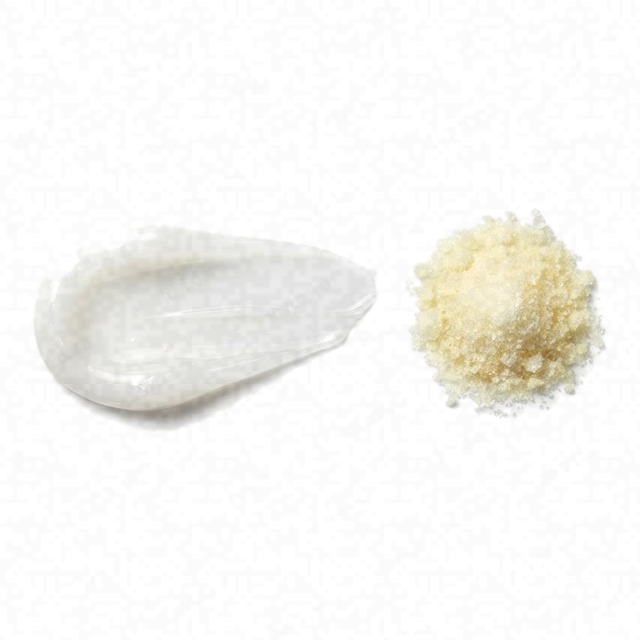 Avobenzone
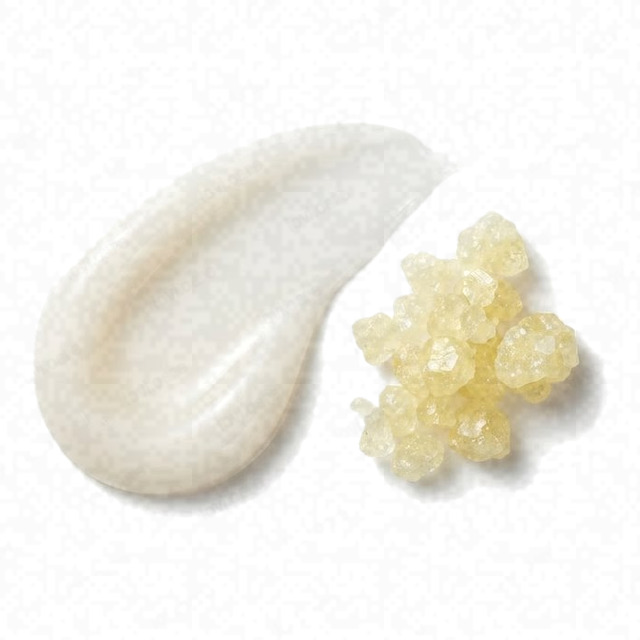 Homosalate
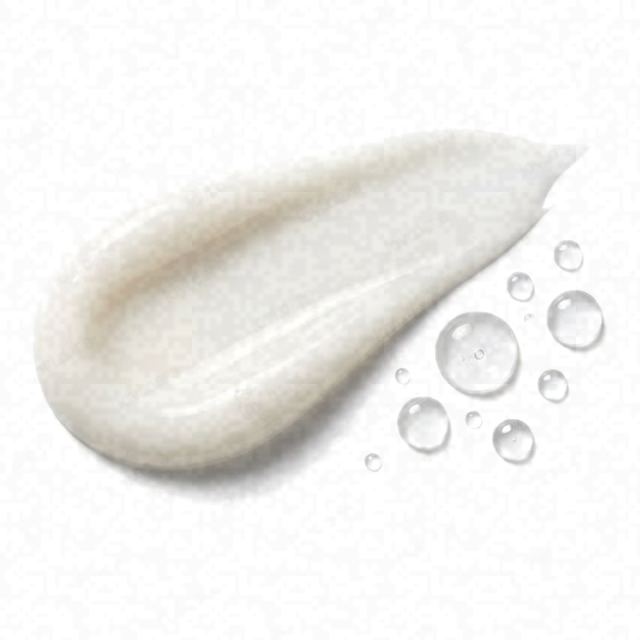 Octisalate
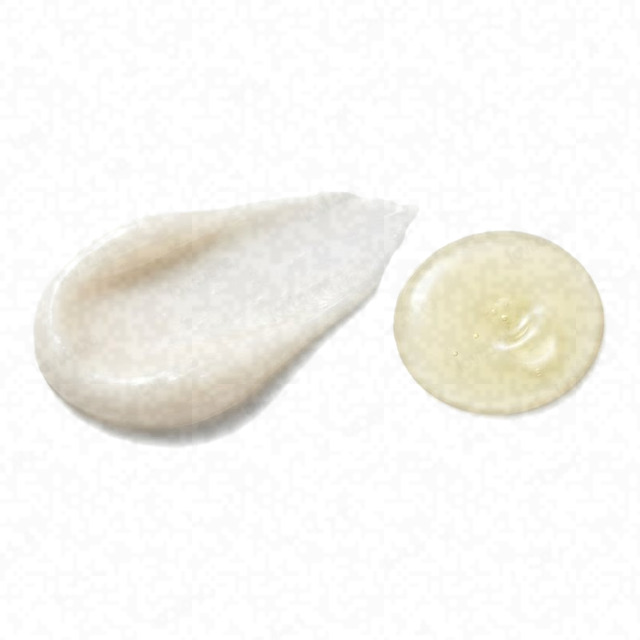 Octocrylene
 Tocopherol Vitamin E
High
- HighCombination Skin Fit
- AverageEffectiveness
- HighSafety
A great choice for combination skin; a few sunscreens fit it even better.
- Clinical, Cosmetic and Investigational Dermatology, 2017
- European Journal of Pharmaceutical Sciences, 2023
This fit is calculated for the concerns frequently associated with combination skin: an oily T-zone, enlarged pores, and dry cheeks. For scores and recommendations based on your full skin profile, including your 12D face scan results and any goals or preferences you have, please use the Lovi app.
Page built Nov 8, 2026How the Fit score works
Lovi Assistant explains
- Highly suitable for your combination skin due to the presence of Glycerin and Sodium Ascorbyl Phosphate, which offer humectant action and antioxidant activity respectively, though it lacks specialized ingredients for your oily shine.
- The formula provides excellent UV protection with high concentrations of avobenzone, homosalate, octisalate, and octocrylene, which are beneficial for overall skin health.
- The safety profile is excellent, with no risks of irritation for your combination skin due to the absence of prohibited or harsh ingredients.
How to apply
- Apply this sunscreen during your AM routine every single day. Make sure to reapply ⏱ every two hours if you stay outside.
- Apply this sunscreen as the very last step of your morning routine after your moisturizer. Allow your moisturizer to ⏳ sink in for a minute first.
- Smooth an even layer over your face and gently pat it into the skin without harsh rubbing. Be sure to cover all exposed areas thoroughly.
- For the best finish on your combination skin, apply the sunscreen on completely dry skin over your moisturizer. This helps control any oily shine throughout the day.
- Avoid getting the product directly into your eyes. Do a small patch test before your first full application.
Questions and answers
What makes Coppertone Sport Sunscreen Lotion SPF 50 a great fit for combination skin?
Coppertone Sport Sunscreen Lotion SPF 50 is a great fit for your combination skin because it includes glycerin to help keep your skin hydrated and sodium ascorbyl phosphate to provide antioxidant activity. The formula also offers strong UV protection with avobenzone, homosalate, octisalate, and octocrylene, and is very unlikely to cause irritation.
Which ingredients make this sunscreen a good fit for combination skin?
Glycerin and Sodium Ascorbyl Phosphate make this sunscreen a great fit for your combination skin because they help keep skin hydrated and provide antioxidant activity. The formula is very safe and unlikely to cause irritation.
What does Avobenzone do for combination skin?
Avobenzone helps protect combination skin from sun damage, but it is best used in a stable formulation because it can break down under sunlight. Encapsulating this ingredient or combining it with photostability boosters may reduce skin irritation and improve safety.
European Journal of Pharmaceutical Sciences, 2023Journal of Photochemistry and Photobiology. B, Biology, 2015
What does Homosalate do for combination skin?
Homosalate helps protect combination skin from UV rays while generally being well tolerated without causing skin irritation. Chemical sunscreens containing this ingredient show a very low likelihood of causing redness or allergic reactions.
Where does this sunscreen go in a skincare routine for combination skin?
This sunscreen goes as the last step in your morning routine after applying your moisturizer. It is a great fit for your combination skin because it provides high UV protection and keeps the skin comfortable with glycerin, though it does not include special ingredients to manage oily shine.
Can I use this sunscreen with retinol, and in what order?
You can use this sunscreen in the morning as the final step after your retinol routine, which you should apply at night. This sunscreen is unlikely to cause irritation on your combination skin and provides strong UV protection.
How often should I use this sunscreen?
Apply this sunscreen every morning as the final step of your daytime routine to protect your combination skin from UV damage. It is safe for daily use and unlikely to cause irritation.
Can this sunscreen clog pores, cause breakouts or purging for combination skin?
This sunscreen is a great fit for your combination skin and is unlikely to cause irritation or breakouts because it is free of harsh ingredients. Glycerin helps keep your skin hydrated while maintaining a safe, gentle profile.
Is this sunscreen fragrance-free and alcohol-free?
Yes, it has no fragrance and no drying alcohol. Arachidyl alcohol and behenyl alcohol are fatty alcohols, which soften the skin.
What the research says
A single application of a moisturizing fluid containing hyaluronic acid 1%, glycerin 5%, and Centella asiatica stem cells extract significantly increased skin hydration by 29% and reduced transepidermal water loss at 24 hours compared to baseline and an untreated control site in twenty healthy women.
Clinical, Cosmetic and Investigational Dermatology, 2017Encapsulating avobenzone in low-porosity TiO2-embedded mesoporous silica (TiO2/SBA-S) reduced cutaneous avobenzone absorption from 0.76 to 0.50 nmol/mg while providing effective pollutant adsorbability, UVA protection, and a two- to three-fold reduction in photoaged skin cytokines/chemokines compared to the non-treatment control.
European Journal of Pharmaceutical Sciences, 2023The application of a sunscreen formulation containing ethylhexyl methoxycinnamate, ethylhexyl salicylate, methyl anthranilate, and octocrylene does not significantly affect critical acne-related species such as Cutibacterium acnes and Staphylococcus epidermidis, refuting the induction of facial dysbiosis in men.
Archives of Dermatological Research, 2024Encapsulation of ethylhexyl methoxycinnamate and butyl methoxydibenzoylmethane in lipid microparticles significantly reduced their in vivo human skin penetration compared to nonencapsulated filters.
Skin Pharmacology and Physiology, 2011Microencapsulation of the BMDBM/HP-beta-CD complex in lipid microparticles significantly decreased the percutaneous penetration of the UV filter into the stratum corneum of human volunteers compared to the non-encapsulated sunscreen agent.
Journal of Pharmaceutical and Biomedical Analysis, 2011Following human skin application of an O/W emulsion containing 2% BMDBM loaded in lipospheres, 15% of the sunscreen accumulated in the uppermost layers of the stratum corneum without remarkably modifying skin permeation compared to unencapsulated sunscreen.
Skin Pharmacology and Physiology, 2008Dermal application of a sunscreen containing 10% homosalate in four volunteers resulted in delayed elimination with terminal half-times around 24 h and a bioavailability of cis-homosalate a factor of 2 lower than trans-homosalate, while metabolite ratios supported using oral-route urinary excretion fractions for dermal exposure assessments.
Archives of Toxicology, 2024Chemical sunscreens containing avobenzone, octocrylene, homosalate, and octisalate showed no to minimal risks of dermal irritation, sensitization, photo-allergy, and photo-irritation in human subjects.
Journal of Drugs in Dermatology, 2025Homosalate exhibited the highest permeation among tested filters with a relative permeability rate of 4.2% and a depth of 60 um, and specific thickeners and emulsifiers successfully reduced its permeation without inhibiting the skin permeation of niacinamide.
Photodermatology, Photoimmunology & Photomedicine, 2026Simulated real-life dermal sunscreen exposure in twenty human volunteers leads to the systemic bioavailability and urinary excretion of the UV filter 2-ethylhexyl salicylate and its metabolite, reaching concentration peaks at 7 to 8 hours with 70-80% of overall excretion within 24 hours.
Archives of Toxicology, 2019Controlled single dermal exposure to an EHS-containing sunscreen in three volunteers resulted in delayed systemic resorption with elimination half-lives between 6.6 and 9.7 hours, where the parent compound EHS occurred as the dominant urinary parameter.
Archives of Toxicology, 2024Dermal exposure to EHS-containing sunscreen leads to the urinary excretion of EHS as the main biomarker alongside major metabolites 5OH-EHS, 5cx-EPS, 4OH-EHS, and 5oxo-EHS, measured using an extended enzymatic hydrolysis and on-line SPE LC-MS/MS method.
Talanta, 2024Incorporating rosmarinic acid into sunscreens enhanced the in vivo SPF of octocrylene by over 157% and reduced lipid peroxidation in the human stratum corneum.
Antioxidants, 2025Early application of sunscreen after ablative fractional skin resurfacing significantly increased the sensitization rate of the UV-filter, octocrylene, and the sunscreen compared to intact skin.
The Journal of Dermatological Treatment, 2015Dermal sunscreen exposure in 20 healthy volunteers led to plasma concentrations of avobenzone, octocrylene, and its metabolite CDAA reaching up to 11 μg/L, 25 μg/L, and 1352 μg/L, respectively.
Environment International, 2019Topical application of an antioxidant serum containing 15% ascorbic acid, 0.5% ferulic acid, and 1% tocopherol prevented particulate matter-induced degradation of extracellular matrix components, inflammation, and oxidative stress in the skin of 15 female volunteers compared to untreated controls.
Journal of Cosmetic Dermatology, 2025Dermatological products containing d-alpha tocopheryl acetate showed non-comedogenic potential with less than a 50% increase in microcomedones in 12 healthy male subjects compared to octyl palmitate.
Contemporary Clinical Trials Communications, 2021Topical application of an antioxidant mix containing 15% ascorbic acid, 0.5% ferulic acid, and 1% tocopherol prevented PM and UV-induced skin barrier perturbation, lipid peroxidation, inflammatory markers, MMP9 activation, and Type I collagen loss in 15 healthy females compared to untreated exposed skin.
Journal of Cosmetic Dermatology, 2024
Ingredients
Avobenzone, Homosalate, Octisalate, Octocrylene, Water, Aluminum Octenylsuccinate Starch, Glycerin, Polyester-27, Silica, Styrene Acrylates Copolymer, Phenoxyethanol, Isododecane, Arachidyl Alcohol, Beeswax, Ethylhexylglycerin, Neopentyl Glycol Diheptanoate, Acrylates C10-30 Alkyl Acrylate Crosspolymer, Behenyl Alcohol, Tocopherol Vitamin E, Arachidyl Glucoside, Glyceryl Stearate, Peg-100 Stearate, Potassium Hydroxide, Disodium Edta, Sodium Ascorbyl Phosphate
Behind this fit score
Lovi calculates every fit score from the full ingredient list with brand-independent rules our dermatologists and cosmetic chemists build and review, and personalizes every pick with AI trained on the real results of millions of users. Lovi trains its fit score models on a proprietary dataset built from more than 10,000 expert-labeled products and more than 100,000 simulated examples, following an internally consistent methodology presented at Cosmoprof, AMWC, and Skin of Color Update.
-

Co-founder, Medical Director
Cosmetic chemist, cosmetologist, aesthetic products developer
-

Co-founder, CEO and CTO
PhD in computer science, 3x US patent holder, ex-Google, ex-Yandex
-

Dr. Sofía Perea Pérez, MD, MSc
Medical Board
Aesthetic medicine practitioner, MSc in Longevity and Anti-Aging Medicine
-

Medical Board
Specialist dermatologist, MBBS, MD, IFAAD
-

Medical Board
Cosmetic chemist, SCS, IFSCC member
-

Medical Board, Medical Advisor
Dermatology MD
-

Elina Nazarenko, MD
Medical Board
Dermatology and diagnostic consultant
-

Victoria Derkova, MS
Medical Board
Cosmetic chemist, cosmetic development technologist


How does it fit your skin?
Scan your face, then any product: Lovi shows how well it fits you and what fits even better.