Clarins Extra-Firming Energy Day Cream for oily acne-prone skin

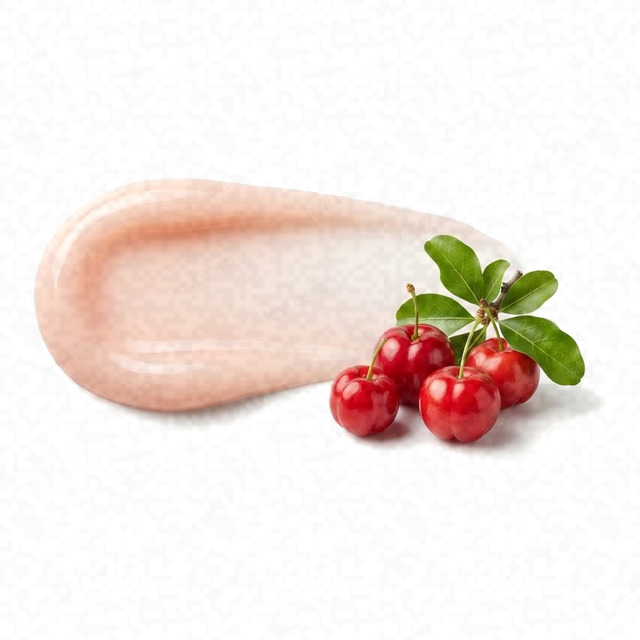 Acerola Seed Extract
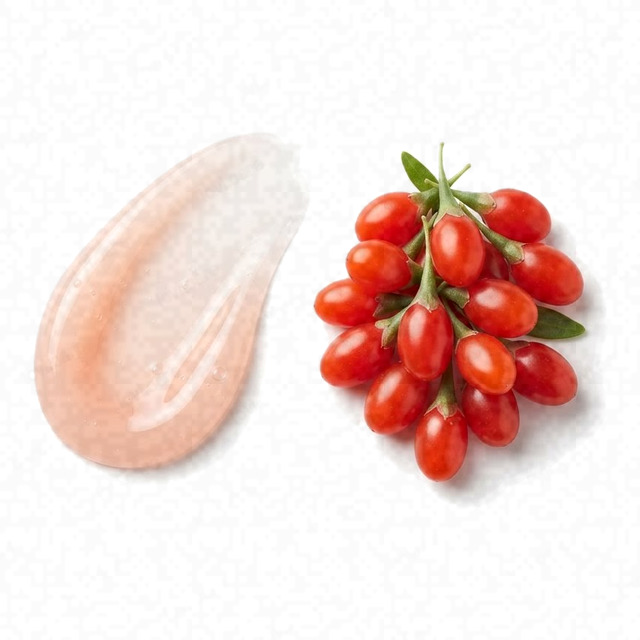 Lycium Barbarum Extract Berry
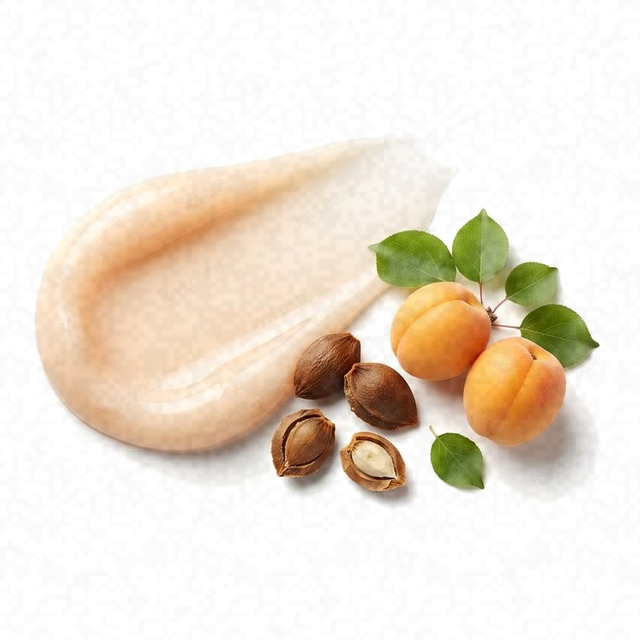 Apricot Kernel Oil
 Sodium Hyaluronate
 Vitamin E
Average
- AverageOily Skin Fit
- AverageEffectiveness
- Low RiskSafety
Works for oily acne-prone skin; other moisturizers fit it better.
This fit is calculated for the concerns frequently associated with oily acne-prone skin: shine, breakouts, blemishes, and enlarged pores. For scores and recommendations based on your full skin profile, including your 12D face scan results and any goals or preferences you have, please use the Lovi app.
Page built Nov 8, 2026How the Fit score works
Lovi Assistant explains
- Offers moderate suitability for your oily skin due to the humectant action of glycerin and sodium hyaluronate, but it lacks sufficient ingredients for strong oil control to address your acne, blemishes, and breakouts.
- While the product provides excellent moisturizing benefits from glycerin and shea butter, these ingredients are mostly supportive and irrelevant for your primary concerns of acne and oiliness.
How to apply
- Use this AM and PM routine every day to help clear your skin. Always remember to finish with SPF in the morning.
- Apply the moisturizer after your cleanser and toner, right before your SPF during the day.
- Gently press a small amount into your skin and avoid rubbing to keep pores clear.
- Apply on clean, slightly damp skin to help the product absorb better and control oil.
- Avoid the sensitive eye area and do a simple patch test before your first use.
People Say
★4.3Overall rating based on 2.3k+ reviewsBased on a very large amount of data, users with dull or fatigued skin frequently praise this cream for its immediate energizing effect, noting that the apricot-tinted formula provides an instant healthy glow. The majority enjoy the firming benefits and uplifting fruity scent. A subset of users with very fair or dry skin report that the orange pigment can appear unnatural or cling to texture.
Highlights
Energizing fruity scent Often Mentioned
- “smells like fresh apricots”
- “uplifting citrus fragrance”
- “scent is energizing”
- “lovely fruity smell”
Instant radiant glow Often Mentioned
- “gives a beautiful glow”
- “skin looks radiant”
- “immediate healthy look”
- “brightens dull complexion”
Silky, non-greasy texture Often Mentioned
- “absorbs very quickly”
- “goes on smoothly”
- “lightweight but hydrating”
- “leaves skin soft”
Visible firming effect Sometimes Noted
- “skin feels tighter”
- “plumps fine lines”
- “face looks rested”
- “improves skin elasticity”
Clings to dry patches Rarely Noted
- “emphasizes dry skin”
- “settles into pores”
- “looks patchy on dryness”
- “highlighted skin texture”
Orange tint issues Rarely Noted
- “looks too orange”
- “stains fair skin”
- “tint is too dark”
- “left an orange cast”
Pilling under makeup Rarely Noted
- “rolls off the skin”
- “balls up under foundation”
- “doesn't layer well”
- “peels off when rubbed”
Strong fragrance Rarely Noted
- “scent is overpowering”
- “too heavily perfumed”
- “fragrance caused irritation”
- “smell lingers too long”
Sources: lovi.care, clarins.co.uk, boots.com, influenster.com, ulta.com, macys.com, and more
Questions and answers
How well does Clarins Extra-Firming Energy work for oily acne-prone skin?
This cream works moderately for oily skin because it provides basic moisture, but it lacks strong oil control ingredients to clear breakouts and blemishes. A moisturizer for this skin type needs lightweight hydrating ingredients and oil-balancing agents that hydrate without clogging pores or adding excess shine.
Which ingredients make this cream a good fit for oily acne-prone skin?
Glycerin and sodium hyaluronate help make this cream a moderate fit for your oily skin by providing hydration. To better suit oily and acne-prone skin, a product of this type needs powerful hydrating and repairing ingredients to address acne and blemishes, effective oil control ingredients, and a lightweight texture with no heavy oils to avoid clogging pores.
What does Acerola Seed Extract do for oily acne-prone skin?
Acerola Seed Extract helps calm oily, acne-prone skin and keeps it smooth by using natural antioxidants to fight irritation. Because this type of skin needs lightweight moisture and ingredients that clear pores, a good product here usually features balancing botanical extracts and gentle clarifying agents.
What does Lycium Barbarum Extract do for oily acne-prone skin?
Lycium Barbarum Extract helps keep oily acne-prone skin calm and clear by providing antioxidants that fight irritation and breakouts. It is unlikely to feel heavy, making it a good fit for everyday care.
Where does this cream go in a skincare routine for oily acne-prone skin?
This cream works as a daytime moisturizer that goes on after your hydrating toner and before your SPF. Because this is an average fit for oily and acne-prone skin, a product of this type needs stronger oil control ingredients and blemish-fighting actives to properly address breakouts and excess shine.
Can I use this cream with retinol, and in what order?
You can use this cream with retinol, and applying it after your retinol helps keep your skin soft and calm while reducing dryness. This type of skin needs a moisturizer with oil-controlling and breakout-clearing ingredients to properly manage acne alongside retinol.
How often should I use this cream?
This cream works for your skin when used daily as part of your morning routine. Oily acne-prone skin needs a product of this type that also includes ingredients for strong oil control to help manage acne, blemishes, and breakouts.
Journal of Cosmetic Dermatology, 2020Health Science Reports, 2021
Can this cream clog pores, cause breakouts or purging for oily acne-prone skin?
This cream is unlikely to cause purging since it does not contain active exfoliating ingredients, but it may lead to breakouts for oily skin because it lacks oil-control ingredients. To better suit acne-prone skin, a moisturizer of this type needs dedicated oil-controlling and blemish-clearing ingredients.
Can I use this cream around the eyes or on my body?
You can use this moisturizing treatment around your eyes and on your body, as its ingredients suit thinner skin areas like the eyelids as well as body skin. Clinical tests on similar moisturizers show they hydrate delicate skin well without causing irritation.
Surgical and Radiologic Anatomy, 2002Clinical, Cosmetic and Investigational Dermatology, 2017
Is this cream fragrance-free and alcohol-free?
It has no drying alcohol and contains fragrance (parfum).
What the research says
A single application of a moisturizing fluid containing hyaluronic acid 1%, glycerin 5%, and Centella asiatica stem cells extract significantly increased skin hydration by 29% and reduced transepidermal water loss at 24 hours compared to baseline and an untreated control site in twenty healthy women.
Clinical, Cosmetic and Investigational Dermatology, 2017Topical application of 5% vitamin C cream significantly improved global clinical scores, increased skin microrelief density, and induced elastic tissue repair in photoaged skin compared to excipient control in healthy female volunteers.
Experimental Dermatology, 2003Ascorbic acid 2-glucoside gel significantly reduced gingival melanin pigmentation after 4 weeks compared to placebo in 73 subjects with symmetric pigmentation.
Journal of Periodontology, 2009Topical treatment with 5% vitamin C and 0.1% madecassoside significantly improved clinical scores for wrinkles, suppleness, firmness, roughness, and skin hydration, along with functional and structural remodeling of the elastic fiber network in 20 female volunteers with photoaged skin after 6 months compared to baseline.
Experimental Dermatology, 2008A combination of five-colored plants (mung bean, white truffle, black truffle, chrysanthemum, and Lycium barbarum) at 0.5% concentration improved fibroblast wound healing by 59.89%, reduced cellular senescence markers by 76.32%, and increased epidermal thickness and collagen levels in an ex vivo skin model compared to a negative control.
Clinical, Cosmetic and Investigational Dermatology, 2025Topical administration of phenolic-containing Lycium barbarum extract decreased ROS levels and matrix metalloproteinase expression while increasing antioxidant defenses, skin collagen content, and barrier proteins, leading to an improvement of UV-induced skin erythema, thickness, and wrinkles in mice.
Photochemistry and Photobiology, 2022Lycium barbarum polysaccharide pretreatment effectively protects HaCaT cells and mouse skin from blue-light-induced oxidative damage, apoptosis, and mitochondrial dysfunction by reducing elevated cellular autophagy and mitophagy levels.
Photochemistry and Photobiology, 2024Topical application of 0.1% hyaluronic acid formulations of different molecular weights led to significant improvements in skin hydration and elasticity, with low-molecular-weight formulations also significantly reducing wrinkle depth in seventy-six female subjects compared to a vehicle control.
Journal of Drugs in Dermatology, 2011Topical application of hyaluronic acid in conjunction with free gingival graft significantly reduced donor site postoperative pain until day 7 compared to normal saline, with no significant differences in graft dimensions or patient satisfaction.
Clinical Oral Investigations, 2022Treatment with a hyaluronic acid-containing mouth rinse or topical gel led to significant lesion reduction, pain relief, and normalization of lesion color in adult patients with minor recurrent aphthous stomatitis, with the gel formulation showing an earlier healing onset at 3 days.
BMC Oral Health, 2019Topical application of an antioxidant serum containing 15% ascorbic acid, 0.5% ferulic acid, and 1% tocopherol prevented particulate matter-induced degradation of extracellular matrix components, inflammation, and oxidative stress in the skin of 15 female volunteers compared to untreated controls.
Journal of Cosmetic Dermatology, 2025Dermatological products containing d-alpha tocopheryl acetate showed non-comedogenic potential with less than a 50% increase in microcomedones in 12 healthy male subjects compared to octyl palmitate.
Contemporary Clinical Trials Communications, 2021Topical application of an antioxidant mix containing 15% ascorbic acid, 0.5% ferulic acid, and 1% tocopherol prevented PM and UV-induced skin barrier perturbation, lipid peroxidation, inflammatory markers, MMP9 activation, and Type I collagen loss in 15 healthy females compared to untreated exposed skin.
Journal of Cosmetic Dermatology, 2024
Why other moisturizers fit oily acne-prone skin better
Co-delivery of paeonol and madecassoside via nanoemulsions improved transdermal delivery, promoted barrier repair proteins, inhibited inflammatory cytokine secretion in cellular and 3D models, and reduced transepidermal water loss and acne in human facial skin compared to free components.
Molecules, 2023A panthenol-enriched mask improved skin hydration, regulated sebum, and reduced redness and TEWL across dry sensitive, oily sensitive, and oily acne skin subgroups with excellent tolerance and no adverse reactions.
Journal of Cosmetic Dermatology, 2024A facial serum containing snail secretion filtrate, Calendula officinalis, and Glycyrrhiza glabra root extract significantly reduced inflammatory acne lesions compared to placebo in 66 participants with mild-to-moderate maskne over 12 weeks.
Journal of Cosmetic Dermatology, 2022
Ingredients
Water, Glycerin, Prunus Armeniaca Kernel Oil Apricot Kernel Oil, Dimethicone, Caprylic Capric Triglyceride, Butyrospermum Parkii Butter Shea Butter, Ci 77891 Titanium Dioxide, Phenyl Trimethicone, Pentaerythrityl Tetraethylhexanoate, Ammonium Acryloyldimethyltaurate Vp Copolymer, Synthetic Fluorphlogopite, Pentaerythrityl Distearate, Pentylene Glycol, Polyglyceryl-10 Myristate, Polyacrylate Crosspolymer-6, Parfum, Butylene Glycol, Sodium Benzoate, Anigozanthos Flavidus Extract, Avena Sativa Kernel Extract Oat Kernel Extract, Disodium Edta, Tocopheryl Acetate, Citric Acid, Sodium Hyaluronate, Dimethiconol, Betaine, Sorbitol, Capsicum Annuum Fruit Extract, Tin Oxide, T-Butyl Alcohol, Marrubium Vulgare Extract, Lycium Barbarum Fruit Extract, Kalanchoe Pinnata Leaf Extract, Balanites Roxburghii Seed Oil, Mitracarpus Scaber Extract, Acerola Seed Extract, Phenethyl Alcohol, Ci 14700 Red 4, Furcellaria Lumbricalis Extract, Helianthus Annuus Seed Oil Sunflower Seed Oil, Potassium Sorbate, Tocopherol, Lapsana Communis Stem Extract Flower Leaf, Maris Sal Sea Salt Sel Marin, Rosmarinus Officinalis Leaf Extract Rosemary Leaf Extract
Behind this fit score
Lovi calculates every fit score from the full ingredient list with brand-independent rules our dermatologists and cosmetic chemists build and review, and personalizes every pick with AI trained on the real results of millions of users. Lovi trains its fit score models on a proprietary dataset built from more than 10,000 expert-labeled products and more than 100,000 simulated examples, following an internally consistent methodology presented at Cosmoprof, AMWC, and Skin of Color Update.
-

Co-founder, Medical Director
Cosmetic chemist, cosmetologist, aesthetic products developer
-

Co-founder, CEO and CTO
PhD in computer science, 3x US patent holder, ex-Google, ex-Yandex
-

Dr. Sofía Perea Pérez, MD, MSc
Medical Board
Aesthetic medicine practitioner, MSc in Longevity and Anti-Aging Medicine
-

Medical Board
Specialist dermatologist, MBBS, MD, IFAAD
-

Medical Board
Cosmetic chemist, SCS, IFSCC member
-

Medical Board, Medical Advisor
Dermatology MD
-

Elina Nazarenko, MD
Medical Board
Dermatology and diagnostic consultant
-

Victoria Derkova, MS
Medical Board
Cosmetic chemist, cosmetic development technologist


How does it fit your skin?
Scan your face, then any product: Lovi shows how well it fits you and what fits even better.