CeraVe Moisturizing Cream for sensitive skin

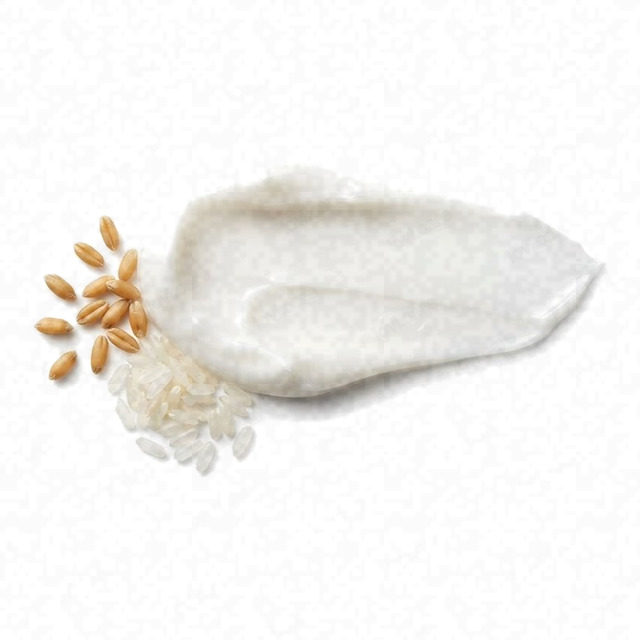 3 Essential Ceramides
 Sodium Hyaluronate
 Glycerin
 Dimethicone
 Cholesterol
High
- AverageNormal Skin Fit
- AverageEffectiveness
- ExcellentSafety
One of the best moisturizers for sensitive skin.
This fit is calculated for the concerns frequently associated with sensitive skin: redness, stinging, and reactions to new products. For scores and recommendations based on your full skin profile, including your 12D face scan results and any goals or preferences you have, please use the Lovi app.
Page built Nov 8, 2026How the Fit score works
Lovi Assistant explains
- This product offers excellent moisturizing for your normal skin, as glycerin and sodium hyaluronate provide hydration and plumpness, while ceramides and glycerin soothe your redness and irritation.
- The formula is safe for your sensitive skin, lacking harsh ingredients and including beneficial components like glycerin and ceramides.
- While it provides good hydration and soothing benefits, it lacks stronger occlusive or emollient ingredients for optimal barrier support on normal skin.
How to apply
- Use this soothing AM and PM routine every day to keep your normal skin calm. Always remember to apply SPF in the morning after your moisturizer.
- Apply your moisturizer after your toner in the morning, and after your serum in the evening. This step locks in hydration and protects your skin.
- Gently press a small amount of the moisturizer evenly across your face. Avoid rubbing to keep your sensitive skin happy and calm.
- You can apply this gentle formula on dry or slightly damp skin for the best comfort. It works wonderfully on clean skin to soothe redness and irritation.
- Do a patch test before your very first use to check your skin's reaction. Avoid getting the product directly into your eyes .
People Say
★4.7Overall rating based on 71.0k+ reviewsA small number of users with acne-prone skin reported breakouts, and some experienced a stinging sensation, particularly on compromised barriers.
Highlights
Deep hydration Mostly Mentioned
- “saved my dry skin”
- “keeps skin soft”
- “long-lasting moisture”
- “healed my cracked hands”
Gentle and soothing Often Mentioned
- “no fragrance”
- “doesn't irritate”
- “calms redness”
Non-greasy texture Often Mentioned
- “absorbs quickly”
- “thick but not sticky”
- “matte finish”
- “doesn't feel oily”
Value and versatility Sometimes Noted
- “huge tub lasts forever”
- “use on face and body”
- “great price point”
- “good for whole family”
Packaging issues Sometimes Noted
- “pump stopped working”
- “tub is unhygienic”
- “broken pump on arrival”
- “hard to get last bit out”
Burning sensation Rarely Noted
- “stung my face”
- “burned upon application”
- “caused a rash”
- “irritated my eyes”
Causes breakouts Rarely Noted
- “caused cystic acne”
- “clogged my pores”
- “gave me whiteheads”
- “too heavy for face”
Texture issues Rarely Noted
- “pills under makeup”
- “feels waxy”
- “too thick to spread”
- “leaves a film”
Sources: lovi.care, amazon.com, walmart.com, target.com, ulta.com, cerave.com, and more
Questions and answers
What makes CeraVe Moisturizing Cream a great fit for sensitive skin?
CeraVe Moisturizing Cream is a great fit because it provides gentle hydration and helps soothe redness and irritation with ingredients like glycerin and ceramides. The formula is safe for sensitive skin as it lacks harsh ingredients.
Which ingredients make this cream a good fit for sensitive skin?
This cream is a great fit for sensitive skin because it includes soothing ceramides and glycerin alongside sodium hyaluronate to calm redness while keeping skin soft and hydrated. Its formula is very safe for this skin type because it leaves out harsh ingredients.
What do Ceramides do for sensitive skin?
Ceramides help calm sensitive skin and make it feel more comfortable by strengthening the outer barrier. Using them regularly may help reduce stinging sensations and keep moisture locked in.
Journal of Cosmetic Dermatology, 2025Archives of Dermatological Research, 2018
What does Hyaluronic Acid do for sensitive skin?
Hyaluronic acid helps calm and hydrate sensitive skin while supporting the skin barrier to keep it soft and comfortable. Clinical studies show it improves surface moisture and reduces dryness, roughness, and redness without irritation.
Journal of Drugs in Dermatology, 2025Journal of Cosmetic Dermatology, 2018
Where does this cream go in a skincare routine for sensitive skin?
This cream goes in the evening routine as the final moisturizing step, and is also suitable for weekly use after your nourishing mask. Ingredients like glycerin and sodium hyaluronate help keep skin hydrated, while ceramides soothe redness and irritation.
The Journal of Dermatological Treatment, 2022Clinical, Cosmetic and Investigational Dermatology, 2017
Can I use this cream with retinol, and in what order?
You can use this cream with retinol by applying the cream after your retinol treatment in the evening. Using a moisturizer with ceramides helps calm redness and supports your skin barrier while you use retinol.
How often should I use this cream?
This cream is a great fit for your sensitive skin, providing excellent hydration and soothing benefits without harsh ingredients. You can safely use it daily in your evening routine as a final step to lock in moisture and keep your skin soft and calm.
Journal of Cosmetic Dermatology, 2020Health Science Reports, 2021
Can this cream clog pores, cause breakouts or purging for sensitive skin?
This cream is unlikely to clog pores or cause breakouts for sensitive skin, as its formula lacks harsh ingredients and is safe for this skin type. Reviewers rarely mention breakouts, and the gentle ingredients help keep skin calm and soft.
Can I use this cream around the eyes or on my body?
You can use this cream safely around your eyes and on your body because its gentle formula provides reliable hydration without harsh ingredients. It helps keep thin eye areas and body skin soft and comfortable.
Is this cream fragrance-free and alcohol-free?
Yes, it has no fragrance and no drying alcohol. Cetearyl alcohol and cetyl alcohol are fatty alcohols, which soften the skin.
What the research says
A single application of a moisturizing fluid containing hyaluronic acid 1%, glycerin 5%, and Centella asiatica stem cells extract significantly increased skin hydration by 29% and reduced transepidermal water loss at 24 hours compared to baseline and an untreated control site in twenty healthy women.
Clinical, Cosmetic and Investigational Dermatology, 2017Topical application of 0.1% hyaluronic acid formulations of different molecular weights led to significant improvements in skin hydration and elasticity, with low-molecular-weight formulations also significantly reducing wrinkle depth in seventy-six female subjects compared to a vehicle control.
Journal of Drugs in Dermatology, 2011Topical application of hyaluronic acid in conjunction with free gingival graft significantly reduced donor site postoperative pain until day 7 compared to normal saline, with no significant differences in graft dimensions or patient satisfaction.
Clinical Oral Investigations, 2022Treatment with a hyaluronic acid-containing mouth rinse or topical gel led to significant lesion reduction, pain relief, and normalization of lesion color in adult patients with minor recurrent aphthous stomatitis, with the gel formulation showing an earlier healing onset at 3 days.
BMC Oral Health, 2019The emollient V0034CR significantly reduced TEWL compared to vehicle and vehicle plus glycerol, and significantly increased corneometry scores compared to vehicle and vehicle plus petrolatum in healthy volunteers with dry skin, demonstrating combined barrier function improvement from petrolatum and hydration improvement from glycerol.
Journal of Cosmetic Dermatology, 2020Ten days of treatment with a cream containing 20% glycerin significantly increased skin hydration measured by corneometer values in 17 healthy volunteers compared to a placebo cream, but showed no influence on transepidermal water loss or skin sensitivity to an irritating surfactant.
International Journal of Cosmetic Science, 2001Niacinamide/glycerin body moisturizers provided better rapid and prolonged improvement of cosmetic xerosis through functional improvement of stratum corneum barrier function compared to no treatment and conventional moisturizers in female subjects.
Journal of Drugs in Dermatology, 2012Wearing an N95 mask alone compared to using dimethicone cream or hydrocolloid dressing caused more adverse skin reactions among 73 military health care workers, with no significant differences in fit test failure rates between groups.
Military Medicine, 2024A dimethicone skin protectant lotion significantly decreased visual scoring and transepidermal water loss compared to vehicle control and SLS-only treated sites in 12 healthy humans exposed to sodium lauryl sulfate.
Skin Research and Technology, 2000Treatment with a moisturizer containing dimethicone and glycerine increased epidermal thickness by 0.019 mm, improved barrier function by decreasing transepidermal water loss by 13%, decreased melanin intensity, and induced keratins 6 and 16 in fifteen women with moderately photoaged forearms.
Clinical and Experimental Dermatology, 2007Botulinum toxin-A encapsulated in phosphatidylcholine/cholesterol nanoliposomes delivered transdermally achieved a diffusion depth of 380 μm and showed a nonsignificant advantage in relieving post-acne scarring compared to hyaluronic acid hydrogel treatment in 12 facial patients.
Journal of Materials Science. Materials in Medicine, 2024Topical application of cholesterol sulfate increases stratum corneum thickness and inhibits protease-induced cell dissociation by competitively inhibiting serine proteases in mice and human stratum corneum.
The Journal of Investigative Dermatology, 1998Topical lovastatin treatment impairs the recovery of cutaneous permeability barrier function and stratum corneum cholesterol levels after acetone disruption in mice, an effect normalized by simultaneous treatment with mevalonate or cholesterol.
The Journal of Clinical Investigation, 1990
Ingredients
Water, Glycerin, Cetearyl Alcohol, Caprylic Capric Triglyceride, Cetyl Alcohol, Ceteareth-20, Petrolatum, Dimethicone, Behentrimonium Methosulfate, Potassium Phosphate, Ceramide Np, Ceramide Ap, Ceramide Eop, Carbomer, Sodium Lauroyl Lactylate, Sodium Hyaluronate, Cholesterol, Phenoxyethanol, Disodium Edta, Dipotassium Phosphate, Tocopherol, Phytosphingosine, Xanthan Gum, Ethylhexylglycerin
Behind this fit score
Lovi calculates every fit score from the full ingredient list with brand-independent rules our dermatologists and cosmetic chemists build and review, and personalizes every pick with AI trained on the real results of millions of users. Lovi trains its fit score models on a proprietary dataset built from more than 10,000 expert-labeled products and more than 100,000 simulated examples, following an internally consistent methodology presented at Cosmoprof, AMWC, and Skin of Color Update.
-

Co-founder, Medical Director
Cosmetic chemist, cosmetologist, aesthetic products developer
-

Co-founder, CEO and CTO
PhD in computer science, 3x US patent holder, ex-Google, ex-Yandex
-

Dr. Sofía Perea Pérez, MD, MSc
Medical Board
Aesthetic medicine practitioner, MSc in Longevity and Anti-Aging Medicine
-

Medical Board
Specialist dermatologist, MBBS, MD, IFAAD
-

Medical Board
Cosmetic chemist, SCS, IFSCC member
-

Medical Board, Medical Advisor
Dermatology MD
-

Elina Nazarenko, MD
Medical Board
Dermatology and diagnostic consultant
-

Victoria Derkova, MS
Medical Board
Cosmetic chemist, cosmetic development technologist


How does it fit your skin?
Scan your face, then any product: Lovi shows how well it fits you and what fits even better.