Biologique Recherche Crème Dermopurifiante for oily acne-prone skin

 Niacinamide
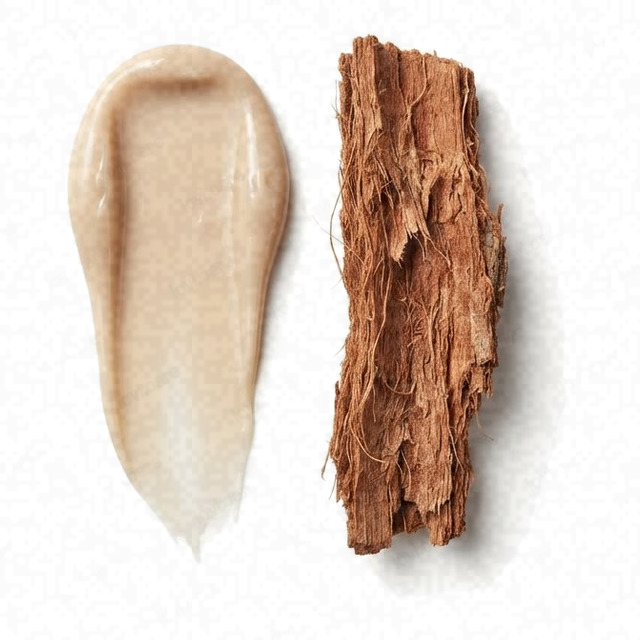 Mimosa Tenuiflora Extract
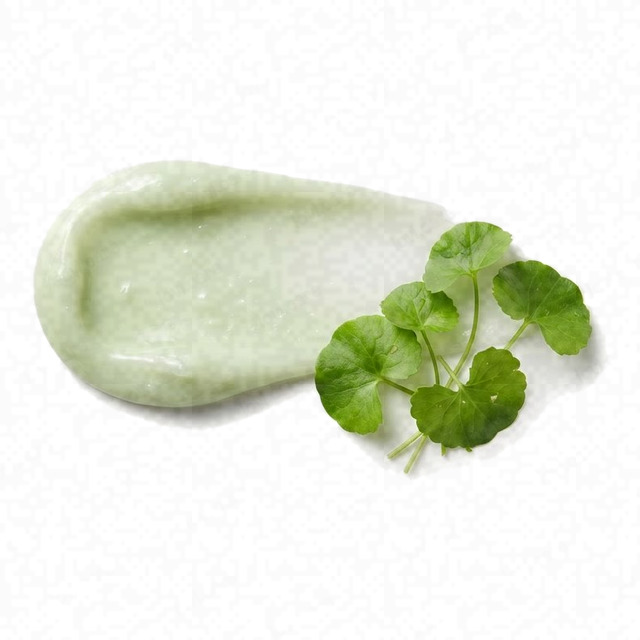 Centella Asiatica Extract
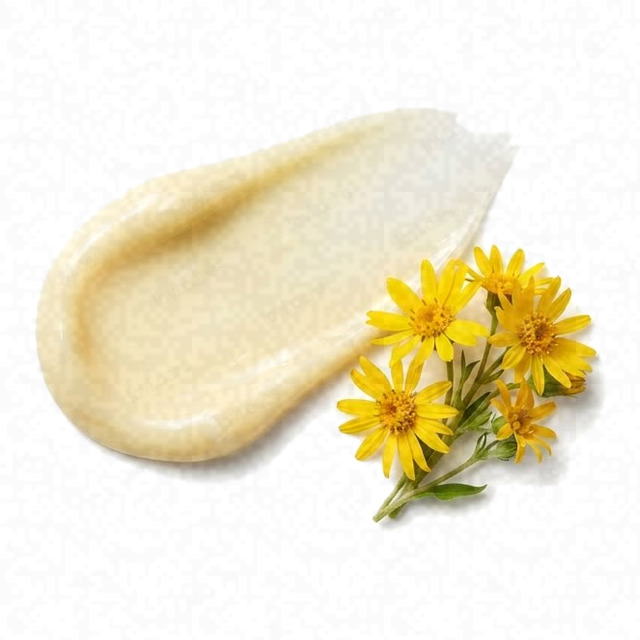 Arnica Montana Extract
 Salicylic Acid
Average
- HighOily Skin Fit
- AverageEffectiveness
- HighSafety
Works for oily acne-prone skin; other serums fit it better.
This fit is calculated for the concerns frequently associated with oily acne-prone skin: shine, breakouts, blemishes, and enlarged pores. For scores and recommendations based on your full skin profile, including your 12D face scan results and any goals or preferences you have, please use the Lovi app.
Page built Nov 8, 2026How the Fit score works
Lovi Assistant explains
- This product offers moderate benefits for your oily and acne-prone skin, with niacinamide and Enantia Chlorantha Bark Extract helping to regulate sebum and reduce inflammation. Glycerin and other botanical extracts provide general hydration and soothing effects, which are supportive for acne-prone skin.
- While the formula is well-suited for oily skin and addresses some concerns, it lacks specialized ingredients to directly target and eliminate acne and breakouts.
- The product is safe for your oily skin, as it contains no harsh or prohibited ingredients that would cause irritation.
How to apply
- Could be used as part of your PM routine. Start 3 times a week and build up to daily use if your skin tolerates it well.
- Apply your serum after cleansing and toning, but before putting on your moisturizer.
- Gently press 2 to 3 drops of the serum into your skin and let it absorb for a minute.
- Apply the serum on clean, dry skin to help manage your blemishes safely.
- Do a patch test before your first use and avoid the delicate eye area.
People Say
★4.7Overall rating based on 500+ reviewsUsers with oily, acne-prone, and congested skin frequently report that this cream effectively regulates sebum and clears breakouts without causing dryness. The distinct, often-mentioned yeasty scent is a common drawback, but the majority of users find the balancing, purifying, and redness-reducing benefits outweigh this sensory aspect.
Highlights
Clears acne Mostly Mentioned
- “minimizes breakouts”
- “clears congestion”
- “eliminates blackheads”
- “prevents future acne”
Unpleasant scent Mostly Mentioned
- “smells like fish food”
- “yeasty/fermented smell”
- “funky fragrance”
- “earthy scent”
Balances oil production Often Mentioned
- “controls excess oil”
- “regulates sebum”
- “mattifies without drying”
- “skin feels balanced”
High price Often Mentioned
- “expensive”
- “pricey splurge”
- “investment product”
- “costly”
Hydrates without greasiness Sometimes Noted
- “lightweight hydration”
- “non-greasy finish”
- “absorbs well”
- “perfect makeup base”
Refines texture Sometimes Noted
- “shrinks enlarged pores”
- “refines skin texture”
- “smooths skin”
- “improves clarity”
Soothes redness Sometimes Noted
- “calms inflammation”
- “reduces redness”
- “soothes reactive skin”
- “even complexion”
Initial reaction Rarely Noted
- “skin turns red initially”
- “purging period”
- “tingling sensation”
Reformulation concerns Rarely Noted
- “less effective new formula”
- “not as hydrating”
- “preferred old version”
Texture issues Rarely Noted
- “brown/yellow color”
- “old fashioned texture”
- “feels heavy initially”
- “sticky finish”
Sources: lovi.care, shoprescuespa.com, paullabrecque.com, loshen.com, aidabicaj.com, reddit.com, and more
Questions and answers
How well does Biologique Recherche Crème Dermopurifiante work for oily acne-prone skin?
This product works moderately well for oily and acne-prone skin, helping to calm inflammation and control oil with ingredients like niacinamide, though it lacks specialized components to directly clear breakouts. Products that fit this skin best need powerful breakout-fighting ingredients like benzoyl peroxide or targeted blemish treatments combined with soothing extracts and lightweight hydrators to keep skin clear and comfortable.
Which ingredients make this cream a good fit for oily acne-prone skin?
Niacinamide and Enantia Chlorantha bark extract help regulate oil and soothe your skin, while glycerin and botanical extracts provide light hydration. A product of this type needs specialized ingredients like benzoyl peroxide or targeted blemish-fighting actives, alongside soothing extracts, to effectively clear breakouts and care for oily skin.
What does Niacinamide do for oily acne-prone skin?
Niacinamide helps balance oil production, calms redness, and is unlikely to irritate oily, acne-prone skin while improving blemishes. Clinical tests show it reduces excess oil and helps clear up both inflammatory and non-inflammatory acne breakouts.
Journal of Cosmetic and Laser Therapy, 2006Journal of Cosmetic Dermatology, 2024
What does Mimosa Tenuiflora Extract do for oily acne-prone skin?
Mimosa Tenuiflora Extract helps calm oily, acne-prone skin and supports skin repair after breakouts. This plant extract is lightweight and unlikely to clog pores while soothing redness.
Where does this cream go in a skincare routine for oily acne-prone skin?
This treatment goes in your evening routine after cleansing and toning, and before moisturizing. Oily acne-prone skin needs products of this type with strong acne-clearing ingredients like salicylic acid or benzoyl peroxide to directly target and clear breakouts.
Can I use this cream with retinol, and in what order?
You can use this treatment alongside retinol by applying the retinol first at night, followed by this cream to help soothe your skin. This product works well for oily skin, but to properly target and clear breakouts, oily acne-prone skin needs specialized blemish-fighting ingredients like retinoids or benzoyl peroxide.
Journal of Cosmetic Dermatology, 2024American Family Physician, 2012
How often should I use this cream?
This treatment is typically used in the evening once a week to start, and people who tolerate it well may carefully use it more often. It is safe for oily skin, but a product of this type needs specialized acne-fighting ingredients like salicylic acid and retinoids to effectively clear breakouts.
Can this cream clog pores, cause breakouts or purging for oily acne-prone skin?
This cream is unlikely to clog pores or cause purging on oily and acne-prone skin, as it has a safe makeup that avoids harsh or irritating ingredients. However, because it lacks specialized ingredients to directly target and clear up breakouts, oily and acne-prone skin needs formulas with targeted blemish-fighting ingredients and oil-controlling elements to properly keep pores clear.
Is this cream fragrance-free and alcohol-free?
Yes, it has no fragrance and no drying alcohol. Cetyl alcohol is a fatty alcohol, which soften the skin.
What the research says
A single application of a moisturizing fluid containing hyaluronic acid 1%, glycerin 5%, and Centella asiatica stem cells extract significantly increased skin hydration by 29% and reduced transepidermal water loss at 24 hours compared to baseline and an untreated control site in twenty healthy women.
Clinical, Cosmetic and Investigational Dermatology, 2017Topical post-laser application of human adipocyte-derived mesenchymal stem cell media combined with niacinamide significantly improved wrinkle index, melanin index, patient satisfaction, and investigator esthetic improvement scores compared to vehicle cream in patients with aging skin.
Journal of Cosmetic Dermatology, 2021Topical nicotinamide prevented solar-simulated UV-induced immunosuppression in healthy volunteers, and men experienced immunosuppression at solar-simulated UV doses three times lower than those required for women.
The Journal of Investigative Dermatology, 2008Topical 5% niacinamide applied twice daily for 12 weeks reduced fine lines and wrinkles, hyperpigmented spots, red blotchiness, and skin sallowness, and improved skin elasticity compared to vehicle control in 50 female white subjects with facial photoaging.
Dermatologic Surgery, 2005Chitosan/Mimosa tenuiflora bio-composite films exhibited improved thermal stability, increased water-uptake ability, antibacterial properties against Escherichia Coli and Micrococcus, and were non-toxic in cytotoxicity assays.
International Journal of Biological Macromolecules, 2016Arabinogalactan-enriched fractions isolated from Mimosa tenuiflora bark significantly stimulated mitochondrial activity and proliferation in human primary dermal fibroblasts while having minor influence on HaCaT keratinocytes.
Journal of Ethnopharmacology, 2009Topical application of 0.05% w/w ECa 233 gel reduced erythema index by 0.03 U and improved early crusting and general wound appearance compared to placebo in thirty individuals undergoing facial laser resurfacing.
Journal of Alternative and Complementary Medicine, 2020Moisturizer containing 5% panthenol, madecassoside, and copper-zinc-manganese decreased adverse reactions and downtime after ablative fractional carbon dioxide laser resurfacing with comparable efficacy to 0.02% triamcinolone acetonide cream in 20 subjects.
Journal of Cosmetic Dermatology, 2019Topical treatment with 5% vitamin C and 0.1% madecassoside significantly improved clinical scores for wrinkles, suppleness, firmness, roughness, and skin hydration, along with functional and structural remodeling of the elastic fiber network in 20 female volunteers with photoaged skin after 6 months compared to baseline.
Experimental Dermatology, 2008Gels containing 1% Arnica montana L. flower extract successfully enhanced the volume of the lips and face with a reduction of wrinkles in humans.
International Journal of Cosmetic Science, 2023Topical application of Arnica montana ointment reduced the inflammatory response and oxidative damage in mice exposed to UVB radiation compared to untreated UVB-exposed skin.
Cutaneous and Ocular Toxicology, 2020The protocol combining microcurrent with topical Arnica montana reduces inflammation, increases myofibroblast proliferation, and decreases macrophage presence in rats with skin lesions compared to controls.
International Journal of Experimental Pathology, 2023Cryotherapy with liquid nitrogen achieved a higher cure rate (39%) than salicylic acid (24%) and a wait-and-see approach (16%) for cutaneous warts at 13 weeks in primary care patients.
CMAJ, 2010A moisturizer containing licochalcone A, 1,2-decanediol, L-carnitine, and salicylic acid significantly reduced noninflammatory, inflammatory, and total acne lesion counts compared to a vehicle control in Thai patients during a 12-week maintenance phase.
BioMed Research International, 2020Treatment with 2% supramolecular salicylic acid hydrogel resulted in a regression and markedly improvement rate of 51.01% compared to 43.10% for Adapaline gel in patients with mild to moderate facial acne vulgaris, showing no significant difference in efficacy.
Journal of Cosmetic Dermatology, 2024
Why other serums fit oily acne-prone skin better
Adapalene 0.1%-benzoyl peroxide 2.5% fixed-dose combination gel provided significantly greater, synergistic efficacy and a faster onset of action compared with the vehicle, adapalene monotherapy, and benzoyl peroxide monotherapy in patients with acne vulgaris.
The British Journal of Dermatology, 2009Topical benzoyl peroxide 5% gel treatment improved acne severity, sebum, stratum corneum hydration, and transepidermal water loss, while significantly reducing microbial diversity and the prevalence of Cutibacterium in 33 patients with acne vulgaris.
Dermatologic Therapy, 2022A cream combining propolis, tea tree oil, and Aloe vera reduced erythema scars, acne severity index, and total lesion count better than erythromycin cream in sixty patients with mild to moderate acne vulgaris compared to placebo.
Clinical Pharmacology, 2018
Ingredients
Water, Propylene Glycol, Glycerin, Dicaprylyl Carbonate, Butylene Glycol, Sucrose Polystearate, C10-18 Triglycerides, Cetyl Alcohol, 1,2-Hexanediol, Niacinamide, Polyamide-5, Arctium Lappa Root Extract, Betula Alba Bark Extract, Enantia Chlorantha Bark Extract Moambe Jaune Bark Extract, Equisetum Arvense Extract, Mimosa Tenuiflora Bark Extract Acacia Decurrens Bark Extract, Hedera Helix Stem Extract Leaf, Fucus Vesiculosus Extract, Centella Asiatica Extract, Spiraea Ulmaria Extract, Arnica Montana Flower Extract, Rosa Canina Fruit Extract, Achillea Millefolium Extract Common Yarrow Extract, Aesculus Hippocastanum Seed Extract, Lavandula Angustifolia Flower Extract Lavender Flower Extract, Thymus Vulgaris Extract, Myrtus Communis Extract, Onion Bulb Extract, Commiphora Myrrha Extract Resin, Oleanolic Acid, Glycine Soja Oil Soybean Oil, Yeast Extract, Citric Acid, Tocopherol, Sodium Stearoyl Glutamate, Hydrogenated Polyisobutene, Polyacrylate Crosspolymer-6, Caprylyl Glycol, Phenoxyethanol, Sodium Benzoate, Potassium Sorbate, Sorbic Acid
Behind this fit score
Lovi calculates every fit score from the full ingredient list with brand-independent rules our dermatologists and cosmetic chemists build and review, and personalizes every pick with AI trained on the real results of millions of users. Lovi trains its fit score models on a proprietary dataset built from more than 10,000 expert-labeled products and more than 100,000 simulated examples, following an internally consistent methodology presented at Cosmoprof, AMWC, and Skin of Color Update.
-

Co-founder, Medical Director
Cosmetic chemist, cosmetologist, aesthetic products developer
-

Co-founder, CEO and CTO
PhD in computer science, 3x US patent holder, ex-Google, ex-Yandex
-

Dr. Sofía Perea Pérez, MD, MSc
Medical Board
Aesthetic medicine practitioner, MSc in Longevity and Anti-Aging Medicine
-

Medical Board
Specialist dermatologist, MBBS, MD, IFAAD
-

Medical Board
Cosmetic chemist, SCS, IFSCC member
-

Medical Board, Medical Advisor
Dermatology MD
-

Elina Nazarenko, MD
Medical Board
Dermatology and diagnostic consultant
-

Victoria Derkova, MS
Medical Board
Cosmetic chemist, cosmetic development technologist


How does it fit your skin?
Scan your face, then any product: Lovi shows how well it fits you and what fits even better.