True Botanicals Vitamin C Booster for dry sensitive skin

 Ascorbic Acid
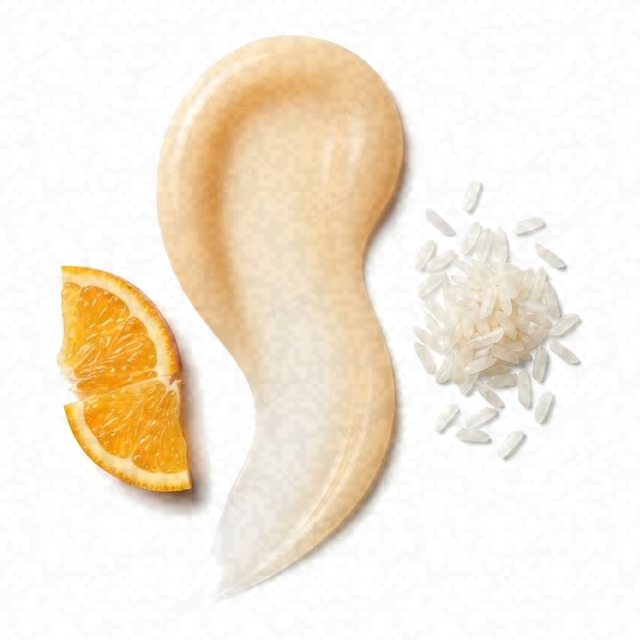 Ferulic Acid
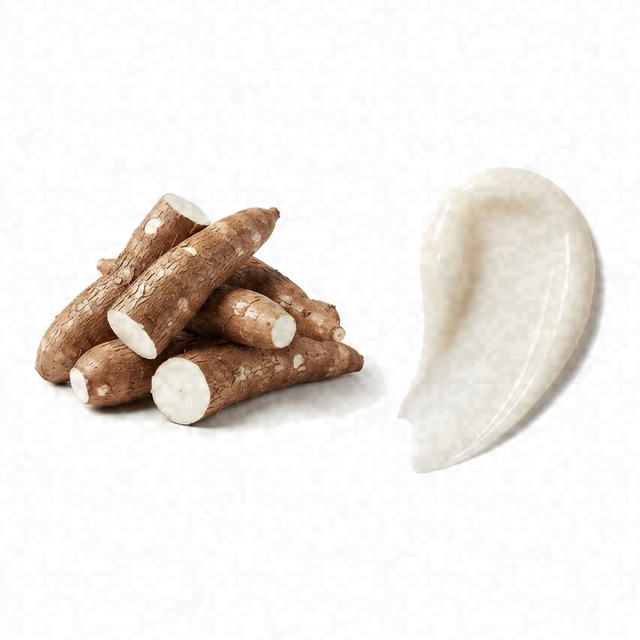 Tapioca Starch
- I-Ascorbic Acid
 Botanicals
Average
- AverageDry Skin Fit
- AverageEffectiveness
- Low RiskSafety
Works for dry sensitive skin; other serums fit it better.
This fit is calculated for the concerns frequently associated with dry sensitive skin: flakiness, tightness, redness, fine lines, and wrinkles. For scores and recommendations based on your full skin profile, including your 12D face scan results and any goals or preferences you have, please use the Lovi app.
Page built Nov 8, 2026How the Fit score works
Lovi Assistant explains
- Offers moderate brightening for your dry and sensitive skin as ascorbic acid and ferulic acid provide antioxidant benefits, though these ingredients may also pose a slight irritation risk.
- The formula provides general skincare benefits and hydration, but lacks sufficient emollient and humectant ingredients to fully address your dry or flaky skin.
- The product is generally safe for your skin, with minimal concerns regarding irritation from ascorbic acid.
How to apply
- Use this PM routine for your evening skincare. Start using the serum 3 times a week and increase to daily use if your skin feels comfortable.
- Apply the serum after cleansing and toner, but right before your moisturizer. This step locks in deep hydration for dry skin.
- Gently press 2-3 drops of the serum into your skin using your palms. Let it absorb completely for a minute ⏱ before applying your next product.
- Since your skin is sensitive, apply the serum on completely dry skin for better tolerance and less irritation.
- Avoid the sensitive eye area during application. Always do a patch test before your first use to ensure your skin reacts well.
Questions and answers
How well does True Botanicals Vitamin C Booster work for dry sensitive skin?
True Botanicals Vitamin C Booster works reasonably well for dry sensitive skin by offering brightening and antioxidant benefits, though it may also pose a slight irritation risk. The formula lacks enough moisturizing and softening ingredients to fully address dry or flaky skin. A product of this type needs richer hydrating and nourishing components to keep dry skin comfortable and smooth without any risk of irritation.
Journal of Cosmetic Dermatology, 2020Journal of the American Academy of Dermatology, 2008
Which ingredients make this treatment a good fit for dry sensitive skin?
Ascorbic acid and ferulic acid make this treatment a fit by offering brightening and protection, though they may also pose a slight irritation risk to dry sensitive skin. A product of this type needs rich hydrating and nourishing ingredients, such as ceramides, to lock in moisture and fully support this skin type.
Journal of Cosmetic Dermatology, 2020Journal of the American Academy of Dermatology, 2008
What does Vitamin C do for dry sensitive skin?
Vitamin C helps brighten and smooth dry sensitive skin while reducing wrinkles and improving elasticity. It is generally well tolerated and unlikely to cause irritation when properly formulated, leaving the skin looking more radiant.
What does Ferulic Acid do for dry sensitive skin?
Ferulic acid helps calm dry sensitive skin by reducing irritation and offering strong antioxidant protection against daily environmental damage. This type of skin needs gentle soothing ingredients and barrier-supporting hydrators to stay soft and calm.
Journal of Cosmetic Dermatology, 2008Journal of Cosmetic Dermatology, 2025
Where does this treatment go in a skincare routine for dry sensitive skin?
This treatment goes in the evening routine once a week to start, as active serums are best used then for extra safety and simplicity around sun exposure. Because your skin is dry and sensitive, this product needs rich softening and moisture-locking ingredients to truly comfort flaky areas.
Can I use this treatment with retinol, and in what order?
You can use this treatment with retinol by applying the treatment in your evening routine before your moisturizer and using your retinol on alternate nights to help prevent irritation. This type of product needs extra moisturizing ingredients to fully address dry or flaky skin.
How often should I use this treatment?
You can use this treatment in the evening once a week to start, as ascorbic acid and ferulic acid may pose a slight irritation risk to your dry sensitive skin. This type of product needs extra rich smoothing and moisture-locking ingredients to keep your skin soft and comfortable.
Journal of the American Academy of Dermatology, 2008Journal of Cosmetic Dermatology, 2020
Can this treatment clog pores, cause breakouts or purging for dry sensitive skin?
This treatment is unlikely to clog pores, cause breakouts, or lead to purging on dry sensitive skin. Its powder-based formula with tapioca starch and antioxidants does not typically trigger blemishes, though it may occasionally cause mild irritation.
What the research says
A topical serum containing vitamin C, vitamin E, and raspberry leaf cell culture extract improved skin color, elasticity, radiance, smoothness, scaliness, and wrinkles compared to the untreated contralateral side in fifty female volunteers.
Journal of Cosmetic Dermatology, 2020A topical antioxidant solution of 15% L-ascorbic acid, 1% alpha-tocopherol, and 0.5% ferulic acid provides significant photoprotection against solar-simulated UV radiation in human skin compared to its vehicle.
Journal of the American Academy of Dermatology, 2008Pretreatment with a topical antioxidant mixture of vitamin C, ferulic acid, and phloretin attenuated ultraviolet-induced sunburn cell formation, thymine dimer formation, matrix metalloproteinase-9 expression, p53 protein expression, and the suppression of CD1a-expressing Langerhans cells in human skin compared to vehicle control.
Journal of Cosmetic Dermatology, 2008Topical application of 5% vitamin C cream significantly improved global clinical scores, increased skin microrelief density, and induced elastic tissue repair in photoaged skin compared to excipient control in healthy female volunteers.
Experimental Dermatology, 2003Ascorbic acid 2-glucoside gel significantly reduced gingival melanin pigmentation after 4 weeks compared to placebo in 73 subjects with symmetric pigmentation.
Journal of Periodontology, 2009Topical application of VC-IP cream twice daily for 8 weeks reduces periorbital wrinkles in female subjects compared to a placebo cream.
Journal of Cosmetic Dermatology, 2022Treatment with 14% ferulic acid and 12% l-ascorbic acid significantly reduced pigmentation and erythema while improving hydration and elasticity in 20 women with photoaged skin, with neither acid proving definitively more effective overall though ascorbic acid showed slightly greater skin lightening.
Dermatologic Therapy, 2022Combining fractional microneedle radiofrequency with a topical antioxidant serum significantly reduced wrinkle severity by 29.9% versus 18.0%, increased elasticity by 12.9% versus 2.3%, and improved aesthetic outcomes in 31 participants compared to radiofrequency and placebo.
The Journal of Dermatological Treatment, 2025Topical ferulic acid-containing formulations effectively reduce skin erythema, hyperpigmentation, and signs of aging in adults compared to baseline or alternative conditions.
The Journal of Clinical and Aesthetic Dermatology, 2025
Why other serums fit dry sensitive skin better
A formulation containing glycerol (5%) and xylitol (5%) applied twice daily for 14 days increased skin hydration, filaggrin protein quantity, interdigitation index, and biomechanical properties, and decreased transepidermal water loss compared to untreated and vehicle-treated skin in twelve volunteers with dry skin.
Acta Dermato-venereologica, 2017Glycerol accelerates barrier repair and improves stratum corneum hydration compared to untreated and base-treated sites.
Acta Dermato-venereologica, 1999In 50 participants with sensitive skin, a Ceramide NP C15-containing emollient improved skin barrier function with a significant reduction in transepidermal water loss and induced modest changes in skin microbiota compared to the vehicle.
Skin Pharmacology and Physiology, 2026
Ingredients
Tapioca Starch, Ascorbic Acid, Ferulic Acid
Behind this fit score
Lovi calculates every fit score from the full ingredient list with brand-independent rules our dermatologists and cosmetic chemists build and review, and personalizes every pick with AI trained on the real results of millions of users. Lovi trains its fit score models on a proprietary dataset built from more than 10,000 expert-labeled products and more than 100,000 simulated examples, following an internally consistent methodology presented at Cosmoprof, AMWC, and Skin of Color Update.
-

Co-founder, Medical Director
Cosmetic chemist, cosmetologist, aesthetic products developer
-

Co-founder, CEO and CTO
PhD in computer science, 3x US patent holder, ex-Google, ex-Yandex
-

Dr. Sofía Perea Pérez, MD, MSc
Medical Board
Aesthetic medicine practitioner, MSc in Longevity and Anti-Aging Medicine
-

Medical Board
Specialist dermatologist, MBBS, MD, IFAAD
-

Medical Board
Cosmetic chemist, SCS, IFSCC member
-

Medical Board, Medical Advisor
Dermatology MD
-

Elina Nazarenko, MD
Medical Board
Dermatology and diagnostic consultant
-

Victoria Derkova, MS
Medical Board
Cosmetic chemist, cosmetic development technologist


How does it fit your skin?
Scan your face, then any product: Lovi shows how well it fits you and what fits even better.