Tower 28 SOS (Save Our Skin) for acne-prone skin

 Hypochlorous Acid
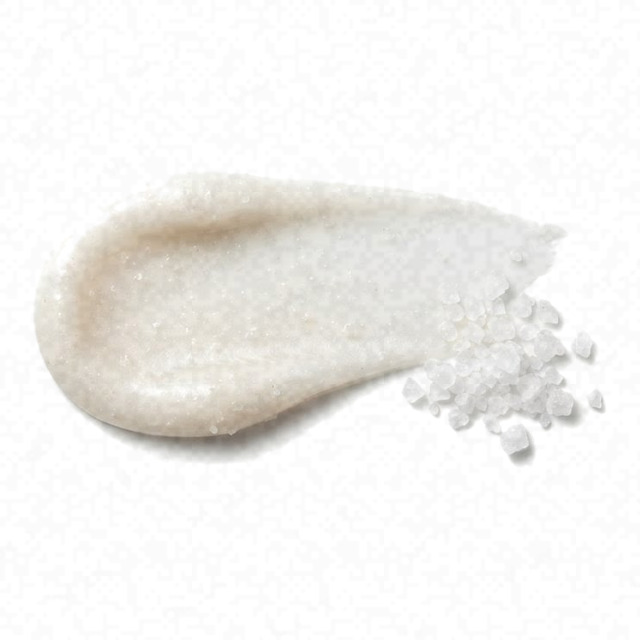 Sodium Chloride
 Aloe Barbadensis Leaf Juice
 Glycerin
High
- HighCombination Skin Fit
- HighEffectiveness
- HighSafety
A great choice for acne-prone skin; a few serums fit it even better.
This fit is calculated for the concerns frequently associated with acne-prone skin: breakouts, blackheads, and post-acne marks. For scores and recommendations based on your full skin profile, including your 12D face scan results and any goals or preferences you have, please use the Lovi app.
Page built Nov 8, 2026How the Fit score works
Lovi Assistant explains
- Highly suitable for your combination skin, hypochlorous acid effectively targets acne lesions with its antimicrobial and anti-inflammatory properties, while glycerin provides essential hydration.
- The formula is safe for your acne-prone skin, as it contains no harsh or prohibited ingredients that could cause irritation.
- This product offers moderate benefits for your acne and blemishes by reducing inflammation and lesions.
How to apply
- Use your serum as part of your PM routine and start 3x/week before working up to daily use.
- Apply this treatment after cleansing and toner, and before your moisturizer.
- Gently press 2-3 drops of the serum into your skin and let it absorb for a minute.
- Apply the product on clean, dry skin to help manage your breakouts safely.
- Avoid the eye area and do a patch test before your first use.
People Say
★4.7Overall rating based on 6.0k+ reviewsThe hypochlorous acid formula is widely celebrated for reducing redness and irritation without stinging, though some users find the "pool water" scent and price point to be drawbacks.
Highlights
Clears acne/breakouts Mostly Mentioned
- “Cleared my fungal acne”
- “Prevented breakouts after the gym”
- “Saved my skin from maskne”
- “Shrunk my active pimples overnight”
Soothes redness/irritation Mostly Mentioned
- “Took the heat out of my sunburn”
- “Redness vanished within minutes”
Gentle on sensitive skin Often Mentioned
- “No stinging on open wounds”
- “The only thing my sensitive skin tolerates”
- “Doesn't burn like other toners”
Refreshing and lightweight Often Mentioned
- “Feels like refreshing water”
- “Super fine mist”
- “Great cooling sensation”
- “Leaves no sticky residue”
Chlorine/pool scent Often Mentioned
- “Smells like pool water”
- “Has a strong bleach scent”
- “Smells like a swimming pool”
- “Scent is medicinal but fades”
Expensive for ingredients Sometimes Noted
- “Expensive salt water”
- “Overpriced for the size”
- “Can buy cheaper generic versions”
Drying effect Rarely Noted
- “Made my dry skin tighter”
- “Felt a bit stripping”
- “Left my face feeling parched”
- “Too drying for winter use”
Packaging/nozzle issues Rarely Noted
- “Nozzle started leaking”
- “Sprayer shoots a stream, not a mist”
- “Bottle broke in my bag”
- “Pump stopped working halfway through”
Sources: lovi.care, sephora.com, amazon.com, influenster.com, tower28beauty.com, reddit.com, and more
Questions and answers
What makes Tower 28 SOS Daily Rescue Facial Spray a great fit for acne-prone skin?
Tower 28 SOS Daily Rescue Facial Spray is a great fit because hypochlorous acid targets acne lesions to calm redness while glycerin keeps your skin soft and hydrated. The formula is also safe for acne-prone skin as it contains no harsh ingredients that may cause irritation.
Which ingredients make this spray a good fit for acne-prone skin?
Hypochlorous acid helps clear acne-prone skin by targeting breakouts and calming redness, while glycerin keeps your skin soft with essential moisture. These ingredients provide gentle care without harsh additives that may cause irritation.
What does Hypochlorous Acid do for acne-prone skin?
Hypochlorous acid helps clear acne-prone skin by reducing bumps and targeting bacteria that can cause breakouts. This type of product works best when it contains soothing ingredients to keep skin calm and balanced.
Dermatology Practical & Conceptual, 2021Annals of Plastic Surgery, 2019
What does Sodium Chloride do for acne-prone skin?
Sodium chloride alters the outer skin barrier by temporarily increasing water loss and hydration. This type of ingredient may help exfoliate surface layers, but acne-prone skin needs gentle, non-irritating ingredients that soothe redness and clear pores without disrupting the barrier.
Where does this spray go in a skincare routine for acne-prone skin?
This treatment goes in the evening routine after cleansing and before moisturizing, or as part of your weekly routine. It is a great fit for your acne-prone skin because hypochlorous acid helps calm redness and tackle breakouts without causing irritation, while glycerin keeps your skin hydrated.
Can I use this spray with retinol, and in what order?
This treatment is a great fit for your acne-prone skin because Hypochlorous Acid calms redness while glycerin keeps skin hydrated without irritation. You can use it alongside retinol by applying the treatment in your routine when your skin needs soothing, making sure to avoid layering harsh active ingredients directly together to prevent any discomfort.
How often should I use this spray?
This treatment is great for your acne-prone skin and fits into your evening routine. You may use it daily as it is safe and gentle, helping to calm redness and clear up blemishes.
Can this spray clog pores, cause breakouts or purging for acne-prone skin?
This spray is unlikely to clog pores or cause breakouts because its formula contains no harsh or heavy ingredients that irritate acne-prone skin. It uses hypochlorous acid and glycerin to help calm redness and maintain hydration without triggering new blemishes.
Is this spray fragrance-free and alcohol-free?
Yes, it has no fragrance and no drying alcohol.
What the research says
A single application of a moisturizing fluid containing hyaluronic acid 1%, glycerin 5%, and Centella asiatica stem cells extract significantly increased skin hydration by 29% and reduced transepidermal water loss at 24 hours compared to baseline and an untreated control site in twenty healthy women.
Clinical, Cosmetic and Investigational Dermatology, 2017A cream combining propolis, tea tree oil, and Aloe vera reduced erythema scars, acne severity index, and total lesion count better than erythromycin cream in sixty patients with mild to moderate acne vulgaris compared to placebo.
Clinical Pharmacology, 2018Topical 0.01% hypochlorous acid through ultrasonic atomization significantly improved OSDI scores, lid margin redness, lid margin abnormality, meibum expressibility, and meibum quality compared to control eyelid scrubs in patients with blepharitis after 2 weeks.
Journal of Clinical Medicine, 2023A sporicidal hypochlorous acid solution (Vashe) safely and significantly enhanced the reduction of Clostridium difficile spores and Bacillus anthracis surrogates from human skin compared to soap and water.
PloS One, 2013Daily application of an acid-oxidising solution containing hypochlorous acid to chronic epidermolysis bullosa wounds reduced Staphylococcus aureus relative abundance from 34% to 10% at 8 weeks, increased bacterial diversity, and diminished wound sizes in 15 patients.
Experimental Dermatology, 2025Calcium hydroxylapatite diluted with normal saline combined with microfocused ultrasound with visualization improved age-related changes in the lower face, neck, and décolleté and stimulated collagen and elastin fibers in 20 subjects.
Journal of Drugs in Dermatology, 2020Hyaluronic acid, hyaluronic acid plus dexpanthenol, and isotonic saline nasal sprays all significantly improved dry nose symptoms over four weeks in 240 patients, with hyaluronic acid plus dexpanthenol providing superior nasal moisturisation compared to the other two.
Auris, Nasus, Larynx, 2020Topical application of magnetized saline water serum improved skin hydration, reduced transepidermal water loss, sebum content, melanin index, and erythema index, and activated autophagy by increasing Beclin-1 and decreasing mTOR in females wanting to enhance facial and neck skin appearance.
Cureus, 2023Topical aloe vera gel significantly accelerated split-thickness skin graft donor-site healing compared to placebo in 12 patients, but showed no significant difference in pain relief.
Plastic and Reconstructive Surgery, 2018Topical application of Aloe vera cream reduced postoperative pain at rest and during defecation, accelerated wound healing at two weeks, and decreased analgesic requirements in patients after open hemorrhoidectomy compared to placebo.
Journal of Alternative and Complementary Medicine, 2010Formulations containing 0.10%, 0.25%, and 0.50% freeze-dried Aloe vera extract increased stratum corneum water content compared with the vehicle in 20 female subjects, while transepidermal water loss was not modified.
Skin Research and Technology, 2006The emollient V0034CR significantly reduced TEWL compared to vehicle and vehicle plus glycerol, and significantly increased corneometry scores compared to vehicle and vehicle plus petrolatum in healthy volunteers with dry skin, demonstrating combined barrier function improvement from petrolatum and hydration improvement from glycerol.
Journal of Cosmetic Dermatology, 2020Ten days of treatment with a cream containing 20% glycerin significantly increased skin hydration measured by corneometer values in 17 healthy volunteers compared to a placebo cream, but showed no influence on transepidermal water loss or skin sensitivity to an irritating surfactant.
International Journal of Cosmetic Science, 2001Niacinamide/glycerin body moisturizers provided better rapid and prolonged improvement of cosmetic xerosis through functional improvement of stratum corneum barrier function compared to no treatment and conventional moisturizers in female subjects.
Journal of Drugs in Dermatology, 2012
Ingredients
Water, Sodium Chloride, Hypochlorous Acid, Aloe Barbadensis Leaf Juice, Glycerin, Sodium Hypochlorite, Sodium Bicarbonate, Sodium Phosphate, Sodium Hydroxide
Behind this fit score
Lovi calculates every fit score from the full ingredient list with brand-independent rules our dermatologists and cosmetic chemists build and review, and personalizes every pick with AI trained on the real results of millions of users. Lovi trains its fit score models on a proprietary dataset built from more than 10,000 expert-labeled products and more than 100,000 simulated examples, following an internally consistent methodology presented at Cosmoprof, AMWC, and Skin of Color Update.
-

Co-founder, Medical Director
Cosmetic chemist, cosmetologist, aesthetic products developer
-

Co-founder, CEO and CTO
PhD in computer science, 3x US patent holder, ex-Google, ex-Yandex
-

Dr. Sofía Perea Pérez, MD, MSc
Medical Board
Aesthetic medicine practitioner, MSc in Longevity and Anti-Aging Medicine
-

Medical Board
Specialist dermatologist, MBBS, MD, IFAAD
-

Medical Board
Cosmetic chemist, SCS, IFSCC member
-

Medical Board, Medical Advisor
Dermatology MD
-

Elina Nazarenko, MD
Medical Board
Dermatology and diagnostic consultant
-

Victoria Derkova, MS
Medical Board
Cosmetic chemist, cosmetic development technologist


How does it fit your skin?
Scan your face, then any product: Lovi shows how well it fits you and what fits even better.