Timeless Matrixyl 3000 Serum for sensitive skin

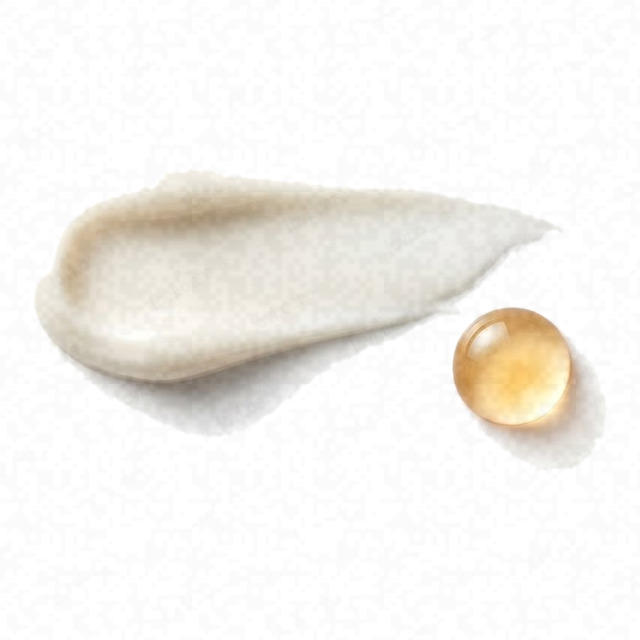 Matrixyl 3000
 Sodium Hyaluronate
 Glycerin
 Aloe Barbadensis
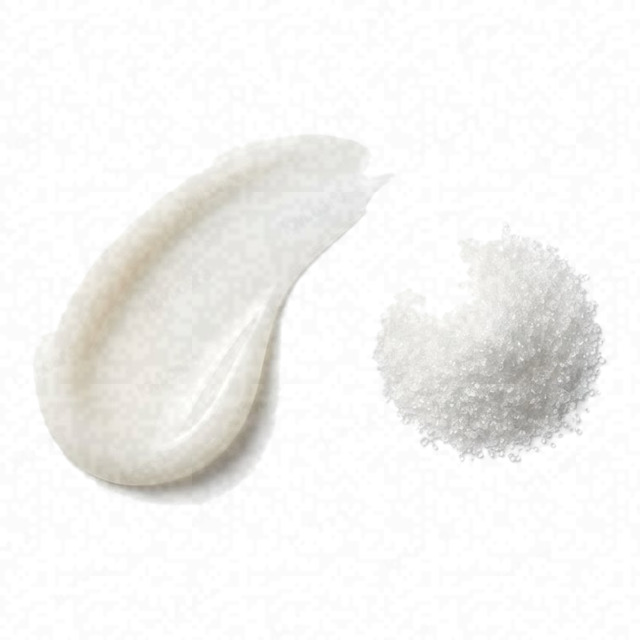 Dehydroacetic Acid
High
- HighNormal Skin Fit
- HighEffectiveness
- HighSafety
A great choice for sensitive skin; a few serums fit it even better.
This fit is calculated for the concerns frequently associated with sensitive skin: redness, stinging, and reactions to new products. For scores and recommendations based on your full skin profile, including your 12D face scan results and any goals or preferences you have, please use the Lovi app.
Page built Nov 8, 2026How the Fit score works
Lovi Assistant explains
- Offers excellent wrinkle reduction for your normal skin, as Matrixyl 3000 and Sodium Hyaluronate work to plump and minimize fine lines by maintaining skin hydration.
- Relevant benefits for redness and irritation are provided by Aloe Barbadensis and Glycerin, which offer soothing and hydrating effects.
- The product is safe for your sensitive skin, with no risks of irritation due to the absence of harsh ingredients.
How to apply
- Use your serum in the PM routine, starting 3 times a week before building up to daily use if your skin is happy.
- Apply the serum after cleansing and toning, but before putting on your moisturizer for the best results.
- Gently press 2-3 drops of the serum into your skin and wait a minute ⏱ for it to soak in.
- Since your skin is sensitive and easily irritated, apply the serum on completely dry skin to help keep it calm.
- Always do a patch test before your first use and avoid getting the serum too close to your eyes .
People Say
★4.6Overall rating based on 2.2k+ reviewsBased on a very large amount of data, this serum is highly praised for its ability to deeply hydrate, plump, and soften the skin, making it a favorite for mature and dry skin types targeting fine lines and loss of elasticity. The vast majority of users appreciate its lightweight, non-sticky texture and noticeable firming outcomes. A small subset of reviewers report a lack of visible anti-aging results or express disappointment with the price-to-value ratio.
Highlights
Hydrating, plumping Mostly Mentioned
- “hydrating for my dry skin”
- “immediate plumping effect”
- “makes skin feel smooth”
- “Skin is so soft!”
Lightweight, absorbs fast Mostly Mentioned
- “absorbs quickly, feels lightweight”
- “dries down without a sticky feel”
- “watery, no sticky residue”
- “absorbs without leaving sticky residue”
Improves firmness Sometimes Noted
- “skin feels tighter and looks refreshed”
- “makes the skin dense, elastic”
- “improved the texture”
- “skin was firmer and more elastic”
No visible results Sometimes Noted
- “not sure if it's working”
- “can not see any difference”
- “made absolutely no difference”
- “did not see wrinkles disappear”
Old product Rarely Noted
- “dated 1/ 18 .. old product”
- “don't like old serum”
- “Empaque llegó en mal estado”
- “Took 3 weeks to get here”
Poor value Rarely Noted
- “price does not reflect the quality”
- “Expensive I would say”
- “Save your money”
- “cost wasn't any less expensive”
Sources: lovi.care, timelessha.com, shop.app, desertcart.com, ebay.com, gopicky.com, and more
Questions and answers
What makes Timeless Matrixyl 3000 Serum a great fit for sensitive skin?
Timeless Matrixyl 3000 Serum is a great fit for sensitive skin because it uses soothing ingredients like aloe and glycerin to help calm redness and irritation. It also features gentle hydrating ingredients that plump fine lines without any harsh additives, making it very unlikely to cause irritation.
Which ingredients make this serum a good fit for sensitive skin?
Aloe barbadensis and glycerin make this serum a good fit for sensitive skin because they provide soothing and hydrating effects that help calm redness and irritation. The serum is considered safe for sensitive skin since it leaves out harsh ingredients that could otherwise cause problems.
What does Matrixyl 3000 do for sensitive skin?
Matrixyl 3000 helps smooth fine lines and supports firmness in sensitive skin. It is generally well tolerated, though sensitive skin types may still benefit from patch testing new peptide formulas before regular use.
International Journal of Cosmetic Science, 2026International Journal of Cosmetic Science, 2005
What does Hyaluronic Acid do for sensitive skin?
Hyaluronic acid helps calm and hydrate sensitive skin while supporting the skin barrier to keep it soft and comfortable. Clinical studies show it improves surface moisture and reduces dryness, roughness, and redness without irritation.
Journal of Drugs in Dermatology, 2025Journal of Cosmetic Dermatology, 2018
Where does this serum go in a skincare routine for sensitive skin?
This serum goes in your evening routine, applied after your cleanser and soothing toner and before your moisturizer. Putting this treatment in the evening keeps things simple and provides extra safety around sun exposure.
Can I use this serum with vitamin C, and in what order?
You can use this serum with vitamin C by applying the vitamin C first on dry skin, letting it absorb, and then following with this hydrating serum. This combination is unlikely to bother sensitive skin because the formula leaves out harsh ingredients and includes soothing aloe and glycerin.
How often should I use this serum?
You can use this treatment in your evening routine, applying it after cleansing and toning. It is safe for sensitive skin and unlikely to cause irritation when used regularly.
Can this serum clog pores, cause breakouts or purging for sensitive skin?
This serum is unlikely to clog pores or cause breakouts for sensitive skin because it is free of heavy, pore-blocking ingredients and contains soothing agents like aloe and glycerin that help keep skin calm.
What the research says
Topical hyaluronic acid filler serum combined with Botulinum toxin type A lengthened the duration of the toxin's effect in reducing wrinkles compared to Botulinum toxin type A alone.
Dermatologic Therapy, 2022A multi-modal methodology combining MALDI-MSI, in vivo RCM, echography, and histology revealed age-related decreases in extracellular matrix and epidermal-dermal junction proteins and undulation depth, while a blend of palmitoyl oligopeptide and palmitoyl tetrapeptide-7 improved subepidermal low-echogenic band thickness, density, and extracellular matrix structure compared to placebo.
Journal of Cosmetic Dermatology, 2015Palmitoyl tetrapeptide-7, acetyl hexapeptide-8, palmitoyl tripeptide-1, and palmitoyl tetrapeptide-10 significantly increased type III collagen levels in human dermal fibroblasts following UV exposure, with their combination demonstrating a greater effect in vitro and enhancing type I, III, and IV collagen levels in ex vivo skin tissues compared to individual components.
International Journal of Cosmetic Science, 2026A single application of a moisturizing fluid containing hyaluronic acid 1%, glycerin 5%, and Centella asiatica stem cells extract significantly increased skin hydration by 29% and reduced transepidermal water loss at 24 hours compared to baseline and an untreated control site in twenty healthy women.
Clinical, Cosmetic and Investigational Dermatology, 2017Chronomodulated daytime application of baicalin and nighttime application of palmitoyl tripeptide-1 synergistically improved skin luminance by 16.29%, nasolabial fold depth by -36.35%, and firmness by 24.35% in 30 female participants.
Journal of Cosmetic Dermatology, 2026Topical application of 0.1% hyaluronic acid formulations of different molecular weights led to significant improvements in skin hydration and elasticity, with low-molecular-weight formulations also significantly reducing wrinkle depth in seventy-six female subjects compared to a vehicle control.
Journal of Drugs in Dermatology, 2011Topical application of hyaluronic acid in conjunction with free gingival graft significantly reduced donor site postoperative pain until day 7 compared to normal saline, with no significant differences in graft dimensions or patient satisfaction.
Clinical Oral Investigations, 2022Treatment with a hyaluronic acid-containing mouth rinse or topical gel led to significant lesion reduction, pain relief, and normalization of lesion color in adult patients with minor recurrent aphthous stomatitis, with the gel formulation showing an earlier healing onset at 3 days.
BMC Oral Health, 2019The emollient V0034CR significantly reduced TEWL compared to vehicle and vehicle plus glycerol, and significantly increased corneometry scores compared to vehicle and vehicle plus petrolatum in healthy volunteers with dry skin, demonstrating combined barrier function improvement from petrolatum and hydration improvement from glycerol.
Journal of Cosmetic Dermatology, 2020Ten days of treatment with a cream containing 20% glycerin significantly increased skin hydration measured by corneometer values in 17 healthy volunteers compared to a placebo cream, but showed no influence on transepidermal water loss or skin sensitivity to an irritating surfactant.
International Journal of Cosmetic Science, 2001Niacinamide/glycerin body moisturizers provided better rapid and prolonged improvement of cosmetic xerosis through functional improvement of stratum corneum barrier function compared to no treatment and conventional moisturizers in female subjects.
Journal of Drugs in Dermatology, 2012A cream combining propolis, tea tree oil, and Aloe vera reduced erythema scars, acne severity index, and total lesion count better than erythromycin cream in sixty patients with mild to moderate acne vulgaris compared to placebo.
Clinical Pharmacology, 2018Topical aloe vera gel significantly accelerated split-thickness skin graft donor-site healing compared to placebo in 12 patients, but showed no significant difference in pain relief.
Plastic and Reconstructive Surgery, 2018Topical application of Aloe vera cream reduced postoperative pain at rest and during defecation, accelerated wound healing at two weeks, and decreased analgesic requirements in patients after open hemorrhoidectomy compared to placebo.
Journal of Alternative and Complementary Medicine, 2010Microbial cellulose patches containing 1,3-dihydroxy-2-propanone act as biocarriers that enable DHA transport into the stratum corneum and induce skin color changes, with intensity increasing with concentration and application time.
Polymers, 2018Topical treatment with docosahexaenoic acid (DHA) upregulated barrier differentiation proteins and reduced inflammatory cytokine expression in human keratinocytes and inflammatory reconstructed human epidermis models.
Molecules, 2019
Ingredients
Water, Matrixyl 3000, Aloe Barbadensis, Glycerin, Sodium Hyaluronate, Benzyl Alcohol, Dehydroacetic Acid
Behind this fit score
Lovi calculates every fit score from the full ingredient list with brand-independent rules our dermatologists and cosmetic chemists build and review, and personalizes every pick with AI trained on the real results of millions of users. Lovi trains its fit score models on a proprietary dataset built from more than 10,000 expert-labeled products and more than 100,000 simulated examples, following an internally consistent methodology presented at Cosmoprof, AMWC, and Skin of Color Update.
-

Co-founder, Medical Director
Cosmetic chemist, cosmetologist, aesthetic products developer
-

Co-founder, CEO and CTO
PhD in computer science, 3x US patent holder, ex-Google, ex-Yandex
-

Dr. Sofía Perea Pérez, MD, MSc
Medical Board
Aesthetic medicine practitioner, MSc in Longevity and Anti-Aging Medicine
-

Medical Board
Specialist dermatologist, MBBS, MD, IFAAD
-

Medical Board
Cosmetic chemist, SCS, IFSCC member
-

Medical Board, Medical Advisor
Dermatology MD
-

Elina Nazarenko, MD
Medical Board
Dermatology and diagnostic consultant
-

Victoria Derkova, MS
Medical Board
Cosmetic chemist, cosmetic development technologist


How does it fit your skin?
Scan your face, then any product: Lovi shows how well it fits you and what fits even better.