Tatcha Luminous Dewy Skin Mist for oily skin

 Squalane
 Glycerin
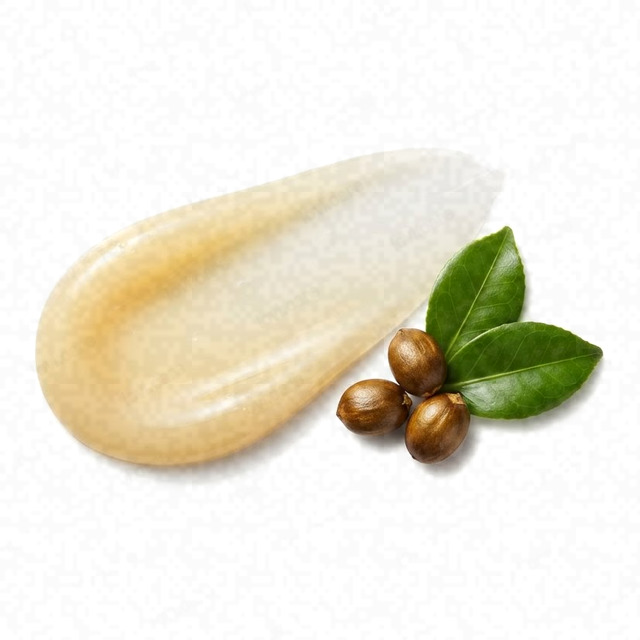 Camellia Japonica Seed Oil
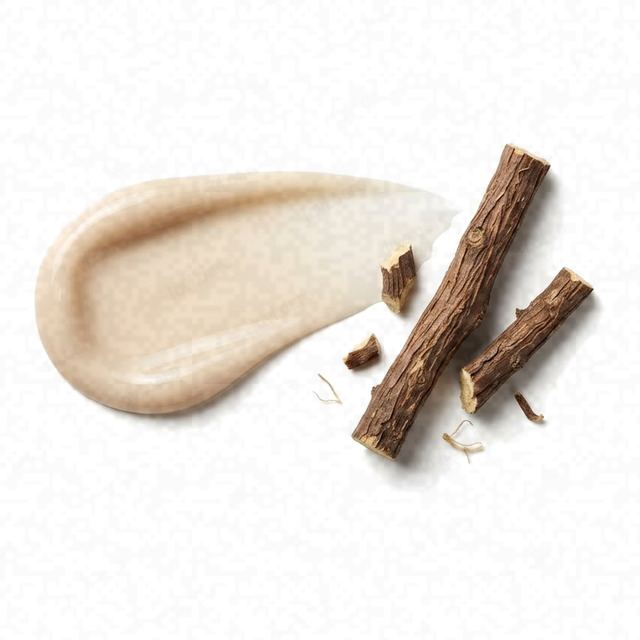 Licorice Root Extract
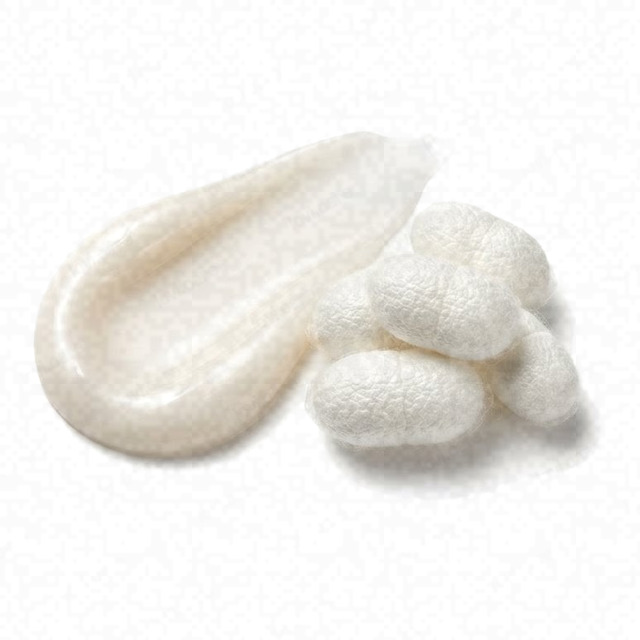 Silk Extract
Average
- AverageOily Skin Fit
- AverageEffectiveness
- ExcellentSafety
Works for oily skin; other moisturizers fit it better.
This fit is calculated for the concerns frequently associated with oily skin: shine, enlarged pores, blackheads, and blemishes. For scores and recommendations based on your full skin profile, including your 12D face scan results and any goals or preferences you have, please use the Lovi app.
Page built Nov 8, 2026How the Fit score works
Lovi Assistant explains
- Offers moderate moisturizing for your oily skin, as glycerin and squalane provide hydration and enhance barrier resilience without directly addressing oily shine.
- The formula includes licorice root extract and rice germ oil, offering general skincare benefits that support your skin's health.
- The product is safe for your oily skin, with no risks of irritation due to the absence of harsh ingredients and the inclusion of soothing components like squalane.
How to apply
- Could be used as part of your AM or PM routine every day to keep your face fresh.
- Apply this moisturizer after cleansing and toning, but right before your SPF in the morning.
- Gently press a small amount into your skin and let it absorb fully.
- Apply on clean, slightly dry skin to help control that oily shine.
- Avoid the eye area and do a quick patch test before your first use.
People Say
★4.4Overall rating based on 6.4k+ reviewsBased on a very large amount of data, this fine mist is widely celebrated by users with dry or dehydrated skin for delivering an instant "glass skin" glow and intense hydration without disturbing makeup. Users with oily or combination skin often find it too heavy or greasy, noting that it functions better as a liquid moisturizer than a traditional setting spray.
Highlights
Instant dewy glow Mostly Mentioned
- “Adds radiance”
- “Glass skin look”
- “Eliminates powdery finish”
Intense hydration Often Mentioned
- “Soothes dry patches”
- “Moisturizing”
- “Good for winter”
Ultra-fine mist Often Mentioned
- “Delicate spray”
- “No large droplets”
- “Even application”
Expensive for size Often Mentioned
- “High price point”
- “Expensive for size”
- “Runs out quickly”
- “Luxury splurge”
Luxurious experience Sometimes Noted
- “Pleasant herbal scent”
- “High-quality packaging”
Versatile application Sometimes Noted
- “Works as primer”
- “Works as setting spray”
- “Works as refresher”
Does not set Sometimes Noted
- “Makeup slides”
- “Doesn't extend wear”
- “Strictly for moisture”
Too oily/greasy Sometimes Noted
- “Too oily/greasy”
- “Not for oily skin”
- “Leaves sticky residue”
- “Looks shiny”
Caused breakouts Rarely Noted
- “Caused acne”
- “Clogged pores”
- “Reaction to botanicals”
Fragile packaging Rarely Noted
- “Fragile packaging”
- “Glass bottle breaks easily”
- “Not travel-friendly”
Sources: lovi.care, tatcha.com, kohls.com, influenster.com, mecca.com, and more
Questions and answers
How well does Tatcha Luminous Dewy Skin Mist work for oily skin?
This mist works moderately well for oily skin, as glycerin and squalane hydrate and strengthen the skin barrier without directly targeting oily shine. It is safe and unlikely to cause irritation, but an oily skin type needs lightweight formulas with active oil-controlling ingredients to manage excess oil effectively.
Which ingredients make this mist a good fit for oily skin?
Glycerin and squalane make this mist a good fit for oily skin because they provide hydration and enhance barrier resilience without directly addressing oily shine. Oily skin of this type needs lightweight hydrators and oil-controlling ingredients that keep skin fresh without adding heaviness.
What does Squalane do for oily skin?
Squalane helps keep oily skin soft and smooth without feeling heavy, though oxidized forms may sometimes trigger irritation. To work well for oily skin, this type of product needs lightweight, non-clogging ingredients that balance moisture without adding excess grease.
What does Glycerin do for oily skin?
Glycerin helps keep oily skin hydrated without feeling heavy and supports the skin barrier. Because this product is a weak fit for your skin, an ideal product of this type needs lightweight hydrators and ingredients that balance oil while protecting the skin.
The British Journal of Dermatology, 2008International Journal of Toxicology, 2019
Where does it go in a skincare routine for oily skin?
This product works as a treatment step in your evening routine, providing moderate hydration and general skin health benefits for oily skin. Oily skin works best with treatments that also help control excess shine and balance oil production.
Can I use this mist with retinol, and in what order?
You can use this mist with retinol, applying it before your retinol step to keep your skin comfortable. This type of product works best for oily skin when it provides lightweight hydration and oil-balancing ingredients that do not clog pores.
How often should I use it?
This mist works for your oily skin, though other products fit it better, providing moderate hydration and barrier resilience without directly addressing oily shine. To keep your skin balanced, an oily skin routine needs lightweight hydrators like hyaluronic acid and oil-controlling ingredients like niacinamide.
Journal of Cosmetic Dermatology, 2020Health Science Reports, 2021
Can this mist clog pores, cause breakouts or purging for oily skin?
This moisturizing treatment is unlikely to irritate your skin, though an oily skin type needs lightweight formulas with oil-absorbing ingredients to help manage shine and keep pores clear.
Can I use it around the eyes or on my body?
You can use this moisturizing treatment around your eyes and on your body, as its formula is safe and unlikely to irritate these areas. While it offers moderate hydration for oily skin, treating the thin skin around the eyes or the skin on the body with this product type works best when it features lightweight hydrators and soothing plant extracts.
Is this mist fragrance-free and alcohol-free?
It has no fragrance and contains drying alcohol (alcohol).
What the research says
A single application of a moisturizing fluid containing hyaluronic acid 1%, glycerin 5%, and Centella asiatica stem cells extract significantly increased skin hydration by 29% and reduced transepidermal water loss at 24 hours compared to baseline and an untreated control site in twenty healthy women.
Clinical, Cosmetic and Investigational Dermatology, 2017Licochalcone A activated Nrf2 signaling, elevated cytoprotective enzymes, increased the reduced-to-oxidized glutathione ratio, and decreased reactive oxygen species in human fibroblasts and neutrophils, while a LicA-rich licorice extract lowered UVA-induced oxidative processes in vivo.
Experimental Dermatology, 2015Squalane at 0.005-0.015% counteracts UVA-induced oxidative stress, inflammation, and collagen metabolism inhibition while stimulating fibroblast migration in human dermal fibroblasts.
Molecules, 2025Plant-derived squalane protected human dermal fibroblasts against UVA-induced damage by counteracting ROS formation, suppressing apoptosis-related proteins p53, caspase-3, caspase-9, and PARP, and restoring the pro-survival p-Akt/mTOR pathway.
Antioxidants, 2025The emollient V0034CR significantly reduced TEWL compared to vehicle and vehicle plus glycerol, and significantly increased corneometry scores compared to vehicle and vehicle plus petrolatum in healthy volunteers with dry skin, demonstrating combined barrier function improvement from petrolatum and hydration improvement from glycerol.
Journal of Cosmetic Dermatology, 2020Ten days of treatment with a cream containing 20% glycerin significantly increased skin hydration measured by corneometer values in 17 healthy volunteers compared to a placebo cream, but showed no influence on transepidermal water loss or skin sensitivity to an irritating surfactant.
International Journal of Cosmetic Science, 2001Niacinamide/glycerin body moisturizers provided better rapid and prolonged improvement of cosmetic xerosis through functional improvement of stratum corneum barrier function compared to no treatment and conventional moisturizers in female subjects.
Journal of Drugs in Dermatology, 2012Liquid crystalline emulsions formulated with camellia seed oil and four different surfactant combinations reduced transepidermal water loss and increased skin hydration without causing skin irritation, with the formulation containing Lecinol S-10 and Tween 80 demonstrating the best clinical results.
Scientific Reports, 2023Combining 755 nm alexandrite laser with topical licorice gel significantly reduces terminal hair counts compared to alexandrite laser with placebo in women with idiopathic hirsutism.
Evidence-based Complementary and Alternative Medicine, 2015Bioactive glycyrrhizic acid and oxymatrine ionic liquid self-assembled nanomicelles significantly promoted the transdermal permeation, subcutaneous retention, and anti-photoaging efficacy of palmitoyl pentapeptide-4 in cellular and animal models compared to unformulated peptide.
Advanced Science, 2025Topical application of Glycyrrhiza glabra and Sophora japonica flavonoid-rich fractions individually and in combination significantly increased the wound healing rate and reduced oxidative stress compared to wound and Nolaver-treated groups.
Molecules, 2023Topical application of sericin gels increased skin intrinsic moisturization, hydroxyproline content, and epidermal hydration while decreasing transepidermal water loss and skin impedance in healthy human volunteers.
Journal of Cosmetic Dermatology, 2005Silk fibroin wound dressings exhibit anti-inflammatory and pro-angiogenic properties that accelerate skin wound healing compared to commercially available dressings in preclinical and clinical settings.
Biomolecules, 2022Silk sericin-releasing bacterial nanocellulose gel demonstrated improved mechanical properties, controlled sericin release, non-cytotoxicity on L929 and HaCaT cells, and non-irritancy in subcutaneous tissue compared to a commercially available paper mask.
BMC Biotechnology, 2014
Ingredients
Water, Glycerin, Squalane, Cyclopentasiloxane, Propanediol, Triethylhexanoin, Camellia Japonica Seed Oil, Inositol Extract Rice Extract, Algae Extract, Sericin Extract Silk Extract, Glycyrrhiza Glabra Root Extract Licorice Root Extract, Rice Germ Oil, Camellia Sinensis Leaf Extract, Chondrus Crispus Extract Red Algae Extract, Panax Ginseng Root Extract, Royal Jelly Extract, Ziziphus Jujuba Fruit Extract, Thymus Serpyllum Extract Thymus Vulgaris Extract, Scutellaria Baicalensis Root Extract, Polyglyceryl-2 Diisostearate, Ppg-5-Ceteth-10 Phosphate, Trideceth-12, Sodium Lauroyl Lactylate, Sorbitan Stearate, Ethylhexylglycerin, Behenyl Alcohol, Glyceryl Stearate Se, Sodium Hyaluronate, Alcohol, Phenoxyethanol
Behind this fit score
Lovi calculates every fit score from the full ingredient list with brand-independent rules our dermatologists and cosmetic chemists build and review, and personalizes every pick with AI trained on the real results of millions of users. Lovi trains its fit score models on a proprietary dataset built from more than 10,000 expert-labeled products and more than 100,000 simulated examples, following an internally consistent methodology presented at Cosmoprof, AMWC, and Skin of Color Update.
-

Co-founder, Medical Director
Cosmetic chemist, cosmetologist, aesthetic products developer
-

Co-founder, CEO and CTO
PhD in computer science, 3x US patent holder, ex-Google, ex-Yandex
-

Dr. Sofía Perea Pérez, MD, MSc
Medical Board
Aesthetic medicine practitioner, MSc in Longevity and Anti-Aging Medicine
-

Medical Board
Specialist dermatologist, MBBS, MD, IFAAD
-

Medical Board
Cosmetic chemist, SCS, IFSCC member
-

Medical Board, Medical Advisor
Dermatology MD
-

Elina Nazarenko, MD
Medical Board
Dermatology and diagnostic consultant
-

Victoria Derkova, MS
Medical Board
Cosmetic chemist, cosmetic development technologist


How does it fit your skin?
Scan your face, then any product: Lovi shows how well it fits you and what fits even better.