Sun Bum Mineral Sunscreen Lotion SPF 50 for combination skin

 Zinc Oxide
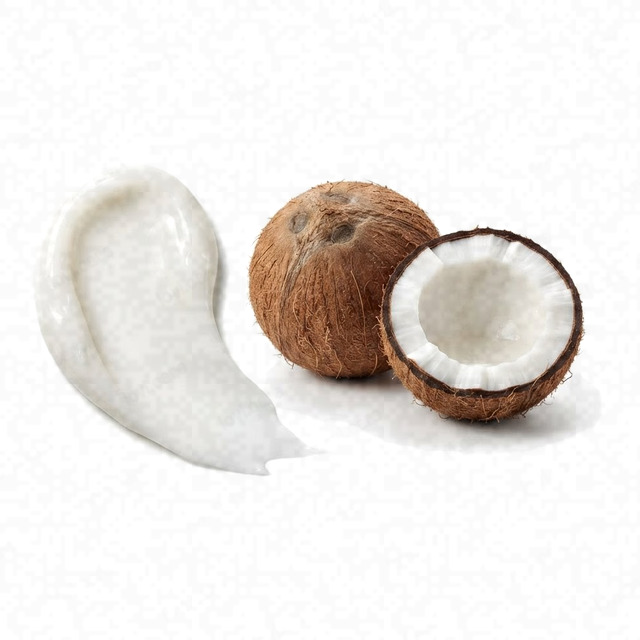 Coconut Oil
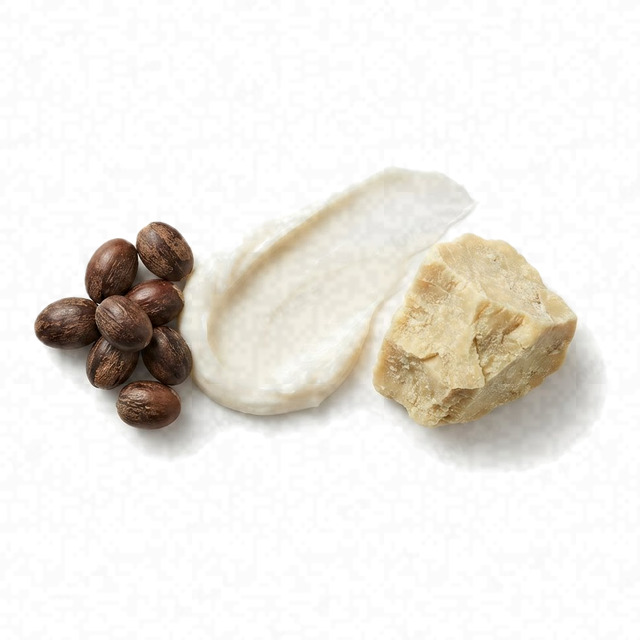 Butyrospermum Parkii Butter Shea Butter
 Sodium Hyaluronate
 Tocopherol
High
- HighCombination Skin Fit
- HighEffectiveness
- HighSafety
A great choice for combination skin; a few sunscreens fit it even better.
This fit is calculated for the concerns frequently associated with combination skin: an oily T-zone, enlarged pores, and dry cheeks. For scores and recommendations based on your full skin profile, including your 12D face scan results and any goals or preferences you have, please use the Lovi app.
Page built Nov 8, 2026How the Fit score works
Lovi Assistant explains
- Highly suitable for your combination skin, this product offers excellent UV protection with zinc oxide and hydration from sodium hyaluronate, which also provides anti-inflammatory action beneficial for oily shine.
- Coconut oil and shea butter offer general skincare benefits that support combination skin, though they do not directly target oily shine.
- The formulation is safe for your skin, with no risks of irritation due to the absence of prohibited or harsh ingredients.
How to apply
- Apply this moisturizing sunscreen AM daily to protect your skin and control shine. Reapply as needed throughout the day.
- Use it as the final step of your morning routine after applying your moisturizer. It combines hydration and sun protection in one.
- Gently smooth a nickel-sized amount evenly over your face, avoiding harsh rubbing. Let it absorb fully before putting on makeup.
- Apply it directly to clean, dry skin for the best oil-controlling finish. Ensure your face is completely dry so the product sets properly.
- Avoid the immediate eye area during application. Do a patch test before your first use to check for any sensitivity.
People Say
★3.5Overall rating based on 100+ reviewsUsers appreciate this mineral-based sunscreen for its reef-safe ingredients and suitability for sensitive skin, with many enjoying its pleasant scent and moisturizing feel. A significant number of reviewers find the thick consistency difficult to apply and note a persistent white cast, especially on darker skin tones, with some also experiencing a greasy or heavy sensation.
Highlights
Significant white cast Mostly Mentioned
- “Leaves me looking purple”
- “Ghostly white cast”
- “Impossible to rub in completely”
Reef-safe, eco-friendly Often Mentioned
- “Reef safe and compliant”
- “Love that it's mineral based”
- “Great for the environment”
Thick texture Often Mentioned
- “Like spreading cream cheese”
- “Very thick paste”
- “Hard to distribute evenly”
Good for sensitive skin Sometimes Noted
- “Doesn't sting my eyes”
- “No breakouts after use”
Pleasant scent Sometimes Noted
- “Smells like summer”
- “Love the coconut scent”
- “Smells like a vacation”
Greasy feel Sometimes Noted
- “Feels heavy on face”
- “Greasy residue”
- “Sticky after application”
Moisturizing feel Rarely Noted
- “Leaves skin soft”
- “Moisturizing base”
- “Doesn't dry me out”
Separation issues Rarely Noted
- “Watery liquid comes out first”
- “Separated in the tube”
- “Hard to mix back together”
Sources: lovi.care, ulta.com, target.com, sunbum.com, reddit.com, youtube.com, and more
Questions and answers
What makes Sun Bum Mineral Sunscreen Lotion SPF 50 a great fit for combination skin?
Sun Bum Mineral Sunscreen Lotion SPF 50 is a great fit for combination skin because it combines zinc oxide for strong sun protection with sodium hyaluronate to hydrate dry areas while helping to calm oily shine. Coconut oil and shea butter add extra moisture, and the formula is safe and unlikely to cause irritation.
Which ingredients make this lotion a good fit for combination skin?
Zinc oxide and sodium hyaluronate make this lotion a great fit by providing UV protection, hydration, and calming action that helps manage oily shine. Coconut oil and shea butter add extra moisture to keep your skin soft and smooth without irritation.
What does Zinc Oxide do for combination skin?
Zinc oxide helps calm oily and breakout-prone areas while protecting dry spots without clogging pores. This ingredient is unlikely to cause irritation and safely manages shine and redness.
Journal of Controlled Release, 2025Dermatologic Therapy, 2018
What does Coconut Oil do for combination skin?
Coconut oil is generally too heavy for combination skin and may clog pores in oilier areas, though it helps soothe and lock in moisture on dry patches. A product for this skin type needs lighter, balancing ingredients that hydrate without feeling greasy.
Where does this lotion go in a skincare routine for combination skin?
Apply this sunscreen lotion as the final step of your morning skincare routine after your moisturizer. It provides strong UV protection along with hydrating ingredients that keep your skin feeling soft and smooth without feeling overly heavy.
Can I use this lotion with retinol, and in what order?
Yes, you can use this lotion in the morning as the final step before sun exposure, after applying your retinol and moisturizer in your evening routine. This product is a great fit for your combination skin, offering strong sun protection with zinc oxide and soothing hydration that helps keep oily shine under control.
How often should I use this lotion?
Apply this sunscreen lotion every morning as the final step in your daytime routine. Daily application is safe for your skin and helps keep it protected from the sun without causing irritation.
Can this lotion clog pores, cause breakouts or purging for combination skin?
This lotion is unlikely to irritate combination skin, but reviewers frequently complain about a thick texture and a greasy feel that may not suit everyone. It contains coconut oil and shea butter, which offer general hydration but do not directly target oily shine.
Is this lotion fragrance-free and alcohol-free?
Yes, it has no fragrance and no drying alcohol. Cetearyl alcohol, cetyl alcohol, arachidyl alcohol, and behenyl alcohol are fatty alcohols, which soften the skin.
What the research says
Biomimetic hyaluronic acid-stabilized zinc oxide nanoparticles selectively inhibited C. acnes, outperformed erythromycin in preclinical acne models, and safely reduced acne lesions and redness in a clinical trial.
Journal of Controlled Release, 2025Topical 0.5% hyaluronic-ZnO nanogel applied twice daily reduced inflammatory-lesion counts by 58% at week four in human subjects compared to baseline without causing erythema.
Biomedicines, 2025Nels cream achieved a similar reduction in inflammatory and noninflammatory lesion counts compared to 5% benzoyl peroxide in acne vulgaris patients, but caused significantly fewer side-effects such as peeling and dryness.
Clinical and Experimental Dermatology, 2000Topically applied coated and uncoated zinc oxide nanoparticles under flexing and massage are retained in the stratum corneum with no significant penetration into the viable epidermis and no cellular toxicity in human skin.
Nanomedicine, 2016Overnight virgin coconut oil application provides a skin protective effect against damage and increased TEWL from frequent alcohol-based hand sanitizer usage in 60 volunteers, resulting in a 25% increase in perceived moisture content compared to the control group.
Journal of Cosmetic Dermatology, 2021A combination cream of stimu-tex AS and saccharide isomerate reduced erythema, increased skin capacitance, and reduced transepidermal water loss compared to placebo in 20 subjects after fractional CO2 laser procedure without causing serious adverse events.
Lasers in Medical Science, 2025A skin barrier restoring cream with shea butter, silkflo, and vitamin E increased type I procollagen synthesis, enhanced antioxidant enzyme activity, decreased reactive oxygen species generation, and promoted hyaluronic acid production in H2O2-stimulated human keratinocyte cells compared to untreated cells.
International Journal of Cosmetic Science, 2025Topical application of 0.1% hyaluronic acid formulations of different molecular weights led to significant improvements in skin hydration and elasticity, with low-molecular-weight formulations also significantly reducing wrinkle depth in seventy-six female subjects compared to a vehicle control.
Journal of Drugs in Dermatology, 2011Topical application of hyaluronic acid in conjunction with free gingival graft significantly reduced donor site postoperative pain until day 7 compared to normal saline, with no significant differences in graft dimensions or patient satisfaction.
Clinical Oral Investigations, 2022Treatment with a hyaluronic acid-containing mouth rinse or topical gel led to significant lesion reduction, pain relief, and normalization of lesion color in adult patients with minor recurrent aphthous stomatitis, with the gel formulation showing an earlier healing onset at 3 days.
BMC Oral Health, 2019Topical application of an antioxidant serum containing 15% ascorbic acid, 0.5% ferulic acid, and 1% tocopherol prevented particulate matter-induced degradation of extracellular matrix components, inflammation, and oxidative stress in the skin of 15 female volunteers compared to untreated controls.
Journal of Cosmetic Dermatology, 2025Dermatological products containing d-alpha tocopheryl acetate showed non-comedogenic potential with less than a 50% increase in microcomedones in 12 healthy male subjects compared to octyl palmitate.
Contemporary Clinical Trials Communications, 2021Topical application of an antioxidant mix containing 15% ascorbic acid, 0.5% ferulic acid, and 1% tocopherol prevented PM and UV-induced skin barrier perturbation, lipid peroxidation, inflammatory markers, MMP9 activation, and Type I collagen loss in 15 healthy females compared to untreated exposed skin.
Journal of Cosmetic Dermatology, 2024
Ingredients
Zinc Oxide, Water, Coconut Oil, Butyloctyl Salicylate, Diheptyl Succinate, Methyl Dihydroabietate, Butyrospermum Parkii Butter Shea Butter, Capryloyl Glycerin Sebacic Acid Copolymer, Sodium Stearoyl Glutamate, Cetearyl Alcohol, Theobroma Cacao Seed Butter, Coco-Glucoside, Tocopherol, Microcrystalline Cellulose, Cellulose Gum, Bisabolol, Cetyl Alcohol, Arachidyl Alcohol, Behenyl Alcohol, Arachidyl Glucoside, Polyhydroxystearic Acid, Sodium Hyaluronate, Sodium Gluconate, Phenoxyethanol, Ethylhexylglycerin, Citric Acid
Behind this fit score
Lovi calculates every fit score from the full ingredient list with brand-independent rules our dermatologists and cosmetic chemists build and review, and personalizes every pick with AI trained on the real results of millions of users. Lovi trains its fit score models on a proprietary dataset built from more than 10,000 expert-labeled products and more than 100,000 simulated examples, following an internally consistent methodology presented at Cosmoprof, AMWC, and Skin of Color Update.
-

Co-founder, Medical Director
Cosmetic chemist, cosmetologist, aesthetic products developer
-

Co-founder, CEO and CTO
PhD in computer science, 3x US patent holder, ex-Google, ex-Yandex
-

Dr. Sofía Perea Pérez, MD, MSc
Medical Board
Aesthetic medicine practitioner, MSc in Longevity and Anti-Aging Medicine
-

Medical Board
Specialist dermatologist, MBBS, MD, IFAAD
-

Medical Board
Cosmetic chemist, SCS, IFSCC member
-

Medical Board, Medical Advisor
Dermatology MD
-

Elina Nazarenko, MD
Medical Board
Dermatology and diagnostic consultant
-

Victoria Derkova, MS
Medical Board
Cosmetic chemist, cosmetic development technologist


How does it fit your skin?
Scan your face, then any product: Lovi shows how well it fits you and what fits even better.