SKIN AQUA Super Moisture UV Gel for oily acne-prone skin

 Hyaluronic Acid
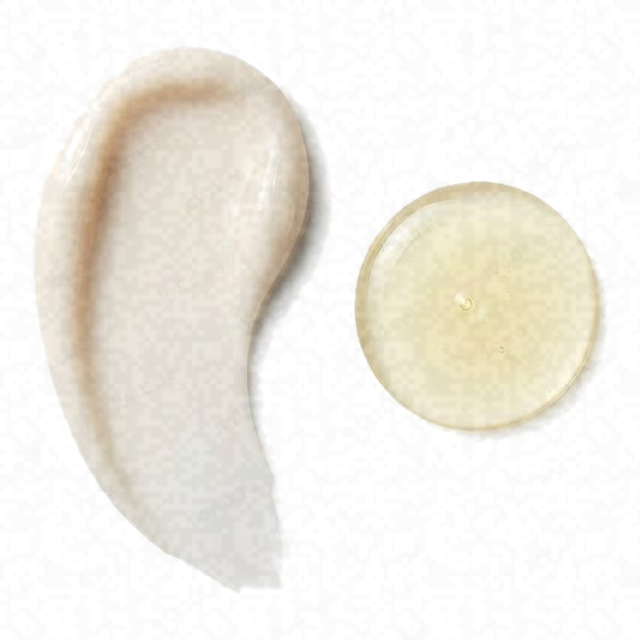 Ethylhexyl Methoxycinnamate
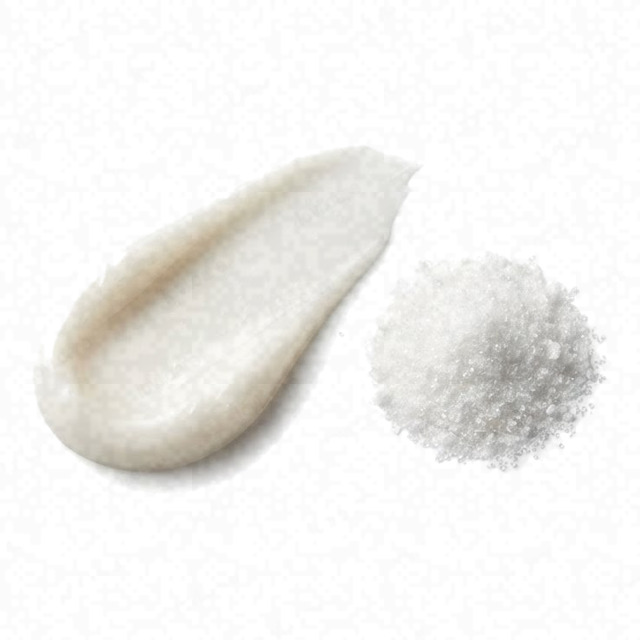 Diethylamino Hydroxybenzoyl Hexyl Benzoate
 Aloe Barbadensis Leaf Extract
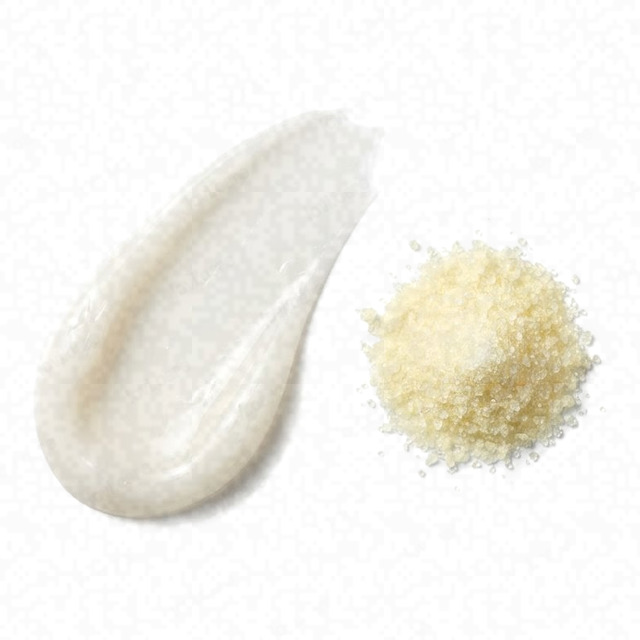 Bis-Ethylhexyloxyphenol Methoxyphenyl Triazine
Average
- HighOily Skin Fit
- AverageEffectiveness
- HighSafety
Works for oily acne-prone skin; other sunscreens fit it better.
This fit is calculated for the concerns frequently associated with oily acne-prone skin: shine, breakouts, blemishes, and enlarged pores. For scores and recommendations based on your full skin profile, including your 12D face scan results and any goals or preferences you have, please use the Lovi app.
Page built Nov 8, 2026How the Fit score works
Lovi Assistant explains
- Offers excellent moisturizing and UV protection for your oily skin due to hyaluronic acid and glycerin for hydration and ethylhexyl methoxycinnamate and bis-ethylhexyloxyphenol methoxyphenyl triazine for sun protection.
- While it provides general hydration benefits for your oily skin and acne-prone skin with Hyaluronic Acid and Aloe Barbadensis Leaf Extract, these ingredients are not specifically targeted for acne and blemishes.
- The product is safe for your oily skin with no risks of irritation due to the absence of prohibited or harsh ingredients.
How to apply
- Use your moisturizing sunscreen every morning. Reapply throughout the day if you are outside.
- Apply this moisturizing sunscreen as the final step of your morning routine after your moisturizer.
- Gently smooth a nickel-sized amount over your face and neck, avoiding harsh rubbing to keep oily areas calm.
- Apply this moisturizing sunscreen on clean, dry skin to ensure even coverage and protection.
- Avoid getting the product into your eyes and do a patch test before your first use.
People Say
★4.7Overall rating based on 300+ reviewsThe SKIN AQUA Super Moisture UV Gel is highly praised for its ultra-lightweight, water-like texture that absorbs quickly and provides deep hydration, making it ideal for dry, normal, and combination skin types. Users with very oily skin or those living in highly humid climates occasionally report that it leaves a shiny or slightly greasy finish throughout the day.
Highlights
Lightweight watery texture Mostly Mentioned
- “feels like water like you're applying water in your skin”
- “lightweight texture absorbs quickly”
- “refreshing, water-light texture”
- “glides on to skin SO seamlessly”
Highly moisturizing Often Mentioned
- “provides intense hydration, making their skin feel plump”
- “keeps my skin moisturized”
- “hydrating texture offers a long-lasting comfortable feeling”
- “feels super moisturizing so i didn't need any moisturizer”
No white cast Often Mentioned
- “leaves no white cast which is perfect for people like me with dark skin”
- “does not leave any kind of white cast on the skin”
- “definitely white cast free”
- “suitable for POC as it had no white cast”
Great makeup base Sometimes Noted
- “worked well as a makeup base”
- “wears well under makeup without leaving a white cast”
- “creating a smooth canvas for foundation application”
- “my go to under makeup cause it's so thin”
Shiny or greasy finish Sometimes Noted
- “make me look way too shiny”
- “might leave a slight sheen on very oily complexions”
- “feels a little bit greasy throughout the day”
- “still have a bit of that slickness on your skin”
Strong alcohol scent Rarely Noted
- “has a very strong alcohol scent”
- “filled with alcohol and smells like alc”
- “first thing you'll notice is a really strong alcohol smell”
- “alcohol smell is a little bit less compared to the gel”
Unsuitable for oily skin Rarely Noted
- “might not be the best choice for very oily skin”
- “my oils do mix with the product over time”
- “can feel a thin layer over my face... approaching summer with humidity”
- “those with oily skin might not like it”
Sources: lovi.care, target.com, reddit.com, youtube.com, japanesetaste.com, ebay.com, and more
Questions and answers
How well does Skin Aqua Super Moisture UV Gel work for oily acne-prone skin?
SKIN AQUA Super Moisture UV Gel works fine for your oily acne-prone skin, offering safe hydration and sun protection, though it lacks specific ingredients to target breakouts. To work best for this skin type, a product needs lightweight ingredients that hydrate without clogging pores and actively help clear blemishes.
Clinical, Cosmetic and Investigational Dermatology, 2017Archives of Dermatological Research, 2024
Which ingredients make this sunscreen a good fit for oily acne-prone skin?
Hyaluronic acid, glycerin, and aloe leaf extract help make this sunscreen a good fit by providing hydration without irritation. Sun protection ingredients like ethylhexyl methoxycinnamate and bis-ethylhexyloxyphenol methoxyphenyl triazine also shield your skin safely. However, this skin type needs a product with ingredients that specifically target blemishes and keep oil in check.
Clinical, Cosmetic and Investigational Dermatology, 2017Archives of Dermatological Research, 2024
What does Hyaluronic Acid do for oily acne-prone skin?
Hyaluronic acid helps calm oily acne-prone skin by reducing sebum production and lipid synthesis in sebaceous glands. It also supports skin barrier function and improves hydration while helping deliver treatments without causing irritation.
The Journal of Investigative Dermatology, 2017Journal of Cosmetic Dermatology, 2022
What does Octinoxate do for oily acne-prone skin?
Octinoxate helps protect oily, acne-prone skin from sun damage without disrupting normal skin bacteria or worsening breakouts. However, because sunscreens of this type can feel heavy, acne-prone skin needs lightweight, oil-free formulas with non-clogging ingredients that control shine and keep pores clear.
International Journal of Nanomedicine, 2013Archives of Dermatological Research, 2024
Where does it go in a skincare routine for oily acne-prone skin?
Apply this sunscreen as the last step of your morning routine after your moisturizer, and reapply as needed throughout the day. It provides good sun protection and hydration without irritation, though oily and acne-prone skin also benefits from ingredients specifically targeted for blemishes and breakouts.
Clinical, Cosmetic and Investigational Dermatology, 2017International Journal of Nanomedicine, 2013
Can I use this sunscreen with retinol, and in what order?
You can use this sunscreen in the morning as the final step before makeup, well after applying your evening retinol. It is safe for oily skin and is unlikely to cause irritation, though acne-prone skin needs products with ingredients specifically targeted for blemishes.
How often should I use it?
You can use this sunscreen every morning to keep your oily skin hydrated and protected from the sun. Daily application helps maintain skin moisture and barrier function without causing irritation.
Health Science Reports, 2021Clinical, Cosmetic and Investigational Dermatology, 2017
Can this sunscreen clog pores, cause breakouts or purging for oily acne-prone skin?
This sunscreen is unlikely to clog pores or cause breakouts for oily acne-prone skin, as it contains no harsh ingredients and does not disrupt acne-related skin bacteria. However, because it lacks targeted blemish-fighting ingredients, an oily acne-prone skin often needs a product that also includes active ingredients like salicylic acid or niacinamide to help keep breakouts at bay.
Is it fragrance-free and alcohol-free?
Yes, it has no fragrance and no drying alcohol.
What the research says
A single application of a moisturizing fluid containing hyaluronic acid 1%, glycerin 5%, and Centella asiatica stem cells extract significantly increased skin hydration by 29% and reduced transepidermal water loss at 24 hours compared to baseline and an untreated control site in twenty healthy women.
Clinical, Cosmetic and Investigational Dermatology, 2017Liposomal encapsulation of octyl methoxycinnamate increases its safety, skin affinity, and in vivo solar photoprotection factor while slowing its release and enhancing retention in the stratum corneum compared to a conventional formulation.
International Journal of Nanomedicine, 2013Para-hydroxycinnamic acid alone or combined with niacinamide significantly mitigates ultraviolet-induced erythema, barrier disruption, and surface inflammatory biomarkers in female panelists compared to placebo and octinoxate.
International Journal of Cosmetic Science, 2025Topical hyaluronic acid filler serum combined with Botulinum toxin type A lengthened the duration of the toxin's effect in reducing wrinkles compared to Botulinum toxin type A alone.
Dermatologic Therapy, 2022The application of a sunscreen formulation containing ethylhexyl methoxycinnamate, ethylhexyl salicylate, methyl anthranilate, and octocrylene does not significantly affect critical acne-related species such as Cutibacterium acnes and Staphylococcus epidermidis, refuting the induction of facial dysbiosis in men.
Archives of Dermatological Research, 2024Topical application of 0.1% hyaluronic acid formulations of different molecular weights led to significant improvements in skin hydration and elasticity, with low-molecular-weight formulations also significantly reducing wrinkle depth in seventy-six female subjects compared to a vehicle control.
Journal of Drugs in Dermatology, 2011Topical application of hyaluronic acid in conjunction with free gingival graft significantly reduced donor site postoperative pain until day 7 compared to normal saline, with no significant differences in graft dimensions or patient satisfaction.
Clinical Oral Investigations, 2022Treatment with a hyaluronic acid-containing mouth rinse or topical gel led to significant lesion reduction, pain relief, and normalization of lesion color in adult patients with minor recurrent aphthous stomatitis, with the gel formulation showing an earlier healing onset at 3 days.
BMC Oral Health, 2019Replacing 20% of the chemical UV filter octyl methoxycinnamate with urucum oil in solid lipid nanoparticles maintained the skin protection factor without inducing toxic responses or significant skin penetration in human volunteers.
Skin Pharmacology and Physiology, 2018Encapsulation of ethylhexyl methoxycinnamate and butyl methoxydibenzoylmethane in lipid microparticles significantly reduced their in vivo human skin penetration compared to nonencapsulated filters.
Skin Pharmacology and Physiology, 2011Multilamellar liposomes containing octyl methoxycinnamate increased stratum corneum accumulation and reduced deeper skin penetration compared to conventional emulsions and small unilamellar liposomes in six volunteers, resulting in a slightly better sun protection factor.
Journal of Cosmetic Science, 2008Oral and dermal administration of Uvinul A plus resulted in three major urinary metabolites accounting for 52% of the oral dose, with a very low estimated daily systemic exposure of 8.1-9.3 μg/d in volunteers not intentionally exposed.
International Journal of Hygiene and Environmental Health, 2020A cream combining propolis, tea tree oil, and Aloe vera reduced erythema scars, acne severity index, and total lesion count better than erythromycin cream in sixty patients with mild to moderate acne vulgaris compared to placebo.
Clinical Pharmacology, 2018Topical aloe vera gel significantly accelerated split-thickness skin graft donor-site healing compared to placebo in 12 patients, but showed no significant difference in pain relief.
Plastic and Reconstructive Surgery, 2018Topical application of Aloe vera cream reduced postoperative pain at rest and during defecation, accelerated wound healing at two weeks, and decreased analgesic requirements in patients after open hemorrhoidectomy compared to placebo.
Journal of Alternative and Complementary Medicine, 2010Maximal topical applications of 6% bemotrizinol in a model sunscreen formulation did not result in meaningful systemic exposure in humans.
Regulatory Toxicology and Pharmacology, 2023
Why other sunscreens fit oily acne-prone skin better
Biomimetic hyaluronic acid-stabilized zinc oxide nanoparticles selectively inhibited C. acnes, outperformed erythromycin in preclinical acne models, and safely reduced acne lesions and redness in a clinical trial.
Journal of Controlled Release, 2025Topical 0.5% hyaluronic-ZnO nanogel applied twice daily reduced inflammatory-lesion counts by 58% at week four in human subjects compared to baseline without causing erythema.
Biomedicines, 2025
Ingredients
Water, Ethylhexyl Methoxycinnamate, Butylene Glycol, Diethylamino Hydroxybenzoyl Hexyl Benzoate, Bis-Ethylhexyloxyphenol Methoxyphenyl Triazine, Hyaluronic Acid, Aloe Barbadensis Leaf Extract, Glycerin, Dimethicone, Carbomer, Triethanolamine, Phenoxyethanol, Methylparaben, Propylparaben
Behind this fit score
Lovi calculates every fit score from the full ingredient list with brand-independent rules our dermatologists and cosmetic chemists build and review, and personalizes every pick with AI trained on the real results of millions of users. Lovi trains its fit score models on a proprietary dataset built from more than 10,000 expert-labeled products and more than 100,000 simulated examples, following an internally consistent methodology presented at Cosmoprof, AMWC, and Skin of Color Update.
-

Co-founder, Medical Director
Cosmetic chemist, cosmetologist, aesthetic products developer
-

Co-founder, CEO and CTO
PhD in computer science, 3x US patent holder, ex-Google, ex-Yandex
-

Dr. Sofía Perea Pérez, MD, MSc
Medical Board
Aesthetic medicine practitioner, MSc in Longevity and Anti-Aging Medicine
-

Medical Board
Specialist dermatologist, MBBS, MD, IFAAD
-

Medical Board
Cosmetic chemist, SCS, IFSCC member
-

Medical Board, Medical Advisor
Dermatology MD
-

Elina Nazarenko, MD
Medical Board
Dermatology and diagnostic consultant
-

Victoria Derkova, MS
Medical Board
Cosmetic chemist, cosmetic development technologist


How does it fit your skin?
Scan your face, then any product: Lovi shows how well it fits you and what fits even better.