Scinic Propolis Ampoule 95 for oily acne-prone skin

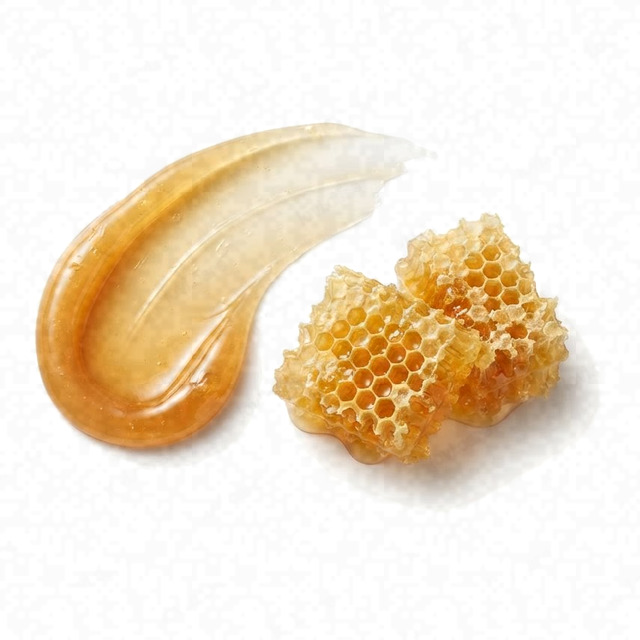 Propolis Extract
 Niacinamide
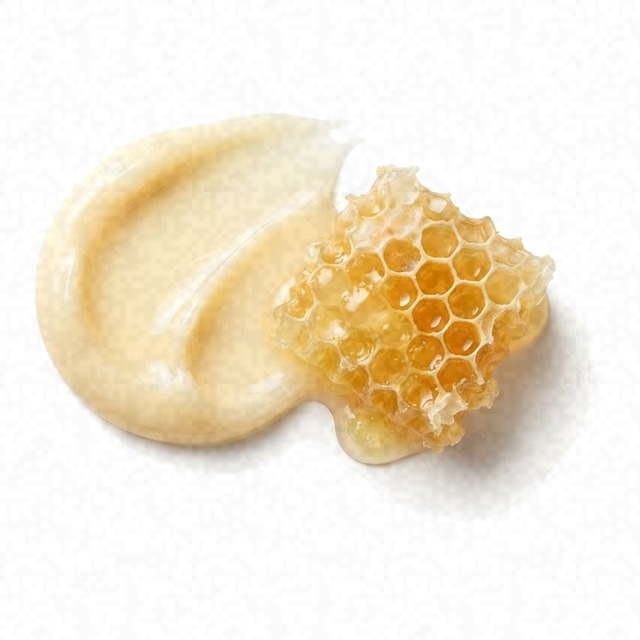 Royal Jelly Extract
 Aloe Barbadensis Leaf Extract
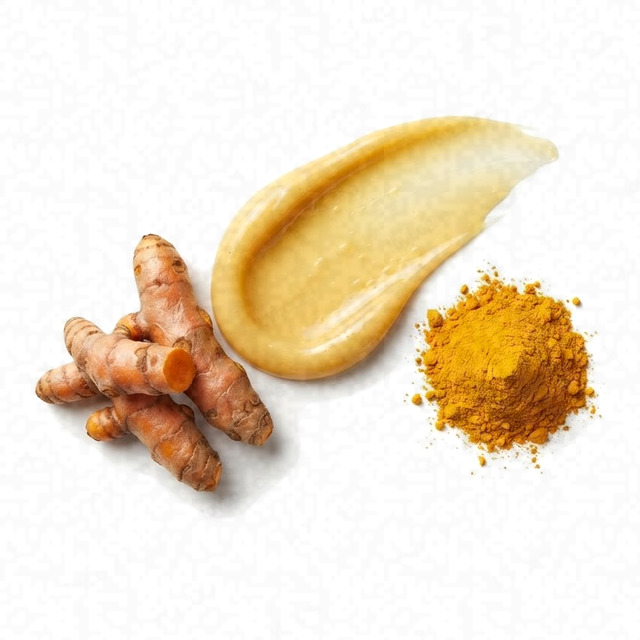 Curcuma Longa Root Extract
Average
- AverageOily Skin Fit
- HighEffectiveness
- ExcellentSafety
Works for oily acne-prone skin; other moisturizers fit it better.
This fit is calculated for the concerns frequently associated with oily acne-prone skin: shine, breakouts, blemishes, and enlarged pores. For scores and recommendations based on your full skin profile, including your 12D face scan results and any goals or preferences you have, please use the Lovi app.
Page built Nov 8, 2026How the Fit score works
Lovi Assistant explains
- Offers moderate suitability for your oily skin as propolis extract and niacinamide provide hydration and support barrier resilience, while willow bark extract offers some exfoliation and sebum control for your acne and blemishes.
- Royal jelly extract and various botanical extracts contribute to soothing and nourishing effects, complementing the primary treatment ingredients.
- The formulation is safe for your skin, with no risks of irritation due to the absence of harsh ingredients and the inclusion of soothing agents like aloe barbadensis leaf extract.
How to apply
- Use this AM and PM routine every day to help clear your skin. Always remember to finish with SPF in the morning.
- Apply the moisturizer after your cleanser and toner, right before your SPF during the day.
- Gently press a small amount into your skin and avoid rubbing to keep pores clear.
- Apply on clean, slightly damp skin to help the product absorb better and control oil.
- Avoid the sensitive eye area and do a simple patch test before your first use.
People Say
★4.1Overall rating based on 100+ reviewsBased on limited data, this ampoule is highly regarded for its ability to soothe redness and calm acne-prone and sensitive skin, imparting a desirable 'honey glow' and deep hydration. Users frequently praise its high-quality ingredients, including 95% propolis and niacinamide, and find it to be a good value. Some users note a sticky texture upon application and express frustration with the product's increasing scarcity.
Highlights
Soothing & Calming Mostly Mentioned
- “calms down redness overnight”
- “healed my active breakouts”
- “soothed my over-exfoliated skin”
- “great for sensitive days”
Hydrating Glow Often Mentioned
- “gives that honey glow”
- “skin looks plump and juicy”
- “instant hydration boost”
- “leaves a nice dewy film”
Hard to find Often Mentioned
- “can't find it anywhere”
- “sold out on every site”
- “wish it was easier to buy”
- “had to switch brands”
Good Value Sometimes Noted
- “great price point”
- “cheaper than LJH propolis”
- “good bang for your buck”
- “lasts a long time”
High Ingredient Quality Sometimes Noted
- “amazing ingredients list”
- “love the high propolis percentage”
- “niacinamide is a huge plus”
- “clean formula”
Sticky texture Sometimes Noted
- “feels a bit sticky”
- “takes a while to absorb”
- “hair sticks to my face”
- “tacky finish”
Lack of results Rarely Noted
- “didn't do much for me”
- “just glorified water”
- “no visible difference”
- “meh results”
Packaging issues Rarely Noted
- “dropper doesn't reach the bottom”
- “hard to get the last drops”
- “had to tip it over”
- “packaging could be better”
Sources: lovi.care, reddit.com, yesstyle.com, vanityrex.com, makeupalley.com, wimj.com, and more
Questions and answers
How well does Scinic Propolis Ampoule 95 work for oily acne-prone skin?
This treatment offers moderate suitability for oily and acne-prone skin, as propolis extract and niacinamide help provide hydration while willow bark extract assists with sebum control. Royal jelly and soothing plant extracts contribute additional nourishment, though products that rate higher for this skin type need lightweight hydrating ingredients like hyaluronic acid and ceramides to balance moisture without clogging pores.
Clinical Pharmacology, 2018Journal of Cosmetic Dermatology, 2019
Which ingredients make this serum a good fit for oily acne-prone skin?
Propolis extract and niacinamide help hydrate and support skin barrier resilience, while willow bark extract provides mild exfoliation and sebum control for acne. Royal jelly extract and botanical extracts like aloe add soothing and nourishing benefits. For an oily acne-prone skin type, a moisturizing treatment of this type needs lightweight hydration, non-clogging ingredients like hyaluronic acid, and components that manage oil and blemishes without irritation.
Clinical Pharmacology, 2018Journal of Cosmetic Dermatology, 2019
What does Propolis Extract do for oily acne-prone skin?
Propolis extract helps calm breakouts and redness on oily, acne-prone skin while fighting the bacteria that cause pimples. It works to reduce redness scars and clear up lesions, making it a helpful addition to your routine for clearer skin.
What does Niacinamide do for oily acne-prone skin?
Niacinamide helps balance oil production, calms redness, and is unlikely to irritate oily, acne-prone skin while improving blemishes. Clinical tests show it reduces excess oil and helps clear up both inflammatory and non-inflammatory acne breakouts.
Journal of Cosmetic and Laser Therapy, 2006Journal of Cosmetic Dermatology, 2024
Where does this serum go in a skincare routine for oily acne-prone skin?
This treatment goes in the evening routine, after cleansing and before moisturizing, to keep things simple and protect your skin during the day. A product of this type needs soothing ingredients like propolis extract and niacinamide, along with gentle oil control from willow bark extract, to properly care for oily, acne-prone skin.
International Journal of Cosmetic Science, 2020Clinical Pharmacology, 2018
Can I use it with retinol, and in what order?
You can use this product with retinol, applying the treatment before your moisturizer in your evening routine. Oily acne-prone skin needs a product of this type to include lightweight hydrators, soothing extracts, and blemish-clearing ingredients like willow bark extract.
How often should I use this serum?
This treatment works well in your evening routine, and some people can also use it in the morning or twice a day. To work best for your oily acne-prone skin, a product of this type needs lightweight hydration, oil-balancing ingredients like willow bark extract, and soothing agents to calm blemishes without irritation.
Clinical Pharmacology, 2018Journal of Cosmetic Dermatology, 2019
Can it clog pores, cause breakouts or purging for oily acne-prone skin?
This treatment is unlikely to clog pores or cause breakouts for oily acne-prone skin, as it has a safe formula with soothing agents like aloe leaf extract and no harsh ingredients. However, because it offers only an average fit, oily acne-prone skin needs a product that provides stronger oil control and targeted acne-fighting ingredients like salicylic acid.
Clinical Pharmacology, 2018Journal of Cosmetic Dermatology, 2019
Can I use this serum around the eyes or on my body?
Yes, you can use this serum around the eyes and on your body because its safe formulation is gentle on delicate skin and easily applied across various body regions. This type of product needs lightweight hydrators and gentle soothing ingredients to care for thin or body skin without causing irritation.
Is it fragrance-free and alcohol-free?
Yes, it has no fragrance and no drying alcohol.
What the research says
A cream combining propolis, tea tree oil, and Aloe vera reduced erythema scars, acne severity index, and total lesion count better than erythromycin cream in sixty patients with mild to moderate acne vulgaris compared to placebo.
Clinical Pharmacology, 2018A botanical face cleanser with hops and willow bark extract continuously reduced skin sebum levels without reactive seborrhea after treatment in 21 healthy volunteers compared to a sodium laureth sulfate cleanser, with neither cleanser causing skin irritation.
Journal of Cosmetic Dermatology, 2019Applying an essence containing royal jelly extract significantly increased the stratum corneum water content of the cheeks compared to placebo in healthy Japanese adults over 4 weeks.
Journal of Cosmetic Dermatology, 2022Topical propolis application significantly reduced postoperative pain, hemorrhage, and accelerated wound healing in patients undergoing tonsillectomy compared to a control group.
Clinical and Experimental Otorhinolaryngology, 2018Topical treatment with ethanol propolis extract resulted in complete mycological and clinical cure in 56.25% of patients with onychomycosis, demonstrating non-toxicity and effective antifungal activity against Trichophyton spp. both in vitro and in patients.
Frontiers in Microbiology, 2018Topical hydrogel formulations containing hydroalcoholic extract of red propolis exhibited stability, non-Newtonian and pseudoplastic behavior, in vivo skin compatibility, and no skin irritancy.
Heliyon, 2022Topical post-laser application of human adipocyte-derived mesenchymal stem cell media combined with niacinamide significantly improved wrinkle index, melanin index, patient satisfaction, and investigator esthetic improvement scores compared to vehicle cream in patients with aging skin.
Journal of Cosmetic Dermatology, 2021Topical nicotinamide prevented solar-simulated UV-induced immunosuppression in healthy volunteers, and men experienced immunosuppression at solar-simulated UV doses three times lower than those required for women.
The Journal of Investigative Dermatology, 2008Topical 5% niacinamide applied twice daily for 12 weeks reduced fine lines and wrinkles, hyperpigmented spots, red blotchiness, and skin sallowness, and improved skin elasticity compared to vehicle control in 50 female white subjects with facial photoaging.
Dermatologic Surgery, 2005A prototype body cream containing bee venom, propolis, honey, beeswax, and royal jelly demonstrated stability for 90 days, high antioxidant capacity of 85.45%, lack of cytotoxicity with over 70% cell viability, and no irritation or allergic reaction in dermatological analysis, while improving skin parameters in a panel test.
Journal of Cosmetic Dermatology, 2022Royal jelly protects against epidermal stress caused by UVB and menadione through the upregulation of NQO1 expression by its active compound 10-hydroxy-2-decenoic acid.
International Journal of Molecular Sciences, 2021Defensin-1 from royal jelly stimulated MMP-9 secretion and increased keratinocyte migration and wound closure in vitro, and promoted re-epithelisation and wound closure in uninfected excision wounds.
Scientific Reports, 2017Topical aloe vera gel significantly accelerated split-thickness skin graft donor-site healing compared to placebo in 12 patients, but showed no significant difference in pain relief.
Plastic and Reconstructive Surgery, 2018Topical application of Aloe vera cream reduced postoperative pain at rest and during defecation, accelerated wound healing at two weeks, and decreased analgesic requirements in patients after open hemorrhoidectomy compared to placebo.
Journal of Alternative and Complementary Medicine, 2010Formulations containing 0.10%, 0.25%, and 0.50% freeze-dried Aloe vera extract increased stratum corneum water content compared with the vehicle in 20 female subjects, while transepidermal water loss was not modified.
Skin Research and Technology, 2006Topical application of curcumin or turmeric treats various skin conditions by leveraging antioxidant, anti-inflammatory, and antimicrobial properties.
Skin Pharmacology and Physiology, 2023Topical formulations of curcumin target oxidative damage and inflammation to improve wound healing in animal models.
Drug Discovery Today, 2017A curcumin-loaded spanlastic anti-aging gel utilizing formula F5 incorporated into 2% HPMC E50 demonstrated sustained release action, compatibility, and the ability to penetrate skin layers to a depth of about 112.5 um without signs of irritation.
Saudi Pharmaceutical Journal, 2024
Ingredients
Propolis Extract, Niacinamide, Royal Jelly Extract, Chrysanthellum Indicum Extract, Anthemis Nobilis Flower Extract, Adansonia Digitata Seed Extract, Aloe Barbadensis Leaf Extract, Dipotassium Glycyrrhizate, Polysorbate 80, Punica Granatum Fruit Extract, Ficus Carica Fruit Extract, Morus Alba Fruit Extract, Ginkgo Biloba Nut Extract, Hordeum Vulgare Seed Extract, Cucumis Sativus Seed Extract, Nelumbo Nucifera Seed Extract, Punica Granatum Seed Extract, Lactobacillus Soybean Extract Ferment, Willow Bark Extract, Cinnamomum Cassia Bark Extract, Origanum Vulgare Leaf Extract, Chamaecyparis Obtusa Leaf Extract, Scutellaria Baicalensis Root Extract, Portulaca Oleracea Extract, Carbomer, Borago Officinalis Seed Oil, Prunus Amygdalus Dulcis Oil, Macadamia Ternifolia Seed Oil, Helianthus Annuus Oil, Brassica Campestris Seed Oil, Dimethicone, Cyclopentasiloxane, Trideceth-6, Peg Ppg-18 18 Dimethicone, Adenosine, Curcuma Longa Root Extract, Triethanolamine, Disodium Edta, 1,2-Hexanediol, Caprylyl Glycol, Illicium Verum Fruit Extract, Phenoxyethanol, Honey
Behind this fit score
Lovi calculates every fit score from the full ingredient list with brand-independent rules our dermatologists and cosmetic chemists build and review, and personalizes every pick with AI trained on the real results of millions of users. Lovi trains its fit score models on a proprietary dataset built from more than 10,000 expert-labeled products and more than 100,000 simulated examples, following an internally consistent methodology presented at Cosmoprof, AMWC, and Skin of Color Update.
-

Co-founder, Medical Director
Cosmetic chemist, cosmetologist, aesthetic products developer
-

Co-founder, CEO and CTO
PhD in computer science, 3x US patent holder, ex-Google, ex-Yandex
-

Dr. Sofía Perea Pérez, MD, MSc
Medical Board
Aesthetic medicine practitioner, MSc in Longevity and Anti-Aging Medicine
-

Medical Board
Specialist dermatologist, MBBS, MD, IFAAD
-

Medical Board
Cosmetic chemist, SCS, IFSCC member
-

Medical Board, Medical Advisor
Dermatology MD
-

Elina Nazarenko, MD
Medical Board
Dermatology and diagnostic consultant
-

Victoria Derkova, MS
Medical Board
Cosmetic chemist, cosmetic development technologist


How does it fit your skin?
Scan your face, then any product: Lovi shows how well it fits you and what fits even better.