Olive Young Care Plus Spot Patch for oily acne-prone skin

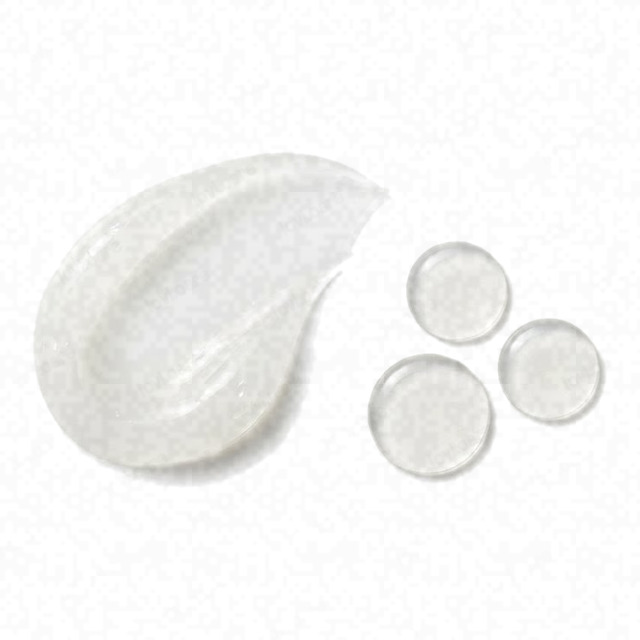 Hydrocolloid Material
Average
- HighOily Skin Fit
- AverageEffectiveness
- HighSafety
Works for oily acne-prone skin; other serums fit it better.
This fit is calculated for the concerns frequently associated with oily acne-prone skin: shine, breakouts, blemishes, and enlarged pores. For scores and recommendations based on your full skin profile, including your 12D face scan results and any goals or preferences you have, please use the Lovi app.
Page built Nov 8, 2026How the Fit score works
Lovi Assistant explains
- Offers moderate treatment for acne and blemishes on your oily skin, as the hydrocolloid effectively absorbs exudate and protects lesions, which also helps manage excess sebum.
- The polyurethane film and acrylic adhesive provide a protective barrier, further supporting the management of breakouts.
- The product is safe for your skin, with no risks of irritation due to the absence of harsh ingredients.
How to apply
- Could be used as part of your PM routine. Start 3 times a week and build up to daily use if your skin tolerates it well.
- Apply your serum after cleansing and toning, but before putting on your moisturizer.
- Gently press 2 to 3 drops of the serum into your skin and let it absorb for a minute.
- Apply the serum on clean, dry skin to help manage your blemishes safely.
- Do a patch test before your first use and avoid the delicate eye area.
Questions and answers
How well does Olive Young Care Plus Spot Patch work for oily acne-prone skin?
Olive Young Care Plus Spot Patch offers moderate treatment for breakouts on oily skin, as the hydrocolloid absorbs fluid and protects lesions while helping manage excess oil. Since it has no harsh ingredients, it is safe and unlikely to cause irritation. To fit this skin even better, a treatment of this type needs effective ingredients like niacinamide and propolis or benzoyl peroxide to control oil, brighten tone, and treat acne.
Which ingredients make this patch a good fit for oily acne-prone skin?
The hydrocolloid material in this patch makes it a good fit for oily acne-prone skin because it absorbs fluid and protects blemishes. A product of this type needs ingredients like niacinamide, propolis, benzoyl peroxide, or Vitamin C to better control oil, soothe skin, and treat breakouts.
What does Hydrocolloid do for oily acne-prone skin?
Hydrocolloid helps calm oily acne-prone skin by reducing overall acne severity, inflammation, redness, oiliness, dark spots, and sebum levels. It provides an effective covering that supports healing and protects the skin.
Where does this patch go in a skincare routine for oily acne-prone skin?
Apply this treatment in the evening after cleansing and toning, and before your moisturizer. Oily acne-prone skin needs spot patches with hydrocolloid material to absorb fluid and protect blemishes, though other blemish treatments may fit this skin type better.
Can I use this patch with salicylic acid, and in what order?
You can use this patch with salicylic acid by applying your salicylic acid treatment first, letting it dry completely, and then placing the patch over the blemish. This approach helps clear pores while the patch protects the spot and absorbs fluid, though an oily acne-prone skin often benefits more from treatment options that also actively reduce excess oil across the whole face.
How often should I use this patch?
You can use this patch whenever you have a blemish, leaving it on until it turns white and swells up with absorbed oil and fluid. Because this treatment is safe and free of harsh ingredients, it is unlikely to irritate your oily skin.
Can this patch clog pores, cause breakouts or purging for oily acne-prone skin?
Olive Young Care Plus Spot Patch is unlikely to clog pores, cause breakouts, or lead to purging on oily acne-prone skin. Its hydrocolloid material helps absorb fluid and protects blemishes safely without harsh ingredients, though oily skin often needs additional ingredients like salicylic acid or benzoyl peroxide to fully clear and manage acne.
What the research says
Daily application of hydrocolloid dressing completely prevented nasogastric tube-related pressure injuries, whereas skin care interventions showed no significant preventive effect compared to the control group in intensive care unit patients.
Journal of Tissue Viability, 2024Hydration of scars for 2 months resulted in significantly reduced itching, somewhat reduced pain, and increased pliability by 10% for both hydrocolloid dressing and moisturizer treatments in patients with keloids or hypertrophic scars, with no change in physical parameters.
Dermatologic Surgery, 1996Adjunctive hydrocolloid dressing with 0.1% mometasone furoate cream significantly increased treatment efficacy and cost-effectiveness compared to topical steroid alone in patients with moderate to severe lichen simplex chronicus.
Skin Health and Disease, 2023
Ingredients
Hydrocolloid, Polyurethane Film, Acrylic Adhesive
Behind this fit score
Lovi calculates every fit score from the full ingredient list with brand-independent rules our dermatologists and cosmetic chemists build and review, and personalizes every pick with AI trained on the real results of millions of users. Lovi trains its fit score models on a proprietary dataset built from more than 10,000 expert-labeled products and more than 100,000 simulated examples, following an internally consistent methodology presented at Cosmoprof, AMWC, and Skin of Color Update.
-

Co-founder, Medical Director
Cosmetic chemist, cosmetologist, aesthetic products developer
-

Co-founder, CEO and CTO
PhD in computer science, 3x US patent holder, ex-Google, ex-Yandex
-

Dr. Sofía Perea Pérez, MD, MSc
Medical Board
Aesthetic medicine practitioner, MSc in Longevity and Anti-Aging Medicine
-

Medical Board
Specialist dermatologist, MBBS, MD, IFAAD
-

Medical Board
Cosmetic chemist, SCS, IFSCC member
-

Medical Board, Medical Advisor
Dermatology MD
-

Elina Nazarenko, MD
Medical Board
Dermatology and diagnostic consultant
-

Victoria Derkova, MS
Medical Board
Cosmetic chemist, cosmetic development technologist


How does it fit your skin?
Scan your face, then any product: Lovi shows how well it fits you and what fits even better.