OLEHENRIKSEN Truth Serum for oily acne-prone skin

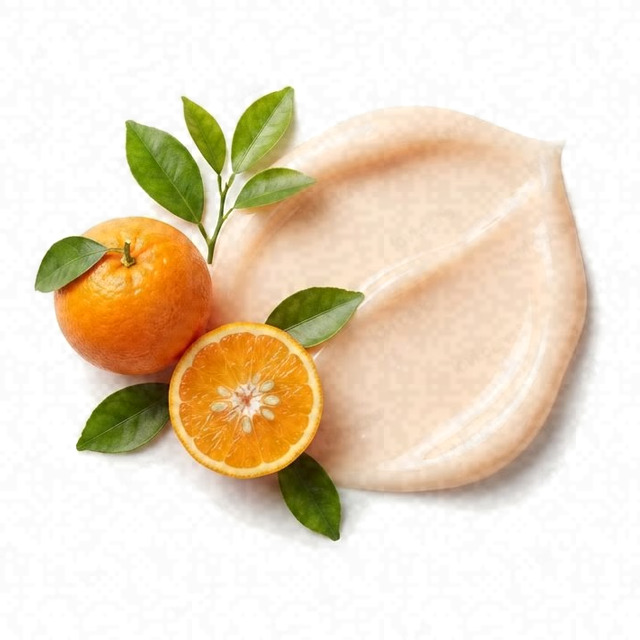 True-C Complex
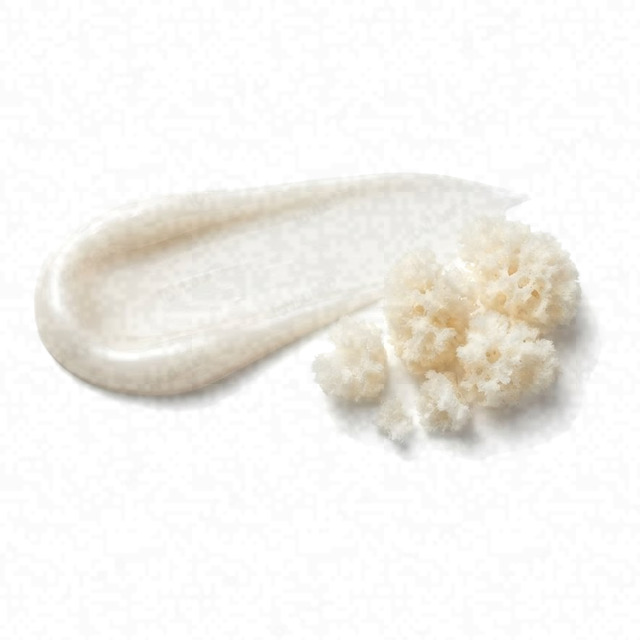 Collagen
 Sodium Ascorbyl Phosphate
 Aloe Barbadensis Leaf Juice
 Tocopheryl Acetate
High
- HighOily Skin Fit
- AverageEffectiveness
- HighSafety
A great choice for oily acne-prone skin; a few serums fit it even better.
This fit is calculated for the concerns frequently associated with oily acne-prone skin: shine, breakouts, blemishes, and enlarged pores. For scores and recommendations based on your full skin profile, including your 12D face scan results and any goals or preferences you have, please use the Lovi app.
Page built Nov 8, 2026How the Fit score works
Lovi Assistant explains
- Highly suitable for your oily skin, this serum utilizes sodium ascorbyl phosphate and thioctic acid for their antioxidant and potential seboregulating properties, addressing your concerns about oiliness and breakouts.
- Glycerin and sodium hyaluronate provide essential hydration, supporting your skin's overall health and complementing the brightening effects of sodium ascorbyl phosphate and ascorbic acid.
- The formula is safe for your skin, with no reported risks of irritation due to the absence of harsh ingredients.
How to apply
- Could be used as part of your PM routine. Start 3 times a week and build up to daily use if your skin tolerates it well.
- Apply your serum after cleansing and toning, but before putting on your moisturizer.
- Gently press 2 to 3 drops of the serum into your skin and let it absorb for a minute.
- Apply the serum on clean, dry skin to help manage your blemishes safely.
- Do a patch test before your first use and avoid the delicate eye area.
People Say
★4.5Overall rating based on 3.7k+ reviewsBased on a very large amount of data, users describe this serum as a daily essential that brightens dull complexions and provides lightweight hydration, often creating a healthy glow and fading acne scars. While the scent is frequently praised, some users find the results for fine lines inconsistent, and a small number of sensitive skin types report irritation due to the citrus formulation.
Highlights
Uplifting citrus scent Mostly Mentioned
- “smells heavenly”
- “energizing citrus aroma”
- “smell is refreshing”
- “uplifting orange scent”
Brightens and evens tone Often Mentioned
- “gives an instant glow”
- “faded dark spots instantly”
- “lightens my complexion”
- “evened my skin tone”
Lightweight and absorbing Often Mentioned
- “absorbs quickly”
- “glides beautifully on skin”
- “non-sticky texture”
- “feels lightweight”
Expensive price point Often Mentioned
- “definitely not cheap”
- “unreasonable price”
- “pricey for the amount”
- “expensive per ounce”
Hydrates and softens Sometimes Noted
- “leaves skin soft”
- “keeps skin hydrated”
- “makes skin feel bouncy”
- “plumps the skin”
Sticky finish Sometimes Noted
- “leaves a gross film”
- “sticky texture”
- “feels tacky”
- “slightly sticky residue”
Irritation or breakouts Rarely Noted
- “caused bad breakouts”
- “slight burning sensation”
- “gave me hives”
- “itch like crazy”
Pilling under makeup Rarely Noted
- “pills with silicone products”
- “lots of pilling”
- “aggregates of primer”
- “peeling skin look”
Sources: lovi.care, sephora.com, ulta.com, amazon.com, influenster.com, reddit.com, and more
Questions and answers
What makes OLEHENRIKSEN Truth Serum a great fit for oily acne-prone skin?
This serum is a great fit because it uses sodium ascorbyl phosphate and thioctic acid to help control excess oil and breakouts, while glycerin and sodium hyaluronate provide lightweight hydration without clogging pores. Its gentle formula is unlikely to cause irritation.
Clinical, Cosmetic and Investigational Dermatology, 2017International Journal of Cosmetic Science, 2009
Which ingredients make this serum a good fit for oily acne-prone skin?
This serum is a great fit for your oily acne-prone skin because it uses sodium ascorbyl phosphate and thioctic acid to help control extra oil and breakouts. It is also safe and gentle for your skin, with no harsh ingredients that might cause irritation.
International Journal of Cosmetic Science, 2009Drug Research, 2017
What does Vitamin C do for oily acne-prone skin?
Vitamin C helps brighten dark spots left by breakouts and may protect skin from irritation while supporting overall clarity. Oily and acne-prone skin also benefits from ingredients that regulate oil production and calm redness.
International Journal of Cosmetic Science, 2005AAPS PharmSciTech, 2020
What does Collagen do for oily acne-prone skin?
Collagen helps keep oily acne-prone skin hydrated and smooth while improving its overall condition and reducing signs of aging. It is unlikely to cause breakouts, but this skin type also needs ingredients that clear pores and calm redness.
Dermatology Practical & Conceptual, 2022Current Issues in Molecular Biology, 2024
Where does this serum go in a skincare routine for oily acne-prone skin?
This serum goes in your evening routine after your cleansing toner and before your moisturizer. Treatments with active ingredients are placed in the evening for simplicity and extra safety around sun exposure.
Can I use this serum with retinol, and in what order?
You can use this serum with retinol by applying the serum first to clean skin and letting it absorb before following with your retinol product. This helps brighten your skin and manage breakouts while minimizing the risk of irritation.
International Journal of Cosmetic Science, 2009Journal of Cosmetic Dermatology, 2024
How often should I use this serum?
This treatment is used in the evening, applying it in your PM routine as Lovi suggests for treatments to keep things simple and safe around sun exposure. This serum is a great fit for your oily acne-prone skin, helping manage oiliness and breakouts with a safe, gentle formula.
Facial Plastic Surgery, 2014International Journal of Cosmetic Science, 2009
Can this serum clog pores, cause breakouts or purging for oily acne-prone skin?
This serum is a great fit and is unlikely to clog pores or cause breakouts for your oily skin because it uses ingredients that help control oil and keep skin safe without harsh additives. Reviewers rarely report irritation or breakouts, and the formula has a very low risk of causing trouble.
International Journal of Cosmetic Science, 2009Drug Research, 2017
Is this serum fragrance-free and alcohol-free?
It contains fragrance (citral, limonene, linalool, and aroma flavor) and drying alcohol (alcohol).
What the research says
Topical combination of 5% sodium ascorbyl phosphate and 0.2% retinol reduced inflammatory acne lesions by 29.28% at 4 weeks and 63.10% at 8 weeks, outperforming either agent alone.
International Journal of Cosmetic Science, 2009Combined ascorbyl palmitate and sodium ascorbyl phosphate treatment significantly reduced facial sebum secretions in healthy female volunteers compared to a placebo control over 90 days.
Drug Research, 2017A single application of a moisturizing fluid containing hyaluronic acid 1%, glycerin 5%, and Centella asiatica stem cells extract significantly increased skin hydration by 29% and reduced transepidermal water loss at 24 hours compared to baseline and an untreated control site in twenty healthy women.
Clinical, Cosmetic and Investigational Dermatology, 2017Dermatological products containing d-alpha tocopheryl acetate showed non-comedogenic potential with less than a 50% increase in microcomedones in 12 healthy male subjects compared to octyl palmitate.
Contemporary Clinical Trials Communications, 2021A topical serum containing vitamin C, vitamin E, and raspberry leaf cell culture extract improved skin color, elasticity, radiance, smoothness, scaliness, and wrinkles compared to the untreated contralateral side in fifty female volunteers.
Journal of Cosmetic Dermatology, 2020Combining fractional microneedle radiofrequency with a topical antioxidant serum significantly reduced wrinkle severity by 29.9% versus 18.0%, increased elasticity by 12.9% versus 2.3%, and improved aesthetic outcomes in 31 participants compared to radiofrequency and placebo.
The Journal of Dermatological Treatment, 2025Pretreatment with a topical antioxidant mixture of vitamin C, ferulic acid, and phloretin attenuated ultraviolet-induced sunburn cell formation, thymine dimer formation, matrix metalloproteinase-9 expression, p53 protein expression, and the suppression of CD1a-expressing Langerhans cells in human skin compared to vehicle control.
Journal of Cosmetic Dermatology, 2008Topical application of TAC/Collagen postbiotics gel improved skin moisture score and inflammation index, and reduced porphyrins and brown spots in 20 volunteers with acne vulgaris.
Journal of Cosmetic Dermatology, 2022Topical collagen tripeptide application improved skin wrinkles, elasticity, and density while reducing advanced glycated end products in 22 Asian women over 4 weeks.
International Journal of Molecular Sciences, 2022Marine collagen extracted from Greenland halibut skin showed a non-cytotoxic effect on fibroblast cells and provided a slight skin hydration effect when incorporated into cosmetic hydrogel formulations at dosages of 0.1, 0.25, and 0.5% in 23 healthy volunteers.
Marine Drugs, 2023Topical application of 5% vitamin C cream significantly improved global clinical scores, increased skin microrelief density, and induced elastic tissue repair in photoaged skin compared to excipient control in healthy female volunteers.
Experimental Dermatology, 2003Ascorbic acid 2-glucoside gel significantly reduced gingival melanin pigmentation after 4 weeks compared to placebo in 73 subjects with symmetric pigmentation.
Journal of Periodontology, 2009Topical application of VC-IP cream twice daily for 8 weeks reduces periorbital wrinkles in female subjects compared to a placebo cream.
Journal of Cosmetic Dermatology, 2022A cream combining propolis, tea tree oil, and Aloe vera reduced erythema scars, acne severity index, and total lesion count better than erythromycin cream in sixty patients with mild to moderate acne vulgaris compared to placebo.
Clinical Pharmacology, 2018Topical aloe vera gel significantly accelerated split-thickness skin graft donor-site healing compared to placebo in 12 patients, but showed no significant difference in pain relief.
Plastic and Reconstructive Surgery, 2018Topical application of Aloe vera cream reduced postoperative pain at rest and during defecation, accelerated wound healing at two weeks, and decreased analgesic requirements in patients after open hemorrhoidectomy compared to placebo.
Journal of Alternative and Complementary Medicine, 2010Topical application of an antioxidant serum containing 15% ascorbic acid, 0.5% ferulic acid, and 1% tocopherol prevented particulate matter-induced degradation of extracellular matrix components, inflammation, and oxidative stress in the skin of 15 female volunteers compared to untreated controls.
Journal of Cosmetic Dermatology, 2025Topical application of an antioxidant mix containing 15% ascorbic acid, 0.5% ferulic acid, and 1% tocopherol prevented PM and UV-induced skin barrier perturbation, lipid peroxidation, inflammatory markers, MMP9 activation, and Type I collagen loss in 15 healthy females compared to untreated exposed skin.
Journal of Cosmetic Dermatology, 2024A topical antioxidant serum significantly reduced air pollution-induced skin pigmentation and proinflammatory gene expression ex vivo, and improved skin aging signs in 40 healthy adult females after 90 days of daily use.
Journal of Cosmetic Dermatology, 2022
Ingredients
Water, Glycerin, Oleth-20, Sodium Ascorbyl Phosphate, Calcium Ascorbate, Sorbitol, Tocopheryl Acetate, Aloe Barbadensis Leaf Juice, Citrus Aurantium Dulcis Fruit Extract, Grapefruit Seed Extract, Camellia Sinensis Leaf Extract, Euphrasia Officinalis Extract, Rosa Canina Fruit Extract, Sodium Hyaluronate, Hydrolyzed Collagen, Thioctic Acid, Phenoxyethanol, Citric Acid, Caprylyl Glycol, Hexylene Glycol, Peg-12 Dimethicone, Benzophenone-4, Polysorbate 60, Disodium Phosphate, Sodium Phosphate, Sodium Benzoate, Alcohol, Ascorbic Acid, Ci 15985, Citral, Limonene, Linalool, Benzyl Benzoate, Aroma Flavor
Behind this fit score
Lovi calculates every fit score from the full ingredient list with brand-independent rules our dermatologists and cosmetic chemists build and review, and personalizes every pick with AI trained on the real results of millions of users. Lovi trains its fit score models on a proprietary dataset built from more than 10,000 expert-labeled products and more than 100,000 simulated examples, following an internally consistent methodology presented at Cosmoprof, AMWC, and Skin of Color Update.
-

Co-founder, Medical Director
Cosmetic chemist, cosmetologist, aesthetic products developer
-

Co-founder, CEO and CTO
PhD in computer science, 3x US patent holder, ex-Google, ex-Yandex
-

Dr. Sofía Perea Pérez, MD, MSc
Medical Board
Aesthetic medicine practitioner, MSc in Longevity and Anti-Aging Medicine
-

Medical Board
Specialist dermatologist, MBBS, MD, IFAAD
-

Medical Board
Cosmetic chemist, SCS, IFSCC member
-

Medical Board, Medical Advisor
Dermatology MD
-

Elina Nazarenko, MD
Medical Board
Dermatology and diagnostic consultant
-

Victoria Derkova, MS
Medical Board
Cosmetic chemist, cosmetic development technologist


How does it fit your skin?
Scan your face, then any product: Lovi shows how well it fits you and what fits even better.