La Roche-Posay Effaclar Mask for acne-prone skin

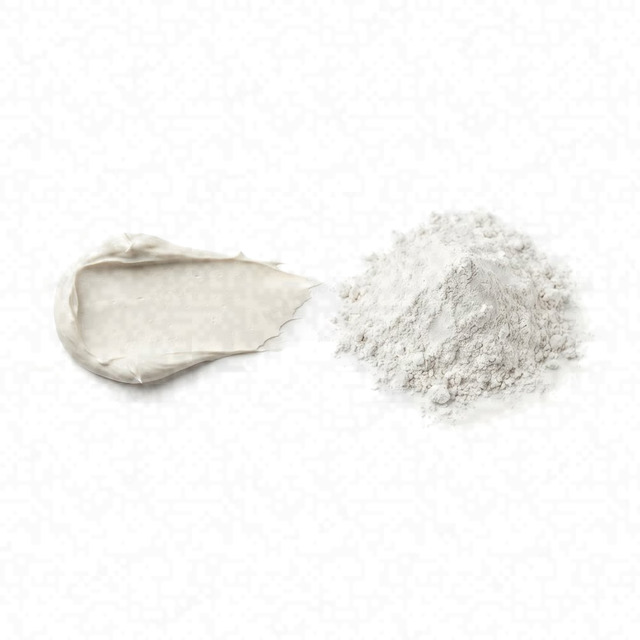 Kaolin
 Glycerin
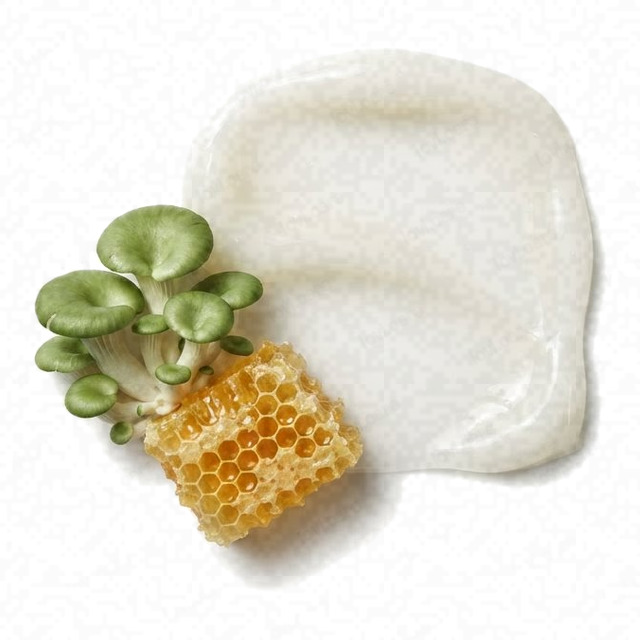 Panthenol
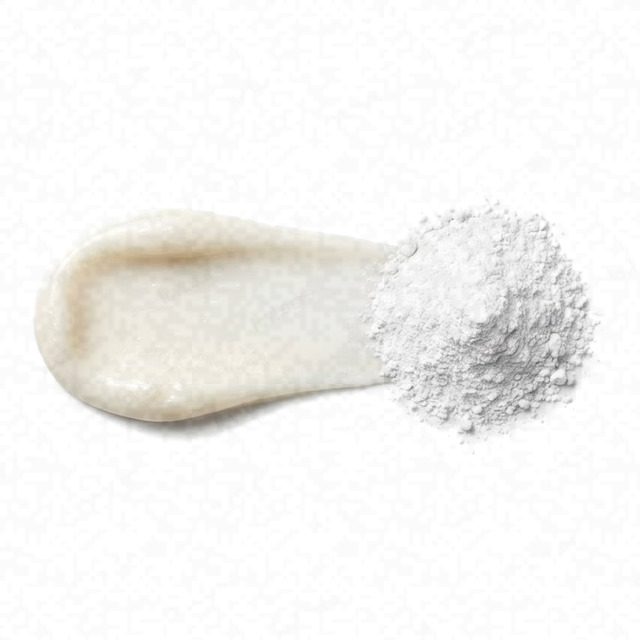 Titanium Dioxide
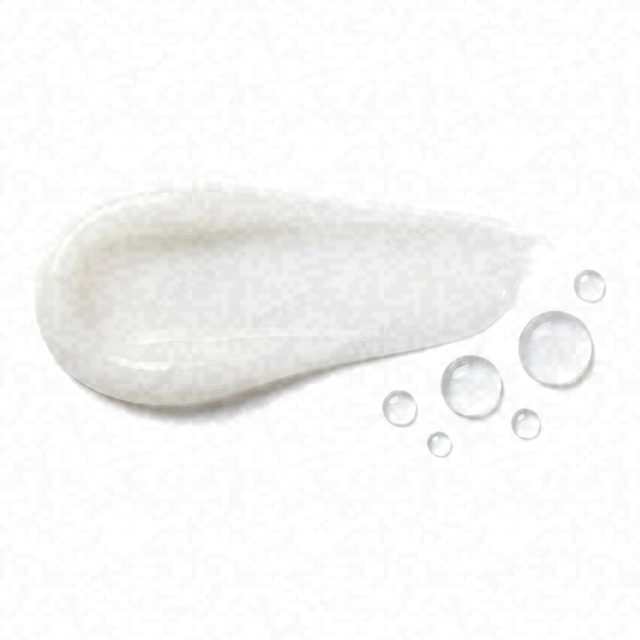 Caprylic Capric Triglyceride
Average
- HighCombination Skin Fit
- AverageEffectiveness
- HighSafety
Works for acne-prone skin; other cleansing masks fit it better.
This fit is calculated for the concerns frequently associated with acne-prone skin: breakouts, blackheads, and post-acne marks. For scores and recommendations based on your full skin profile, including your 12D face scan results and any goals or preferences you have, please use the Lovi app.
Page built Nov 8, 2026How the Fit score works
Lovi Assistant explains
- Offers moderate cleansing for your combination skin, as kaolin and argilla absorb excess sebum and impurities to manage oiliness.
- While it provides general skincare benefits, it lacks targeted ingredients for your acne, blemishes, and breakouts.
- The formula is safe for your combination skin with no risks of irritation due to the absence of harsh ingredients.
How to apply
- Use this cleansing mask during your PM weekly routine. Start 1x/week and increase if your skin tolerates it well.
- Apply this cleansing mask after using your pre-cleanser and cleanser , and before your hydrating toner.
- Spread an even layer of the cleansing mask over your face , avoiding any rubbing to protect your skin.
- Apply the cleansing mask to clean and dry skin to help clear up your blemishes effectively.
- Avoid the eye area and do a patch test before your first use.
People Say
★4.6Overall rating based on 1000+ reviewsUsers with oily, acne-prone, and sensitive skin highly rate this clay mask for its ability to mattify shine and unclog pores without causing dryness. Most users find the experience creamy and non-stripping, leaving skin feeling fresh and soft. A small number of users reported irritation or felt the mask was ineffective for deep blackheads.
Highlights
Effective oil control Mostly Mentioned
- “keeps sebum production at bay”
- “face looked very matte”
- “controls oil and shine”
Non-drying and gentle Often Mentioned
- “soothed without tightness”
- “creamy and non-drying”
- “skin felt cool but no dryness”
Pore refining Often Mentioned
- “pores didn't look as enlarged”
- “visibly unclog pores”
- “skin looks clean and refreshed”
Easy application Sometimes Noted
- “glides onto face”
- “washes off really very easily”
- “smooth consistency”
Lack of results Rarely Noted
- “not sure it's working”
- “didn't see results”
- “pores still visible”
Price vs. size Rarely Noted
- “bit pricey”
- “expensive for the size”
- “tube is small”
Skin irritation Rarely Noted
- “burning sensation”
- “rashes after using”
- “face was red with irritation”
Unpleasant scent Rarely Noted
- “smells like hand sanitizer”
- “chemical-like smell”
- “smells like rust”
Sources: lovi.care, laroche-posay.us, cocooncenter.co.uk, lovelyskin.com, dermstore.com, lookfantastic.com, and more
Questions and answers
How well does La Roche-Posay Effaclar Mask work for acne-prone skin?
La Roche-Posay Effaclar Mask works well for managing oiliness on acne-prone skin, though it lacks targeted ingredients for breakouts. A cleansing mask for this skin needs effective acne-fighting ingredients like salicylic acid and zinc oxide to clear blemishes while keeping skin balanced and calm.
Skin Research and Technology, 2023Forschende Komplementarmedizin, 2012
Which ingredients make this mask a good fit for acne-prone skin?
Kaolin helps absorb excess oil and impurities from your acne-prone skin, while glycerin and panthenol help keep it moisturized and calm. However, a product of this type needs targeted ingredients like salicylic acid, zinc oxide, or niacinamide to truly treat breakouts and blemishes.
Skin Research and Technology, 2023Journal of Cosmetic Dermatology, 2025
What does Kaolin Clay do for acne-prone skin?
Kaolin clay helps absorb excess oil and calms redness in acne-prone skin with a strong safety profile. Using a clay mask twice a week may improve acne and skin evenness while keeping dryness under control.
Skin Research and Technology, 2023Archives of Dermatological Research, 2024
What does Glycerin do for acne-prone skin?
Glycerin helps keep acne-prone skin hydrated and calm without clogging pores or feeling heavy. It supports the skin barrier so it stays soft and smooth while handling everyday treatments.
The British Journal of Dermatology, 2008International Journal of Toxicology, 2019
Where does it go in a skincare routine for acne-prone skin?
This cleansing mask fits into a weekly routine as a once-a-week step used after cleansing and before toning and moisturizing. Acne-prone skin needs products with targeted active ingredients to manage blemishes and breakouts.
Can I use this mask with retinol, and in what order?
You can use this mask in your weekly routine, but it lacks targeted ingredients for acne and breakouts, so this skin needs added blemish-fighting ingredients to properly care for acne.
How often should I use it?
You can use this cleansing mask once a week as part of your weekly routine. Clay masks of this type are typically used weekly to absorb excess oil and manage shine without causing irritation on acne-prone skin.
Skin Research and Technology, 2023Forschende Komplementarmedizin, 2012
Can this mask clog pores, cause breakouts or purging for acne-prone skin?
This mask is unlikely to clog pores or cause breakouts for acne-prone skin, as it contains clays that absorb excess oil without harsh ingredients. However, because it lacks targeted blemish-fighting ingredients, acne-prone skin needs products that include active ingredients like salicylic acid or benzoyl peroxide to truly clear breakouts.
Skin Research and Technology, 2023Forschende Komplementarmedizin, 2012
Is it fragrance-free and alcohol-free?
It has no drying alcohol and contains fragrance (parfum). Cetearyl alcohol is a fatty alcohol, which soften the skin.
What the research says
Twice-weekly use of a clay mask over 4 weeks in 75 adults with oily or combination skin improved acne-related outcomes, sebum content, skin evenness, hydration, and reduced dryness and irritation.
Skin Research and Technology, 2023Clay jojoba oil facial masks reduced total skin lesions by a mean of 54% after 6 weeks in 133 participants with acne-prone, lesioned skin and mild acne compared to baseline.
Forschende Komplementarmedizin, 2012A panthenol-enriched mask significantly decreased erythema and hyperpigmentation, increased sebum and stratum corneum moisture, and reduced transepidermal water loss compared to a saline dressing in 60 subjects undergoing facial laser treatment.
Journal of Cosmetic Dermatology, 2025Topical dexpanthenol acts as a moisturizer, improves stratum corneum hydration, accelerates wound healing and epidermal regeneration, reduces erythema, and improves symptoms of skin irritation compared to vehicle or no pretreatment.
American Journal of Clinical Dermatology, 2002A new topical panthenol-containing emollient significantly improved transepidermal water loss reduction, stratum corneum hydration, and intercellular lipid lamellae length compared with control in healthy subjects without negatively impacting bacterial viability.
The Journal of Dermatological Treatment, 2017Vectorization of high molecular weight hyaluronic acid with clay enabled its penetration into deeper skin layers and led to a significant clinical reduction in fine lines in the crow's feet area compared to placebo after 28 days.
Skin Research and Technology, 2024A pharmaceutical formulation containing therapeutic clay from Ocara, Brazil, promoted greater formation of collagen fibers, regeneration of the deep dermis at seven days, and reepithelialization with continuous granulation tissue formation at 14 days in rat skin wounds compared to untreated controls.
Materials Science & Engineering. C, Materials for Biological Applications, 2014Topical clay application increased the number of collagen fibres in rat skin at 7 days compared with control skin (51.74% vs. 43.39%), but showed no further increase at 14 days.
Clinical and Experimental Dermatology, 2012A single application of a moisturizing fluid containing hyaluronic acid 1%, glycerin 5%, and Centella asiatica stem cells extract significantly increased skin hydration by 29% and reduced transepidermal water loss at 24 hours compared to baseline and an untreated control site in twenty healthy women.
Clinical, Cosmetic and Investigational Dermatology, 2017The emollient V0034CR significantly reduced TEWL compared to vehicle and vehicle plus glycerol, and significantly increased corneometry scores compared to vehicle and vehicle plus petrolatum in healthy volunteers with dry skin, demonstrating combined barrier function improvement from petrolatum and hydration improvement from glycerol.
Journal of Cosmetic Dermatology, 2020Ten days of treatment with a cream containing 20% glycerin significantly increased skin hydration measured by corneometer values in 17 healthy volunteers compared to a placebo cream, but showed no influence on transepidermal water loss or skin sensitivity to an irritating surfactant.
International Journal of Cosmetic Science, 2001Moisturizer containing 5% panthenol, madecassoside, and copper-zinc-manganese decreased adverse reactions and downtime after ablative fractional carbon dioxide laser resurfacing with comparable efficacy to 0.02% triamcinolone acetonide cream in 20 subjects.
Journal of Cosmetic Dermatology, 2019Topical dexpanthenol formulated in lipophilic vehicles improved stratum corneum hydration and reduced transepidermal water loss compared to vehicle control in humans.
Arzneimittel-Forschung, 2000Hyaluronic acid, hyaluronic acid plus dexpanthenol, and isotonic saline nasal sprays all significantly improved dry nose symptoms over four weeks in 240 patients, with hyaluronic acid plus dexpanthenol providing superior nasal moisturisation compared to the other two.
Auris, Nasus, Larynx, 2020Microfine titanium dioxide does not penetrate human skin when formulated in an oil-in-water emulsion with the pigment dispersed in the aqueous phase, compared to oily dispersions and liposomal encapsulation which allow deeper skin penetration.
International Journal of Cosmetic Science, 2000Replacing microsized titanium dioxide and zinc oxide with nanoparticles in sunscreens eliminates opaqueness and alters UV protection balance while inducing (photo)cyto- and genotoxicity and penetrating viable skin layers during long-term exposures.
Nanotechnology, Science and Applications, 2011Microfine zinc oxide and titanium dioxide do not penetrate the stratum corneum of porcine skin in vitro, indicating that their use in sunscreens does not pose a health risk from internal exposure.
Toxicology in Vitro, 2006Topical application of an emollient emulsion containing 15.0% caprylic/capric triglyceride doubled the amount of urocanic acid isomers and increased skin hydration with reduced transepidermal water loss in healthy subjects, though it did not prevent ultraviolet-induced urocanic acid isomerization.
Life, 2023
Why other cleansing masks fit acne-prone skin better
A 30% supramolecular salicylic acid peel improved the global acne grading score and skin barrier indicators, decreased cutaneous microbiome richness and evenness along with Staphylococcus proportion, reduced inflammatory cytokines, and increased caveolin-1 expression in 28 patients with moderate-to-severe acne vulgaris.
Dermatology and Therapy, 2023A moisturizer containing licochalcone A, 1,2-decanediol, L-carnitine, and salicylic acid significantly reduced noninflammatory, inflammatory, and total acne lesion counts compared to a vehicle control in Thai patients during a 12-week maintenance phase.
BioMed Research International, 2020Treatment with 45% mandelic acid peel showed nearly equal overall efficacy as 30% salicylic acid peel in patients with mild-to-moderate facial acne vulgaris, but with fewer adverse effects.
Journal of Cosmetic Dermatology, 2020
Ingredients
Water, Kaolin, Argilla, Magnesium Aluminum Silicate, Propanediol, Panthenol, Glycerin, Caprylic Capric Triglyceride, Ci 77891, Titanium Dioxide, Cetearyl Alcohol, Zea Mays Starch, Cellulose, Ceteareth-20, Lecithin, Caprylyl Glycol, Citric Acid, Xanthan Gum, Tocopherol, Phenoxyethanol, Parfum, B188052 1
Behind this fit score
Lovi calculates every fit score from the full ingredient list with brand-independent rules our dermatologists and cosmetic chemists build and review, and personalizes every pick with AI trained on the real results of millions of users. Lovi trains its fit score models on a proprietary dataset built from more than 10,000 expert-labeled products and more than 100,000 simulated examples, following an internally consistent methodology presented at Cosmoprof, AMWC, and Skin of Color Update.
-

Co-founder, Medical Director
Cosmetic chemist, cosmetologist, aesthetic products developer
-

Co-founder, CEO and CTO
PhD in computer science, 3x US patent holder, ex-Google, ex-Yandex
-

Dr. Sofía Perea Pérez, MD, MSc
Medical Board
Aesthetic medicine practitioner, MSc in Longevity and Anti-Aging Medicine
-

Medical Board
Specialist dermatologist, MBBS, MD, IFAAD
-

Medical Board
Cosmetic chemist, SCS, IFSCC member
-

Medical Board, Medical Advisor
Dermatology MD
-

Elina Nazarenko, MD
Medical Board
Dermatology and diagnostic consultant
-

Victoria Derkova, MS
Medical Board
Cosmetic chemist, cosmetic development technologist


How does it fit your skin?
Scan your face, then any product: Lovi shows how well it fits you and what fits even better.