Kose Sekkisei Emulsion for sensitive skin

 Ascorbyl Glucoside
 Squalane
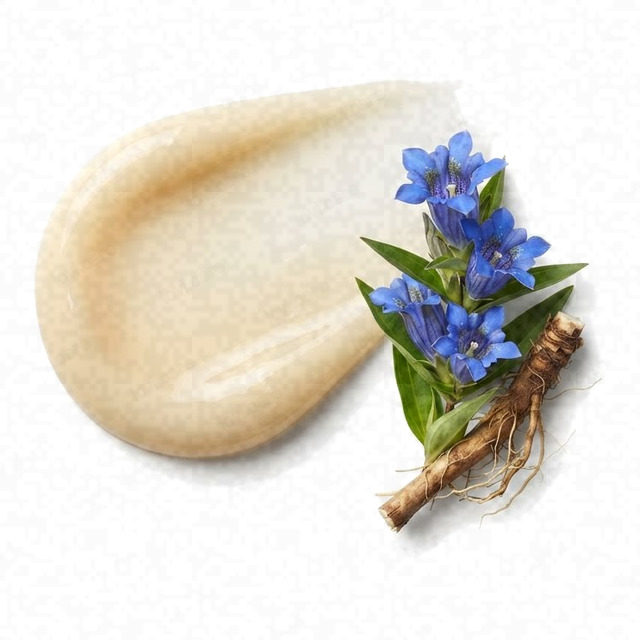 Gentiana Lutea Root Extract
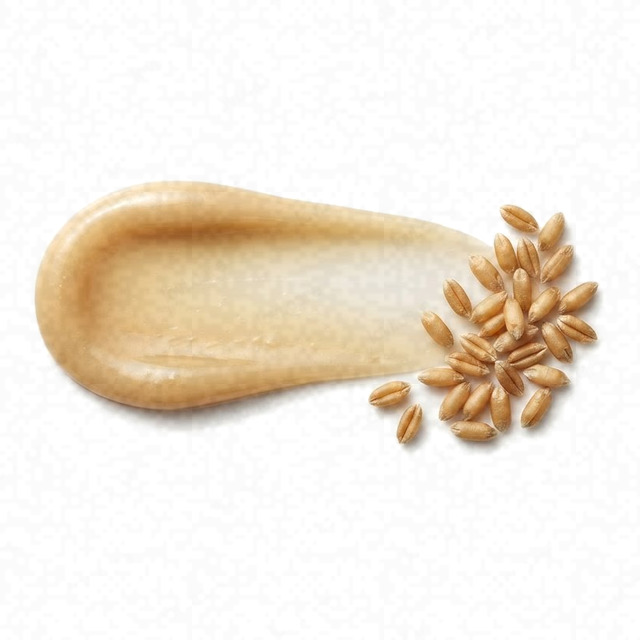 Wheat Germ Oil
 Tocopheryl Acetate
Average
- HighNormal Skin Fit
- AverageEffectiveness
- HighSafety
Works for sensitive skin; other moisturizers fit it better.
This fit is calculated for the concerns frequently associated with sensitive skin: redness, stinging, and reactions to new products. For scores and recommendations based on your full skin profile, including your 12D face scan results and any goals or preferences you have, please use the Lovi app.
Page built Nov 8, 2026How the Fit score works
Lovi Assistant explains
- Offers moderate hydration and barrier support for your normal skin, as glycerin and squalane provide humectant and emollient benefits, respectively, enhancing skin comfort.
- While the formula is generally soothing for sensitive skin due to ingredients like Gentiana Lutea Extract and Hammamelis Extract, it lacks specialized components to directly address your redness and irritation concerns.
- The product is safe for your sensitive skin, featuring a formulation free from harsh or prohibited ingredients and enriched with soothing agents.
How to apply
- Use this soothing AM and PM routine every day to keep your normal skin calm. Always remember to apply SPF in the morning after your moisturizer.
- Apply your moisturizer after your toner in the morning, and after your serum in the evening. This step locks in hydration and protects your skin.
- Gently press a small amount of the moisturizer evenly across your face. Avoid rubbing to keep your sensitive skin happy and calm.
- You can apply this gentle formula on dry or slightly damp skin for the best comfort. It works wonderfully on clean skin to soothe redness and irritation.
- Do a patch test before your very first use to check your skin's reaction. Avoid getting the product directly into your eyes .
People Say
★4.4Overall rating based on 200+ reviewsUsers generally praise this emulsion for its lightweight yet deeply hydrating formula that effectively brightens dull complexions and fades dark spots over time. While it is celebrated for creating a "snow-like" translucency and smoothing skin texture, those with oily or sensitive skin occasionally report issues with stickiness and the strong alcohol content.
Highlights
Lightweight hydration Mostly Mentioned
- “Lightweight yet deeply hydrating”
- “Absorbs quickly without grease”
- “My dry skin drinks it up”
Brightens skin tone Often Mentioned
- “Skin complexion brightened up a lot”
- “Noticeably more radiant”
- “Whitening effect is visible”
Smooths skin texture Often Mentioned
- “Leaves skin feeling smooth and supple”
- “Soft smoothness I haven't experienced before”
- “Improves skin's texture”
Strong alcohol scent Often Mentioned
- “Smelled... with a light hint of alcohol”
- “Contains fragrance and alcohol”
- “Scent is too strong for me”
Fades dark spots Sometimes Noted
- “Helps minimize appearance of dark spots”
- “Prevents freckles and aging spots”
- “Dark spots are removed and lessened”
High price point Sometimes Noted
- “Expensive for my budget”
- “Pricey for the size”
- “Bit expensive but worth it”
Sticky residue Sometimes Noted
- “Leaves a sticky and oily feeling”
- “Face looking a bit wet and oily”
- “Deep dry feeling after a few days”
Causes breakouts Rarely Noted
- “It broke me out each time”
- “Caused acne for oily skin”
- “ bumps appeared the next day”
Sources: lovi.care, kose-usa.com, influenster.com, cozycot.com, medium.com, dailysnippetsoflife.com, and more
Questions and answers
How well does Sekkisei Emulsion work for sensitive skin?
This emulsion works for sensitive skin, though other products fit it better because it lacks specialized ingredients to directly calm redness and irritation. A product of this type needs soothing ingredients like fermented Centella Asiatica and ceramides to calm redness and repair the skin barrier.
Phytochemistry, 2001International Journal of Cosmetic Science, 2023
Which ingredients make this moisturizer a good fit for sensitive skin?
This moisturizer is generally soothing for sensitive skin because it contains soothing ingredients like Gentiana Lutea Extract and Hammamelis Extract. To be an even better fit for sensitive skin, a product of this type needs highly effective soothing ingredients that specifically target redness and irritation, such as fermented Centella Asiatica, cica ceramide, and nourishing oils.
Phytochemistry, 2001International Journal of Cosmetic Science, 2023
What does Ascorbyl Glucoside do for sensitive skin?
Ascorbyl Glucoside helps brighten skin, smooth out dark spots, and protect against daily damage without causing irritation. Studies show it is gentle and stable, making it a great option for sensitive skin to look brighter and more even.
Journal of Cosmetic Dermatology, 2012International Journal of Cosmetic Science, 2021
What does Squalane do for sensitive skin?
Squalane helps calm sensitive skin by defending against everyday irritation and keeping it smooth and soft. It is unlikely to cause irritation and supports your skin barrier so it stays comfortable and hydrated.
Where does this moisturizer go in a skincare routine for sensitive skin?
This moisturizer is used in the evening routine for sensitive skin, coming after a cleanser and soothing toner and before your final moisturizer. A product of this type for sensitive skin needs calming plant extracts and soothing barrier ingredients to keep skin soft and comfortable without causing irritation.
Can I use this moisturizer with retinol, and in what order?
You can use this moisturizer with retinol by applying your retinol first and following it with this cream to help keep your skin comfortable. This product works well for sensitive skin, though sensitive skin dealing with redness and irritation often needs a product with extra barrier-restoring ingredients like ceramides and targeted anti-redness agents.
How often should I use this moisturizer?
You can use this moisturizing treatment twice daily as part of your morning and evening routines. Daily application helps improve skin moisture and keeps your skin feeling soft and comfortable. Sensitive skin needs a product of this type that also includes extra calming ingredients to directly target redness and irritation.
Journal of Cosmetic Dermatology, 2020Health Science Reports, 2021
Can this moisturizer clog pores, cause breakouts or purging for sensitive skin?
This moisturizer is unlikely to cause breakouts for sensitive skin, as reviewers rarely report this issue. To better calm redness and irritation on sensitive skin, a product of this type needs specialized soothing ingredients and extra barrier support.
Can I use this moisturizer around the eyes or on my body?
This moisturizer is safe to use around the eyes and on the body, though it provides only moderate moisture and lacks specialized ingredients for redness. Sensitive skin of this type needs richer barrier-supporting oils and targeted calming agents for the delicate eye and body areas.
Is this moisturizer fragrance-free and alcohol-free?
It has no fragrance and contains drying alcohol (ethanol).
What the research says
A single application of a moisturizing fluid containing hyaluronic acid 1%, glycerin 5%, and Centella asiatica stem cells extract significantly increased skin hydration by 29% and reduced transepidermal water loss at 24 hours compared to baseline and an untreated control site in twenty healthy women.
Clinical, Cosmetic and Investigational Dermatology, 2017Hamamelis bark proanthocyanidins strongly increased the proliferation of cultured human keratinocytes and reduced transepidermal water loss and erythema formation in SLS-irritated skin, whereas the polysaccharide fraction had no effect.
Phytochemistry, 2001Topical application of Gentiana lutea extract reduced average roughness, relief of the upper eyelid skin, and redness of dark circles in 22 subjects after 14 days compared to placebo.
International Journal of Cosmetic Science, 2023Topical application of 5% vitamin C cream significantly improved global clinical scores, increased skin microrelief density, and induced elastic tissue repair in photoaged skin compared to excipient control in healthy female volunteers.
Experimental Dermatology, 2003Ascorbic acid 2-glucoside gel significantly reduced gingival melanin pigmentation after 4 weeks compared to placebo in 73 subjects with symmetric pigmentation.
Journal of Periodontology, 2009Topical application of VC-IP cream twice daily for 8 weeks reduces periorbital wrinkles in female subjects compared to a placebo cream.
Journal of Cosmetic Dermatology, 2022Squalane at 0.005-0.015% counteracts UVA-induced oxidative stress, inflammation, and collagen metabolism inhibition while stimulating fibroblast migration in human dermal fibroblasts.
Molecules, 2025Plant-derived squalane protected human dermal fibroblasts against UVA-induced damage by counteracting ROS formation, suppressing apoptosis-related proteins p53, caspase-3, caspase-9, and PARP, and restoring the pro-survival p-Akt/mTOR pathway.
Antioxidants, 2025Gentiana lutea extract increases lipid synthesis and triglyceride levels in human primary keratinocytes in vitro via p38 MAPK and PPARgamma signaling, and significantly increases skin lipid content in a proof-of-concept trial of 33 volunteers compared to placebo.
International Journal of Molecular Sciences, 2017Herbal moisturizers containing wheat germ oil, Aloe vera extract, and turmeric extract showed the greatest increase in skin hydration up to 168.125% in healthy human volunteers compared to other formulations.
Pharmacognosy Research, 2010A topical preparation containing urea, sunflower oil, evening primrose oil, wheat germ oil, and sodium pyruvate led to clinical improvement after a month in diverse hyperkeratotic skin conditions except pityriasis lichenoides.
Medicina Cutanea Ibero-latino-americana, 1986Topical application of wheat germ oil formulations induced dose-dependent wound healing in rats, with ointment formulations demonstrating significantly better activity than creams and the 20% WGO ointment achieving a 90% reduction in wound size diameter within three weeks compared to the control group.
Pakistan Journal of Biological Sciences, 2021Topical application of an antioxidant serum containing 15% ascorbic acid, 0.5% ferulic acid, and 1% tocopherol prevented particulate matter-induced degradation of extracellular matrix components, inflammation, and oxidative stress in the skin of 15 female volunteers compared to untreated controls.
Journal of Cosmetic Dermatology, 2025Dermatological products containing d-alpha tocopheryl acetate showed non-comedogenic potential with less than a 50% increase in microcomedones in 12 healthy male subjects compared to octyl palmitate.
Contemporary Clinical Trials Communications, 2021Topical application of an antioxidant mix containing 15% ascorbic acid, 0.5% ferulic acid, and 1% tocopherol prevented PM and UV-induced skin barrier perturbation, lipid peroxidation, inflammatory markers, MMP9 activation, and Type I collagen loss in 15 healthy females compared to untreated exposed skin.
Journal of Cosmetic Dermatology, 2024
Why other moisturizers fit sensitive skin better
A panthenol-enriched mask improved skin hydration, regulated sebum, and reduced redness and TEWL across dry sensitive, oily sensitive, and oily acne skin subgroups with excellent tolerance and no adverse reactions.
Journal of Cosmetic Dermatology, 2024Topical dexpanthenol acts as a moisturizer, improves stratum corneum hydration, accelerates wound healing and epidermal regeneration, reduces erythema, and improves symptoms of skin irritation compared to vehicle or no pretreatment.
American Journal of Clinical Dermatology, 2002A dexpanthenol-containing cream accelerated skin barrier repair, increased stratum corneum hydration, reduced skin roughness, and decreased skin redness compared to vehicle and untreated controls in sodium lauryl sulphate-irritated skin.
The Journal of Dermatological Treatment, 2002
Ingredients
Water, Ethanol, 1,3-Butylene Glycol, Glycerin, Dipropylene Glycol, Propylene Glycol Dicaprate, Gentiana Lutea Extract, Wheat Germ Oil, Dl-Α-Tocopherol Acetate, Glycerin Fatty Acid Ester, Dipentaerythritol Fatty Acid Ester, Cetostearyl Alcohol, 2-Ethylhexyl Paramethoxycinnamate, Polyacrylic Acid Amide, Polyethylene Glycol 400, Polyoxyethylene Lauryl Ether, Polyoxyethylene Sorbitan Monooleate, Sorbitan Monostearate, Light Liquid Isoparaffin, Squalane, Sodium Hydroxide, Absolute Ethanol, Paraoxybenzoic Acid Ester, Methyl Polysiloxane, Citric Acid, Button Extract, Sempukuka Extract, Disodium Edetate, Sodium Monohydrogen Phosphate, Polymethacryloyloxyethyl Phosphorylcholine Solution, Merosria Extract, L-Ascorbic Acid 2-Glucoside, Senpuka Extract, Hammamelis Extract, Hydrogenated Soybean Phospholipid
Behind this fit score
Lovi calculates every fit score from the full ingredient list with brand-independent rules our dermatologists and cosmetic chemists build and review, and personalizes every pick with AI trained on the real results of millions of users. Lovi trains its fit score models on a proprietary dataset built from more than 10,000 expert-labeled products and more than 100,000 simulated examples, following an internally consistent methodology presented at Cosmoprof, AMWC, and Skin of Color Update.
-

Co-founder, Medical Director
Cosmetic chemist, cosmetologist, aesthetic products developer
-

Co-founder, CEO and CTO
PhD in computer science, 3x US patent holder, ex-Google, ex-Yandex
-

Dr. Sofía Perea Pérez, MD, MSc
Medical Board
Aesthetic medicine practitioner, MSc in Longevity and Anti-Aging Medicine
-

Medical Board
Specialist dermatologist, MBBS, MD, IFAAD
-

Medical Board
Cosmetic chemist, SCS, IFSCC member
-

Medical Board, Medical Advisor
Dermatology MD
-

Elina Nazarenko, MD
Medical Board
Dermatology and diagnostic consultant
-

Victoria Derkova, MS
Medical Board
Cosmetic chemist, cosmetic development technologist


How does it fit your skin?
Scan your face, then any product: Lovi shows how well it fits you and what fits even better.