Eucerin UreaRepair Plus 10% Urea Lotion for oily acne-prone skin

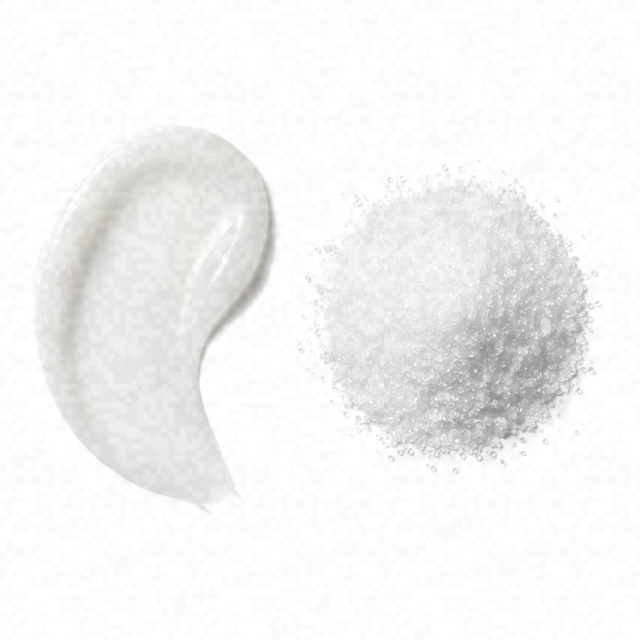 Urea
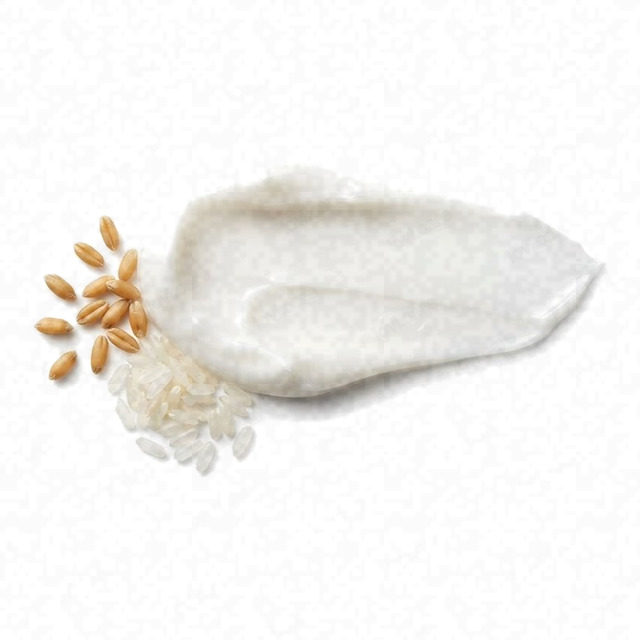 Ceramide
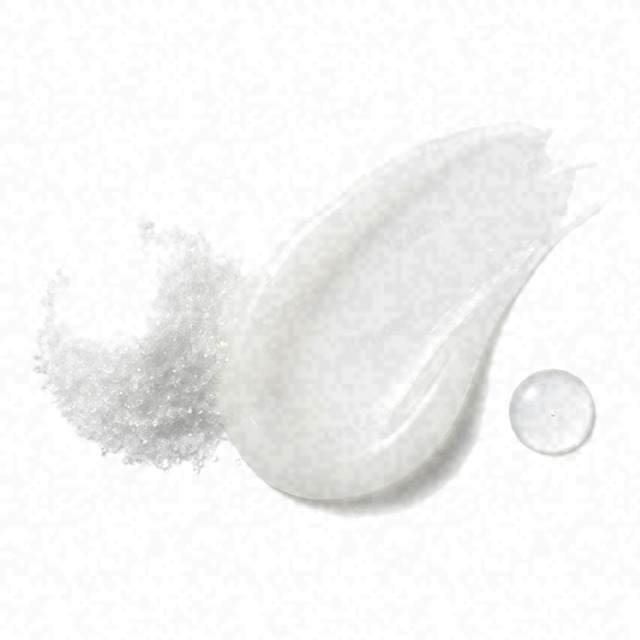 Moisturizing Factors Nmf
 Glycerin
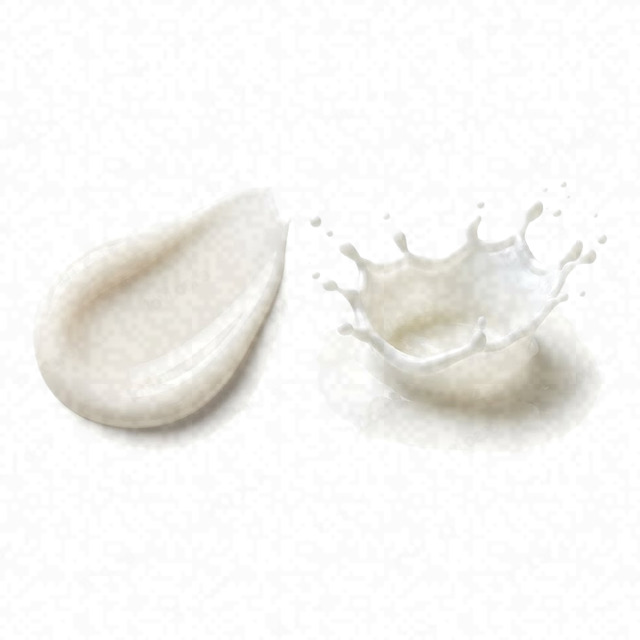 Sodium Lactate
Average
- AverageOily Skin Fit
- AverageEffectiveness
- HighSafety
Works for oily acne-prone skin; other products fit it better.
- Clinical, Cosmetic and Investigational Dermatology, 2017
- American Journal of Clinical Dermatology, 2002
This fit is calculated for the concerns frequently associated with oily acne-prone skin: shine, breakouts, blemishes, and enlarged pores. For scores and recommendations based on your full skin profile, including your 12D face scan results and any goals or preferences you have, please use the Lovi app.
Page built Nov 8, 2026How the Fit score works
Lovi Assistant explains
- Offers moderate suitability for your oily skin due to urea and lactic acid providing humectant action, but lacks sufficient ingredients for effective seboregulation to address your acne and breakouts.
- The product provides excellent moisturizing benefits with urea and glycerin, enhancing barrier resilience, but these are general skincare benefits and not targeted for your specific concerns.
- The safety profile is good, with no risks of irritation for your oily skin due to the absence of prohibited or harsh ingredients.
People Say
★4.7Overall rating based on 900+ reviewsWhile the vast majority of users experience immediate relief and long-lasting hydration that restores the skin barrier, a minority finds the texture sticky or difficult to apply.
Highlights
Heals rough, dry skin Mostly Mentioned
- “life saver for very dry and rough skin”
- “no longer have any dry patches”
- “heals and protects your skin”
Long-lasting hydration Often Mentioned
- “don't have to moisturise three times a day”
- “immediate and 48h dry skin relief”
- “skin felt really silky smooth”
Treats Keratosis Pilaris Often Mentioned
- “smooths the skin... especially strawberry skin”
- “arms and legs are so smooth”
- “helps reduce the appearance of chicken skin”
Fragrance-free formula Sometimes Noted
- “no fragrance to this lotion”
- “perfect for sensitive skin”
- “good for reactive skin”
Sticky or tacky residue Sometimes Noted
- “left my skin feeling sticky”
- “more on the sticky side”
- “can be a bit greasy for a while”
Application difficulty Rarely Noted
- “bit gloopy to apply”
- “hard and time consuming to apply”
- “texture is like thick glycerin”
Unpleasant natural scent Rarely Noted
- “smell is quite strong”
- “medicinal smell”
- “scent is not the best”
Sources: lovi.care, boots.com, lookfantastic.com, superdrug.com, cocooncenter.co.uk, escentual.com, and more
Questions and answers
How well does Eucerin UreaRepair Plus 10% Urea Lotion work for oily acne-prone skin?
This lotion offers a moderate fit for your skin, providing good moisture with urea and glycerin while carrying a low risk of irritation, but it lacks ingredients to properly balance oil and manage breakouts. A body lotion for oily acne-prone skin needs lightweight, oil-free hydration alongside ingredients that clear blemishes and regulate oil without clogging pores.
Which ingredients make this body lotion a good fit for oily acne-prone skin?
Urea and lactic acid make this body lotion an average fit for your oily skin by providing good moisture, though this product needs ingredients to manage oil and target breakouts. A better fit for this skin requires powerful hydrating and repairing ingredients, brightening agents, soothing extracts, peptides, and a lightweight texture without heavy oils.
What does Urea do for oily acne-prone skin?
Urea is generally not the best choice for oily, acne-prone skin because it is designed to deeply hydrate and soften dry skin, which can feel too heavy. Oily skin needs lightweight hydration and ingredients that help keep pores clear rather than rich moisturizers.
What do Ceramides do for oily acne-prone skin?
Ceramides help restore the protective barrier of oily, acne-prone skin, which often lacks these vital lipids and suffers from moisture loss and irritation. Using products with ceramides supports skin hydration, calms redness, and improves overall texture while managing breakouts.
Journal of Cosmetic Dermatology, 2026Journal of Cosmetic Dermatology, 2023
Where does it go in a skincare routine for oily acne-prone skin?
This body lotion goes in your morning or evening routine as a general moisturizer, but it lacks ingredients to manage your breakouts and oily skin. Oily acne-prone skin needs targeted ingredients like niacinamide or oil-balancing actives to help control excess oil and reduce blemishes.
The Journal of Dermatological Treatment, 2022International Journal of Cosmetic Science, 2020
Can I use this body lotion with retinol, and in what order?
You can use this body lotion with retinol by applying the retinol first and following it with the lotion. This helps keep your skin soft and is unlikely to cause irritation because the lotion has a safe formula, though oily acne-prone skin also needs targeted ingredients that help control oil and breakouts.
How often should I use it?
You can use this body lotion daily, as it is unlikely to cause irritation on your oily skin. To properly care for oily, acne-prone skin, a product of this type needs added oil-balancing ingredients that help clear breakouts.
Can it clog pores, cause breakouts or purging for oily acne-prone skin?
This lotion is unlikely to cause irritation for your oily skin, but it does not help clear or prevent breakouts. A product for oily acne-prone skin needs ingredients that control oil and target acne.
Is this body lotion fragrance-free and alcohol-free?
Yes, it has no fragrance and no drying alcohol. Cetearyl alcohol is a fatty alcohol, which soften the skin.
What the research says
A single application of a moisturizing fluid containing hyaluronic acid 1%, glycerin 5%, and Centella asiatica stem cells extract significantly increased skin hydration by 29% and reduced transepidermal water loss at 24 hours compared to baseline and an untreated control site in twenty healthy women.
Clinical, Cosmetic and Investigational Dermatology, 2017Topical 40% urea cream achieved improvement in less time and showed superiority over 12% ammonium lactate lotion in skin roughness, fissure reduction, thickness, and dryness at day 14 in patients treated for moderate to severe xerosis.
American Journal of Clinical Dermatology, 2002Topical treatment with K101 achieved a significantly higher mycological cure rate compared to placebo in patients with ≤50% nail involvement (27.2% vs 10.4%), while showing early visible improvements in nail appearance and no safety issues.
Mycoses, 2012The emollient V0034CR significantly reduced TEWL compared to vehicle and vehicle plus glycerol, and significantly increased corneometry scores compared to vehicle and vehicle plus petrolatum in healthy volunteers with dry skin, demonstrating combined barrier function improvement from petrolatum and hydration improvement from glycerol.
Journal of Cosmetic Dermatology, 2020Ten days of treatment with a cream containing 20% glycerin significantly increased skin hydration measured by corneometer values in 17 healthy volunteers compared to a placebo cream, but showed no influence on transepidermal water loss or skin sensitivity to an irritating surfactant.
International Journal of Cosmetic Science, 2001Niacinamide/glycerin body moisturizers provided better rapid and prolonged improvement of cosmetic xerosis through functional improvement of stratum corneum barrier function compared to no treatment and conventional moisturizers in female subjects.
Journal of Drugs in Dermatology, 2012Specially neutralized 12% lactate lotion provided significantly greater reductions in xerosis severity scores compared with a nonlactated emollient lotion and a 5% lactic acid lotion during the post-treatment regression period in sixty patients with moderate to severe xerosis.
Archives of Dermatology, 1983Long-pulsed alexandrite laser achieved a significantly greater mean percent reduction in pigmentation area compared to topical tretinoin-ammonium lactate (25.7% versus 18.3%) in 15 patients with bilateral axillary acanthosis nigricans over 14 weeks.
Caspian Journal of Internal Medicine, 2016Topical application of 5% aqueous lactate lotion twice a day for 1 year achieved a 90-100% reduction in inflammatory lesions in 40.9% of patients and in non-inflammatory lesions in 22.7% of patients, with most patients showing significant reduction in lesion counts.
Indian Journal of Dermatology, Venereology and Leprology, 2002
Why other products fit oily acne-prone skin better
Co-delivery of paeonol and madecassoside via nanoemulsions improved transdermal delivery, promoted barrier repair proteins, inhibited inflammatory cytokine secretion in cellular and 3D models, and reduced transepidermal water loss and acne in human facial skin compared to free components.
Molecules, 2023A panthenol-enriched mask improved skin hydration, regulated sebum, and reduced redness and TEWL across dry sensitive, oily sensitive, and oily acne skin subgroups with excellent tolerance and no adverse reactions.
Journal of Cosmetic Dermatology, 2024A facial serum containing snail secretion filtrate, Calendula officinalis, and Glycyrrhiza glabra root extract significantly reduced inflammatory acne lesions compared to placebo in 66 participants with mild-to-moderate maskne over 12 weeks.
Journal of Cosmetic Dermatology, 2022
Ingredients
Water, Urea, Glycerin, Isopropyl Stearate, Dicaprylyl Ether, Glyceryl Glucoside, Sodium Lactate, Butyrospermum Parkii Butter, Tapioca, Polyglyceryl-4 Diisostearate-Polyhydroxystearate-Sebacate, Carnitine, Cetearyl Alcohol, Ceramide Np, Arginine Hcl, Sodium Pca, Histidine, Alanine, Citrulline, Lysine, Serine, Lactic Acid, Sodium Chloride, Mannitol, Sucrose, Glutamic Acid, Threonine, Glycogen, 1-2-Hexanediol, Phenoxyethanol, Potassium Sorbate, Arginine, Pca
Behind this fit score
Lovi calculates every fit score from the full ingredient list with brand-independent rules our dermatologists and cosmetic chemists build and review, and personalizes every pick with AI trained on the real results of millions of users. Lovi trains its fit score models on a proprietary dataset built from more than 10,000 expert-labeled products and more than 100,000 simulated examples, following an internally consistent methodology presented at Cosmoprof, AMWC, and Skin of Color Update.
-

Co-founder, Medical Director
Cosmetic chemist, cosmetologist, aesthetic products developer
-

Co-founder, CEO and CTO
PhD in computer science, 3x US patent holder, ex-Google, ex-Yandex
-

Dr. Sofía Perea Pérez, MD, MSc
Medical Board
Aesthetic medicine practitioner, MSc in Longevity and Anti-Aging Medicine
-

Medical Board
Specialist dermatologist, MBBS, MD, IFAAD
-

Medical Board
Cosmetic chemist, SCS, IFSCC member
-

Medical Board, Medical Advisor
Dermatology MD
-

Elina Nazarenko, MD
Medical Board
Dermatology and diagnostic consultant
-

Victoria Derkova, MS
Medical Board
Cosmetic chemist, cosmetic development technologist


How does it fit your skin?
Scan your face, then any product: Lovi shows how well it fits you and what fits even better.