Etude House Moistfull Collagen Cream for acne-prone skin

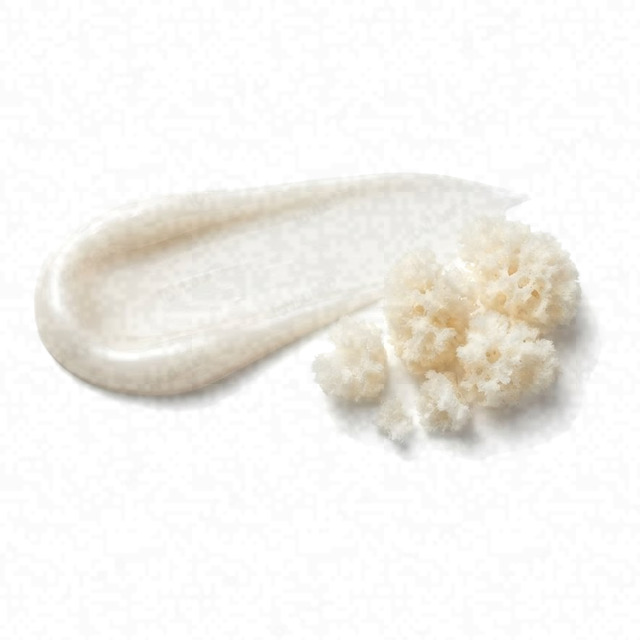 Hydrolyzed Collagen
 Butylene Glycol
 Glycerin
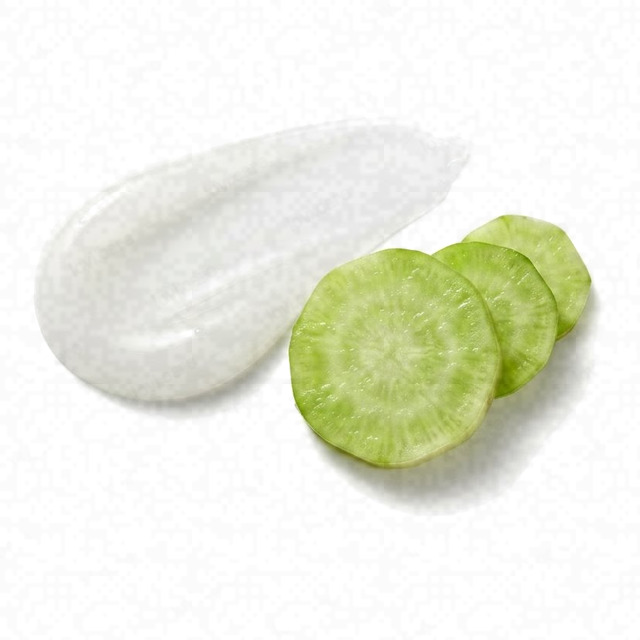 Betaine
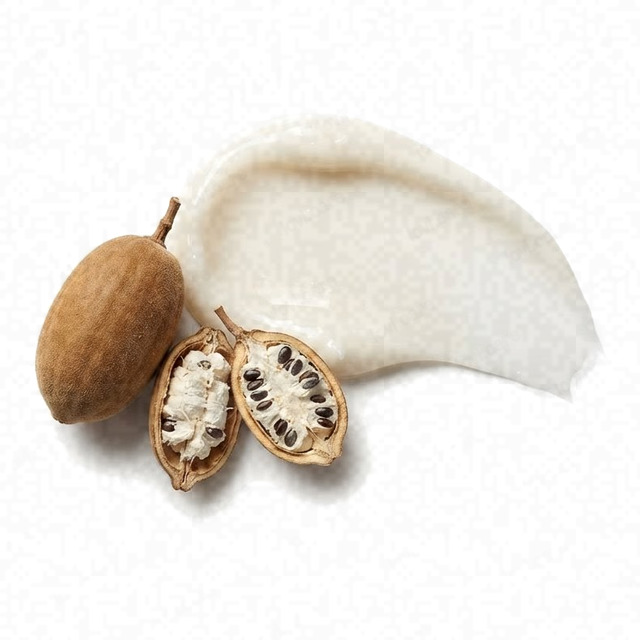 Adansonia Digitata Extract
Average
- AverageCombination Skin Fit
- AverageEffectiveness
- HighSafety
Works for acne-prone skin; other moisturizers fit it better.
This fit is calculated for the concerns frequently associated with acne-prone skin: breakouts, blackheads, and post-acne marks. For scores and recommendations based on your full skin profile, including your 12D face scan results and any goals or preferences you have, please use the Lovi app.
Page built Nov 8, 2026How the Fit score works
Lovi Assistant explains
- Offers moderate moisturizing for your combination skin, as glycerin and hydrolyzed collagen hydrate and improve elasticity, but it lacks specialized ingredients to directly target acne, blemishes, and breakouts.
- The formula provides general skincare benefits supportive for acne-prone skin, though it could benefit from enhanced oil control measures.
- The product is safe for your combination skin with no risks of irritation due to the absence of prohibited or harsh ingredients.
How to apply
- Use your moisturizer twice a day in your AM and PM routines. Apply it daily to help keep breakouts under control.
- Apply after your cleanser and toner, and make sure to use your SPF right after in the morning.
- Gently spread a small amount of moisturizer over your face using soft motions. Let it absorb into the skin for a minute before getting dressed or applying makeup.
- Apply on slightly damp skin to help lock in extra moisture. This keeps your combination skin balanced without feeling heavy.
- Avoid the eye area and do a patch test before your first use. Stop using if you feel any irritation.
People Say
★4.4Overall rating based on 300+ reviewsUsers with combination to dry skin frequently praise this cream for its lightweight, gel-like texture that provides deep hydration without feeling heavy or greasy. While many report "bouncy" and soft skin, some long-time users express disappointment with the reformulation, citing a stronger scent and decreased effectiveness compared to the original version.
Highlights
Lightweight texture Mostly Mentioned
- “Gel-like consistency”
- “absorbs instantly”
- “non-greasy”
- “light on skin”
- “breathable formula”
Deep hydration Often Mentioned
- “Super moisturizing”
- “plumps fine lines”
- “dewy finish”
- “glass skin effect”
- “long-lasting moisture”
Skin feel Often Mentioned
- “Bouncy skin”
- “soft and supple”
- “smooth texture”
- “improves elasticity”
- “no sticky residue”
Strong fragrance Often Mentioned
- “Overpowering perfume”
- “strong rose scent”
- “lingers too long”
- “irritates sensitive nose”
- “smells like chemicals”
Pleasant scent Sometimes Noted
- “Fresh floral smell”
- “clean fragrance”
- “light citrus notes”
- “refreshing scent”
- “not overpowering”
Value for money Sometimes Noted
- “Affordable price”
- “huge jar”
- “little goes a long way”
- “lasts for months”
- “budget-friendly staple”
Not for dry skin Sometimes Noted
- “Not enough for winter”
- “need to layer”
- “too light for dry patches”
- “skin felt tight later”
- “better for summer”
Reformulation issues Sometimes Noted
- “Old formula better”
- “new version disappointing”
- “less hydrating now”
- “changed consistency”
- “miss the original”
Caused breakouts Rarely Noted
- “Caused whiteheads”
- “clogged pores”
- “cystic acne flare-up”
- “tiny bumps appeared”
- “irritated sensitive skin”
Sticky finish Rarely Noted
- “Tacky at first”
- “leaves sticky film”
- “takes time to dry”
- “feels heavy initially”
- “interferes with makeup”
Sources: lovi.care, sokoglam.com, influenster.com, iherb.com, yesstyle.com, amazon.com, and more
Questions and answers
How well does Etude House Moistfull Collagen work for acne-prone skin?
Etude House Moistfull Collagen Cream is an average fit for acne-prone skin, as it provides moderate hydration with glycerin and hydrolyzed collagen but lacks specialized ingredients to directly target blemishes and breakouts. To work better for this skin, a product of this type needs specialized ingredients for acne and blemishes, soothing extracts, and oil control measures.
Which ingredients make this cream a good fit for acne-prone skin?
Glycerin and hydrolyzed collagen make this cream a good fit by hydrating your skin, but this skin type needs a moisturizing treatment with specialized ingredients that target breakouts and control oil.
What does Hydrolyzed Collagen do for acne-prone skin?
Hydrolyzed Collagen is unlikely to treat acne directly, but it may help improve overall skin hydration and elasticity as part of your routine. This type of product needs added ingredients like niacinamide or soothing plant extracts to effectively calm breakouts and care for acne-prone skin.
What does Butylene Glycol do for acne-prone skin?
Butylene glycol helps active ingredients soak into acne-prone skin more easily while drawing in moisture to keep skin soft. It is unlikely to clog pores, making it a common choice for lightweight hydration.
Where does this cream go in a skincare routine for acne-prone skin?
This moisturizing treatment goes near the end of your morning and evening routines, right before sunscreen in the morning. It provides moderate hydration with glycerin and hydrolyzed collagen, but for acne-prone skin, this type of product also needs specialized ingredients to target breakouts and enhanced oil control measures.
The Journal of Dermatological Treatment, 2022Clinical, Cosmetic and Investigational Dermatology, 2017
Can I use this cream with retinol, and in what order?
Yes, you can use this cream with retinol by applying it after your retinol treatment to keep your skin calm and hydrated. Using a moisturizer alongside retinol helps reduce dryness and irritation while supporting your skin barrier, though acne-prone skin also needs targeted ingredients for oil control and blemishes.
How often should I use this cream?
You can use this moisturizing treatment twice a day as part of your morning and evening routine. Regular daily application helps keep your skin hydrated and smooth while supporting your skin barrier, though acne-prone skin needs additional oil control and blemish-targeting ingredients to get the best results.
Journal of Cosmetic Dermatology, 2020Health Science Reports, 2021
Can this cream clog pores, cause breakouts or purging for acne-prone skin?
This cream is unlikely to cause irritation, but it may cause breakouts for acne-prone skin because it lacks specialized ingredients to directly target blemishes and oil control. A product of this type needs targeted acne-fighting ingredients and oil control measures to truly fit this skin.
Can I use this cream around the eyes or on my body?
This cream is safe to use around the eyes or on the body because its gentle formula has a very good safety profile and is unlikely to cause irritation. However, because it provides only moderate moisture, skin on the body and around the eyes often needs richer ingredients like heavier oils or targeted firming extracts to stay properly hydrated.
Is this cream fragrance-free and alcohol-free?
It has no drying alcohol and contains fragrance (parfum). Arachidyl alcohol and behenyl alcohol are fatty alcohols, which soften the skin.
What the research says
A single application of a moisturizing fluid containing hyaluronic acid 1%, glycerin 5%, and Centella asiatica stem cells extract significantly increased skin hydration by 29% and reduced transepidermal water loss at 24 hours compared to baseline and an untreated control site in twenty healthy women.
Clinical, Cosmetic and Investigational Dermatology, 2017Soaps containing betaine caused the least skin irritation compared to other tested soaps in twenty-eight healthy subjects, though irritation did not decrease with increasing concentrations of betaine.
Skin Research and Technology, 2003A combination of Aloe barbadensis leaf extract and trimethylglycine in a 1:1 mass ratio synergistically increased aquaporin 3 expression by up to 380% in keratinocytes and safely improved skin hydration in healthy volunteers.
Molecules, 2024Topical application of TAC/Collagen postbiotics gel improved skin moisture score and inflammation index, and reduced porphyrins and brown spots in 20 volunteers with acne vulgaris.
Journal of Cosmetic Dermatology, 2022Topical collagen tripeptide application improved skin wrinkles, elasticity, and density while reducing advanced glycated end products in 22 Asian women over 4 weeks.
International Journal of Molecular Sciences, 2022Marine collagen extracted from Greenland halibut skin showed a non-cytotoxic effect on fibroblast cells and provided a slight skin hydration effect when incorporated into cosmetic hydrogel formulations at dosages of 0.1, 0.25, and 0.5% in 23 healthy volunteers.
Marine Drugs, 2023The emollient V0034CR significantly reduced TEWL compared to vehicle and vehicle plus glycerol, and significantly increased corneometry scores compared to vehicle and vehicle plus petrolatum in healthy volunteers with dry skin, demonstrating combined barrier function improvement from petrolatum and hydration improvement from glycerol.
Journal of Cosmetic Dermatology, 2020Ten days of treatment with a cream containing 20% glycerin significantly increased skin hydration measured by corneometer values in 17 healthy volunteers compared to a placebo cream, but showed no influence on transepidermal water loss or skin sensitivity to an irritating surfactant.
International Journal of Cosmetic Science, 2001Niacinamide/glycerin body moisturizers provided better rapid and prolonged improvement of cosmetic xerosis through functional improvement of stratum corneum barrier function compared to no treatment and conventional moisturizers in female subjects.
Journal of Drugs in Dermatology, 2012Topical dry mouth products containing olive oil, betaine, and xylitol significantly increased unstimulated whole salivary flow rates, reduced xerostomia complaints, and improved quality of life in adults with polypharmacy-induced xerostomia compared to their normal routine care, with no clinically significant adverse events.
Journal of Oral Rehabilitation, 2007Mixed surfactant systems of sodium dodecyl sulfate and dimethyl dodecyl amido betaine significantly reduce acute skin irritation potential in human volunteers compared with the individual surfactants, demonstrating that irritation potential cannot be predicted by simple summation.
Food and Chemical Toxicology, 1998Polyhexanide/betaine may be nontoxic and effective in enhancing wound healing, whereas the majority of other topical cleaning agents are locally toxic and of limited or no proven efficacy.
Advances in Skin & Wound Care, 2013An aqueous extract of baobab seedcake enriched in small RNAs demonstrated more efficient anti-aging and senescence-related marker activity in skin fibroblasts and ex vivo skin compared to a small RNAs-free extract.
Journal of Cosmetic Science, 2019Baobab fruit 30% and 70% ethanol extracts reduced TNF-α/IFN-γ-stimulated secretion of IL-6, IL-8, and MCP-1 in HaCaT keratinocytes in a dose-dependent manner, with the 70% extract showing greater inhibition.
Pharmaceuticals, 2026
Why other moisturizers fit acne-prone skin better
Co-delivery of paeonol and madecassoside via nanoemulsions improved transdermal delivery, promoted barrier repair proteins, inhibited inflammatory cytokine secretion in cellular and 3D models, and reduced transepidermal water loss and acne in human facial skin compared to free components.
Molecules, 2023A panthenol-enriched mask improved skin hydration, regulated sebum, and reduced redness and TEWL across dry sensitive, oily sensitive, and oily acne skin subgroups with excellent tolerance and no adverse reactions.
Journal of Cosmetic Dermatology, 2024A facial serum containing snail secretion filtrate, Calendula officinalis, and Glycyrrhiza glabra root extract significantly reduced inflammatory acne lesions compared to placebo in 66 participants with mild-to-moderate maskne over 12 weeks.
Journal of Cosmetic Dermatology, 2022
Ingredients
Hydrolyzed Collagen, Propanediol, Glycerin, Methyl Trimethicone, Butylene Glycol, Water, Pentaerythrityl Tetraethylhexanoate, Glyceryl Polymethacrylate, 1,2-Hexanediol, Betaine, Hydrogenated Poly C6-14 Olefin, Dicaprylyl Ether, Ammonium Acryloyldimethyltaurate Vp Copolymer, C14-22 Alcohols, Glyceryl Stearate Citrate, Hydroxyethyl Acrylate Sodium Acryloyldimethyl Taurate Copolymer, Arachidyl Alcohol, Stearic Acid, Glyceryl Stearate, Butyrospermum Parkii Butter Shea Butter, Palmitic Acid, Silica, Behenyl Alcohol, Parfum, C12-20 Alkyl Glucoside, Glyceryl Caprylate, Arachidyl Glucoside, Disodium Edta, Ethylhexylglycerin, Sorbitan Isostearate, Dipalmitoyl Hydroxyproline, Dextrin, Carthamus Tinctorius Flower Extract, Myristic Acid, Hydrolyzed Lupine Protein, Lauric Acid, Iron Oxides Ci 77491, Tocopherol, Glycine Soja Oil Soybean Oil
Behind this fit score
Lovi calculates every fit score from the full ingredient list with brand-independent rules our dermatologists and cosmetic chemists build and review, and personalizes every pick with AI trained on the real results of millions of users. Lovi trains its fit score models on a proprietary dataset built from more than 10,000 expert-labeled products and more than 100,000 simulated examples, following an internally consistent methodology presented at Cosmoprof, AMWC, and Skin of Color Update.
-

Co-founder, Medical Director
Cosmetic chemist, cosmetologist, aesthetic products developer
-

Co-founder, CEO and CTO
PhD in computer science, 3x US patent holder, ex-Google, ex-Yandex
-

Dr. Sofía Perea Pérez, MD, MSc
Medical Board
Aesthetic medicine practitioner, MSc in Longevity and Anti-Aging Medicine
-

Medical Board
Specialist dermatologist, MBBS, MD, IFAAD
-

Medical Board
Cosmetic chemist, SCS, IFSCC member
-

Medical Board, Medical Advisor
Dermatology MD
-

Elina Nazarenko, MD
Medical Board
Dermatology and diagnostic consultant
-

Victoria Derkova, MS
Medical Board
Cosmetic chemist, cosmetic development technologist


How does it fit your skin?
Scan your face, then any product: Lovi shows how well it fits you and what fits even better.