Dr. Jart+ Cicapair Tiger Grass Calming Mist for oily acne-prone skin

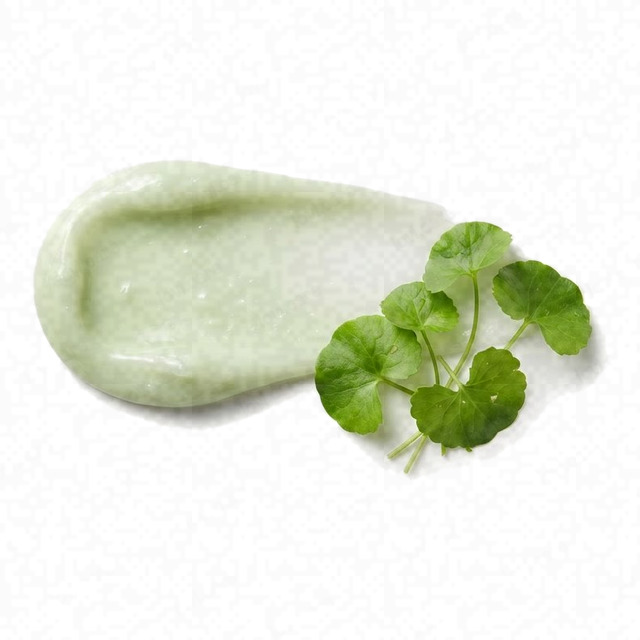 Centella Asiatica
 Niacinamide
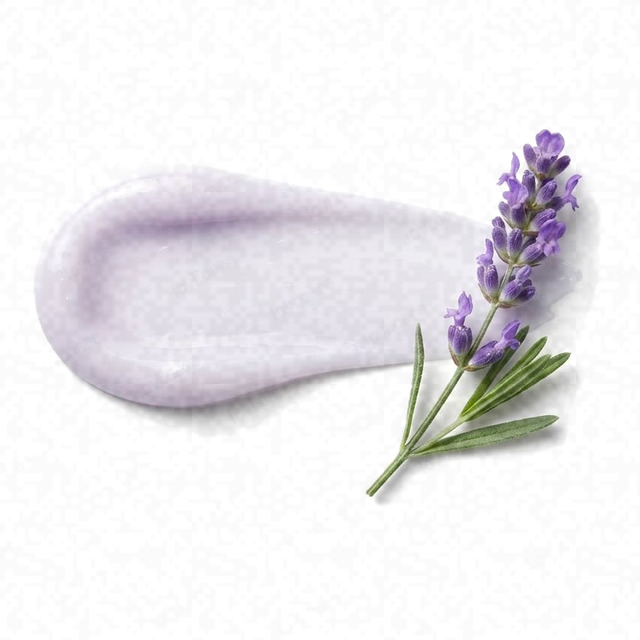 Lavandula Angustifolia Oil Lavender Oil
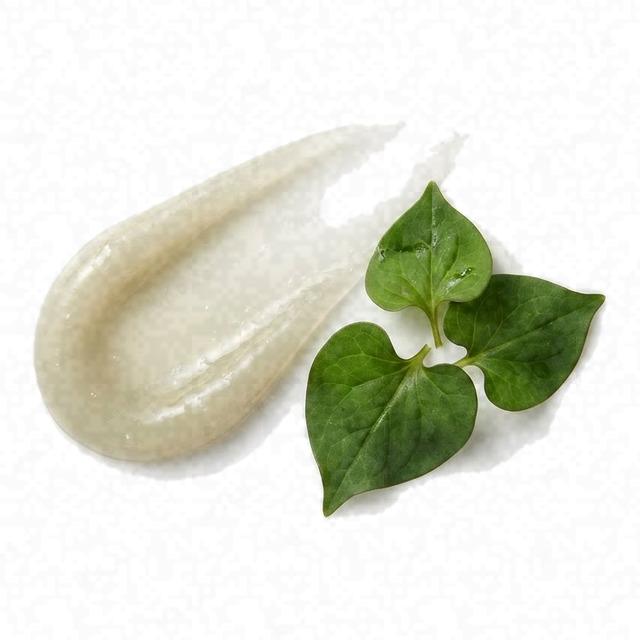 Houttuynia Cordata Extract
Average
- HighOily Skin Fit
- HighEffectiveness
- HighSafety
Works for oily acne-prone skin; other toners fit it better.
This fit is calculated for the concerns frequently associated with oily acne-prone skin: shine, breakouts, blemishes, and enlarged pores. For scores and recommendations based on your full skin profile, including your 12D face scan results and any goals or preferences you have, please use the Lovi app.
Page built Nov 8, 2026How the Fit score works
Lovi Assistant explains
- Offers moderate benefits for your oily skin and acne concerns, as niacinamide helps regulate oil production and Centella Asiatica Extract provides anti-inflammatory effects to calm redness and irritation.
- Panthenol and Madecassoside further support skin hydration and barrier function, contributing to overall skin health.
- The formula is safe for your skin, with no reported risks of irritation and a good profile of soothing ingredients.
How to apply
- Could be used as part of your AM or PM routine. Start using your soothing toner 3 times a week and move to daily use if your skin tolerates it well.
- Apply your soothing toner after cleansing, and before your moisturizer or SPF . This helps prepare your oily skin for the next steps.
- Gently press 2-3 drops of the soothing toner into your skin with your hands. Avoid rubbing the product to keep your skin calm.
- Apply the soothing toner on clean and slightly damp skin to help with better absorption . This keeps your skin feeling fresh and comfortable.
- Always do a patch test before first use to check for any sensitivity. Avoid the eye area and stop use if irritation occurs.
People Say
★4.4Overall rating based on 200+ reviewsUsers with sensitive and redness-prone skin frequently praise this mist for its instant cooling and soothing effects, often noting visible reductions in irritation and flush. While the fine mist application and hydration are widely appreciated, some users with highly reactive skin caution against the inclusion of essential oils like lavender and bergamot.
Highlights
Fine mist application Often Mentioned
- “sprays really nice and fine”
- “ultra-fine mist, not disruptive”
- “sprays evenly over makeup”
- “luxurious spa-like spritz”
Instantly soothing Often Mentioned
- “calms angry red skin immediately”
- “instant relief for tight complexions”
- “very cooling and calming”
- “soothes irritation quickly”
Hydrating & refreshing Sometimes Noted
- “deeply hydrating veil”
- “perfect midday refresher”
- “skin drinks it up”
- “leaves skin fresh and dewy”
Reduces redness Sometimes Noted
- “tames redness and sensitivity”
- “helps with calming redness”
- “visibly less swollen cheeks”
- “skin looks more even-toned”
Contains essential oils Sometimes Noted
- “lavender oil can be irritating”
- “strong herbal scent”
- “caused reaction on very sensitive skin”
- “fragrance is too strong”
High price point Sometimes Noted
- “expensive for the size”
- “price is kinda steep”
- “wish it were cheaper”
- “overpriced for a face mist”
Inconsistent spray nozzle Rarely Noted
- “spits large droplets sometimes”
- “nozzle stopped working”
- “spray can be a bit thick”
- “not fine enough for setting spray”
Sticky finish Rarely Noted
- “leaves a tacky residue”
- “feels sticky if over-applied”
- “takes time to absorb”
- “slightly heavy finish”
Sources: lovi.care, influenster.com, sephora.sg, cultbeauty.co.uk, beautybay.com, walmart.com, and more
Questions and answers
How well does Dr. Jart+ Tiger Grass Calming Mist work for oily acne-prone skin?
This toner works moderately well for oily acne-prone skin, as niacinamide helps control oil and Centella Asiatica calms redness. Panthenol and madecassoside support hydration and barrier health with a low risk of irritation. A product of this type needs pore-minimizing and hydrating ingredients that target blemishes without clogging pores to be a better fit for this skin.
American Journal of Clinical Dermatology, 2002The Journal of Dermatological Treatment, 2017
Which ingredients make this toner a good fit for oily acne-prone skin?
This toner works for your oily acne-prone skin because niacinamide helps regulate oil production and Centella Asiatica calms redness and irritation. Panthenol and madecassoside further support skin hydration and barrier function, helping keep your skin healthy. A soothing toner for this skin needs ingredients that target blemishes, control oil, and hydrate without clogging pores.
American Journal of Clinical Dermatology, 2002The Journal of Dermatological Treatment, 2017
What does Centella Asiatica do for oily acne-prone skin?
Centella asiatica helps calm redness, reduce acne breakouts, and improve moisture while supporting skin barrier repair. It may also help decrease inflammation and excess oil.
Molecules, 2023Indian Journal of Pharmaceutical Sciences, 2016
What does Niacinamide do for oily acne-prone skin?
Niacinamide helps balance oil production, calms redness, and is unlikely to irritate oily, acne-prone skin while improving blemishes. Clinical tests show it reduces excess oil and helps clear up both inflammatory and non-inflammatory acne breakouts.
Journal of Cosmetic and Laser Therapy, 2006Journal of Cosmetic Dermatology, 2024
Where does this toner go in a skincare routine for oily acne-prone skin?
This toner goes after your cleanser in both your morning and evening skincare routines, helping to calm redness and add light hydration. Oily acne-prone skin typically benefits most from a toner that balances oil production and deeply clarifies pores.
International Journal of Cosmetic Science, 2020American Journal of Clinical Dermatology, 2002
Can I use this toner with retinol, and in what order?
You can use this toner with retinol by applying the toner first to damp skin to calm redness, followed by your retinol once dry. This soothing approach helps keep oily, acne-prone skin comfortable while managing breakouts, though this skin type generally benefits most from lightweight hydrating toners paired with oil-controlling ingredients like salicylic acid.
How often should I use this toner?
This toner works fine for your oily acne-prone skin, though other products fit it better because your skin needs targeted ingredients that thoroughly control oil and clear blemishes.
Can this toner clog pores, cause breakouts or purging for oily acne-prone skin?
This toner is unlikely to clog pores or cause breakouts for oily acne-prone skin, as it has a safe profile with no reported risks of irritation. To work best for this skin, a product of this type needs lightweight hydrators and oil-balancing ingredients that calm redness without feeling heavy.
Is this toner fragrance-free and alcohol-free?
It has no drying alcohol and contains fragrance (parfum, linalool, and limonene).
What the research says
Co-delivery of paeonol and madecassoside via nanoemulsions improved transdermal delivery, promoted barrier repair proteins, inhibited inflammatory cytokine secretion in cellular and 3D models, and reduced transepidermal water loss and acne in human facial skin compared to free components.
Molecules, 2023Topical dexpanthenol acts as a moisturizer, improves stratum corneum hydration, accelerates wound healing and epidermal regeneration, reduces erythema, and improves symptoms of skin irritation compared to vehicle or no pretreatment.
American Journal of Clinical Dermatology, 2002A new topical panthenol-containing emollient significantly improved transepidermal water loss reduction, stratum corneum hydration, and intercellular lipid lamellae length compared with control in healthy subjects without negatively impacting bacterial viability.
The Journal of Dermatological Treatment, 2017A panthenol-enriched mask significantly decreased erythema and hyperpigmentation, increased sebum and stratum corneum moisture, and reduced transepidermal water loss compared to a saline dressing in 60 subjects undergoing facial laser treatment.
Journal of Cosmetic Dermatology, 2025Niacinamide significantly decreased hyperpigmentation and increased skin lightness compared with vehicle alone after 4 weeks of use in women by inhibiting melanosome transfer.
The British Journal of Dermatology, 2002Topical application of 0.05% w/w ECa 233 gel reduced erythema index by 0.03 U and improved early crusting and general wound appearance compared to placebo in thirty individuals undergoing facial laser resurfacing.
Journal of Alternative and Complementary Medicine, 2020A single application of a moisturizing fluid containing hyaluronic acid 1%, glycerin 5%, and Centella asiatica stem cells extract significantly increased skin hydration by 29% and reduced transepidermal water loss at 24 hours compared to baseline and an untreated control site in twenty healthy women.
Clinical, Cosmetic and Investigational Dermatology, 2017Moisturizer containing 5% panthenol, madecassoside, and copper-zinc-manganese decreased adverse reactions and downtime after ablative fractional carbon dioxide laser resurfacing with comparable efficacy to 0.02% triamcinolone acetonide cream in 20 subjects.
Journal of Cosmetic Dermatology, 2019Topical post-laser application of human adipocyte-derived mesenchymal stem cell media combined with niacinamide significantly improved wrinkle index, melanin index, patient satisfaction, and investigator esthetic improvement scores compared to vehicle cream in patients with aging skin.
Journal of Cosmetic Dermatology, 2021Topical nicotinamide prevented solar-simulated UV-induced immunosuppression in healthy volunteers, and men experienced immunosuppression at solar-simulated UV doses three times lower than those required for women.
The Journal of Investigative Dermatology, 2008Topical 5% niacinamide applied twice daily for 12 weeks reduced fine lines and wrinkles, hyperpigmented spots, red blotchiness, and skin sallowness, and improved skin elasticity compared to vehicle control in 50 female white subjects with facial photoaging.
Dermatologic Surgery, 2005Polysaccharide-based O/W emulsions incorporated with lavender essential oil applied to cellulosic support are non-irritating, provide softness and moisturizing effects, and are safe for topical patch applications.
International Journal of Biological Macromolecules, 2021Gellan gum hydrogel films co-encapsulating ofloxacin with tea tree or lavender oil achieved 98% wound contraction and completely healed epidermis in rats after ten days of treatment compared to baseline.
International Journal of Biological Macromolecules, 2021Topical application of lavender oil significantly promoted wound contraction, collagen synthesis, and fibroblast differentiation with up-regulation of TGF-beta in a rat model compared to control.
BMC Complementary and Alternative Medicine, 2016Quercetin phospholipids 1% cream significantly reduced UV-, histamine-, and chemical-induced skin erythema (-10.05%) and mean wheal diameter in 30 healthy human volunteers, showing comparable efficacy to 1% dexchlorpheniramine cream.
Clinical, Cosmetic and Investigational Dermatology, 2016Quercetin-loaded niosomes formulated with Span60-RH40 at a 9:11 mass ratio improved quercetin solubility, photostability, sustained release, and transdermal penetration, yielding a skin retention 2.95 times higher than quercetin solution.
Molecules, 2019Optimized rutin-loaded glycerosomes formulated into a nanosunscreen gel demonstrated sustained drug release, greater skin permeation, good antioxidant activity, and better epidermal retention compared to the dermis, indicating high safety, stability, and sun protection factor values for topical administration.
Gels, 2023
Ingredients
Water, Dipropylene Glycol, Butylene Glycol, Eryngium Maritimum Callus Filtrate Culture, Niacinamide, Pentylene Glycol, Houttuynia Cordata Extract, Ilex Aquifolium Leaf Extract, Achillea Millefolium Oil, 1,2-Hexanediol, Erythritol, Chondrus Crispus Extract, C12-14 Sec-Pareth-12, Saccharum Officinarum Extract, Streptococcus Thermophilus Ferment, Panthenol, Caprylyl Glycol, Parfum, Ethylhexylglycerin, Lavandula Angustifolia Oil, Adenosine, Glycerin, Diphenyl Dimethicone, Dna, Bergamot Oil Fruit, Carbomer, Triethylhexanoin, Linalool, Tromethamine, Disodium Edta, Limonene, Melia Azadirachta Leaf Extract, Hydrogenated Lecithin, Hedera Helix Extract, Melia Azadirachta Flower Extract, Madecassoside, Tocopherol, Asiatic Acid, Asiaticoside, Madecassic Acid, Calcium Chloride, Centella Asiatica Extract, Magnesium Sulfate
Behind this fit score
Lovi calculates every fit score from the full ingredient list with brand-independent rules our dermatologists and cosmetic chemists build and review, and personalizes every pick with AI trained on the real results of millions of users. Lovi trains its fit score models on a proprietary dataset built from more than 10,000 expert-labeled products and more than 100,000 simulated examples, following an internally consistent methodology presented at Cosmoprof, AMWC, and Skin of Color Update.
-

Co-founder, Medical Director
Cosmetic chemist, cosmetologist, aesthetic products developer
-

Co-founder, CEO and CTO
PhD in computer science, 3x US patent holder, ex-Google, ex-Yandex
-

Dr. Sofía Perea Pérez, MD, MSc
Medical Board
Aesthetic medicine practitioner, MSc in Longevity and Anti-Aging Medicine
-

Medical Board
Specialist dermatologist, MBBS, MD, IFAAD
-

Medical Board
Cosmetic chemist, SCS, IFSCC member
-

Medical Board, Medical Advisor
Dermatology MD
-

Elina Nazarenko, MD
Medical Board
Dermatology and diagnostic consultant
-

Victoria Derkova, MS
Medical Board
Cosmetic chemist, cosmetic development technologist


How does it fit your skin?
Scan your face, then any product: Lovi shows how well it fits you and what fits even better.