Dr. Dennis Gross DRx Blemish Solutions Clarifying Mask for acne-prone skin

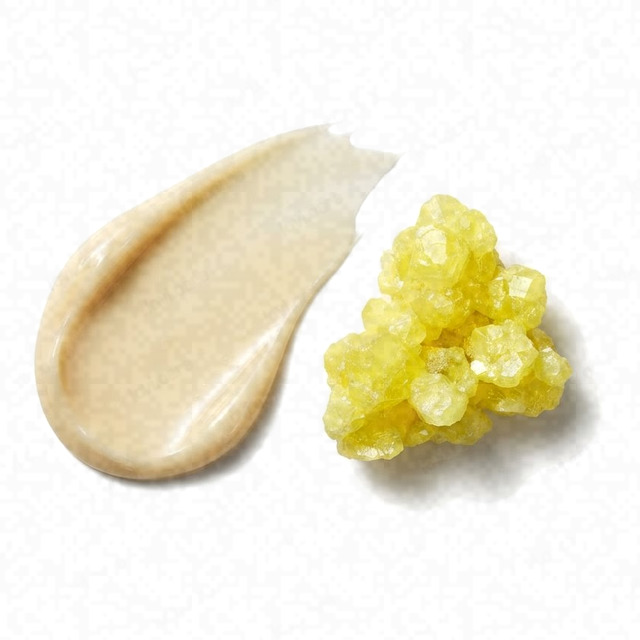 Colloidal Sulfur
 Retinol
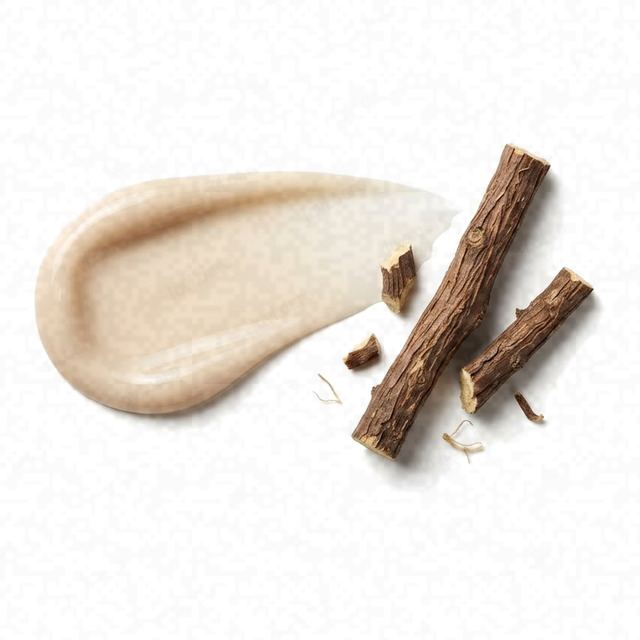 Licorice Root Extract
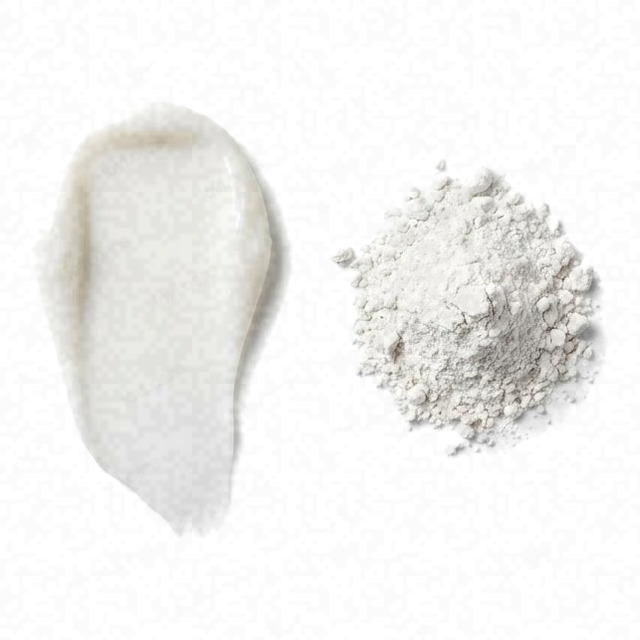 Zinc Oxide
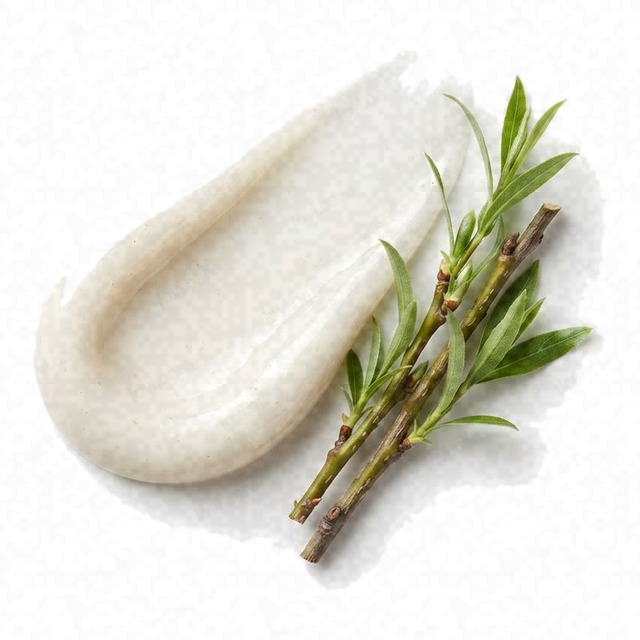 Willow Bark Extract
High
- HighCombination Skin Fit
- SuperiorEffectiveness
- ExcellentSafety
A great choice for acne-prone skin; a few cleansing masks fit it even better.
This fit is calculated for the concerns frequently associated with acne-prone skin: breakouts, blackheads, and post-acne marks. For scores and recommendations based on your full skin profile, including your 12D face scan results and any goals or preferences you have, please use the Lovi app.
Page built Nov 8, 2026How the Fit score works
Lovi Assistant explains
- Highly suitable for your combination, acne-prone skin as sulfur and kaolin effectively absorb excess oil and impurities, while retinol and sulfur target acne and promote skin renewal.
- Zinc oxide and willow bark extract further support your skin by providing antimicrobial and mild exfoliating actions, complementing the primary acne-fighting ingredients.
- The formulation is safe for your skin, containing soothing ingredients like Aloe Barbadensis Leaf Juice and Bisabolol, with no risk of irritation.
How to apply
- Use this cleansing mask during your PM weekly routine. Start 1x/week and increase if your skin tolerates it well.
- Apply this cleansing mask after using your pre-cleanser and cleanser , and before your hydrating toner.
- Spread an even layer of the cleansing mask over your face , avoiding any rubbing to protect your skin.
- Apply the cleansing mask to clean and dry skin to help clear up your blemishes effectively.
- Avoid the eye area and do a patch test before your first use.
People Say
★4.6Overall rating based on 100+ reviewsBased on limited data, users with acne-prone and oily skin report that this sulfur-based mask effectively calms redness, reduces cystic flare-ups, and minimizes pores without over-drying the skin. While many appreciate its versatility as both an overnight spot treatment and a mattifying primer under makeup, some users experienced pilling or difficulty with the thick texture.
Highlights
Reduces acne Often Mentioned
- “Calms cystic flare-ups”
- “clears hormonal acne”
- “diminishes inflammation”
Versatile application Often Mentioned
- “Works as overnight mask”
- “spot treatment”
- “makeup primer”
Minimizes pores Sometimes Noted
- “Pores appear smaller”
- “smooths skin texture”
- “mattifies oily zones”
Non-drying formula Sometimes Noted
- “Leaves skin soft”
- “balances oil”
- “does not strip moisture”
Texture and pilling Sometimes Noted
- “Pills under makeup”
- “hard to spread”
- “thick consistency”
Adverse reactions Rarely Noted
- “Caused breakouts”
- “irritated sensitive skin”
- “did not work for everyone”
Application difficulty Rarely Noted
- “Dries too fast”
- “difficult to layer”
- “requires quick application”
Packaging issues Rarely Noted
- “Pump malfunctions”
- “hard to get product out”
- “requires unscrewing top”
Sources: lovi.care, dermstore.com, lookfantastic.com, lovelyskin.com, sephora.sg, and more
Questions and answers
What makes the Dr. Dennis Gross Clarifying Mask a great fit for acne-prone skin?
This cleansing mask is a great fit because sulfur and kaolin soak up extra oil and impurities while retinol and sulfur help clear breakouts and renew skin. Willow bark extract and zinc oxide add gentle exfoliation and fight blemish-causing germs, and soothing ingredients keep the skin calm and comfortable.
Journal of Controlled Release, 2025Journal of Cosmetic Dermatology, 2019
Which ingredients make this mask a good fit for acne-prone skin?
Colloidal sulfur, kaolin, retinol, zinc oxide, and willow bark extract make this mask a great fit because they absorb extra oil, target breakouts, and help renew your skin. Soothing ingredients like aloe and bisabolol help keep your skin calm while these active ingredients work.
Journal of Controlled Release, 2025International Journal of Cosmetic Science, 2017
What does Sulfur do for acne-prone skin?
Sulfur helps calm acne-prone skin by reducing blemishes and breakouts while showing a safe and gentle profile with rare mild side effects. It works well as a therapeutic option to target various skin disorders.
Journal of Drugs in Dermatology, 2004Journal of the American Academy of Dermatology, 1988
What does Retinol do for acne-prone skin?
Retinol helps acne-prone skin by speeding up cell turnover and clearing pores to reduce breakouts. It regulates skin growth and fights inflammation, though it may cause some mild peeling or stinging when you first start using it.
Journal of Drugs in Dermatology, 2022The Journal of Dermatological Treatment, 2017
Where does this mask go in a skincare routine for acne-prone skin?
This cleansing mask fits into a weekly routine for acne-prone skin after cleansing and before a hydrating toner. It is applied once a week, but people who tolerate it well and see good results can carefully use it more often.
Can I use this mask with benzoyl peroxide, and in what order?
It is best to use this mask on different days from benzoyl peroxide, or alternate them in your routine, because combining strong acne treatments may dry out or irritate your skin. Using them separately helps you clear breakouts effectively while keeping your skin calm and comfortable.
How often should I use this mask?
You can use this cleansing mask once a week as part of your routine. This frequency helps clear excess oil and impurities while keeping your skin calm.
Can this mask clog pores, cause breakouts or purging for acne-prone skin?
This mask is unlikely to clog pores or cause breakouts because sulfur and kaolin absorb excess oil and impurities while retinol and willow bark extract help clear pores. It may cause mild skin renewal or purging when you first start using it due to the active ingredients.
Journal of Controlled Release, 2025International Journal of Cosmetic Science, 2017
Is this mask fragrance-free and alcohol-free?
It has no drying alcohol and contains fragrance (farnesol). Cetearyl alcohol is a fatty alcohol, which soften the skin.
What the research says
Topical 0.4% retinol significantly increased epidermal thickness, dermal vascularity, and extracellular matrix production by stimulating keratinocyte proliferation, endothelial cell proliferation, and fibroblast activation in naturally aged human skin compared to vehicle.
International Journal of Cosmetic Science, 2017Biomimetic hyaluronic acid-stabilized zinc oxide nanoparticles selectively inhibited C. acnes, outperformed erythromycin in preclinical acne models, and safely reduced acne lesions and redness in a clinical trial.
Journal of Controlled Release, 2025A botanical face cleanser with hops and willow bark extract continuously reduced skin sebum levels without reactive seborrhea after treatment in 21 healthy volunteers compared to a sodium laureth sulfate cleanser, with neither cleanser causing skin irritation.
Journal of Cosmetic Dermatology, 2019Topical 0.5% hyaluronic-ZnO nanogel applied twice daily reduced inflammatory-lesion counts by 58% at week four in human subjects compared to baseline without causing erythema.
Biomedicines, 2025A cream combining propolis, tea tree oil, and Aloe vera reduced erythema scars, acne severity index, and total lesion count better than erythromycin cream in sixty patients with mild to moderate acne vulgaris compared to placebo.
Clinical Pharmacology, 2018Azelaic acid was probably less effective than benzoyl peroxide in acne treatment response, while showing little or no difference compared to tretinoin, and adverse events were mild and transient across evaluated topical treatments.
Journal of Evidence-based Medicine, 2020Topical application of precipitated sulphur 2-8% petrolatum achieved a 95% clinical and ectoparasitological cure rate in 40 ambulatory scabies patients without relevant adverse effects.
Revista de Investigacion Clinica; Organo Del Hospital de Enfermedades de la Nutricion, 2004Topical 10% benzoyl peroxide and 2%-5% sulfur cream achieved "good" to "excellent" results with no undesirable side effects in 113 consecutive patients with acne.
Canadian Medical Association Journal, 1966Topical bakuchiol 0.5% applied twice daily compared with retinol 0.5% applied daily significantly decreased wrinkle surface area and hyperpigmentation with no statistical difference between the compounds in 44 patients over 12 weeks, while retinol users reported more facial skin scaling and stinging.
The British Journal of Dermatology, 2019Silicone particles encapsulating retinol increased its half-life by 9-fold and yielded 12-23% lower skin irritation in human subjects compared to Microsponge particles while maintaining biological activity.
Journal of Controlled Release, 2018Topical stabilized retinol treatment induced HAS gene expression and increased hyaluronic acid production in human skin in vitro, ex vivo, and in vivo compared to vehicle.
Archives of Dermatological Research, 2017Combining 755 nm alexandrite laser with topical licorice gel significantly reduces terminal hair counts compared to alexandrite laser with placebo in women with idiopathic hirsutism.
Evidence-based Complementary and Alternative Medicine, 2015Licochalcone A activated Nrf2 signaling, elevated cytoprotective enzymes, increased the reduced-to-oxidized glutathione ratio, and decreased reactive oxygen species in human fibroblasts and neutrophils, while a LicA-rich licorice extract lowered UVA-induced oxidative processes in vivo.
Experimental Dermatology, 2015Bioactive glycyrrhizic acid and oxymatrine ionic liquid self-assembled nanomicelles significantly promoted the transdermal permeation, subcutaneous retention, and anti-photoaging efficacy of palmitoyl pentapeptide-4 in cellular and animal models compared to unformulated peptide.
Advanced Science, 2025Nels cream achieved a similar reduction in inflammatory and noninflammatory lesion counts compared to 5% benzoyl peroxide in acne vulgaris patients, but caused significantly fewer side-effects such as peeling and dryness.
Clinical and Experimental Dermatology, 2000Topically applied coated and uncoated zinc oxide nanoparticles under flexing and massage are retained in the stratum corneum with no significant penetration into the viable epidermis and no cellular toxicity in human skin.
Nanomedicine, 2016Bioactive lipid nanocarriers co-loaded with willow bark or ivy leaf extracts and UV-filters provided pronounced UVA photoprotection up to an SPF-equivalent value of 13 and a maximum in vivo skin hydration effect of 97% when prepared with pomegranate oil.
Nanomaterials, 2022A topical serum containing 0.5% salicin applied twice daily reduced visible signs of skin aging, including wrinkles and tactile roughness, in 30 female subjects over 12 weeks compared to baseline.
Journal of Cosmetic Dermatology, 2010A novel emulsion containing niacinamide, lens esculenta seed extract, and white willow bark extract effectively improved acne, blackheads, and conspicuous facial pores in 30 subjects with oily skin.
Journal of Cosmetic Dermatology, 2024
Ingredients
Sulfur, Water, Kaolin, Cetearyl Alcohol, Glycerin, Polysorbate 20, Butylene Glycol, Acacia Senegal Gum, Zinc Oxide, Bentonite, Carthamus Tinctorius Seed Oil, Farnesol, Opuntia Tuna Stem Extract Flower, Willow Bark Extract, Bisabolol, Retinol, Phenylethyl Resorcinol, Glycyrrhiza Glabra Root Extract Licorice Root Extract, Aloe Barbadensis Leaf Juice, Tocopheryl Acetate, Glycine Soja Oil Soybean Oil, Sodium Pca, Ethylhexylglycerin, Allantoin, Rosmarinus Officinalis Oil Leaf Rosemary Oil Leaf, Phenoxyethanol, Sodium Benzoate, Potassium Sorbate
Behind this fit score
Lovi calculates every fit score from the full ingredient list with brand-independent rules our dermatologists and cosmetic chemists build and review, and personalizes every pick with AI trained on the real results of millions of users. Lovi trains its fit score models on a proprietary dataset built from more than 10,000 expert-labeled products and more than 100,000 simulated examples, following an internally consistent methodology presented at Cosmoprof, AMWC, and Skin of Color Update.
-

Co-founder, Medical Director
Cosmetic chemist, cosmetologist, aesthetic products developer
-

Co-founder, CEO and CTO
PhD in computer science, 3x US patent holder, ex-Google, ex-Yandex
-

Dr. Sofía Perea Pérez, MD, MSc
Medical Board
Aesthetic medicine practitioner, MSc in Longevity and Anti-Aging Medicine
-

Medical Board
Specialist dermatologist, MBBS, MD, IFAAD
-

Medical Board
Cosmetic chemist, SCS, IFSCC member
-

Medical Board, Medical Advisor
Dermatology MD
-

Elina Nazarenko, MD
Medical Board
Dermatology and diagnostic consultant
-

Victoria Derkova, MS
Medical Board
Cosmetic chemist, cosmetic development technologist


How does it fit your skin?
Scan your face, then any product: Lovi shows how well it fits you and what fits even better.