Dewytree Pick and Quick Mask for sensitive skin

 Sodium Hyaluronate
 Aloe Barbadensis
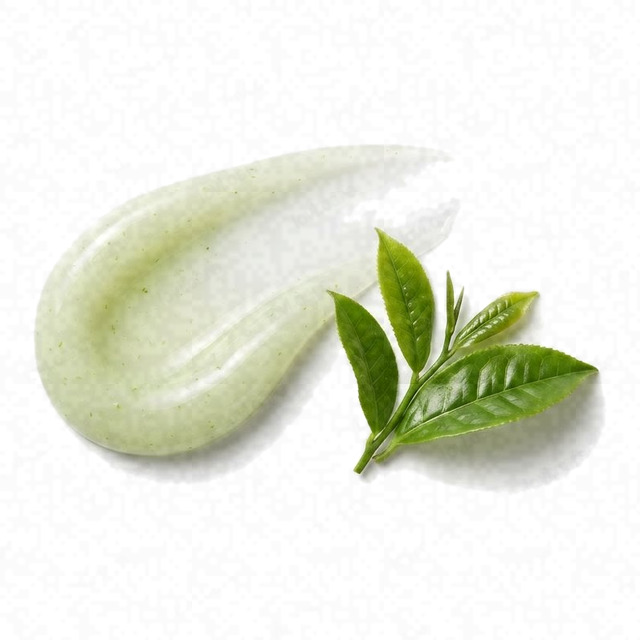 Camellia Sinensis Extract
 Niacinamide
 Panthenol
Average
- SuperiorNormal Skin Fit
- AverageEffectiveness
- HighSafety
Works for sensitive skin; other nourishing masks fit it better.
This fit is calculated for the concerns frequently associated with sensitive skin: redness, stinging, and reactions to new products. For scores and recommendations based on your full skin profile, including your 12D face scan results and any goals or preferences you have, please use the Lovi app.
Page built Nov 8, 2026How the Fit score works
Lovi Assistant explains
- Offers moderate benefits for your normal skin, as niacinamide and panthenol provide humectant action and barrier repair, while Centella Asiatica Extract and Chamomilla Recutita Flower Extract offer general soothing for redness and irritation.
- Glycerin and panthenol deliver excellent nourishing hydration, supporting your skin's overall health and comfort.
- The product is safe for your sensitive skin, featuring soothing ingredients and an absence of harsh or prohibited components.
How to apply
- Could be used as part of your AM or PM routine. Start by using the sheet mask 3 times a week and increase if your skin feels good.
- Apply the sheet mask right after cleansing and toning, but always before your daily moisturizer or SPF.
- Unfold the sheet mask and gently press it onto your face, avoiding any harsh rubbing. Leave it on for ten to fifteen minutes.
- For sensitive skin, apply the sheet mask on completely dry skin to ensure better comfort and tolerance.
- Always avoid the delicate eye area and do a quick patch test before your very first use.
Questions and answers
How well does Dewytree Pick and Quick Mask work for sensitive skin?
Dewytree Pick and Quick Mask works moderately well for sensitive skin, as its ingredients help soothe redness and deliver nourishing hydration without harsh components. To fit sensitive skin even better, a product like this needs high concentrations of calming and skin-repairing ingredients that reduce irritation while maintaining optimal moisture balance.
Journal of Cosmetic Dermatology, 2025American Journal of Clinical Dermatology, 2002
Which ingredients make this mask a good fit for sensitive skin?
This mask works for sensitive skin because it contains soothing ingredients like Centella Asiatica extract and chamomile, alongside panthenol and niacinamide which help calm redness and irritation. It also features glycerin and sodium hyaluronate to deliver nourishing hydration and support overall skin health. To fit sensitive skin even better, a mask of this type needs higher concentrations of calming ingredients that reduce redness without any risk of irritation.
Journal of Cosmetic Dermatology, 2025American Journal of Clinical Dermatology, 2002
What does Hyaluronic Acid do for sensitive skin?
Hyaluronic acid helps calm and hydrate sensitive skin while supporting the skin barrier to keep it soft and comfortable. Clinical studies show it improves surface moisture and reduces dryness, roughness, and redness without irritation.
Journal of Drugs in Dermatology, 2025Journal of Cosmetic Dermatology, 2018
What does Aloe Vera do for sensitive skin?
Aloe vera helps calm sensitive skin by reducing redness and soothing irritation. Topical preparations are generally well-tolerated and support skin healing, though effectiveness can vary depending on the formula.
Clinical Pharmacology, 2018Giornale Italiano Di Dermatologia E Venereologia, 2009
Where does this mask go in a skincare routine for sensitive skin?
This nourishing mask fits into your weekly routine as a step after cleansing and enzyme powder, followed by a treatment and moisturizer. Because this is an average fit for your skin, a mask of this type needs soothing plant extracts and barrier-repairing ingredients to keep sensitive skin calm and comfortable.
Journal of Cosmetic Dermatology, 2025American Journal of Clinical Dermatology, 2002
Can I use this mask with retinol, and in what order?
You can use this mask alongside retinol by applying the mask before your treatment step in your evening routine, as outlined in the routine for your skin. This product helps calm and comfort sensitive skin, though an ideal fit for this skin type would also include extra barrier-repairing ingredients like ceramides.
American Journal of Clinical Dermatology, 2002Journal of Cosmetic Dermatology, 2025
How often should I use this mask?
You can use this nourishing mask once a week as part of your weekly routine. It is safe for sensitive skin and helps keep your skin comfortable, though a product of this type for sensitive skin needs extra calming extracts and barrier-strengthening ingredients.
Journal of Cosmetic Dermatology, 2025American Journal of Clinical Dermatology, 2002
Can this mask clog pores, cause breakouts or purging for sensitive skin?
This mask is unlikely to cause breakouts or clog pores on sensitive skin because it is free of heavy oils and harsh components. To safely care for sensitive skin, a product of this type needs soothing ingredients like aloe and centella extract alongside lightweight hydrators to keep skin calm and smooth.
Is this mask fragrance-free and alcohol-free?
Yes, it has no fragrance and no drying alcohol.
What the research says
A panthenol-enriched mask significantly decreased erythema and hyperpigmentation, increased sebum and stratum corneum moisture, and reduced transepidermal water loss compared to a saline dressing in 60 subjects undergoing facial laser treatment.
Journal of Cosmetic Dermatology, 2025Topical dexpanthenol acts as a moisturizer, improves stratum corneum hydration, accelerates wound healing and epidermal regeneration, reduces erythema, and improves symptoms of skin irritation compared to vehicle or no pretreatment.
American Journal of Clinical Dermatology, 2002Cosmetic formulations containing 5% Centella asiatica extract showed the best efficacy in improving skin moisture and decreasing transepidermal water loss, while also exhibiting antiinflammatory properties in 25 volunteers compared to baseline measurements.
Indian Journal of Pharmaceutical Sciences, 2016A new topical panthenol-containing emollient significantly improved transepidermal water loss reduction, stratum corneum hydration, and intercellular lipid lamellae length compared with control in healthy subjects without negatively impacting bacterial viability.
The Journal of Dermatological Treatment, 2017Application of green tea extracts on normal human skin resulted in dose-dependent inhibition of UV-evoked erythema, reduced sunburn cells, protected Langerhans cells, and decreased UV-induced DNA damage compared to untreated UV-exposed skin.
Journal of the American Academy of Dermatology, 2001Topical application of 0.1% hyaluronic acid formulations of different molecular weights led to significant improvements in skin hydration and elasticity, with low-molecular-weight formulations also significantly reducing wrinkle depth in seventy-six female subjects compared to a vehicle control.
Journal of Drugs in Dermatology, 2011Topical application of hyaluronic acid in conjunction with free gingival graft significantly reduced donor site postoperative pain until day 7 compared to normal saline, with no significant differences in graft dimensions or patient satisfaction.
Clinical Oral Investigations, 2022Treatment with a hyaluronic acid-containing mouth rinse or topical gel led to significant lesion reduction, pain relief, and normalization of lesion color in adult patients with minor recurrent aphthous stomatitis, with the gel formulation showing an earlier healing onset at 3 days.
BMC Oral Health, 2019A cream combining propolis, tea tree oil, and Aloe vera reduced erythema scars, acne severity index, and total lesion count better than erythromycin cream in sixty patients with mild to moderate acne vulgaris compared to placebo.
Clinical Pharmacology, 2018Topical aloe vera gel significantly accelerated split-thickness skin graft donor-site healing compared to placebo in 12 patients, but showed no significant difference in pain relief.
Plastic and Reconstructive Surgery, 2018Topical application of Aloe vera cream reduced postoperative pain at rest and during defecation, accelerated wound healing at two weeks, and decreased analgesic requirements in patients after open hemorrhoidectomy compared to placebo.
Journal of Alternative and Complementary Medicine, 2010Topical green tea extract significantly improved clinical symptoms, tear breakup times, and meibomian gland health compared to standard treatment in patients with dry eye and Meibomian Gland Dysfunction.
Journal of Clinical and Diagnostic Research, 2017Topical low-dose green tea extract reduces UVB-induced p53 expression and apoptosis in human skin keratinocytes compared to placebo.
Experimental Dermatology, 2009An anti-acne hydrogel containing Aloe barbadensis, Garcinia mangostana, and Camellia sinensis extracts showed superior antiacne and antiblotch activities compared to 1% clindamycin gel in sixty subjects with mild-moderate acne.
Clinical, Cosmetic and Investigational Dermatology, 2019Topical post-laser application of human adipocyte-derived mesenchymal stem cell media combined with niacinamide significantly improved wrinkle index, melanin index, patient satisfaction, and investigator esthetic improvement scores compared to vehicle cream in patients with aging skin.
Journal of Cosmetic Dermatology, 2021Topical nicotinamide prevented solar-simulated UV-induced immunosuppression in healthy volunteers, and men experienced immunosuppression at solar-simulated UV doses three times lower than those required for women.
The Journal of Investigative Dermatology, 2008Topical 5% niacinamide applied twice daily for 12 weeks reduced fine lines and wrinkles, hyperpigmented spots, red blotchiness, and skin sallowness, and improved skin elasticity compared to vehicle control in 50 female white subjects with facial photoaging.
Dermatologic Surgery, 2005Moisturizer containing 5% panthenol, madecassoside, and copper-zinc-manganese decreased adverse reactions and downtime after ablative fractional carbon dioxide laser resurfacing with comparable efficacy to 0.02% triamcinolone acetonide cream in 20 subjects.
Journal of Cosmetic Dermatology, 2019Topical dexpanthenol formulated in lipophilic vehicles improved stratum corneum hydration and reduced transepidermal water loss compared to vehicle control in humans.
Arzneimittel-Forschung, 2000Hyaluronic acid, hyaluronic acid plus dexpanthenol, and isotonic saline nasal sprays all significantly improved dry nose symptoms over four weeks in 240 patients, with hyaluronic acid plus dexpanthenol providing superior nasal moisturisation compared to the other two.
Auris, Nasus, Larynx, 2020
Ingredients
Water, Glycerin, Butylene Glycol, Niacinamide, Panthenol, Allantoin, Centella Asiatica Extract, Chamomilla Recutita Flower Extract Matricaria Flower Extract, Aloe Barbadensis Leaf Juice, Sodium Hyaluronate, Betaine, Tocopheryl Acetate, Caprylic Capric Triglyceride, Carbomer, Triethanolamine, Phenoxyethanol, Ethylhexylglycerin
Behind this fit score
Lovi calculates every fit score from the full ingredient list with brand-independent rules our dermatologists and cosmetic chemists build and review, and personalizes every pick with AI trained on the real results of millions of users. Lovi trains its fit score models on a proprietary dataset built from more than 10,000 expert-labeled products and more than 100,000 simulated examples, following an internally consistent methodology presented at Cosmoprof, AMWC, and Skin of Color Update.
-

Co-founder, Medical Director
Cosmetic chemist, cosmetologist, aesthetic products developer
-

Co-founder, CEO and CTO
PhD in computer science, 3x US patent holder, ex-Google, ex-Yandex
-

Dr. Sofía Perea Pérez, MD, MSc
Medical Board
Aesthetic medicine practitioner, MSc in Longevity and Anti-Aging Medicine
-

Medical Board
Specialist dermatologist, MBBS, MD, IFAAD
-

Medical Board
Cosmetic chemist, SCS, IFSCC member
-

Medical Board, Medical Advisor
Dermatology MD
-

Elina Nazarenko, MD
Medical Board
Dermatology and diagnostic consultant
-

Victoria Derkova, MS
Medical Board
Cosmetic chemist, cosmetic development technologist


How does it fit your skin?
Scan your face, then any product: Lovi shows how well it fits you and what fits even better.