d'Alba Piedmont UV Essence Waterfull+ for acne-prone skin

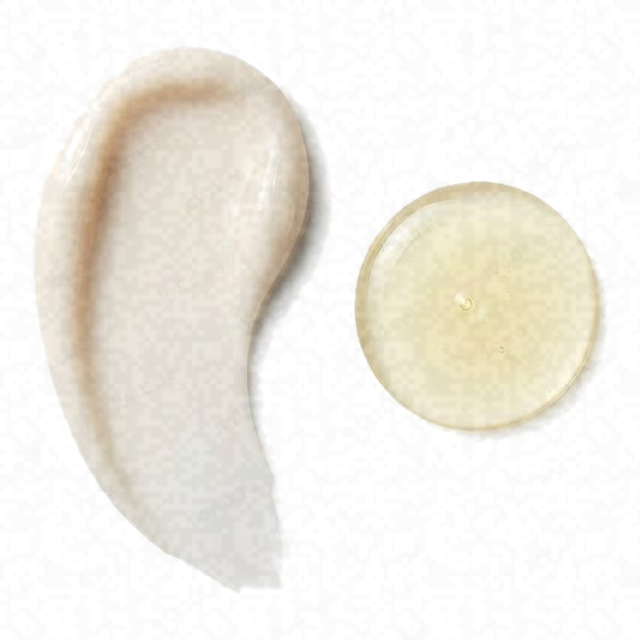 Ethylhexyl Methoxycinnamate
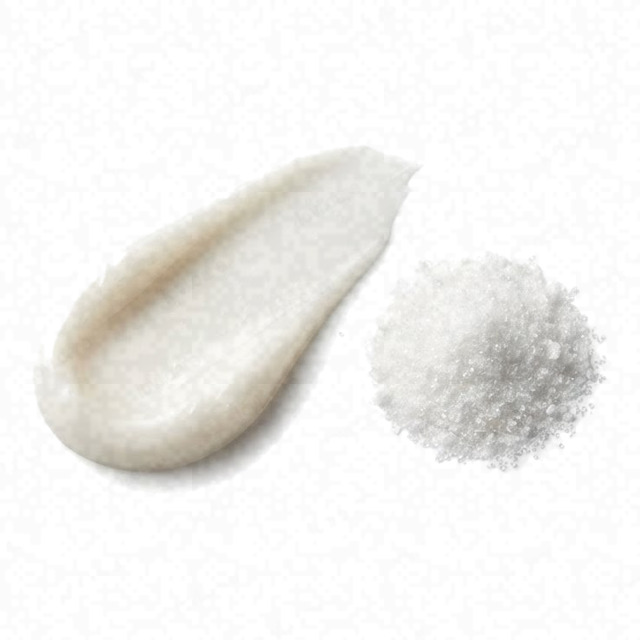 Diethylamino Hydroxybenzoyl Hexyl Benzoate
 Niacinamide
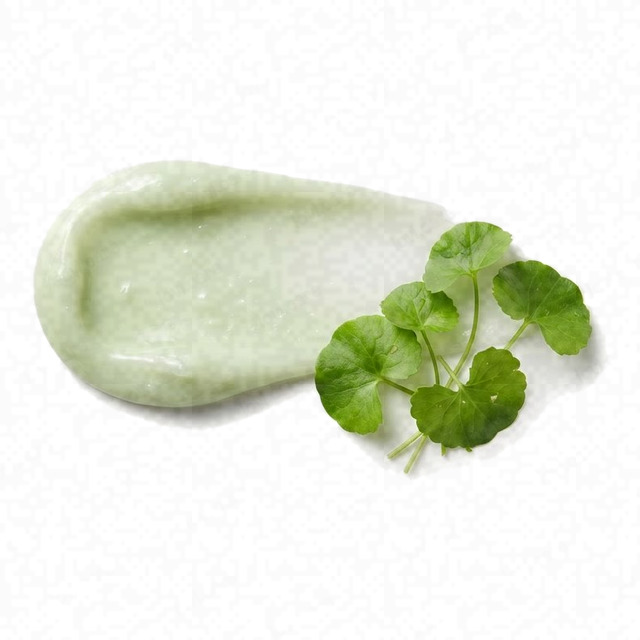 Centella Asiatica Extract
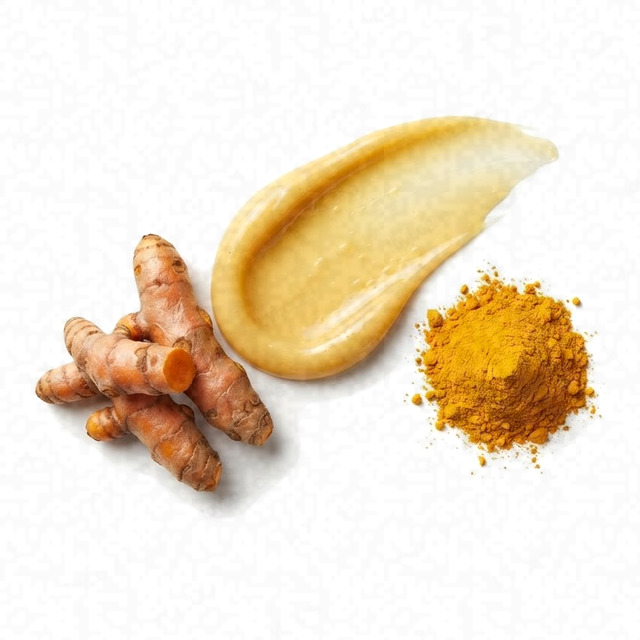 Curcuma Longa Root Extract
High
- HighCombination Skin Fit
- AverageEffectiveness
- HighSafety
A great choice for acne-prone skin; a few sunscreens fit it even better.
This fit is calculated for the concerns frequently associated with acne-prone skin: breakouts, blackheads, and post-acne marks. For scores and recommendations based on your full skin profile, including your 12D face scan results and any goals or preferences you have, please use the Lovi app.
Page built Nov 8, 2026How the Fit score works
Lovi Assistant explains
- Offers moderate sun protection for your combination skin due to the presence of ethylhexyl methoxycinnamate and homosalate, which shield against UV rays, while niacinamide helps regulate sebum production.
- Centella Asiatica Extract and Portulaca Oleracea Extract provide mild soothing effects that are supportive for acne, blemishes, and breakouts.
- The formula is safe for your combination skin, as it lacks harsh ingredients and offers no risk of irritation.
How to apply
- Apply this moisturizing sunscreen AM every morning as the final step of your daily routine.
- Layer the moisturizing sunscreen after your moisturizer has fully absorbed, right before heading out into the sun .
- Smooth a nickel-sized amount of the moisturizing sunscreen evenly over your face, avoiding harsh rubbing.
- Apply the moisturizing sunscreen onto clean, dry skin to ensure even coverage and protection.
- Perform a patch test before first use and avoid direct contact with the eyes.
People Say
★4.8Overall rating based on 700+ reviewsThis chemical sunscreen is highly regarded for its lightweight, essence-like texture that absorbs quickly without a white cast, making it suitable for daily use and as a makeup primer. It offers significant hydration and a dewy finish, which is particularly appreciated by those with dry and combination skin. However, some users with very oily skin have noted it can appear too shiny or rich, especially in humid conditions.
Highlights
Lightweight texture Mostly Mentioned
- “absorbs instantly”
- “essence-like consistency”
- “melts into skin”
No white cast Mostly Mentioned
- “completely transparent”
- “clear finish”
- “no chalkiness”
Makeup compatibility Often Mentioned
- “great primer”
- “no pilling”
- “foundation sits well”
Moisturizing Often Mentioned
- “skips moisturizer step”
- “hydrating feel”
- “dewy glow”
Non-sticky Sometimes Noted
- “fresh feeling”
- “no tacky residue”
- “comfortable wear”
Strong fragrance Sometimes Noted
- “citrus scent”
- “essential oils”
- “overpowering smell”
Too dewy/greasy Sometimes Noted
- “shiny on oily skin”
- “greasy finish”
- “too rich”
Alcohol content Rarely Noted
- “contains ethanol”
- “alcohol smell”
- “drying over time”
Eye stinging Rarely Noted
- “burns eyes”
- “stings when sweating”
- “eye irritation”
Price Rarely Noted
- “expensive”
- “small bottle”
- “premium price”
Sources: lovi.care, oliveyoung.com, iherb.com, yesstyle.com, influenster.com, pickyskincare.com, and more
Questions and answers
What makes d'Alba Piedmont UV Essence Waterfull+ a great fit for acne-prone skin?
This sunscreen is a great fit for acne-prone skin because it contains niacinamide to help control oil along with centella asiatica extract to calm breakouts. It also provides reliable sun protection without the risk of irritation.
Indian Journal of Pharmaceutical Sciences, 2016International Journal of Cosmetic Science, 2025
Which ingredients make this cream a good fit for acne-prone skin?
This cream is a great fit for acne-prone skin because Centella Asiatica extract and Portulaca Oleracea extract provide mild soothing effects, while niacinamide helps keep excess oil in check. These ingredients help calm breakouts and keep your skin comfortable without causing irritation.
Molecules, 2023Indian Journal of Pharmaceutical Sciences, 2016
What does Octinoxate do for acne-prone skin?
Octinoxate helps protect acne-prone skin from UV rays without clogging pores or disrupting normal facial bacteria. It is unlikely to trigger breakouts, though acne-prone skin still needs lightweight, non-greasy formulations.
What does Diethylamino Hydroxybenzoyl Hexyl Benzoate do for acne-prone skin?
Diethylamino Hydroxybenzoyl Hexyl Benzoate is a sunscreen ingredient that protects acne-prone skin from UV rays without clogging pores. Because it shields against the sun, it helps prevent dark spots from lingering after breakouts heal.
Where does it go in a skincare routine for acne-prone skin?
This product goes as the last step of your morning skincare routine, right after your moisturizer. It shields your skin from UV rays while niacinamide and centella asiatica extract help calm breakouts and keep your skin feeling smooth and balanced.
International Journal of Cosmetic Science, 2020Indian Journal of Pharmaceutical Sciences, 2016
Can I use this cream with retinol, and in what order?
You can use this moisturizing spf in your morning routine after your moisturizer and before heading out, while applying retinol in the evening. This sunscreen is a great fit for acne-prone skin because it includes centella asiatica extract and portulaca oleracea extract to help soothe breakouts and niacinamide to keep oil production balanced.
How often should I use it?
You can use this moisturizing sunscreen every morning as the final step of your daytime routine. Applying it daily helps protect your skin from UV rays while keeping it calm and balanced throughout the day.
Can this cream clog pores, cause breakouts or purging for acne-prone skin?
This moisturizing spf is a great fit for acne-prone skin because it includes centella asiatica extract and portulaca oleracea extract for mild soothing effects, along with niacinamide to help regulate oil. It is unlikely to cause irritation, though some reviewers mention it feels too dewy or greasy.
Indian Journal of Pharmaceutical Sciences, 2016International Journal of Cosmetic Science, 2025
Is it fragrance-free and alcohol-free?
It has no drying alcohol and contains fragrance (limonene and citral).
What the research says
Liposomal encapsulation of octyl methoxycinnamate increases its safety, skin affinity, and in vivo solar photoprotection factor while slowing its release and enhancing retention in the stratum corneum compared to a conventional formulation.
International Journal of Nanomedicine, 2013Para-hydroxycinnamic acid alone or combined with niacinamide significantly mitigates ultraviolet-induced erythema, barrier disruption, and surface inflammatory biomarkers in female panelists compared to placebo and octinoxate.
International Journal of Cosmetic Science, 2025Co-delivery of paeonol and madecassoside via nanoemulsions improved transdermal delivery, promoted barrier repair proteins, inhibited inflammatory cytokine secretion in cellular and 3D models, and reduced transepidermal water loss and acne in human facial skin compared to free components.
Molecules, 2023Cosmetic formulations containing 5% Centella asiatica extract showed the best efficacy in improving skin moisture and decreasing transepidermal water loss, while also exhibiting antiinflammatory properties in 25 volunteers compared to baseline measurements.
Indian Journal of Pharmaceutical Sciences, 2016Chemical sunscreens containing avobenzone, octocrylene, homosalate, and octisalate showed no to minimal risks of dermal irritation, sensitization, photo-allergy, and photo-irritation in human subjects.
Journal of Drugs in Dermatology, 2025Replacing 20% of the chemical UV filter octyl methoxycinnamate with urucum oil in solid lipid nanoparticles maintained the skin protection factor without inducing toxic responses or significant skin penetration in human volunteers.
Skin Pharmacology and Physiology, 2018Encapsulation of ethylhexyl methoxycinnamate and butyl methoxydibenzoylmethane in lipid microparticles significantly reduced their in vivo human skin penetration compared to nonencapsulated filters.
Skin Pharmacology and Physiology, 2011The application of a sunscreen formulation containing ethylhexyl methoxycinnamate, ethylhexyl salicylate, methyl anthranilate, and octocrylene does not significantly affect critical acne-related species such as Cutibacterium acnes and Staphylococcus epidermidis, refuting the induction of facial dysbiosis in men.
Archives of Dermatological Research, 2024Oral and dermal administration of Uvinul A plus resulted in three major urinary metabolites accounting for 52% of the oral dose, with a very low estimated daily systemic exposure of 8.1-9.3 μg/d in volunteers not intentionally exposed.
International Journal of Hygiene and Environmental Health, 2020Topical post-laser application of human adipocyte-derived mesenchymal stem cell media combined with niacinamide significantly improved wrinkle index, melanin index, patient satisfaction, and investigator esthetic improvement scores compared to vehicle cream in patients with aging skin.
Journal of Cosmetic Dermatology, 2021Topical nicotinamide prevented solar-simulated UV-induced immunosuppression in healthy volunteers, and men experienced immunosuppression at solar-simulated UV doses three times lower than those required for women.
The Journal of Investigative Dermatology, 2008Topical 5% niacinamide applied twice daily for 12 weeks reduced fine lines and wrinkles, hyperpigmented spots, red blotchiness, and skin sallowness, and improved skin elasticity compared to vehicle control in 50 female white subjects with facial photoaging.
Dermatologic Surgery, 2005Topical application of 0.05% w/w ECa 233 gel reduced erythema index by 0.03 U and improved early crusting and general wound appearance compared to placebo in thirty individuals undergoing facial laser resurfacing.
Journal of Alternative and Complementary Medicine, 2020A single application of a moisturizing fluid containing hyaluronic acid 1%, glycerin 5%, and Centella asiatica stem cells extract significantly increased skin hydration by 29% and reduced transepidermal water loss at 24 hours compared to baseline and an untreated control site in twenty healthy women.
Clinical, Cosmetic and Investigational Dermatology, 2017Moisturizer containing 5% panthenol, madecassoside, and copper-zinc-manganese decreased adverse reactions and downtime after ablative fractional carbon dioxide laser resurfacing with comparable efficacy to 0.02% triamcinolone acetonide cream in 20 subjects.
Journal of Cosmetic Dermatology, 2019Topical application of curcumin or turmeric treats various skin conditions by leveraging antioxidant, anti-inflammatory, and antimicrobial properties.
Skin Pharmacology and Physiology, 2023Topical formulations of curcumin target oxidative damage and inflammation to improve wound healing in animal models.
Drug Discovery Today, 2017A curcumin-loaded spanlastic anti-aging gel utilizing formula F5 incorporated into 2% HPMC E50 demonstrated sustained release action, compatibility, and the ability to penetrate skin layers to a depth of about 112.5 um without signs of irritation.
Saudi Pharmaceutical Journal, 2024
Ingredients
Water, Ethylhexyl Methoxycinnamate, Homosalate, Butylene Glycol, Ethylhexyl Salicylate, Diethylamino Hydroxybenzoyl Hexyl Benzoate, Silica, Ethylhexyl Triazone, Niacinamide, Benzotriazolyl Dodecyl P-Cresol, 1,2-Hexanediol, Caprylyl Methicone, Pentylene Glycol, Salvia Hispanica Seed Extract, Centella Asiatica Extract, Portulaca Oleracea Extract, Houttuynia Cordata Extract, Curcuma Longa Root Extract, Cardiospermum Halicacabum Vine Extract Flower Leaf, Tuber Magnatum Extract, Wine Extract, Citrus Aurantium Dulcis Oil, Citrus Nobilis Peel Oil Mandarin Orange Peel Oil, Echium Plantagineum Seed Oil, Litsea Cubeba Oil Fruit, Helianthus Annuus Seed Oil Sunflower Seed Oil, Polymethylsilsesquioxane, Caprylic Capric Succinic Triglyceride, Ammonium Acryloyldimethyltaurate Vp Copolymer, Propanediol, Saccharide Hydrolysate, Octyldodecanol, Acrylates C10-30 Alkyl Acrylate Crosspolymer, Tromethamine, Hydroxypropyl Methylcellulose Stearoxy Ether, Ethylhexylglycerin, Adenosine, Xylitylglucoside, Anhydroxylitol, Xylitol, Tocopherol, Sodium Pca, Glucose, Limonene, Citral
Behind this fit score
Lovi calculates every fit score from the full ingredient list with brand-independent rules our dermatologists and cosmetic chemists build and review, and personalizes every pick with AI trained on the real results of millions of users. Lovi trains its fit score models on a proprietary dataset built from more than 10,000 expert-labeled products and more than 100,000 simulated examples, following an internally consistent methodology presented at Cosmoprof, AMWC, and Skin of Color Update.
-

Co-founder, Medical Director
Cosmetic chemist, cosmetologist, aesthetic products developer
-

Co-founder, CEO and CTO
PhD in computer science, 3x US patent holder, ex-Google, ex-Yandex
-

Dr. Sofía Perea Pérez, MD, MSc
Medical Board
Aesthetic medicine practitioner, MSc in Longevity and Anti-Aging Medicine
-

Medical Board
Specialist dermatologist, MBBS, MD, IFAAD
-

Medical Board
Cosmetic chemist, SCS, IFSCC member
-

Medical Board, Medical Advisor
Dermatology MD
-

Elina Nazarenko, MD
Medical Board
Dermatology and diagnostic consultant
-

Victoria Derkova, MS
Medical Board
Cosmetic chemist, cosmetic development technologist


How does it fit your skin?
Scan your face, then any product: Lovi shows how well it fits you and what fits even better.