Ceradan Skin Barrier Repair Cream for skin with dark spots

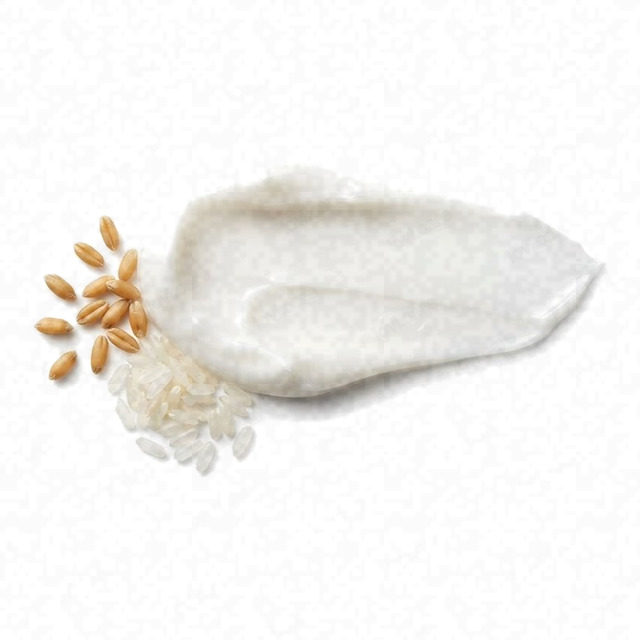 Ceramides
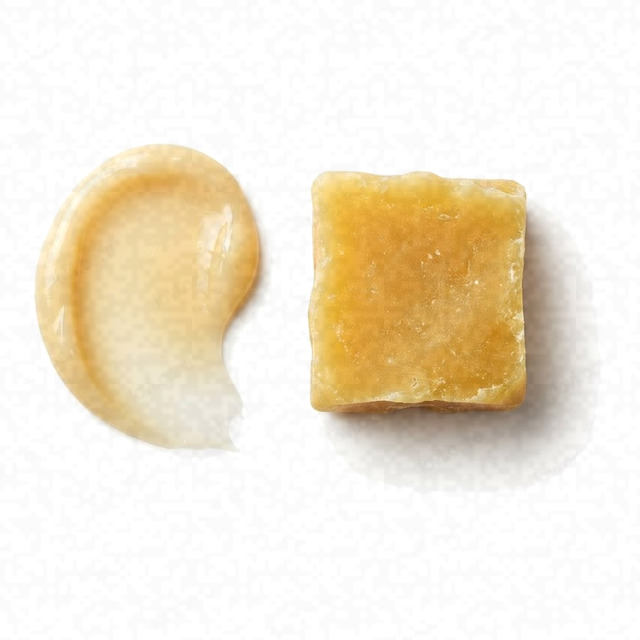 Beeswax
 Squalane
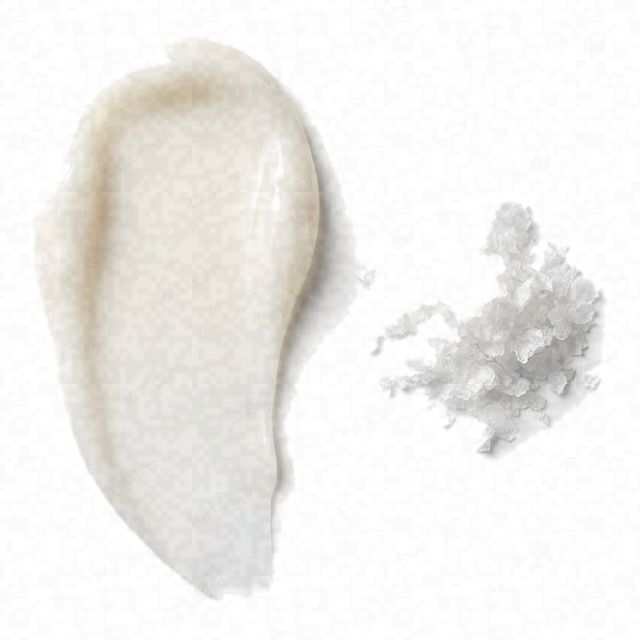 Cholesterol
 Glycerin
Average
- AverageNormal Skin Fit
- AverageEffectiveness
- HighSafety
Works for skin with dark spots; other moisturizers fit it better.
This fit is calculated for the concerns frequently associated with dark spots: hyperpigmentation, sun spots, and uneven skin tone. For scores and recommendations based on your full skin profile, including your 12D face scan results and any goals or preferences you have, please use the Lovi app.
Page built Nov 8, 2026How the Fit score works
Lovi Assistant explains
- Offers moderate suitability for your normal skin due to ingredients like Hydroxypropyl Bispalmitamide Mea Ceramide and Glycerin, which provide barrier repair and humectant action, but may not deliver optimal results in all areas.
- The formulation provides excellent moisturizing due to the presence of ceramide, cholesterol, and linoleic acid, enhancing barrier resilience.
- The safety profile is excellent, with no risks of irritation for your normal skin due to the absence of prohibited or harsh ingredients.
How to apply
- Could be used as part of your AM and PM routine. Start using it 3 times a week and move to daily use if your skin likes it.
- Apply this moisturizer after your cleanser and toner, right before your morning SPF.
- Gently press a small amount of the moisturizer into your skin. Avoid rubbing it too hard so it absorbs nicely.
- For the best moisture, you can apply it when your skin is slightly damp. This helps your skin stay soft and happy.
- Remember to avoid the eye area when applying. Always do a patch test before your first use.
Questions and answers
How well does Ceradan Skin Barrier Repair Cream work for skin with dark spots?
This moisturizer works moderately well for skin with dark spots, providing reliable hydration and barrier repair without irritation. To better fit this skin type, a product needs effective brightening ingredients that address pigmentation goals while keeping skin soft and smooth.
Which ingredients make this cream a good fit for skin with dark spots?
This cream offers a moderate fit for skin with dark spots because ingredients like Hydroxypropyl Bispalmitamide Mea Ceramide, cholesterol, and glycerin help repair the skin barrier and maintain hydration without causing irritation. However, a moisturizer for this skin needs effective brightening ingredients and soothing components that target pigmentation goals while keeping the skin smooth and calm.
What do Ceramides do for skin with dark spots?
Ceramides help keep the skin barrier strong and hold in moisture, which supports healthy skin overall. When dealing with dark spots, a product of this type needs added ingredients like niacinamide or vitamin C to actively fade discoloration and brighten the skin.
Scientific Reports, 2022Skin Pharmacology and Physiology, 2023
What does Beeswax do for skin with dark spots?
Beeswax is not known to directly fade dark spots, but it helps protect the skin barrier and keep your skin soft and smooth. To help clear dark spots, a product of this type needs added ingredients like brightening agents and antioxidants.
Where does this cream go in a skincare routine for skin with dark spots?
This moisturizer goes near the end of your morning and evening routines, right before sunscreen in the morning and after your treatment step at night. Skin with dark spots needs products that combine barrier-repairing ingredients with brightening actives to fade discoloration while keeping the skin soft and smooth.
The Journal of Dermatological Treatment, 2022International Journal of Cosmetic Science, 2020
Can I use this cream with retinol, and in what order?
You can use this cream with retinol, applying the cream either before or after your retinol treatment to help your skin stay soft and calm. Research shows that using a barrier-repair moisturizer alongside retinoids helps keep dry skin comfortable and supports the skin barrier during strong treatments. To properly care for dark spots, this skin type needs targeted brightening ingredients and antioxidants like vitamin C or niacinamide alongside your moisturizer.
How often should I use this cream?
You can use this cream twice daily to help keep your skin well-moisturized and comfortable. Regular daily application supports your skin barrier and improves overall hydration.
Journal of Cosmetic Dermatology, 2020Health Science Reports, 2021
Can this cream clog pores, cause breakouts or purging for skin with dark spots?
This cream is unlikely to clog pores or cause breakouts on your skin because it has an excellent safety profile without harsh ingredients. Skin with dark spots needs a moisturizer with brighteners and antioxidants to help fade marks while keeping the skin soft and smooth.
Can I use this cream around the eyes or on my body?
You can safely use this cream on your body and around your eyes, as it has a very safe formula with no harsh ingredients. However, because skin is very thin around the eyes and varies in thickness across the body, skincare for these areas needs gentle barrier-repairing ingredients and rich moisturizers like ceramides and glycerin to keep skin soft and protected.
Is this cream fragrance-free and alcohol-free?
Yes, it has no fragrance and no drying alcohol. Behenyl alcohol and cetyl alcohol are fatty alcohols, which soften the skin.
What the research says
A single application of a moisturizing fluid containing hyaluronic acid 1%, glycerin 5%, and Centella asiatica stem cells extract significantly increased skin hydration by 29% and reduced transepidermal water loss at 24 hours compared to baseline and an untreated control site in twenty healthy women.
Clinical, Cosmetic and Investigational Dermatology, 2017Application of Body Lotion for 5 weeks on cosmetic dry skin improved barrier properties, increased levels of cholesterol, ceramides, and long-chain fatty acids, increased beneficial skin bacteria, and enhanced microbiome functional potential compared to baseline.
Scientific Reports, 2022Topical application of a honey, olive oil, and beeswax mixture three times daily for up to 4 weeks resulted in clinical responses in 86% of patients with pityriasis versicolor, 78% with tinea cruris, and 75% with tinea corporis.
Complementary Therapies in Medicine, 2004A prototype body cream containing bee venom, propolis, honey, beeswax, and royal jelly demonstrated stability for 90 days, high antioxidant capacity of 85.45%, lack of cytotoxicity with over 70% cell viability, and no irritation or allergic reaction in dermatological analysis, while improving skin parameters in a panel test.
Journal of Cosmetic Dermatology, 2022MUD1 protected human dermal fibroblasts against AAPH-induced oxidative stress by increasing cell viability, reducing oxidative damage, improving mitochondrial functionality, and enhancing wound healing capacities.
International Journal of Molecular Sciences, 2018Squalane at 0.005-0.015% counteracts UVA-induced oxidative stress, inflammation, and collagen metabolism inhibition while stimulating fibroblast migration in human dermal fibroblasts.
Molecules, 2025Plant-derived squalane protected human dermal fibroblasts against UVA-induced damage by counteracting ROS formation, suppressing apoptosis-related proteins p53, caspase-3, caspase-9, and PARP, and restoring the pro-survival p-Akt/mTOR pathway.
Antioxidants, 2025Botulinum toxin-A encapsulated in phosphatidylcholine/cholesterol nanoliposomes delivered transdermally achieved a diffusion depth of 380 μm and showed a nonsignificant advantage in relieving post-acne scarring compared to hyaluronic acid hydrogel treatment in 12 facial patients.
Journal of Materials Science. Materials in Medicine, 2024Topical application of cholesterol sulfate increases stratum corneum thickness and inhibits protease-induced cell dissociation by competitively inhibiting serine proteases in mice and human stratum corneum.
The Journal of Investigative Dermatology, 1998Topical lovastatin treatment impairs the recovery of cutaneous permeability barrier function and stratum corneum cholesterol levels after acetone disruption in mice, an effect normalized by simultaneous treatment with mevalonate or cholesterol.
The Journal of Clinical Investigation, 1990The emollient V0034CR significantly reduced TEWL compared to vehicle and vehicle plus glycerol, and significantly increased corneometry scores compared to vehicle and vehicle plus petrolatum in healthy volunteers with dry skin, demonstrating combined barrier function improvement from petrolatum and hydration improvement from glycerol.
Journal of Cosmetic Dermatology, 2020Ten days of treatment with a cream containing 20% glycerin significantly increased skin hydration measured by corneometer values in 17 healthy volunteers compared to a placebo cream, but showed no influence on transepidermal water loss or skin sensitivity to an irritating surfactant.
International Journal of Cosmetic Science, 2001Niacinamide/glycerin body moisturizers provided better rapid and prolonged improvement of cosmetic xerosis through functional improvement of stratum corneum barrier function compared to no treatment and conventional moisturizers in female subjects.
Journal of Drugs in Dermatology, 2012
Why other moisturizers fit skin with dark spots better
Niacinamide significantly decreased hyperpigmentation and increased skin lightness compared with vehicle alone after 4 weeks of use in women by inhibiting melanosome transfer.
The British Journal of Dermatology, 2002Topical oxidized glutathione significantly decreases the skin melanin index and improves moisture content, smoothness, wrinkle formation, and elasticity compared to placebo in healthy women.
Clinical, Cosmetic and Investigational Dermatology, 2014Topical application of Lactobacillus plantarum-GMNL6 enhanced collagen synthesis and SPTSSA gene expression while reducing melanin synthesis, Staphylococcus aureus biofilm, and Cutibacterium acnes proliferation, leading to clinical improvements in skin moisture, color, spots, wrinkles, UV spots, and porphyrins in human volunteers.
International Journal of Medical Sciences, 2021
Ingredients
Water, Hydrogenated Polydecene, Butylene Glycol, Cyclopentasiloxane, Behenyl Alcohol, Hydroxypropyl Bispalmitamide Mea Ceramide, Cetyl Alcohol, Glycerin, Jojoba Seed Oil, Peg-60 Glyceryl Isostearate, Glyceryl Stearate, Linoleic Acid, Cholesterol, Pentylene Glycol, Beeswax, Squalane, Trideceth-12, Sodium Lauroyl Lactylate, Sorbitan Stearate, Dimethicone, Peg-6, Peg-32, Phenoxyethanol, Carbomer, Xanthan Gum, Ethylhexylglycerin, Tocopherol, Sodium Hydroxide
Behind this fit score
Lovi calculates every fit score from the full ingredient list with brand-independent rules our dermatologists and cosmetic chemists build and review, and personalizes every pick with AI trained on the real results of millions of users. Lovi trains its fit score models on a proprietary dataset built from more than 10,000 expert-labeled products and more than 100,000 simulated examples, following an internally consistent methodology presented at Cosmoprof, AMWC, and Skin of Color Update.
-

Co-founder, Medical Director
Cosmetic chemist, cosmetologist, aesthetic products developer
-

Co-founder, CEO and CTO
PhD in computer science, 3x US patent holder, ex-Google, ex-Yandex
-

Dr. Sofía Perea Pérez, MD, MSc
Medical Board
Aesthetic medicine practitioner, MSc in Longevity and Anti-Aging Medicine
-

Medical Board
Specialist dermatologist, MBBS, MD, IFAAD
-

Medical Board
Cosmetic chemist, SCS, IFSCC member
-

Medical Board, Medical Advisor
Dermatology MD
-

Elina Nazarenko, MD
Medical Board
Dermatology and diagnostic consultant
-

Victoria Derkova, MS
Medical Board
Cosmetic chemist, cosmetic development technologist


How does it fit your skin?
Scan your face, then any product: Lovi shows how well it fits you and what fits even better.