Bobbi Brown Vitamin Enriched Face Base for oily skin

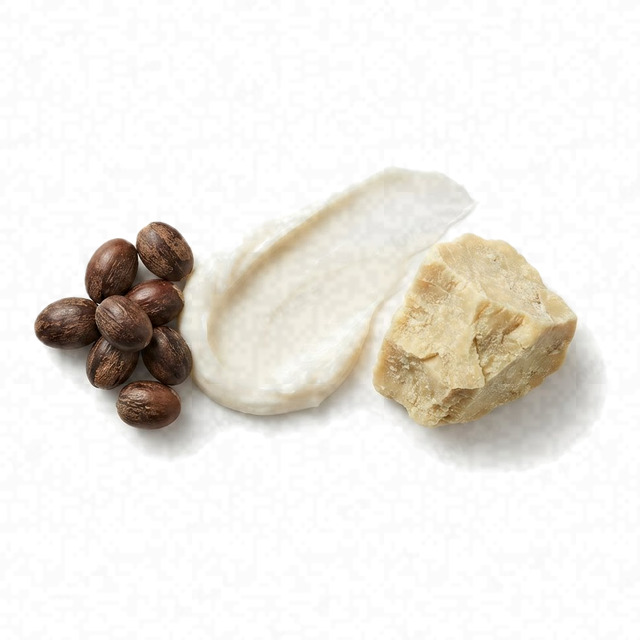 Shea Butter
 Squalane
 Sodium Hyaluronate
 Vitamins B
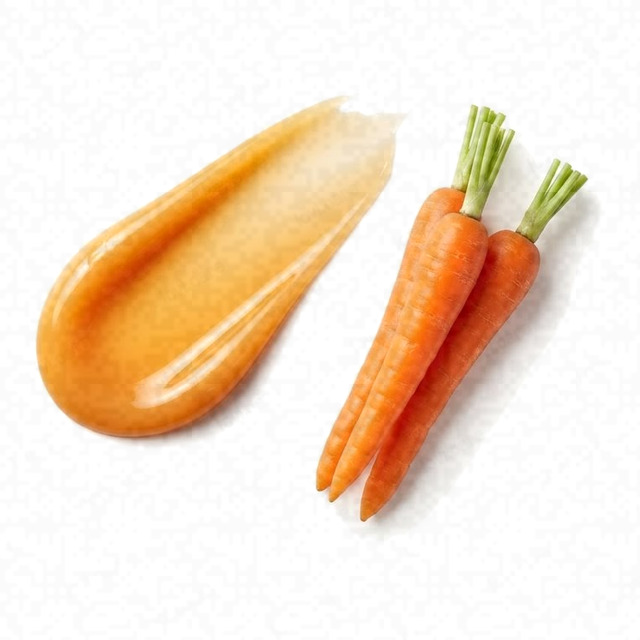 Beta-Carotene
Low
- AverageOily Skin Fit
- HighEffectiveness
- ConcerningSafety
A weak match for oily skin; the moisturizers alongside fit it better.
This fit is calculated for the concerns frequently associated with oily skin: shine, enlarged pores, blackheads, and blemishes. For scores and recommendations based on your full skin profile, including your 12D face scan results and any goals or preferences you have, please use the Lovi app.
Page built Nov 8, 2026How the Fit score works
Lovi Assistant explains
- Offers moderate suitability for your oily skin as Epilobium Angustifolium Extract provides some seboregulating properties, while yeast extract and shea butter offer soothing and moisturizing benefits. Sodium hyaluronate and shea butter provide hydration and plumpness, but these are mostly supportive and do not directly address your oily shine concerns.
- The formula is safe for your oily skin, lacking harsh ingredients and containing soothing yeast extract and shea butter, with no risk of irritation.
How to apply
- Could be used as part of your AM or PM routine every day to keep your face fresh.
- Apply this moisturizer after cleansing and toning, but right before your SPF in the morning.
- Gently press a small amount into your skin and let it absorb fully.
- Apply on clean, slightly dry skin to help control that oily shine.
- Avoid the eye area and do a quick patch test before your first use.
People Say
★4.7Overall rating based on 3.5k+ reviewsBased on a very large amount of data, this product is widely praised by users with normal to dry skin for its rich, buttery texture that functions as both a moisturizer and primer, creating a smooth, hydrated base that holds makeup well. Users with sensitive or acne-prone skin frequently report irritation due to the strong citrus fragrance and rich ingredients, and those with oily skin sometimes find it too heavy for daily use.
Highlights
Excellent makeup grip Mostly Mentioned
- “keeps foundation in place”
- “prevents patchiness”
- “smooths texture”
Intense hydration Often Mentioned
- “eliminates dry flakes”
- “plumps fine lines”
- “feels nourishing”
High price point Often Mentioned
- “expensive for size”
- “not budget-friendly”
- “luxury splurge”
Luxurious texture Sometimes Noted
- “buttery consistency”
- “absorbs quickly”
- “non-greasy feel”
Uplifting scent Sometimes Noted
- “fresh citrus smell”
- “smells like grapefruit”
- “spa-like fragrance”
Strong fragrance Sometimes Noted
- “overpowering scent”
- “irritates sensitive noses”
- “smells like cleaning product”
Causes breakouts Rarely Noted
- “cystic acne flare-ups”
- “clogged pores”
- “whiteheads”
Too heavy for oily skin Rarely Noted
- “causes grease”
- “makeup slides off”
- “increases shine”
Sources: lovi.care, ulta.com, influenster.com, sephora.co.uk, sephora.sg, reddit.com, and more
Questions and answers
Why is Bobbi Brown Vitamin Enriched Face Base a weak match for oily skin?
This moisturizer is a weak match because its heavy hydrating ingredients do not directly target oily shine. A product of this type needs peptides and lightweight hydrating agents that manage oil without heavy oils or clogged pores.
Which ingredients make this cream a poor fit for oily skin?
This cream is a weak match for oily skin because ingredients like shea butter and squalane do not directly control oily shine, even though the formula is safe and non-irritating. A moisturizing treatment for oily skin needs peptides and light hydrating agents that manage shine and maintain a lightweight texture without heavy oils.
What does Shea Butter do for oily skin?
Shea butter may feel too heavy for oily skin and is unlikely to be the best fit without careful testing. This skin type needs light, non-greasy moisturizers and ingredients that balance oil production without clogging pores.
What does Squalane do for oily skin?
Squalane helps keep oily skin soft and smooth without feeling heavy, though oxidized forms may sometimes trigger irritation. To work well for oily skin, this type of product needs lightweight, non-clogging ingredients that balance moisture without adding excess grease.
Where does it go in a skincare routine for oily skin?
This moisturizer goes as the third step in your morning routine after a cleanser and hydrating toner, and as the final step in your evening routine. It is a weak match for oily skin because its heavy hydration and soothing ingredients do not directly target oily shine. Oily skin of this type needs lightweight hydrators and oil-controlling ingredients like willow herb extract to help manage excess shine.
Can I use this cream with retinol, and in what order?
You can use this moisturizing treatment with retinol by applying it after your retinol to help keep your skin calm and soft. Using a moisturizer alongside treatments like retinol helps reduce dryness and irritation while supporting your skin barrier. Oily skin needs a lightweight, oil-controlling moisturizer with ingredients that target excess shine and keep pores clear.
How often should I use it?
This moisturizing treatment is a weak match for oily skin, offering supportive hydration and soothing benefits without directly targeting excess shine. To properly manage oily skin, a product of this type needs lightweight hydrators and oil-controlling or balancing ingredients.
Can this cream clog pores, cause breakouts or purging for oily skin?
This moisturizing treatment is unlikely to cause breakouts or clog pores on oily skin because it has a safe formula without harsh ingredients, though reviewers occasionally mention it feels too heavy. Oily skin often needs lightweight hydrators and ingredients that help manage shine.
Can I use it around the eyes or on my body?
You can use this moisturizing treatment around your eyes and on your body, as its formula is safe with a low risk of irritation. Because the skin around the eyes is exceptionally thin, it needs a gentle, well-tolerated formula to stay hydrated without feeling heavy.
Is this cream fragrance-free and alcohol-free?
It has no drying alcohol and contains fragrance (limonene, citronellol, geraniol, and linalool). Cetyl alcohol is a fatty alcohol, which soften the skin.
What the research says
Epilobium angustifolium extract reduces lipid synthesis in sebocytes, protects against Malassezia-induced morphological changes, and reduces nonadherent and adherent dandruff by -54% and -48% while inhibiting scalp sebum production by -67% in volunteers with dandruff and greasy scalp.
Journal of Cosmetic Science, 2017Topical moisturizers improved skin barrier function and surface moisture, while a postbiotic moisturizer with yeast extract uniquely supported microbiome balance and modulated biomarkers of skin barrier, structure, and inflammation in participants and ex vivo explants exposed to environmental aggressors.
Journal of Clinical Medicine, 2023A novel formulation of hydroxyphenoxy propionic acid, ellagic acid, yeast extract, and salicylic acid demonstrated parity in improving pigmentation, skin tone, spot intensity, and spot size compared to standard prescription 4% hydroquinone and 0.025% tretinoin in 82 subjects, with superior tolerability.
Journal of Cosmetic Dermatology, 2013A combination cream of stimu-tex AS and saccharide isomerate reduced erythema, increased skin capacitance, and reduced transepidermal water loss compared to placebo in 20 subjects after fractional CO2 laser procedure without causing serious adverse events.
Lasers in Medical Science, 2025A skin barrier restoring cream with shea butter, silkflo, and vitamin E increased type I procollagen synthesis, enhanced antioxidant enzyme activity, decreased reactive oxygen species generation, and promoted hyaluronic acid production in H2O2-stimulated human keratinocyte cells compared to untreated cells.
International Journal of Cosmetic Science, 2025Squalane at 0.005-0.015% counteracts UVA-induced oxidative stress, inflammation, and collagen metabolism inhibition while stimulating fibroblast migration in human dermal fibroblasts.
Molecules, 2025Plant-derived squalane protected human dermal fibroblasts against UVA-induced damage by counteracting ROS formation, suppressing apoptosis-related proteins p53, caspase-3, caspase-9, and PARP, and restoring the pro-survival p-Akt/mTOR pathway.
Antioxidants, 2025Topical application of 0.1% hyaluronic acid formulations of different molecular weights led to significant improvements in skin hydration and elasticity, with low-molecular-weight formulations also significantly reducing wrinkle depth in seventy-six female subjects compared to a vehicle control.
Journal of Drugs in Dermatology, 2011Topical application of hyaluronic acid in conjunction with free gingival graft significantly reduced donor site postoperative pain until day 7 compared to normal saline, with no significant differences in graft dimensions or patient satisfaction.
Clinical Oral Investigations, 2022Treatment with a hyaluronic acid-containing mouth rinse or topical gel led to significant lesion reduction, pain relief, and normalization of lesion color in adult patients with minor recurrent aphthous stomatitis, with the gel formulation showing an earlier healing onset at 3 days.
BMC Oral Health, 2019Topical riboflavin photodynamic therapy showed comparable efficacy in reducing acne lesions and fewer adverse events compared with 5-aminolevulinic acid photodynamic therapy in patients with mild to moderate facial acne.
Photodiagnosis and Photodynamic Therapy, 2025Topical application of niacin derivatives increased hair fullness in sixty female subjects with female pattern hair loss compared to placebo.
Journal of Cosmetic Dermatology, 2005Topical myristyl nicotinate increased skin cell NAD, stratum corneum thickness, epidermal thickness, epidermal renewal, minimal erythemal dose, and barrier resistance while reducing transepidermal water loss in subjects with photodamaged skin compared to placebo.
Experimental Dermatology, 2007Topical beta-carotene provided protection for the human skin of healthy volunteers against IR radiation by acting as a superficial antioxidant, though dermal carotenoid degradation was significantly higher for standard infrared radiator than for water filter infrared irradiation.
Experimental Dermatology, 2011Pre-treatment with beta-carotene at 1.5 microM modulated UVA-induced gene regulation in HaCaT human keratinocytes through multiple mechanisms not restricted to singlet oxygen quenching, reducing the effect for 143 genes and enhancing it for 180 out of 568 UVA-regulated genes.
The Journal of Investigative Dermatology, 2005Alginate hydrogel dressings co-loaded with cinnamon-mediated silver nanoparticles, beta-carotene nanocarriers, and Centella asiatica extract demonstrated antimicrobial and antibiofilm activities against Staphylococcus aureus and Escherichia coli over a 24-h period while mitigating silver-induced cytotoxicity and oxidative stress in human keratinocyte cells.
Gels, 2025
Ingredients
Water, Cyclopentasiloxane, Bis-Diglyceryl Polyacyladipate-2, Butylene Glycol, Ppg-2 Myristyl Ether Propionate, Cetyl Alcohol, Peg-40 Stearate, Butyrospermum Parkii Butter Shea Butter, Squalane, Glyceryl Stearate, Sorbitan Stearate, Epilobium Angustifolium Extract, Yeast Extract, Beta-Carotene, Sodium Hyaluronate, Grapefruit Peel Oil, Tocopheryl Acetate, Methyl Glucose Sesquistearate, Pelargonium Graveolens Oil Flower Geranium Oil Flower, Dimethicone Crosspolymer, Acrylates C10-30 Alkyl Acrylate Crosspolymer, Carbomer, Peg-20 Methyl Glucose Sesquistearate, C12-15 Alkyl Ethylhexanoate, Tetrasodium Edta, Sodium Hydroxide, Panthenol, Magnesium Ascorbyl Phosphate, Limonene, Citronellol, Geraniol, Linalool, Chlorphenesin, Phenoxyethanol
Behind this fit score
Lovi calculates every fit score from the full ingredient list with brand-independent rules our dermatologists and cosmetic chemists build and review, and personalizes every pick with AI trained on the real results of millions of users. Lovi trains its fit score models on a proprietary dataset built from more than 10,000 expert-labeled products and more than 100,000 simulated examples, following an internally consistent methodology presented at Cosmoprof, AMWC, and Skin of Color Update.
-

Co-founder, Medical Director
Cosmetic chemist, cosmetologist, aesthetic products developer
-

Co-founder, CEO and CTO
PhD in computer science, 3x US patent holder, ex-Google, ex-Yandex
-

Dr. Sofía Perea Pérez, MD, MSc
Medical Board
Aesthetic medicine practitioner, MSc in Longevity and Anti-Aging Medicine
-

Medical Board
Specialist dermatologist, MBBS, MD, IFAAD
-

Medical Board
Cosmetic chemist, SCS, IFSCC member
-

Medical Board, Medical Advisor
Dermatology MD
-

Elina Nazarenko, MD
Medical Board
Dermatology and diagnostic consultant
-

Victoria Derkova, MS
Medical Board
Cosmetic chemist, cosmetic development technologist


How does it fit your skin?
Scan your face, then any product: Lovi shows how well it fits you and what fits even better.