Aēsop B & Tea Balancing Toner for sensitive skin

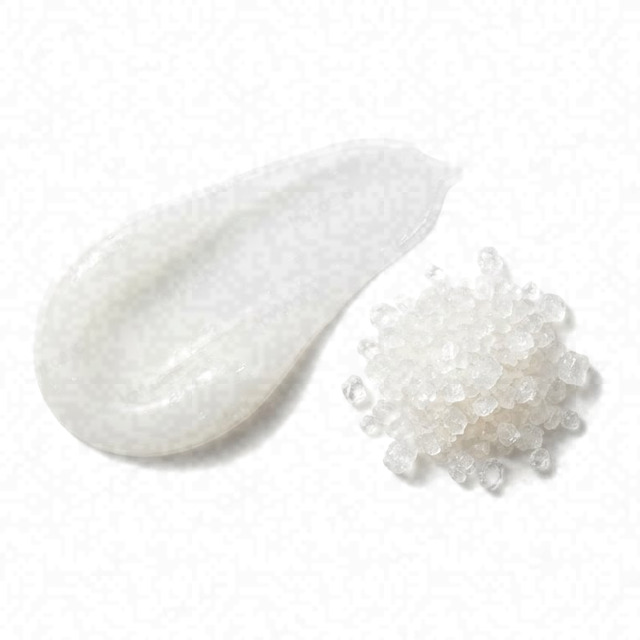 Sodium Gluconate
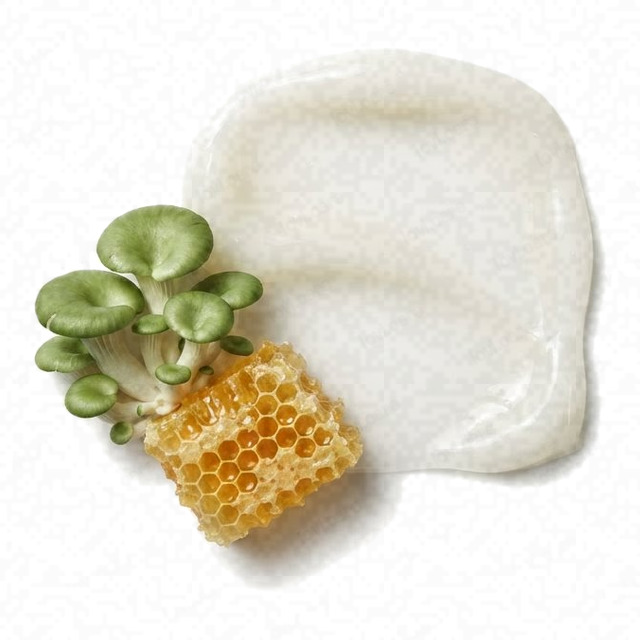 Panthenol
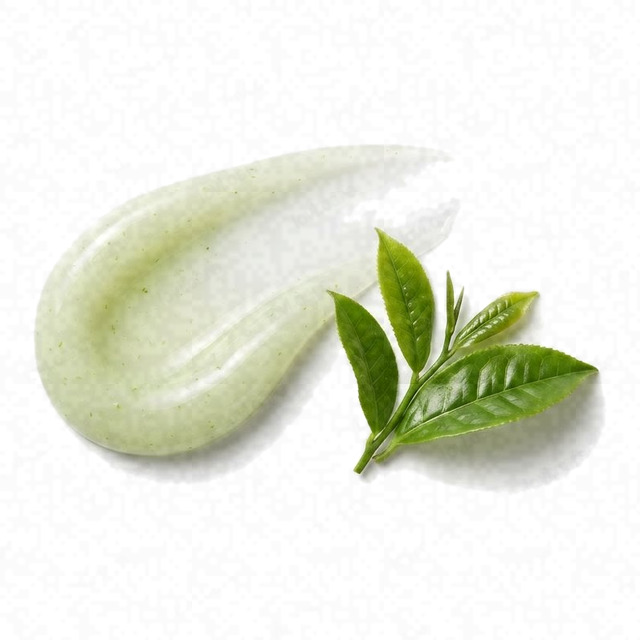 Camellia Sinensis Extract
 Aloe Barbadensis Leaf Juice
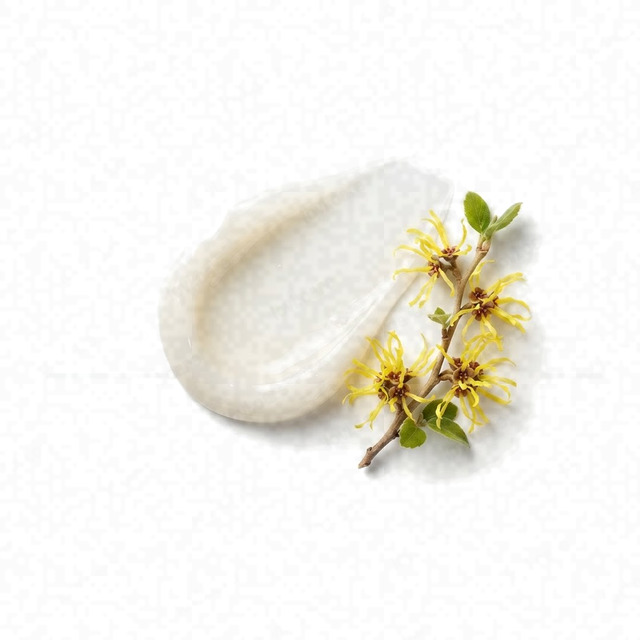 Witch Hazel Water
High
- SuperiorNormal Skin Fit
- HighEffectiveness
- ExcellentSafety
A great choice for sensitive skin; a few toners fit it even better.
This fit is calculated for the concerns frequently associated with sensitive skin: redness, stinging, and reactions to new products. For scores and recommendations based on your full skin profile, including your 12D face scan results and any goals or preferences you have, please use the Lovi app.
Page built Nov 8, 2026How the Fit score works
Lovi Assistant explains
- Excellent suitability for your normal skin with sensitivity is provided by aloe barbadensis leaf juice and camellia sinensis leaf extract, which offer significant soothing and antioxidant benefits to calm redness and irritation.
- Panthenol and sorbitol further support barrier repair and hydration, enhancing overall skin comfort for your specific needs.
- The product is safe for your skin, containing no harsh ingredients and featuring a blend of soothing agents.
How to apply
- Could be used as part of your AM or PM routine. Start using this soothing toner 3×/week, and move to daily use if your skin likes it.
- Apply this soothing toner after your cleanser, and before your moisturizer or SPF.
- Gently press 2-3 drops of the soothing toner into your skin with your hands. Let it absorb for a minute before moving on.
- Since your skin is sensitive, apply this soothing toner on completely dry skin to make it feel extra comfortable.
- Be sure to avoid the eye area and do a quick patch test before your very first use.
People Say
★4.5Overall rating based on 300+ reviewsUsers with combination and sensitive skin frequently praise this toner for effectively balancing oily T-zones while hydrating dry patches without leaving a sticky residue. Many reviewers report that the alcohol-free formula visibly calms redness and refines pore texture, leaving the complexion feeling fresh, soft, and prepared for moisturizer.
Highlights
Balancing and hydrating Mostly Mentioned
- “leaves skin soft”
- “non-drying”
- “balances oil”
- “lightweight hydration”
Pleasant sensory experience Often Mentioned
- “spa-like scent”
- “herbal aroma”
- “refreshing feel”
- “relaxing fragrance”
Soothing and gentle Often Mentioned
- “calms redness”
- “alcohol-free”
- “suitable for sensitive skin”
- “non-irritating”
Expensive price point Often Mentioned
- “expensive for toner”
- “luxury cost”
- “not budget-friendly”
- “pricey refill”
Pore refinement Sometimes Noted
- “tightens pores”
- “cleans residue”
- “improves skin texture”
- “fresh finish”
Inconvenient packaging Sometimes Noted
- “heavy glass bottle”
- “no pump/spray”
- “hard to dispense”
- “travel unfriendly”
Caused reactions Rarely Noted
- “caused breakouts”
- “stinging sensation”
- “sticky residue”
- “product pilling”
Unpleasant scent Rarely Noted
- “medicinal smell”
- “strong herbal odor”
- “overpowering fragrance”
- “earthy scent”
Sources: lovi.care, myer.com.au, adorebeauty.com.au, spacenk.com, lookfantastic.com, nordstrom.com, and more
Questions and answers
What makes Aésop B & Tea Balancing Toner a great fit for sensitive skin?
This toner is a great fit because aloe vera and green tea extract calm redness and irritation with powerful soothing benefits. Panthenol and sorbitol also support skin barrier repair and hydration to keep your skin comfortable and soft.
Journal of the American Academy of Dermatology, 2001American Journal of Clinical Dermatology, 2002
Which ingredients make this toner a good fit for sensitive skin?
Aloe barbadensis leaf juice and camellia sinensis leaf extract make this toner a great fit by offering soothing and antioxidant benefits that calm redness and irritation. Panthenol and sorbitol further support barrier repair and hydration, keeping sensitive skin comfortable.
Journal of the American Academy of Dermatology, 2001American Journal of Clinical Dermatology, 2002
What does Sodium Gluconate do for sensitive skin?
Sodium Gluconate helps keep sensitive skin calm and balanced by supporting the formula's stability and mildness. It is unlikely to cause irritation and works gently to help maintain the skin's natural moisture.
What does Panthenol do for sensitive skin?
Panthenol helps calm sensitive skin by reducing redness and irritation while improving hydration and repairing the skin barrier. It is unlikely to cause negative reactions and supports healing for dry or reactive skin.
Journal of Cosmetic Dermatology, 2025American Journal of Clinical Dermatology, 2002
Where does this toner go in a skincare routine for sensitive skin?
This soothing toner goes in your morning and evening routine right after cleansing and before moisturizing. It helps calm redness and irritation while supporting hydration and skin comfort.
Journal of the American Academy of Dermatology, 2001American Journal of Clinical Dermatology, 2002
Can I use it with retinol, and in what order?
You can use this toner with retinol by applying the toner first right after cleansing, letting it absorb, and then following with your retinol product. Ingredients like panthenol and green tea extract help calm redness and support skin comfort, making it less likely that your skin will become irritated by active treatments.
Cutis, 2006Journal of the American Academy of Dermatology, 2001
How often should I use this toner?
You can use this toner twice a day, in both your morning and evening routines. Its soothing ingredients help calm redness and irritation while supporting skin barrier comfort.
Journal of the American Academy of Dermatology, 2001American Journal of Clinical Dermatology, 2002
Can it clog pores, cause breakouts or purging for sensitive skin?
This toner is unlikely to clog pores or cause breakouts on sensitive skin. It features soothing aloe leaf juice and panthenol to keep skin calm and hydrated without heavy oils that block pores.
American Journal of Clinical Dermatology, 2002The Journal of Dermatological Treatment, 2017
Is this toner fragrance-free and alcohol-free?
It has no drying alcohol and contains fragrance (benzyl alcohol, linalool, benzyl salicylate, farnesol, geraniol, eugenol, and isoeugenol).
What the research says
Application of green tea extracts on normal human skin resulted in dose-dependent inhibition of UV-evoked erythema, reduced sunburn cells, protected Langerhans cells, and decreased UV-induced DNA damage compared to untreated UV-exposed skin.
Journal of the American Academy of Dermatology, 2001Topical application of (-)-epigallocatechin-3-gallate (EGCG) to human skin before UV irradiation decreases UV-induced production of hydrogen peroxide by 68-90% and nitric oxide by 30-100%, inhibits leukocyte infiltration and lipid peroxidation by 41-84%, and restores glutathione levels and glutathione peroxidase activity compared to UV exposure alone.
Carcinogenesis, 2001Topical dexpanthenol acts as a moisturizer, improves stratum corneum hydration, accelerates wound healing and epidermal regeneration, reduces erythema, and improves symptoms of skin irritation compared to vehicle or no pretreatment.
American Journal of Clinical Dermatology, 2002A new topical panthenol-containing emollient significantly improved transepidermal water loss reduction, stratum corneum hydration, and intercellular lipid lamellae length compared with control in healthy subjects without negatively impacting bacterial viability.
The Journal of Dermatological Treatment, 2017Moisturizer containing 5% panthenol, madecassoside, and copper-zinc-manganese decreased adverse reactions and downtime after ablative fractional carbon dioxide laser resurfacing with comparable efficacy to 0.02% triamcinolone acetonide cream in 20 subjects.
Journal of Cosmetic Dermatology, 2019Topical dexpanthenol formulated in lipophilic vehicles improved stratum corneum hydration and reduced transepidermal water loss compared to vehicle control in humans.
Arzneimittel-Forschung, 2000Hyaluronic acid, hyaluronic acid plus dexpanthenol, and isotonic saline nasal sprays all significantly improved dry nose symptoms over four weeks in 240 patients, with hyaluronic acid plus dexpanthenol providing superior nasal moisturisation compared to the other two.
Auris, Nasus, Larynx, 2020Topical green tea extract significantly improved clinical symptoms, tear breakup times, and meibomian gland health compared to standard treatment in patients with dry eye and Meibomian Gland Dysfunction.
Journal of Clinical and Diagnostic Research, 2017Topical low-dose green tea extract reduces UVB-induced p53 expression and apoptosis in human skin keratinocytes compared to placebo.
Experimental Dermatology, 2009An anti-acne hydrogel containing Aloe barbadensis, Garcinia mangostana, and Camellia sinensis extracts showed superior antiacne and antiblotch activities compared to 1% clindamycin gel in sixty subjects with mild-moderate acne.
Clinical, Cosmetic and Investigational Dermatology, 2019A cream combining propolis, tea tree oil, and Aloe vera reduced erythema scars, acne severity index, and total lesion count better than erythromycin cream in sixty patients with mild to moderate acne vulgaris compared to placebo.
Clinical Pharmacology, 2018Topical aloe vera gel significantly accelerated split-thickness skin graft donor-site healing compared to placebo in 12 patients, but showed no significant difference in pain relief.
Plastic and Reconstructive Surgery, 2018Topical application of Aloe vera cream reduced postoperative pain at rest and during defecation, accelerated wound healing at two weeks, and decreased analgesic requirements in patients after open hemorrhoidectomy compared to placebo.
Journal of Alternative and Complementary Medicine, 2010A Hamamelis virginiana leaf extract increased LOXL1 expression twofold, decreased elafin synthesis, restored functional elastic fibers, reduced nonfunctional elastin aggregates, decreased wrinkles, and improved skin firmness.
Journal of Cosmetic Science, 2018Hamamelis bark proanthocyanidins strongly increased the proliferation of cultured human keratinocytes and reduced transepidermal water loss and erythema formation in SLS-irritated skin, whereas the polysaccharide fraction had no effect.
Phytochemistry, 2001Witch hazel bark extract and hamamelitannin showed pronounced anti-inflammatory activity, supported keratinocyte migration in a wound healing assay, and inhibited Staphylococcus aureus growth, whereas their skin microbiota metabolite ellagic acid stimulated inflammatory mediator release.
Journal of Ethnopharmacology, 2025
Ingredients
Water, Aloe Barbadensis Leaf Juice, Polysorbate 80, Witch Hazel Water, Sodium Gluconate, Sodium Lactate, Benzyl Alcohol, Phenoxyethanol, Sorbitol, Panthenol, Cananga Odorata Oil Flower, Disodium Edta, Sodium Citrate, Benzoic Acid, Camellia Sinensis Leaf Extract, Benzalkonium Chloride, Dehydroacetic Acid, Ethylhexylglycerin, Citric Acid, Linalool, Benzyl Benzoate, Benzyl Salicylate, Farnesol, Geraniol, Eugenol, Isoeugenol
Behind this fit score
Lovi calculates every fit score from the full ingredient list with brand-independent rules our dermatologists and cosmetic chemists build and review, and personalizes every pick with AI trained on the real results of millions of users. Lovi trains its fit score models on a proprietary dataset built from more than 10,000 expert-labeled products and more than 100,000 simulated examples, following an internally consistent methodology presented at Cosmoprof, AMWC, and Skin of Color Update.
-

Co-founder, Medical Director
Cosmetic chemist, cosmetologist, aesthetic products developer
-

Co-founder, CEO and CTO
PhD in computer science, 3x US patent holder, ex-Google, ex-Yandex
-

Dr. Sofía Perea Pérez, MD, MSc
Medical Board
Aesthetic medicine practitioner, MSc in Longevity and Anti-Aging Medicine
-

Medical Board
Specialist dermatologist, MBBS, MD, IFAAD
-

Medical Board
Cosmetic chemist, SCS, IFSCC member
-

Medical Board, Medical Advisor
Dermatology MD
-

Elina Nazarenko, MD
Medical Board
Dermatology and diagnostic consultant
-

Victoria Derkova, MS
Medical Board
Cosmetic chemist, cosmetic development technologist


How does it fit your skin?
Scan your face, then any product: Lovi shows how well it fits you and what fits even better.