ZO Skin Health Instant Pore Refiner for oily skin

 Squalane
 Glycerin
 Sodium Hyaluronate
 Tocopherol
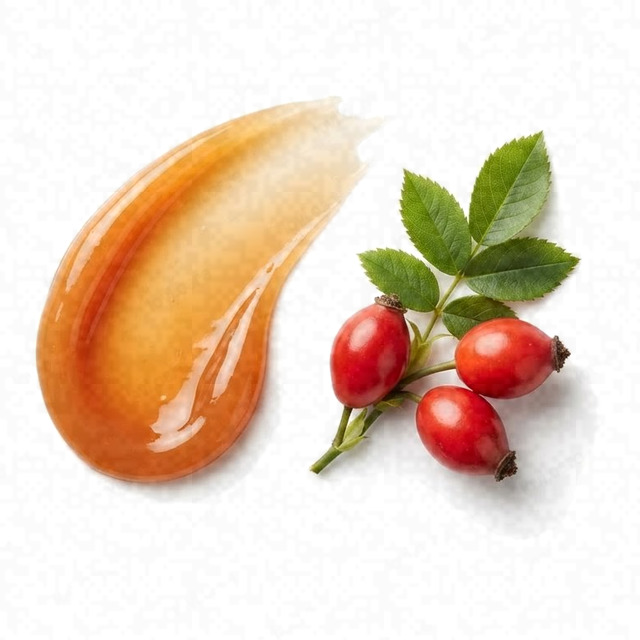 Rosa Canina Fruit Extract
Average
- HighOily Skin Fit
- HighEffectiveness
- HighSafety
Works for oily skin; other serums fit it better.
This fit is calculated for the concerns frequently associated with oily skin: shine, enlarged pores, blackheads, and blemishes. For scores and recommendations based on your full skin profile, including your 12D face scan results and any goals or preferences you have, please use the Lovi app.
Page built Nov 8, 2026How the Fit score works
Lovi Assistant explains
- Offers moderate pore refining for your oily skin due to salicylic acid and retinol, which help exfoliate and decongest pores, while ingredients like Rosa Canina Fruit Extract and Rosmarinus Officinalis Leaf Extract provide soothing benefits.
- While Polymethyl Methacrylate and Salicyloyl Phytosphingosine contribute to seboregulation, the primary focus on hydration and soothing from Glycerin and Sodium Hyaluronate offers supportive, rather than direct, benefits for reducing oily shine.
- The product is safe for your oily skin, with no risks of irritation from harsh ingredients and the inclusion of calming botanical extracts.
How to apply
- Use this serum in your PM routine. Start by applying it 3 times a week and build up to daily use if your skin tolerates it well.
- Apply the serum after cleansing and toning, but right before your moisturizer for the best results.
- Gently press 2-3 drops of the serum into your skin. Let it absorb ⏱ for a minute before applying the next product.
- Apply the serum on clean and dry skin since your skin is not sensitive and you want to target oily shine. This helps control excess oil throughout the night.
- Avoid the delicate eye area and do a patch test before using the serum for the very first time.
People Say
★4.8Overall rating based on 100+ reviewsBased on limited data, users with oily and textured skin frequently describe this product as a game changer for its ability to instantly mattify the complexion and blur the appearance of enlarged pores. Many praise its primer-like finish and long-term texture improvements, while some users report an initial purging phase with breakouts or find the high price point difficult to justify given the small bottle size.
Highlights
Instantly mattifies Mostly Mentioned
- “Eliminates surface shine”
- “keeps oil at bay”
- “instant matte finish”
- “shine-free appearance”
Refines pores Often Mentioned
- “Pores look smaller”
- “blurs large pores”
- “minimizes pore visibility”
- “tightens pore look”
Smooths texture Often Mentioned
- “Silky smooth feel”
- “improves skin texture”
- “glass skin effect”
- “softens imperfections”
High price point Often Mentioned
- “Very expensive”
- “pricey for amount”
- “small bottle”
- “costly investment”
Primer base Sometimes Noted
- “Great under makeup”
- “makeup glides on”
- “acts like a primer”
- “smooth base for foundation”
Initial breakouts Sometimes Noted
- “Caused purging”
- “experienced breakouts initially”
- “spots appeared first week”
- “skin got worse before better”
Lack of results Rarely Noted
- “No visible change”
- “didn't shrink pores”
- “not worth the hype”
- “saw no difference”
Potential irritation Rarely Noted
- “Caused redness”
- “stinging sensation”
- “skin felt dry”
- “flaking around nose”
Sources: lovi.care, face-dr.com, reddit.com, rejuventskincare.com, thevanitylab.com, youtube.com, and more
Questions and answers
How well does Instant Pore Refiner work for oily skin?
Instant Pore Refiner works moderately well for oily skin by helping to clear out pores and soothe, but it focuses more on hydration rather than directly controlling oily shine. Oily skin needs a product of this type that contains niacinamide and ferulic acid to control sebum production and enhance radiance without clogging pores.
Which ingredients make this serum a good fit for oily skin?
This serum fits your oily skin moderately well thanks to salicylic acid and retinol, which help clear pores, alongside plant extracts that calm the skin. To work best for oily skin, a product of this type needs ingredients like niacinamide to control excess oil and shine while keeping the skin comfortable and glowing.
What does Squalane do for oily skin?
Squalane helps keep oily skin soft and smooth without feeling heavy, though oxidized forms may sometimes trigger irritation. To work well for oily skin, this type of product needs lightweight, non-clogging ingredients that balance moisture without adding excess grease.
What does Glycerin do for oily skin?
Glycerin helps keep oily skin hydrated without feeling heavy and supports the skin barrier. Because this product is a weak fit for your skin, an ideal product of this type needs lightweight hydrators and ingredients that balance oil while protecting the skin.
The British Journal of Dermatology, 2008International Journal of Toxicology, 2019
Where does this serum go in a skincare routine for oily skin?
This treatment goes in the evening routine after cleansing and toning, and before moisturizing. Oily skin works best with products of this type that focus more strongly on oil control and deep pore clearing.
Can I use it with retinol, and in what order?
You can use this treatment with retinol, but since this product already contains retinol and exfoliating acids, layering them may increase the likelihood of irritation for oily skin. To manage this safely, use them on alternate nights or keep your routine simple with hydrating ingredients like glycerin and hyaluronic acid to help keep skin calm and smooth.
How often should I use this serum?
This treatment is meant to be used in the evening, starting once a week to see how your skin reacts. Oily skin works best with treatments that focus directly on controlling shine and clearing pores using ingredients like targeted acids and oil-absorbing minerals.
Can it clog pores, cause breakouts or purging for oily skin?
This treatment may cause initial breakouts for oily skin, as reviewers note this is a moderate concern. It is unlikely to cause severe irritation because it includes calming botanical extracts, but a product for this skin type still needs targeted oil-absorbing and deep pore-clearing ingredients to effectively manage shine.
Is this serum fragrance-free and alcohol-free?
It has no drying alcohol and contains fragrance (parfum). Cetyl alcohol, myristyl alcohol, stearyl alcohol, and lauryl alcohol are fatty alcohols, which soften the skin.
What the research says
A single application of a moisturizing fluid containing hyaluronic acid 1%, glycerin 5%, and Centella asiatica stem cells extract significantly increased skin hydration by 29% and reduced transepidermal water loss at 24 hours compared to baseline and an untreated control site in twenty healthy women.
Clinical, Cosmetic and Investigational Dermatology, 2017A topical serum containing vitamin C, vitamin E, and raspberry leaf cell culture extract improved skin color, elasticity, radiance, smoothness, scaliness, and wrinkles compared to the untreated contralateral side in fifty female volunteers.
Journal of Cosmetic Dermatology, 2020Squalane at 0.005-0.015% counteracts UVA-induced oxidative stress, inflammation, and collagen metabolism inhibition while stimulating fibroblast migration in human dermal fibroblasts.
Molecules, 2025Plant-derived squalane protected human dermal fibroblasts against UVA-induced damage by counteracting ROS formation, suppressing apoptosis-related proteins p53, caspase-3, caspase-9, and PARP, and restoring the pro-survival p-Akt/mTOR pathway.
Antioxidants, 2025The emollient V0034CR significantly reduced TEWL compared to vehicle and vehicle plus glycerol, and significantly increased corneometry scores compared to vehicle and vehicle plus petrolatum in healthy volunteers with dry skin, demonstrating combined barrier function improvement from petrolatum and hydration improvement from glycerol.
Journal of Cosmetic Dermatology, 2020Ten days of treatment with a cream containing 20% glycerin significantly increased skin hydration measured by corneometer values in 17 healthy volunteers compared to a placebo cream, but showed no influence on transepidermal water loss or skin sensitivity to an irritating surfactant.
International Journal of Cosmetic Science, 2001Niacinamide/glycerin body moisturizers provided better rapid and prolonged improvement of cosmetic xerosis through functional improvement of stratum corneum barrier function compared to no treatment and conventional moisturizers in female subjects.
Journal of Drugs in Dermatology, 2012Topical application of 0.1% hyaluronic acid formulations of different molecular weights led to significant improvements in skin hydration and elasticity, with low-molecular-weight formulations also significantly reducing wrinkle depth in seventy-six female subjects compared to a vehicle control.
Journal of Drugs in Dermatology, 2011Topical application of hyaluronic acid in conjunction with free gingival graft significantly reduced donor site postoperative pain until day 7 compared to normal saline, with no significant differences in graft dimensions or patient satisfaction.
Clinical Oral Investigations, 2022Treatment with a hyaluronic acid-containing mouth rinse or topical gel led to significant lesion reduction, pain relief, and normalization of lesion color in adult patients with minor recurrent aphthous stomatitis, with the gel formulation showing an earlier healing onset at 3 days.
BMC Oral Health, 2019Topical application of an antioxidant serum containing 15% ascorbic acid, 0.5% ferulic acid, and 1% tocopherol prevented particulate matter-induced degradation of extracellular matrix components, inflammation, and oxidative stress in the skin of 15 female volunteers compared to untreated controls.
Journal of Cosmetic Dermatology, 2025Dermatological products containing d-alpha tocopheryl acetate showed non-comedogenic potential with less than a 50% increase in microcomedones in 12 healthy male subjects compared to octyl palmitate.
Contemporary Clinical Trials Communications, 2021Topical application of an antioxidant mix containing 15% ascorbic acid, 0.5% ferulic acid, and 1% tocopherol prevented PM and UV-induced skin barrier perturbation, lipid peroxidation, inflammatory markers, MMP9 activation, and Type I collagen loss in 15 healthy females compared to untreated exposed skin.
Journal of Cosmetic Dermatology, 2024Topical treatments containing rosehip extract may reduce the size and erythema of postsurgical scars through macrophage polarization and inflammatory cytokine inhibition, though current clinical evidence remains insufficient to recommend its routine use.
Journal of Cosmetic Dermatology, 2024Sunflower and rosehip oil nanoemulsions prepared with a mix of phospholipids and synthetic emulsifiers permeated intact skin to the dermis and showed a more prominent healing effect in a human organotypic skin explant culture wound model compared to nanoemulsions prepared only with phospholipids.
Pharmaceutics, 2023Topical treatment with rosehip seed oil stimulates hair growth in telogenic C57BL/6 mice by inducing the early transition of hair follicles from the telogen to the anagen phase and upregulating hair growth-associated genes.
Preventive Nutrition and Food Science, 2023
Ingredients
Water, Coconut Alkanes, Methylheptyl Isostearate, Cetyl Alcohol, Glyceryl Stearate, Peg-100 Stearate, Isohexadecane, Butylene Glycol, Carthamus Tinctorius Seed Oil, Squalane, Jojoba Seed Oil, Aleurites Moluccana Seed Oil, Plukenetia Volubilis Seed Oil, Helianthus Annuus Seed Oil, Rosa Canina Fruit Extract, Rosmarinus Officinalis Leaf Extract, Leontopodium Alpinum Meristem Cell Culture, Marrubium Vulgare Meristem Cell Culture, Polymethyl Methacrylate, Glycerin, Coco-Caprylate Caprate, Glycol Distearate, Polyacrylamide, Oleth-20, C13-14 Isoparaffin, Caprylyl Glycol, Salicyloyl Phytosphingosine, Ethylene Glycol Monostearate, Xanthan Gum, Tocopheryl Acetate, Propanediol, Caesalpinia Spinosa Gum, Laureth-7, Disodium Edta, Ethyl Ferulate, Myristyl Alcohol, Stearyl Alcohol, Aminomethyl Propanol, Sodium Hyaluronate, Isostearic Acid, Retinyl Palmitate, Ascorbic Acid, Methylene Glycol, Fatty Acid C14-18, Lauryl Alcohol, Lecithin, Tocopherol, Phenoxyethanol, Chlorphenesin, Glyceryl Caprylate, Glyceryl Undecylenate, Parfum
Behind this fit score
Lovi calculates every fit score from the full ingredient list with brand-independent rules our dermatologists and cosmetic chemists build and review, and personalizes every pick with AI trained on the real results of millions of users. Lovi trains its fit score models on a proprietary dataset built from more than 10,000 expert-labeled products and more than 100,000 simulated examples, following an internally consistent methodology presented at Cosmoprof, AMWC, and Skin of Color Update.
-

Co-founder, Medical Director
Cosmetic chemist, cosmetologist, aesthetic products developer
-

Co-founder, CEO and CTO
PhD in computer science, 3x US patent holder, ex-Google, ex-Yandex
-

Dr. Sofía Perea Pérez, MD, MSc
Medical Board
Aesthetic medicine practitioner, MSc in Longevity and Anti-Aging Medicine
-

Medical Board
Specialist dermatologist, MBBS, MD, IFAAD
-

Medical Board
Cosmetic chemist, SCS, IFSCC member
-

Medical Board, Medical Advisor
Dermatology MD
-

Elina Nazarenko, MD
Medical Board
Dermatology and diagnostic consultant
-

Victoria Derkova, MS
Medical Board
Cosmetic chemist, cosmetic development technologist


How does it fit your skin?
Scan your face, then any product: Lovi shows how well it fits you and what fits even better.