Youth To The People Kombucha + 11% AHA Exfoliation Power Toner for acne-prone skin

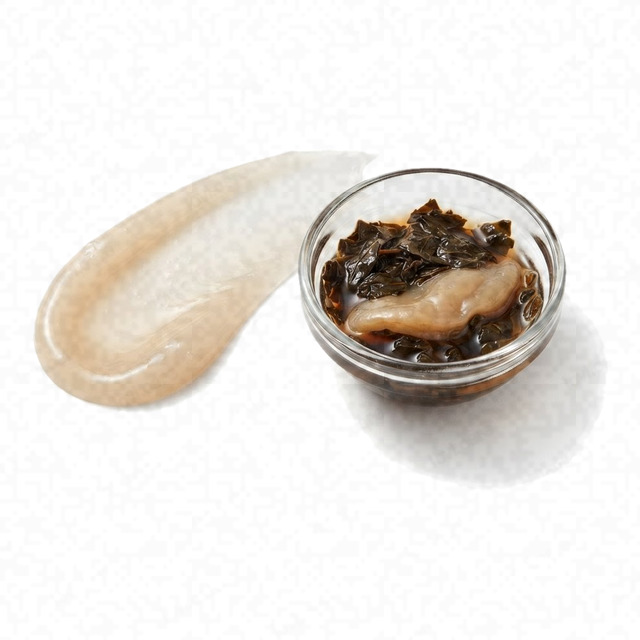 Saccharomyces Xylinum Black Tea
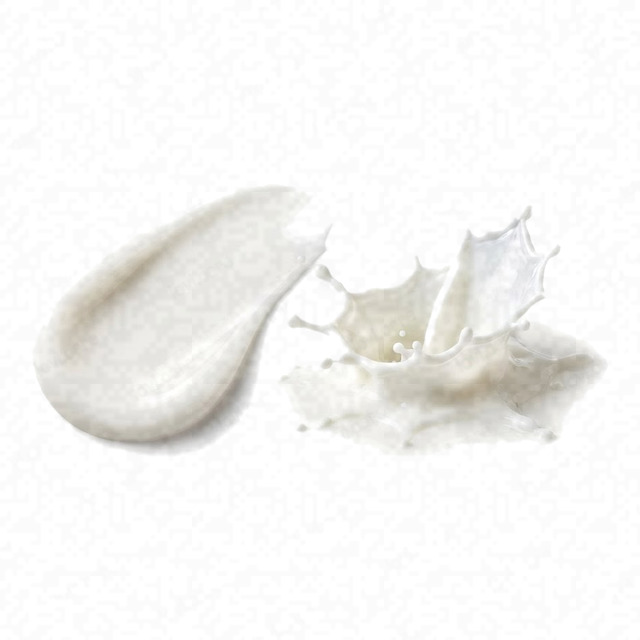 Lactic Acid
 Glycolic Acid
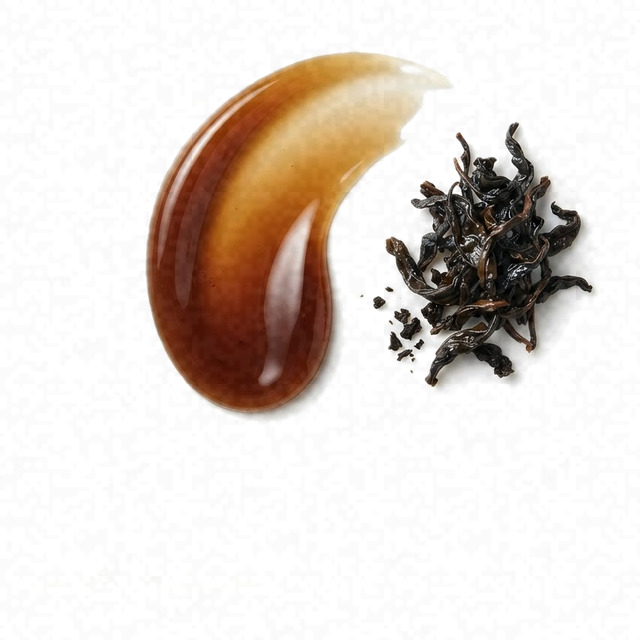 Black Tea
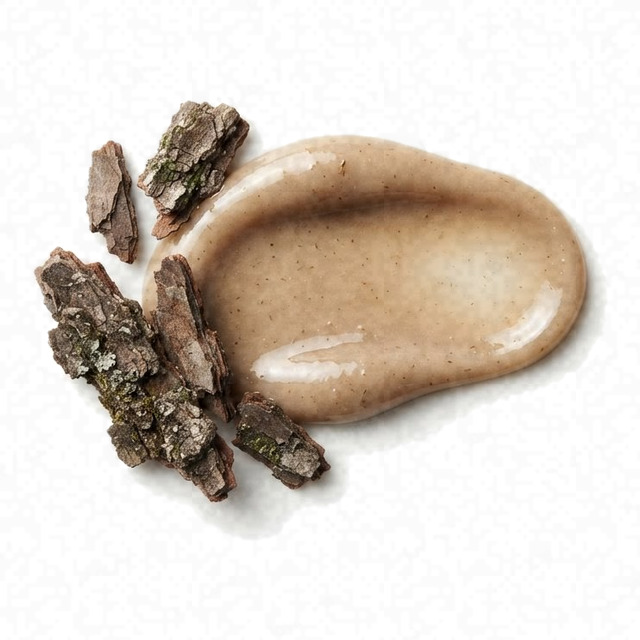 Bark Tree
High
- HighCombination Skin Fit
- HighEffectiveness
- HighSafety
A great choice for acne-prone skin; a few toners fit it even better.
This fit is calculated for the concerns frequently associated with acne-prone skin: breakouts, blackheads, and post-acne marks. For scores and recommendations based on your full skin profile, including your 12D face scan results and any goals or preferences you have, please use the Lovi app.
Page built Nov 8, 2026How the Fit score works
Lovi Assistant explains
- Offers excellent exfoliation for your acne, blemishes, and breakouts due to lactic acid and glycolic acid, which promote skin renewal and unclog pores, making it highly suitable for your combination skin. Pentylene glycol and glycerin further support your skin by providing humectant action.
- The presence of Saccharomyces Xylinum Black Tea Ferment and Pichia Lysate Ferment Filtrate offers additional benefits for skin renewal and texture.
- The formula is safe for your acne-prone skin, with no risks of irritation due to the absence of prohibited or harsh ingredients.
How to apply
- You can use this exfoliating toner in your PM routine. Start by using it 1 time per week and increase slowly if your skin is happy.
- Apply your exfoliating toner right after cleansing and before your moisturizing steps. This helps your skin stay clean and clear.
- Gently press 2-3 drops of the exfoliating toner into your skin with your hands. Avoid rubbing to keep your face calm.
- Apply the exfoliating toner on clean and dry skin for the best comfort. Let it dry for a minute ⏱ before moving on.
- Always do a patch test before your first use and avoid putting the product too close to your eyes.
People Say
★4.3Overall rating based on 100+ reviewsBased on limited data, users frequently describe this toner as a potent overnight treatment that rapidly smooths texture and minimizes pores, though its sticky finish is a common complaint. It is particularly praised by those with oily or acne-prone skin for clearing breakouts and creating a glass skin glow, while sensitive skin users often report initial stinging.
Highlights
Improves texture Mostly Mentioned
- “skin felt very smooth”
- “softens lines”
- “texture appears way more even”
Sticky finish Mostly Mentioned
- “super sticky”
- “left my face sticky”
- “like sugar water on my face”
Clears acne Often Mentioned
- “clears up scarring”
- “heals active breakouts”
- “acne is cleared overnight”
Creates glow Sometimes Noted
- “glowing and clear skin”
- “glass skin”
- “skin looks plump and firm”
Minimizes pores Sometimes Noted
- “minimize the appearance of pores”
- “pores look smaller”
- “tightens pores”
Stinging sensation Sometimes Noted
- “skin stung quite a bit”
- “strong on the skin”
- “tingles for a few minutes”
Unpleasant taste Sometimes Noted
- “weird taste”
- “gets in my mouth”
- “horrible taste left in my mouth”
Unpleasant scent Rarely Noted
- “slight smell from kombucha”
- “smell is not that nice”
- “fermented scent”
Sources: lovi.care, influenster.com, gopicky.com, reddit.com, sephora.com, cultbeauty.co.uk, and more
Questions and answers
What makes Youth To The People Kombucha + 11% AHA Exfoliation Power Toner a great fit for acne-prone skin?
This toner is a great fit because its lactic acid and glycolic acid help clear pores and encourage skin renewal to keep acne and breakouts under control. Glycerin and pentylene glycol also support your skin by keeping it hydrated, while the formula remains safe and gentle without harsh or prohibited ingredients.
Clinical, Cosmetic and Investigational Dermatology, 2017Journal of Cosmetic Dermatology, 2019
Which ingredients make this toner a good fit for acne-prone skin?
This toner is a great fit for your acne-prone skin because lactic acid and glycolic acid help unclog pores and renew the skin. Glycerin and pentylene glycol further support your skin by keeping it hydrated.
Journal of Cosmetic Dermatology, 2019Clinical, Cosmetic and Investigational Dermatology, 2019
What does Saccharomyces Xylinum do for acne-prone skin?
Saccharomyces Xylinum ferment helps acne-prone skin by providing antioxidant and protective effects against oxidative stress without irritating skin cells. This type of product works best when it also includes ingredients that calm redness and keep pores clear of excess oil.
What does Lactic Acid do for acne-prone skin?
Lactic acid helps clear acne-prone skin by reducing both inflammatory and non-inflammatory lesions with regular topical use. It works well to smooth and calm the skin while managing breakouts safely over time.
Indian Journal of Dermatology, Venereology and Leprology, 2002
Where does it go in a skincare routine for acne-prone skin?
This exfoliating toner fits into your evening routine as a treatment step after cleansing, starting at once a week and slowly using it more often if your skin handles it well. Lactic and glycolic acids help clear out pores and renew the skin while keeping a very safe profile against irritation.
Can I use this toner with retinol, and in what order?
It is best to use this exfoliating toner on nights when you are not applying retinol, as combining two strong renewing products on your acne-prone skin may raise the likelihood of irritation.
How often should I use it?
Start by using this exfoliating toner once a week to help clear breakouts and renew your skin safely. If your skin feels comfortable and you see good results, you may carefully use it more often.
Journal of Cosmetic Dermatology, 2021Journal of Cosmetic Dermatology, 2021
Can this exfoliant clog pores, cause breakouts or purging for acne-prone skin?
This exfoliating toner is a great fit for your acne-prone skin because lactic acid and glycolic acid help clear out pores and renew the skin without causing irritation. It is very unlikely to clog pores or cause breakouts, though a slight stinging sensation may happen as it works.
Journal of Cosmetic Dermatology, 2019Clinical, Cosmetic and Investigational Dermatology, 2019
Is it fragrance-free and alcohol-free?
Yes, it has no fragrance and no drying alcohol.
What the research says
A single application of a moisturizing fluid containing hyaluronic acid 1%, glycerin 5%, and Centella asiatica stem cells extract significantly increased skin hydration by 29% and reduced transepidermal water loss at 24 hours compared to baseline and an untreated control site in twenty healthy women.
Clinical, Cosmetic and Investigational Dermatology, 2017A combination of dermapen and glycolic acid peel significantly decreased acne scar grades and resulted in higher patient satisfaction compared to either monotherapy in 30 patients.
Journal of Cosmetic Dermatology, 2019Glycolic acid, salicylic acid, gluconolactone, and licochalcone A combined with 0.1% adapalene showed no hindrance compared to adapalene monotherapy and provided benefits in reducing complications in 25 subjects with mild-to-moderate acne vulgaris.
Clinical, Cosmetic and Investigational Dermatology, 2019An anti-acne hydrogel containing Aloe barbadensis, Garcinia mangostana, and Camellia sinensis extracts showed superior antiacne and antiblotch activities compared to 1% clindamycin gel in sixty subjects with mild-moderate acne.
Clinical, Cosmetic and Investigational Dermatology, 2019Kombucha Yerba Mate ferments after 14 and 21 days of fermentation showed about a 40% inhibition of lipoxygenase, collagenase, and elastase enzymes, long-lasting skin hydration, and increased cell viability on keratinocyte and fibroblast cell lines compared to unfermented extracts.
Scientific Reports, 2021Fermentation of grape stems extract using a Scoby consortium for 10 and 20 days increases phenolic content and antioxidant activity, and when added to model cosmetic creams, improves skin hydration and reduces transepidermal water loss.
International Journal of Cosmetic Science, 2023Application of a cream containing lactic acid 12% and pramoxine HCl 1% significantly improved skin dryness, hydration, and itch compared with a nontreated control in 24 women with a history of dry itchy skin.
Cutis, 2004Topical 12% ammonium lactate produced a significant sparing of epidermal and dermal atrophy induced by clobetasol propionate in human volunteers, without influencing the corticosteroid's bioavailability or antiinflammatory properties.
Journal of the American Academy of Dermatology, 1992A lactic acid/ceramide lotion significantly improved skin moisturization and desquamation compared to no treatment in women with dry, rough skin on the anterior shins.
The Journal of Clinical and Aesthetic Dermatology, 2020Repeated short-contact 70% glycolic acid peels provided superior results in atrophic acne scars compared to daily low-strength glycolic acid cream or placebo in 58 women over 24 weeks.
International Journal of Dermatology, 2000Serial glycolic acid peels combined with a modified Kligman formula significantly reduced facial PIH severity in Indian patients compared to the modified Kligman formula alone.
Dermatologic Surgery, 2017Topical and in vitro application of a Camellia sinensis leaf extract demonstrated immunomodulatory, detoxification, anti-inflammatory, and antioxidant properties while improving mood states, skin hydration, barrier function, rejuvenation, and facial skin health.
International Journal of Cosmetic Science, 2025Topical application of standardized black tea extract prior to or after UVB exposure reduced erythema, skinfold thickness, inflammation, and the accumulation of c-fos and p53 proteins in murine and human skin.
Photochemistry and Photobiology, 1999Topical application of black tea gel prevented UV-induced erythema in all six subjects compared to unprotected control sites where erythema appeared after 4 hours.
International Journal of Cosmetic Science, 2007Topical birch bark extract significantly increased the proportion of patients with first complete target wound closure within 45 days compared to control gel in patients with dystrophic and junctional epidermolysis bullosa.
Drugs, 2023Betula alba bark extract and Empetrum nigrum fruit juice upregulated barrier genes, strengthened the skin barrier, and showed significantly better skin restructuring, hydration, and TEWL compared to placebo and 3% niacinamide.
International Journal of Molecular Sciences, 2022Topical treatment with a cream containing 6.0% Stryphnodendron adstringens bark extract suppressed terminal hair growth and reduced the Ferriman-Gallwey score from 4 to 2 compared to 4 to 3 in the placebo group in women with excess terminal hair.
Journal of the European Academy of Dermatology and Venereology, 2009
Ingredients
Water, L-Arginine, Lactic Acid, Glycolic Acid, Pentylene Glycol, Glycerin, Betaine, Phenoxyethanol, Potassium Sorbate, Zingiber Officinale Water, Lemon Fruit Water, Saccharomyces Xylinum Black Tea Ferment, Tetrasodium Glutamate Diacetate, Pichia Lysate Ferment Filtrate, Caramel
Behind this fit score
Lovi calculates every fit score from the full ingredient list with brand-independent rules our dermatologists and cosmetic chemists build and review, and personalizes every pick with AI trained on the real results of millions of users. Lovi trains its fit score models on a proprietary dataset built from more than 10,000 expert-labeled products and more than 100,000 simulated examples, following an internally consistent methodology presented at Cosmoprof, AMWC, and Skin of Color Update.
-

Co-founder, Medical Director
Cosmetic chemist, cosmetologist, aesthetic products developer
-

Co-founder, CEO and CTO
PhD in computer science, 3x US patent holder, ex-Google, ex-Yandex
-

Dr. Sofía Perea Pérez, MD, MSc
Medical Board
Aesthetic medicine practitioner, MSc in Longevity and Anti-Aging Medicine
-

Medical Board
Specialist dermatologist, MBBS, MD, IFAAD
-

Medical Board
Cosmetic chemist, SCS, IFSCC member
-

Medical Board, Medical Advisor
Dermatology MD
-

Elina Nazarenko, MD
Medical Board
Dermatology and diagnostic consultant
-

Victoria Derkova, MS
Medical Board
Cosmetic chemist, cosmetic development technologist


How does it fit your skin?
Scan your face, then any product: Lovi shows how well it fits you and what fits even better.