TONYMOLY The Chok Chok Green Tea Watery Cream for acne-prone skin

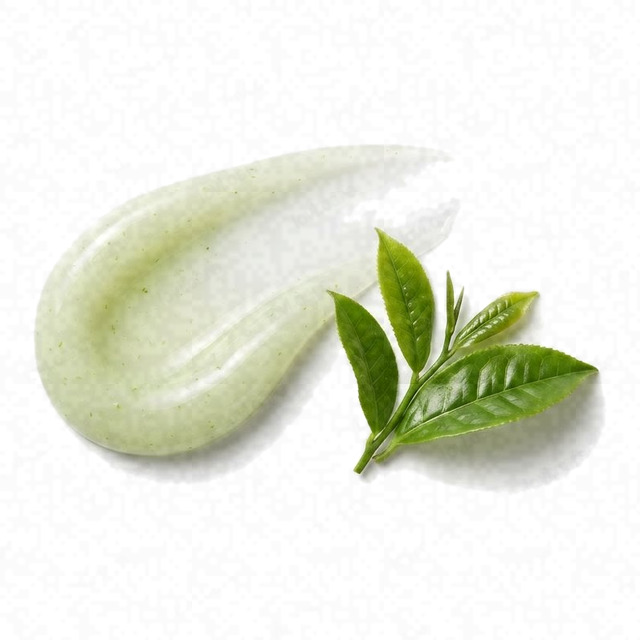 Camellia Sinensis Extract Ferment
 Glycerin
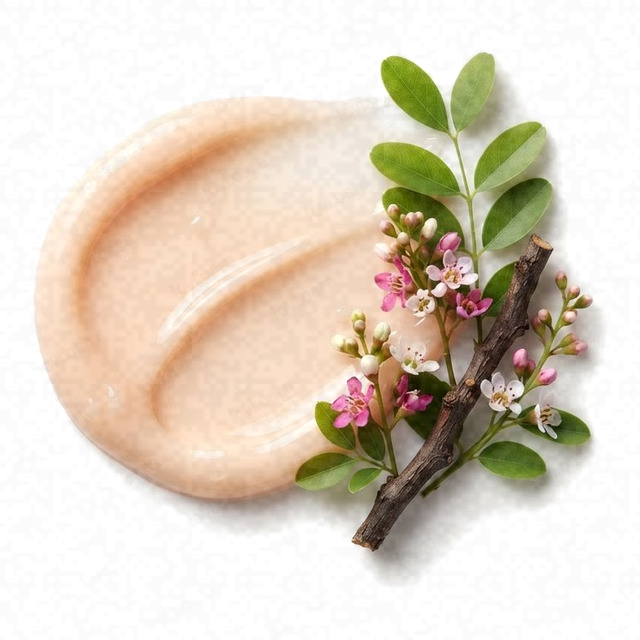 Rosewood Oil
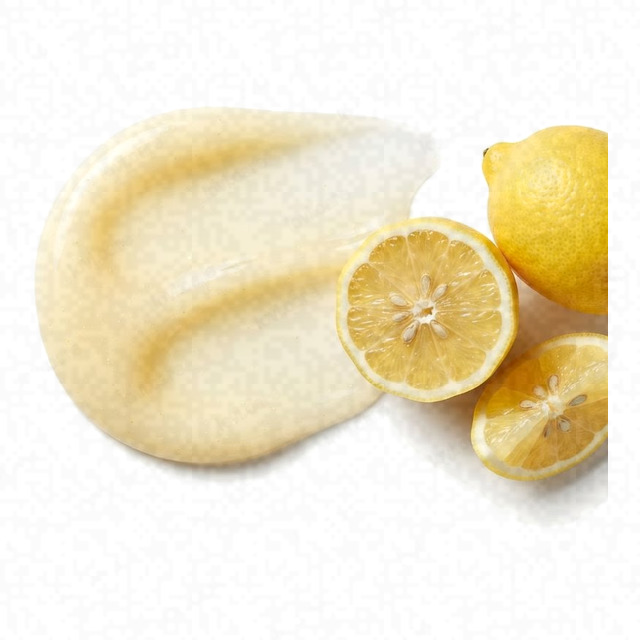 Lemon Seed Oil
 3-O-Ethyl Ascorbic Acid
High
- HighCombination Skin Fit
- HighEffectiveness
- HighSafety
A great choice for acne-prone skin; a few moisturizers fit it even better.
This fit is calculated for the concerns frequently associated with acne-prone skin: breakouts, blackheads, and post-acne marks. For scores and recommendations based on your full skin profile, including your 12D face scan results and any goals or preferences you have, please use the Lovi app.
Page built Nov 8, 2026How the Fit score works
Lovi Assistant explains
- Highly suitable for your combination skin, this product effectively moisturizes with glycerin and Camellia Sinensis Leaf Extract, which hydrate and provide antioxidant protection to balance your skin.
- The inclusion of 3-O-Ethyl Ascorbic Acid offers moderate benefits for your acne, blemishes, and breakouts by providing antioxidant and brightening effects.
- The safety profile is excellent, with no risks of irritation for your combination skin due to the absence of prohibited or harsh ingredients.
How to apply
- Use your moisturizer twice a day in your AM and PM routines. Apply it daily to help keep breakouts under control.
- Apply after your cleanser and toner, and make sure to use your SPF right after in the morning.
- Gently spread a small amount of moisturizer over your face using soft motions. Let it absorb into the skin for a minute before getting dressed or applying makeup.
- Apply on slightly damp skin to help lock in extra moisture. This keeps your combination skin balanced without feeling heavy.
- Avoid the eye area and do a patch test before your first use. Stop using if you feel any irritation.
People Say
★4.6Overall rating based on 800+ reviewsUsers with oily and combination skin frequently praise this gel-cream for its lightweight, fast-absorbing formula that provides a dewy glow without pore clogging. Those with dry or sensitive skin often find it not moisturizing enough, especially in winter, and some report irritation from the strong citrus fragrance.
Highlights
Lightweight & fast Mostly Mentioned
- “Absorbs quickly and doesn't leave any sticky residue”
- “The tiniest bit covers your whole face... feels like tofu”
- “Sinks into skin immediately... non-greasy consistency”
Ideal for oily/combo Often Mentioned
- “Perfect for oily, sensitive and prone to acne skin”
- “Doesn't make my face look like an oil factory”
- “Great for summer months or a more humid climate”
Strong fragrance Often Mentioned
- “Biggest drawback is the intense scent”
- “Smell of essential oils... a little too strong”
- “Heavily scented... might irritate sensitive skin”
Pleasant citrus scent Sometimes Noted
- “Smells fresh and green... like lemon”
- “Scent is delightful... light and airy”
- “Has a distinct citrusy green tea scent”
Refreshing & cooling Sometimes Noted
- “Feels incredibly refreshing and hydrating”
- “Calms my redness... skin stays fresh”
- “Leaves a plump and soothed look and feel”
Insufficient for dry Sometimes Noted
- “Not moisturizing enough for dry skin or winter”
- “My skin started to get dry after a week”
- “Felt tight... needed to layer another cream”
Sticky or tacky Sometimes Noted
- “Leaves a greasy shine... sticky residue”
- “Feels sticky even if a minimal amount is applied”
- “Never soaks in... just sits on top”
Unusual texture Rarely Noted
- “Thick paste, not cream... chunky”
- “Weird texture... like a cleansing balm”
- “Difficult to manipulate... falls off face”
Sources: lovi.care, ulta.com, iherb.com, sokoglam.com, reddit.com, influenster.com, and more
Questions and answers
What makes TONYMOLY Green Tea Watery Cream a great fit for acne-prone skin?
This cream is a great fit for your acne-prone skin because it uses glycerin and green tea extract to hydrate and calm, while 3-O-Ethyl Ascorbic Acid helps fade blemishes and dark spots. It is also very gentle and unlikely to cause irritation.
Clinical, Cosmetic and Investigational Dermatology, 2019Free Radical Biology & Medicine, 2025
Which ingredients make this cream a good fit for acne-prone skin?
This cream is a great fit for acne-prone skin because it includes green tea extract to help balance your skin and vitamin C to help with blemishes and breakouts. These ingredients work together to provide antioxidant protection and keep your skin feeling calm.
Clinical, Cosmetic and Investigational Dermatology, 2019Free Radical Biology & Medicine, 2025
What does Green Tea Extract do for acne-prone skin?
Green tea extract helps calm acne-prone skin and keeps breakouts under control by reducing oil and swelling. Applying it topically may significantly lower the number of pimples and make skin less oily over time.
Phytotherapy Research, 2021Archives of Dermatological Research, 2020
What does Glycerin do for acne-prone skin?
Glycerin helps keep acne-prone skin hydrated and calm without clogging pores or feeling heavy. It supports the skin barrier so it stays soft and smooth while handling everyday treatments.
The British Journal of Dermatology, 2008International Journal of Toxicology, 2019
Where does this cream go in a skincare routine for acne-prone skin?
This cream goes as the moisturizer step in both your morning and evening routines. It helps hydrate your skin and calm breakouts safely without causing irritation.
The Journal of Dermatological Treatment, 2022Clinical, Cosmetic and Investigational Dermatology, 2019
Can I use this cream with retinol, and in what order?
You can use this moisturizing treatment with retinol by applying the cream first to keep your skin soft and calm while helping your skin adjust to the retinol. This approach is unlikely to cause irritation and may reduce dryness while supporting your skin barrier.
How often should I use this cream?
You can use this moisturizing treatment daily to hydrate your skin and help balance breakouts. Regular daily application improves skin moisture and supports skin barrier function while keeping your skin calm.
Journal of Cosmetic Dermatology, 2020Health Science Reports, 2021
Can this cream clog pores, cause breakouts or purging for acne-prone skin?
This cream is unlikely to clog pores or cause breakouts for acne-prone skin because it avoids harsh ingredients and is very safe to use. It helps calm your skin and balance oil with green tea and vitamin C, while glycerin keeps your face hydrated without feeling heavy.
Clinical, Cosmetic and Investigational Dermatology, 2019Free Radical Biology & Medicine, 2025
Can I use this cream around the eyes or on my body?
This moisturizing treatment is well-suited for delicate areas like the thin skin around the eyes as well as the skin on the body. Its gentle formula hydrates smoothly while offering a safe profile with no harsh ingredients that might cause irritation.
Is this cream fragrance-free and alcohol-free?
Yes, it has no fragrance and no drying alcohol.
What the research says
Topical low-dose green tea extract reduces UVB-induced p53 expression and apoptosis in human skin keratinocytes compared to placebo.
Experimental Dermatology, 2009An anti-acne hydrogel containing Aloe barbadensis, Garcinia mangostana, and Camellia sinensis extracts showed superior antiacne and antiblotch activities compared to 1% clindamycin gel in sixty subjects with mild-moderate acne.
Clinical, Cosmetic and Investigational Dermatology, 2019A multi-component dissolving microneedle patch loaded with glabridin, 3-O-ethyl-L-ascorbic acid, and tranexamic acid effectively reduced chloasma and age spots while demonstrating safety in clinical evaluation, alongside significant antioxidant, anti-tyrosinase, and melanin-reduction effects in vitro and in vivo.
Polymers, 2023Concurrent treatment with 3-O-ethyl ascorbic acid and cannabigerol in UVB-irradiated human keratinocytes prevents membrane structure alterations, promotes cell survival, enhances antioxidant enzyme activity and GSH- and Trx-dependent systems, reduces lipid and protein oxidative modifications, and exerts anti-inflammatory effects.
Free Radical Biology & Medicine, 2025Topical green tea extract significantly improved clinical symptoms, tear breakup times, and meibomian gland health compared to standard treatment in patients with dry eye and Meibomian Gland Dysfunction.
Journal of Clinical and Diagnostic Research, 2017Topical application of green tea extract encapsulated chitosan microparticles improved skin elasticity, melanin index, and facial wrinkles compared to a placebo in female volunteers without causing skin irritation.
Journal of Cosmetic Dermatology, 2022A moisturizing cream containing 2% l-carnitine and 5% EGCG significantly reduced sebum levels and improved skin hydration in ninety subjects with seborrhea over 4 weeks, showing greater anti-sebum efficacy in the combination group compared to the l-carnitine group alone.
Journal of Cosmetic Dermatology, 2023A single application of a moisturizing fluid containing hyaluronic acid 1%, glycerin 5%, and Centella asiatica stem cells extract significantly increased skin hydration by 29% and reduced transepidermal water loss at 24 hours compared to baseline and an untreated control site in twenty healthy women.
Clinical, Cosmetic and Investigational Dermatology, 2017The emollient V0034CR significantly reduced TEWL compared to vehicle and vehicle plus glycerol, and significantly increased corneometry scores compared to vehicle and vehicle plus petrolatum in healthy volunteers with dry skin, demonstrating combined barrier function improvement from petrolatum and hydration improvement from glycerol.
Journal of Cosmetic Dermatology, 2020Ten days of treatment with a cream containing 20% glycerin significantly increased skin hydration measured by corneometer values in 17 healthy volunteers compared to a placebo cream, but showed no influence on transepidermal water loss or skin sensitivity to an irritating surfactant.
International Journal of Cosmetic Science, 2001Linalool treatment at 30 μM prevented UVB-induced oxidative stress, oxidative DNA damage, and the activation of MAPK and NF-κB signaling pathways in human dermal fibroblast cells compared to UVB exposure alone.
PloS One, 2017Cinnamomi cortex extract and its components epicatechin and linalool enhanced circadian amplitude, reduced oxidative stress, and upregulated skin barrier-related and ceramide synthesis genes in HaCaT keratinocytes compared to untreated controls.
Scientific Reports, 2025Topical application of a natural antioxidant compound from lemon oil called Lem1 significantly increases the antioxidative potential of the skin biosurface and inhibits free radical-mediated reactions in healthy volunteers compared to baseline.
Drugs Under Experimental and Clinical Research, 1999An oil-in-water nanoemulsion of lemon and fish by-product oils produced via ultrasonication exhibited comparable antioxidant and anti-inflammatory activities to standard references, broad-spectrum antibacterial efficacy, and non-toxicity to normal skin cells at high concentrations.
Molecules, 2022Topical application of 5% vitamin C cream significantly improved global clinical scores, increased skin microrelief density, and induced elastic tissue repair in photoaged skin compared to excipient control in healthy female volunteers.
Experimental Dermatology, 2003Ascorbic acid 2-glucoside gel significantly reduced gingival melanin pigmentation after 4 weeks compared to placebo in 73 subjects with symmetric pigmentation.
Journal of Periodontology, 2009Topical application of VC-IP cream twice daily for 8 weeks reduces periorbital wrinkles in female subjects compared to a placebo cream.
Journal of Cosmetic Dermatology, 2022
Ingredients
Camellia Sinensis Leaf Extract, Cyclomethicone, Propanediol, Glycerin, Glycereth-26, Pentaerythrityl Tetraethylhexanoate, Butylene Glycol Dicaprylate Dicaprate, Sorbitan Olivate, Cetearyl Olivate, 1,2-Hexanediol, Polyacrylate Crosspolymer-6, Polysilicone-11, Phytosteryl Octyldodecyl Lauroyl Glutamate, Ammonium Acryloyldimethyltaurate Vp Copolymer, Rosewood Oil Wood, Lemon Seed Oil, Disodium Edta, 3-O-Ethyl Ascorbic Acid
Behind this fit score
Lovi calculates every fit score from the full ingredient list with brand-independent rules our dermatologists and cosmetic chemists build and review, and personalizes every pick with AI trained on the real results of millions of users. Lovi trains its fit score models on a proprietary dataset built from more than 10,000 expert-labeled products and more than 100,000 simulated examples, following an internally consistent methodology presented at Cosmoprof, AMWC, and Skin of Color Update.
-

Co-founder, Medical Director
Cosmetic chemist, cosmetologist, aesthetic products developer
-

Co-founder, CEO and CTO
PhD in computer science, 3x US patent holder, ex-Google, ex-Yandex
-

Dr. Sofía Perea Pérez, MD, MSc
Medical Board
Aesthetic medicine practitioner, MSc in Longevity and Anti-Aging Medicine
-

Medical Board
Specialist dermatologist, MBBS, MD, IFAAD
-

Medical Board
Cosmetic chemist, SCS, IFSCC member
-

Medical Board, Medical Advisor
Dermatology MD
-

Elina Nazarenko, MD
Medical Board
Dermatology and diagnostic consultant
-

Victoria Derkova, MS
Medical Board
Cosmetic chemist, cosmetic development technologist


How does it fit your skin?
Scan your face, then any product: Lovi shows how well it fits you and what fits even better.