thinkbaby Safe Sunscreen SPF 50+ for oily acne-prone skin

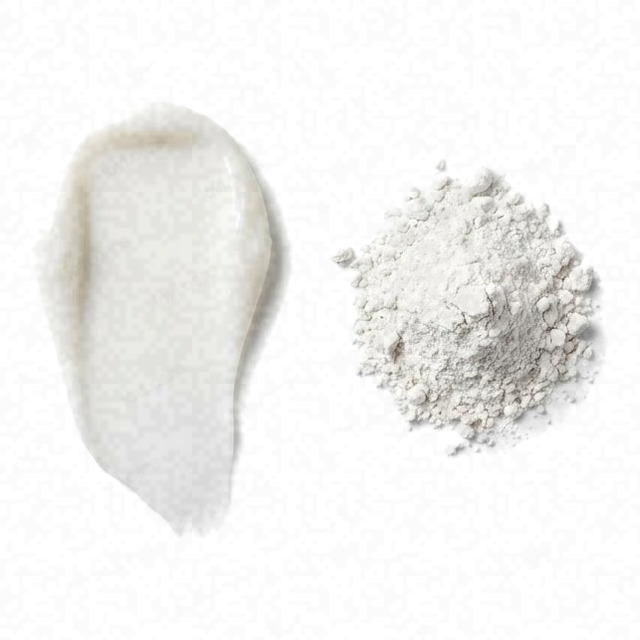 Zinc Oxide
 Sodium Hyaluronate
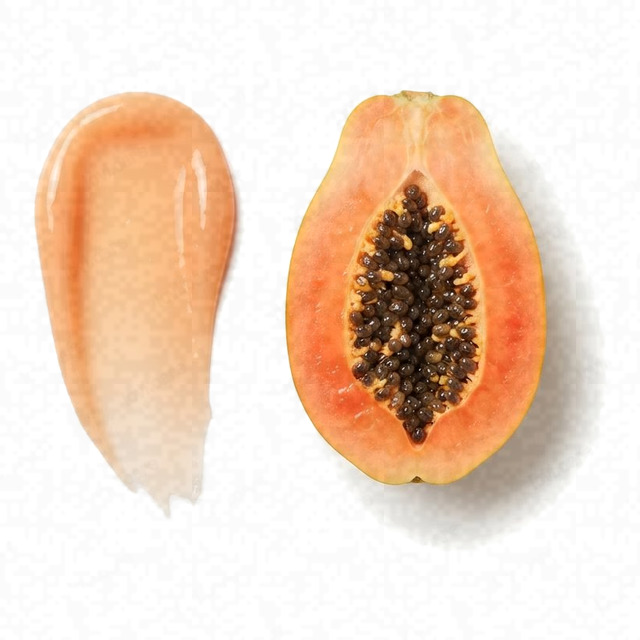 Carica Papaya Fruit Extract
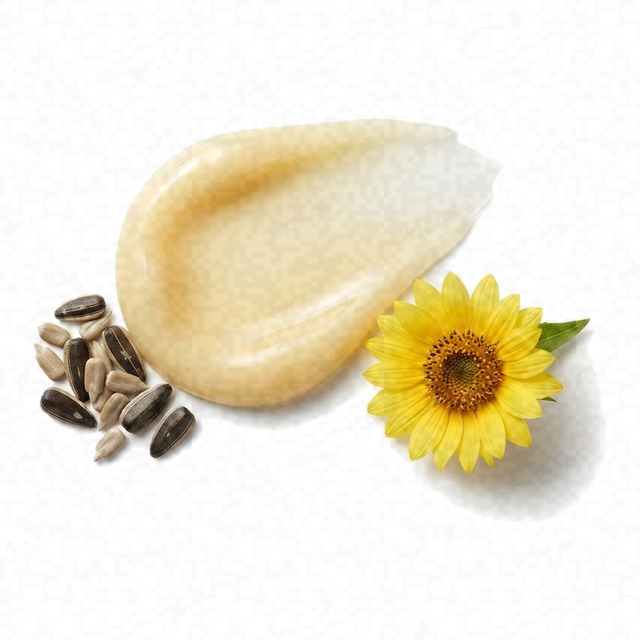 Helianthus Annuus Oil Sunflower Oil
High
- HighOily Skin Fit
- HighEffectiveness
- ExcellentSafety
One of the best sunscreens for oily acne-prone skin.
This fit is calculated for the concerns frequently associated with oily acne-prone skin: shine, breakouts, blemishes, and enlarged pores. For scores and recommendations based on your full skin profile, including your 12D face scan results and any goals or preferences you have, please use the Lovi app.
Page built Nov 8, 2026How the Fit score works
Lovi Assistant explains
- Highly suitable for your oily skin, this product leverages zinc oxide for its astringent and sebum-regulating properties, complemented by glycerin for effective hydration without occlusion.
- Carica papaya fruit extract and Helianthus annuus oil sunflower oil offer mild exfoliation and nourishment, respectively, addressing your concerns about acne and blemishes.
- The formulation is safe for your skin, with no risks of irritation due to the absence of harsh ingredients and the inclusion of soothing components.
How to apply
- Apply this sunscreen AM as the final step of your morning skincare routine. Reapply every two hours when exposed to the sun for continuous protection.
- Apply after your moisturizer as the last step before makeup. Do not apply anything on top of your sunscreen.
- Gently spread a coin-sized amount evenly across your face and neck. Avoid harsh rubbing to prevent disturbing the protective layer.
- Apply on completely dry skin after your moisturizer has fully absorbed. This ensures the sunscreen forms an even, protective barrier.
- Avoid direct contact with your eyes during application. Do a patch test before first use to ensure no irritation occurs.
People Say
★4.6Overall rating based on 7.5k+ reviewsUsers frequently mention a noticeable white cast and difficulty rubbing it in. Some recent reviews indicate issues with product separation and a change in scent.
Highlights
Safe ingredients Mostly Mentioned
- “EWG top rated”
- “non-nano zinc”
- “no harmful chemicals”
- “peace of mind”
Effective protection Often Mentioned
- “no sunburns ever”
- “protects pale redhead”
- “great for beach”
- “lasts in water”
Gentle on skin Often Mentioned
- “doesn't sting eyes”
- “good for babies”
- “no rashes”
Leaves white cast Often Mentioned
- “looks like a ghost”
- “hard to rub in”
- “purple hue on dark skin”
- “visible residue”
Pleasant scent Sometimes Noted
- “smells like papaya”
- “yummy citrus scent”
- “not chemical smelling”
- “light fragrance”
Separation issues Sometimes Noted
- “oily and curdled”
- “watery mess”
- “separated in tube”
- “needs shaking”
Thick texture Sometimes Noted
- “very thick paste”
- “feels sticky”
- “heavy on skin”
- “hard to wash off”
Formula change Rarely Noted
- “smells rancid now”
- “caused allergic reaction”
- “new formula burns”
- “quality went down”
Sources: lovi.care, iherb.com, target.com, walmart.com, shespeaks.com, kitchenstewardship.com, and more
Questions and answers
What makes Thinkbaby Safe Sunscreen SPF 50+ a great fit for oily acne-prone skin?
This sunscreen is a great fit because it uses zinc oxide to help control oil while keeping your skin calm, alongside glycerin to provide hydration without clogging your pores. It also includes papaya fruit extract and sunflower oil to gently smooth and nourish your skin, helping to keep breakouts under control safely.
Clinical, Cosmetic and Investigational Dermatology, 2017Journal of Controlled Release, 2025
Which ingredients make this sunscreen a good fit for oily acne-prone skin?
This sunscreen is a great fit for your oily acne-prone skin thanks to zinc oxide, which helps control oil and blemishes, along with glycerin for lightweight hydration. Papaya fruit extract and sunflower oil also provide gentle nourishment and mild exfoliation that are unlikely to cause irritation.
Clinical, Cosmetic and Investigational Dermatology, 2017Journal of Controlled Release, 2025
What does Zinc Oxide do for oily acne-prone skin?
Zinc oxide helps calm oily, acne-prone skin by reducing redness and targeting blemish-causing bacteria. It is unlikely to cause irritation and may help decrease excess oil while supporting clearer skin.
What does Water do for oily acne-prone skin?
Water helps keep oily, acne-prone skin hydrated without making it greasy. Keeping skin hydrated is important because acne treatments can dry it out and irritate the skin barrier.
Where does this sunscreen go in a skincare routine for oily acne-prone skin?
This sunscreen goes as the last step of your morning skincare routine, right after your moisturizer. It is well-suited for your skin by using zinc oxide to control oil and glycerin to hydrate without clogging pores.
Can I use this sunscreen with retinol, and in what order?
You can use this sunscreen in the morning as the last step after your moisturizer and before makeup. It is safe for oily acne-prone skin and helps protect your skin while you use a retinol treatment at night.
How often should I use this sunscreen?
You can use this sunscreen every morning as the final step of your daytime routine. Zinc oxide and glycerin help protect and hydrate your oily, acne-prone skin safely without clogging your pores.
Can this sunscreen clog pores, cause breakouts or purging for oily acne-prone skin?
This sunscreen is a great fit for oily acne-prone skin and is unlikely to clog pores or cause breakouts, as it uses zinc oxide to help control oil and glycerin for lightweight hydration. It also includes papaya fruit extract for mild exfoliation to help keep blemishes at bay, though some reviewers do mention a thick texture.
Clinical, Cosmetic and Investigational Dermatology, 2017Journal of Controlled Release, 2025
Is this sunscreen fragrance-free and alcohol-free?
Yes, it has no fragrance and no drying alcohol.
What the research says
A single application of a moisturizing fluid containing hyaluronic acid 1%, glycerin 5%, and Centella asiatica stem cells extract significantly increased skin hydration by 29% and reduced transepidermal water loss at 24 hours compared to baseline and an untreated control site in twenty healthy women.
Clinical, Cosmetic and Investigational Dermatology, 2017Biomimetic hyaluronic acid-stabilized zinc oxide nanoparticles selectively inhibited C. acnes, outperformed erythromycin in preclinical acne models, and safely reduced acne lesions and redness in a clinical trial.
Journal of Controlled Release, 2025Topical 0.5% hyaluronic-ZnO nanogel applied twice daily reduced inflammatory-lesion counts by 58% at week four in human subjects compared to baseline without causing erythema.
Biomedicines, 2025A fixed combination of hydroxypinacolone retinoate, retinol glycospheres, and papain glycospheres in aqueous gel applied once daily for 12 weeks achieved a 41% mean reduction in GAGS score and a 40.8% mean reduction in total lesions, with 15.3% of patients experiencing mild to moderate local side effects, in 94 evaluable patients with comedonal-papular, mild to moderate acne of the face.
Giornale Italiano Di Dermatologia E Venereologia, 2015Incorporating 1, 2, and 5 percent papain into starch- and carboxymethyl cellulose-based films preserved proteolytic and skin exfoliation activity while improving mechanical properties and water solubility compared to control films, with immobilized enzyme maintaining stability for up to 90 days.
International Journal of Biological Macromolecules, 2023Nels cream achieved a similar reduction in inflammatory and noninflammatory lesion counts compared to 5% benzoyl peroxide in acne vulgaris patients, but caused significantly fewer side-effects such as peeling and dryness.
Clinical and Experimental Dermatology, 2000Topically applied coated and uncoated zinc oxide nanoparticles under flexing and massage are retained in the stratum corneum with no significant penetration into the viable epidermis and no cellular toxicity in human skin.
Nanomedicine, 2016Topical application of 0.1% hyaluronic acid formulations of different molecular weights led to significant improvements in skin hydration and elasticity, with low-molecular-weight formulations also significantly reducing wrinkle depth in seventy-six female subjects compared to a vehicle control.
Journal of Drugs in Dermatology, 2011Topical application of hyaluronic acid in conjunction with free gingival graft significantly reduced donor site postoperative pain until day 7 compared to normal saline, with no significant differences in graft dimensions or patient satisfaction.
Clinical Oral Investigations, 2022Treatment with a hyaluronic acid-containing mouth rinse or topical gel led to significant lesion reduction, pain relief, and normalization of lesion color in adult patients with minor recurrent aphthous stomatitis, with the gel formulation showing an earlier healing onset at 3 days.
BMC Oral Health, 2019Topical papain treatment may slightly decrease pain within 30 minutes in humans stung by Chrysaora chinensis compared to placebo.
Wilderness & Environmental Medicine, 2016Reflux extraction of Carica papaya leaves yielded higher antioxidant capacity and superior in vitro wound-healing activities including fibroblast proliferation, cell migration, and collagen synthesis in human skin fibroblasts compared to ultrasonic-assisted extraction and agitation.
Molecules, 2020Carica papaya leaf extracts obtained via supercritical fluid and conventional methods demonstrated antioxidant and cytoprotective effects on skin fibroblasts against oxidative stress, driven by their respective lipophilic and hydrophilic constituents.
Molecules, 2021
Ingredients
Zinc Oxide, Water, Caprylic Capric Triglyceride, Polyglyceryl-4 Isostearate, Cetyl Dimethicone, Hexyl Laurate, Glycerin, Hydrogenated Methyl Abietate, Magnesium Sulfate, Caprylhydroxamic Acid, Glyceryl Caprylate, Hydrogenated Castor Oil, Sorbitan Sesquioleate, Carica Papaya Fruit Extract, Helianthus Annuus Oil Sunflower Oil, Jojoba Seed Oil, Tocopherol, Olea Europaea Oil Fruit Olive Oil Fruit, Sodium Hyaluronate
Behind this fit score
Lovi calculates every fit score from the full ingredient list with brand-independent rules our dermatologists and cosmetic chemists build and review, and personalizes every pick with AI trained on the real results of millions of users. Lovi trains its fit score models on a proprietary dataset built from more than 10,000 expert-labeled products and more than 100,000 simulated examples, following an internally consistent methodology presented at Cosmoprof, AMWC, and Skin of Color Update.
-

Co-founder, Medical Director
Cosmetic chemist, cosmetologist, aesthetic products developer
-

Co-founder, CEO and CTO
PhD in computer science, 3x US patent holder, ex-Google, ex-Yandex
-

Dr. Sofía Perea Pérez, MD, MSc
Medical Board
Aesthetic medicine practitioner, MSc in Longevity and Anti-Aging Medicine
-

Medical Board
Specialist dermatologist, MBBS, MD, IFAAD
-

Medical Board
Cosmetic chemist, SCS, IFSCC member
-

Medical Board, Medical Advisor
Dermatology MD
-

Elina Nazarenko, MD
Medical Board
Dermatology and diagnostic consultant
-

Victoria Derkova, MS
Medical Board
Cosmetic chemist, cosmetic development technologist


How does it fit your skin?
Scan your face, then any product: Lovi shows how well it fits you and what fits even better.