Tatcha The Silk Cream for oily acne-prone skin

 Glycerin
 Squalane
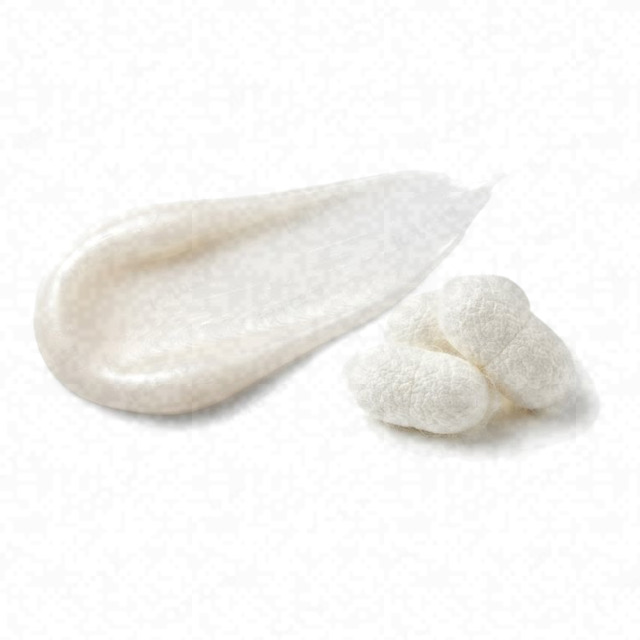 Hydrolyzed Silk
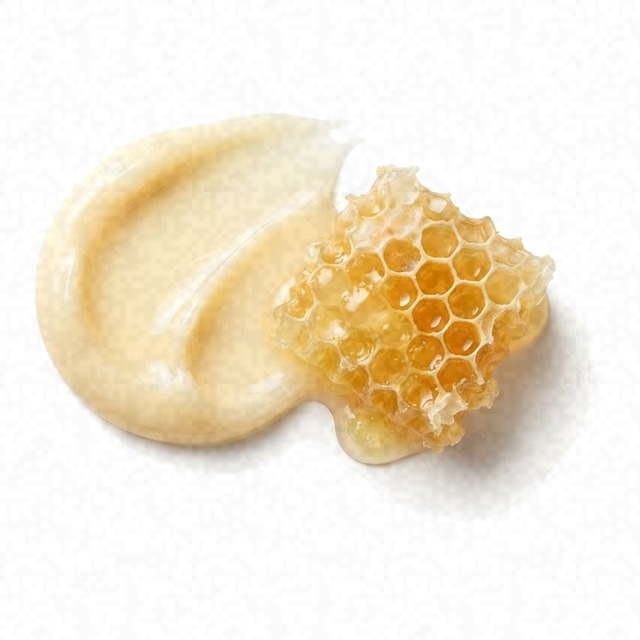 Royal Jelly Extract
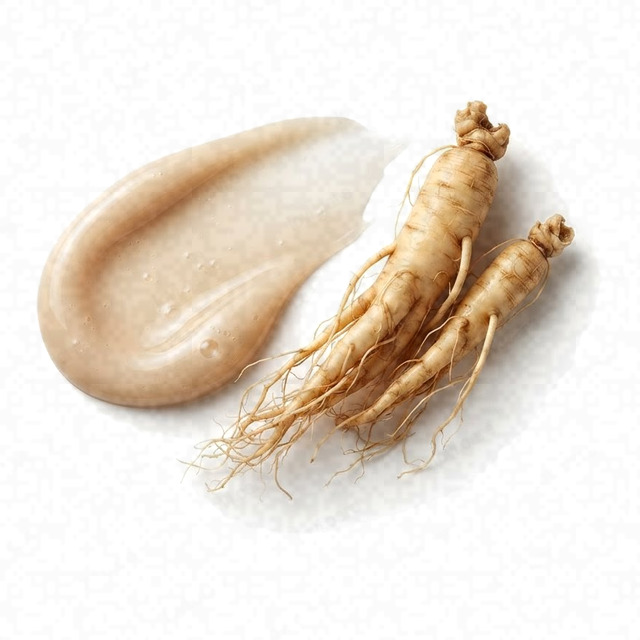 Panax Ginseng Root Extract
Average
- HighOily Skin Fit
- AverageEffectiveness
- HighSafety
Works for oily acne-prone skin; other moisturizers fit it better.
This fit is calculated for the concerns frequently associated with oily acne-prone skin: shine, breakouts, blemishes, and enlarged pores. For scores and recommendations based on your full skin profile, including your 12D face scan results and any goals or preferences you have, please use the Lovi app.
Page built Nov 8, 2026How the Fit score works
Lovi Assistant explains
- Offers moderate hydration for your oily skin due to glycerin and squalane, which support barrier resilience, but lacks targeted ingredients for your acne and breakouts.
- Saccharomyces Camellia Sinensis and Sericin provide humectant action and barrier repair, which are beneficial for oily skin but do not directly address blemishes.
- The product is safe for your oily skin, with no risks of irritation from harsh or prohibited ingredients.
How to apply
- Use this AM and PM routine every day to help clear your skin. Always remember to finish with SPF in the morning.
- Apply the moisturizer after your cleanser and toner, right before your SPF during the day.
- Gently press a small amount into your skin and avoid rubbing to keep pores clear.
- Apply on clean, slightly damp skin to help the product absorb better and control oil.
- Avoid the sensitive eye area and do a simple patch test before your first use.
People Say
★4.5Overall rating based on 1.4k+ reviewsBased on a very large amount of data, users consistently praise this gel-cream moisturizer for its ability to provide deep hydration while remaining virtually weightless on the skin, making it a favorite for combination and dry skin types. Many report visibly smoother, firmer skin and a silky finish perfect for makeup application, though a significant number of reviewers debate whether the high price tag is justified compared to similar high-end alternatives.
Highlights
Weightless texture Mostly Mentioned
- “feels like a splash of water”
- “absorbs seamlessly”
- “rich yet feather-light”
- “non-greasy finish”
High price point Mostly Mentioned
- “way too expensive”
- “not worth the money”
- “overpriced for a moisturizer”
- “luxury splurge only”
Makeup compatibility Often Mentioned
- “sits perfectly under makeup”
- “no pilling”
- “foundation glides on”
- “acts like a primer”
Silky finish Often Mentioned
- “skin feels like silk”
- “satin finish”
- “smooths texture immediately”
- “soft to the touch”
Deep hydration Sometimes Noted
- “quenches thirsty skin”
- “plump and hydrated”
- “great for dry patches”
- “lasting moisture”
Insufficient for winter Sometimes Noted
- “not enough for winter”
- “need something heavier at night”
- “skin felt tight later”
- “better for summer”
Fragrance/irritation Rarely Noted
- “scent was too strong”
- “tingled/burned slightly”
- “redness after application”
Potential breakouts Rarely Noted
- “caused small bumps”
- “broke me out”
- “triggered acne”
- “clogged my pores”
Sources: lovi.care, kohls.com, walmart.com, spacenk.com, sephora.sg, byrdie.com, and more
Questions and answers
How well does Tatcha The Silk Cream work for oily acne-prone skin?
Tatcha The Silk Cream works okay for oily acne-prone skin, providing moderate hydration without irritation, but it lacks ingredients to target breakouts. To work best for this skin type, a moisturizing treatment needs ingredients that clear acne and blemishes while keeping oil in check.
Which ingredients make this cream a good fit for oily acne-prone skin?
Glycerin and squalane make this cream a moderate fit for your oily skin by providing essential hydration and supporting your skin barrier, though a product of this type needs targeted blemish-fighting ingredients and lightweight, oil-free hydrators to properly manage oily acne-prone skin.
What does Glycerin do for oily acne-prone skin?
Glycerin helps keep oily acne-prone skin hydrated without feeling heavy. It draws moisture into the skin while supporting the skin barrier so it stays soft and balanced.
The British Journal of Dermatology, 2008Clinical, Cosmetic and Investigational Dermatology, 2017
What does Squalane do for oily acne-prone skin?
Squalane may help keep oily skin soft and smooth, but oxidized squalene can trigger inflammation in acne-prone skin. Because of this, oily acne-prone skin needs lightweight, non-greasy ingredients that balance moisture without clogging pores.
Where does this cream go in a skincare routine for oily acne-prone skin?
This cream goes as the moisturizer step in your morning routine and your evening routine. While it offers moderate hydration with glycerin and squalane, an oily acne-prone skin type needs targeted blemish-fighting ingredients and oil-balancing agents to fully address breakouts.
Can I use this cream with retinol, and in what order?
You can use this cream alongside retinol, applying it after your retinol treatment to help keep your skin soft and reduce potential dryness. This type of routine helps maintain skin comfort, though oily acne-prone skin also needs targeted ingredients that actively treat breakouts.
How often should I use this cream?
You can use this moisturizing treatment twice daily as part of your morning and evening routine. Daily application helps keep your oily skin hydrated and supports its natural barrier without causing irritation. Oily acne-prone skin of this type needs lightweight hydration paired with targeted blemish-fighting ingredients to properly manage breakouts.
Journal of Cosmetic Dermatology, 2020Health Science Reports, 2021
Can this cream clog pores, cause breakouts or purging for oily acne-prone skin?
This cream is unlikely to cause irritation or breakouts on oily skin, though a low potential for breakouts has been reported by reviewers. Because it lacks targeted ingredients for blemishes, an oily acne-prone skin needs a moisturizer with salicylic acid or niacinamide to help clear pores.
Can I use this cream around the eyes or on my body?
This moisturizing treatment is safe to use around the eyes and on the body, though it is formulated mainly for facial care. Its gentle ingredients provide safe hydration, but oily skin types needing eye or body care may benefit from lighter fluids or targeted treatments.
Is this cream fragrance-free and alcohol-free?
It contains fragrance (parfum) and drying alcohol (alcohol).
What the research says
A single application of a moisturizing fluid containing hyaluronic acid 1%, glycerin 5%, and Centella asiatica stem cells extract significantly increased skin hydration by 29% and reduced transepidermal water loss at 24 hours compared to baseline and an untreated control site in twenty healthy women.
Clinical, Cosmetic and Investigational Dermatology, 2017A bacterial nanocellulose wound dressing incorporating polyhexamethylene biguanide and sericin showed no skin irritation in healthy volunteers and significantly promoted wound healing with lower wound size and higher collagen formation in full-thickness rat wounds compared to controls.
Archives of Dermatological Research, 2016The emollient V0034CR significantly reduced TEWL compared to vehicle and vehicle plus glycerol, and significantly increased corneometry scores compared to vehicle and vehicle plus petrolatum in healthy volunteers with dry skin, demonstrating combined barrier function improvement from petrolatum and hydration improvement from glycerol.
Journal of Cosmetic Dermatology, 2020Ten days of treatment with a cream containing 20% glycerin significantly increased skin hydration measured by corneometer values in 17 healthy volunteers compared to a placebo cream, but showed no influence on transepidermal water loss or skin sensitivity to an irritating surfactant.
International Journal of Cosmetic Science, 2001Niacinamide/glycerin body moisturizers provided better rapid and prolonged improvement of cosmetic xerosis through functional improvement of stratum corneum barrier function compared to no treatment and conventional moisturizers in female subjects.
Journal of Drugs in Dermatology, 2012Squalane at 0.005-0.015% counteracts UVA-induced oxidative stress, inflammation, and collagen metabolism inhibition while stimulating fibroblast migration in human dermal fibroblasts.
Molecules, 2025Plant-derived squalane protected human dermal fibroblasts against UVA-induced damage by counteracting ROS formation, suppressing apoptosis-related proteins p53, caspase-3, caspase-9, and PARP, and restoring the pro-survival p-Akt/mTOR pathway.
Antioxidants, 2025Bacterial cellulose wound dressing containing silk sericin and PHMB improved wound quality and reduced pain compared to Bactigras in patients with split-thickness skin graft donor-site wounds.
Archives of Dermatological Research, 2018Topical application of sericin gels increased skin intrinsic moisturization, hydroxyproline content, and epidermal hydration while decreasing transepidermal water loss and skin impedance in healthy human volunteers.
Journal of Cosmetic Dermatology, 2005Silk sericin-based dressings demonstrate beneficial effects in skin wound healing, including antibacterial, antioxidant, anti-inflammatory, and angiogenic properties, alongside biocompatibility and biodegradability.
Macromolecular Bioscience, 2024Applying an essence containing royal jelly extract significantly increased the stratum corneum water content of the cheeks compared to placebo in healthy Japanese adults over 4 weeks.
Journal of Cosmetic Dermatology, 2022A prototype body cream containing bee venom, propolis, honey, beeswax, and royal jelly demonstrated stability for 90 days, high antioxidant capacity of 85.45%, lack of cytotoxicity with over 70% cell viability, and no irritation or allergic reaction in dermatological analysis, while improving skin parameters in a panel test.
Journal of Cosmetic Dermatology, 2022Royal jelly protects against epidermal stress caused by UVB and menadione through the upregulation of NQO1 expression by its active compound 10-hydroxy-2-decenoic acid.
International Journal of Molecular Sciences, 2021Enzyme-modified ginseng extract cream significantly reduced the global photo-damage score and various roughness measures including total roughness, smoothness depth, and arithmetic roughness average compared to placebo in 23 human subjects.
Rejuvenation Research, 2015A red ginseng hydrogel formulation with 1,2-hexanediol promoted selective growth of Staphylococcus epidermidis and decreased Cutibacterium acnes in 20 female subjects.
Journal of Ginseng Research, 2022A 1% fermented black ginseng cream significantly reduced eye wrinkles and brightened skin color in twenty-three human subjects compared to control cream and baseline.
Journal of Toxicology and Environmental Health. Part A, 2020
Why other moisturizers fit oily acne-prone skin better
Co-delivery of paeonol and madecassoside via nanoemulsions improved transdermal delivery, promoted barrier repair proteins, inhibited inflammatory cytokine secretion in cellular and 3D models, and reduced transepidermal water loss and acne in human facial skin compared to free components.
Molecules, 2023A panthenol-enriched mask improved skin hydration, regulated sebum, and reduced redness and TEWL across dry sensitive, oily sensitive, and oily acne skin subgroups with excellent tolerance and no adverse reactions.
Journal of Cosmetic Dermatology, 2024A facial serum containing snail secretion filtrate, Calendula officinalis, and Glycyrrhiza glabra root extract significantly reduced inflammatory acne lesions compared to placebo in 66 participants with mild-to-moderate maskne over 12 weeks.
Journal of Cosmetic Dermatology, 2022
Ingredients
Water, Saccharomyces Camellia Sinensis Cladosiphon Okamuranus Rice Leaf Ferment Filtrate, Glycerin, Propanediol, Cyclopentasiloxane, Squalane, Isononyl Isononanoate, Inositol, Sericin, Hydrolyzed Silk, Hydrolyzed Conchiolin Protein, Rubus Ellipiticus Root Extract, Rice Germ Oil, Panax Ginseng Root Extract, Royal Jelly Extract, Thymus Serpyllum Extract, Caprylic Capric Triglyceride, Sorbitan Stearate, Behenyl Alcohol, Stearic Acid, Hydrogenated Lecithin, Polyglyceryl-2 Triisostearate, Batyl Alcohol, Ethylhexylglycerin, Arginine, Bis-Behenyl Isostearyl Phytosteryl Dimer Dilinoleyl Dimer Dilinoleate, Carbomer, Xanthan Gum, Biosaccharide Gum-1, Sodium Hyaluronate, Parfum, Butylene Glycol, Alcohol, Phenoxyethanol
Behind this fit score
Lovi calculates every fit score from the full ingredient list with brand-independent rules our dermatologists and cosmetic chemists build and review, and personalizes every pick with AI trained on the real results of millions of users. Lovi trains its fit score models on a proprietary dataset built from more than 10,000 expert-labeled products and more than 100,000 simulated examples, following an internally consistent methodology presented at Cosmoprof, AMWC, and Skin of Color Update.
-

Co-founder, Medical Director
Cosmetic chemist, cosmetologist, aesthetic products developer
-

Co-founder, CEO and CTO
PhD in computer science, 3x US patent holder, ex-Google, ex-Yandex
-

Dr. Sofía Perea Pérez, MD, MSc
Medical Board
Aesthetic medicine practitioner, MSc in Longevity and Anti-Aging Medicine
-

Medical Board
Specialist dermatologist, MBBS, MD, IFAAD
-

Medical Board
Cosmetic chemist, SCS, IFSCC member
-

Medical Board, Medical Advisor
Dermatology MD
-

Elina Nazarenko, MD
Medical Board
Dermatology and diagnostic consultant
-

Victoria Derkova, MS
Medical Board
Cosmetic chemist, cosmetic development technologist


How does it fit your skin?
Scan your face, then any product: Lovi shows how well it fits you and what fits even better.