Supergoop! Bright-Eyed 100% Mineral Eye Cream SPF 40 for oily acne-prone skin

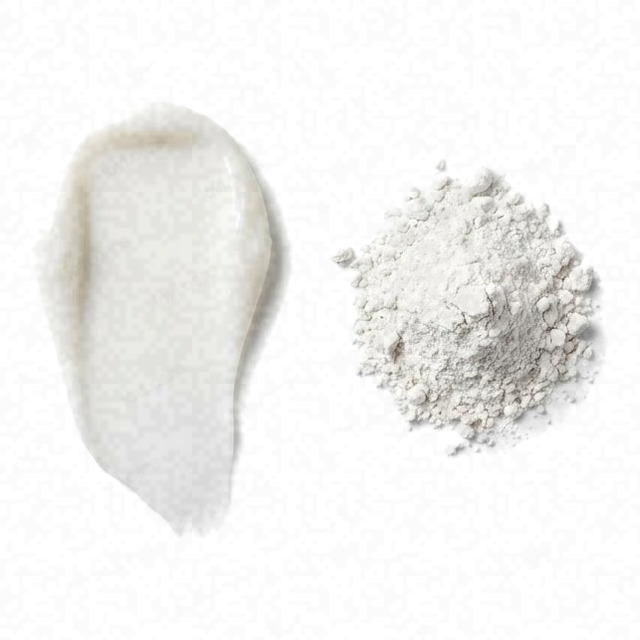 Zinc Oxide
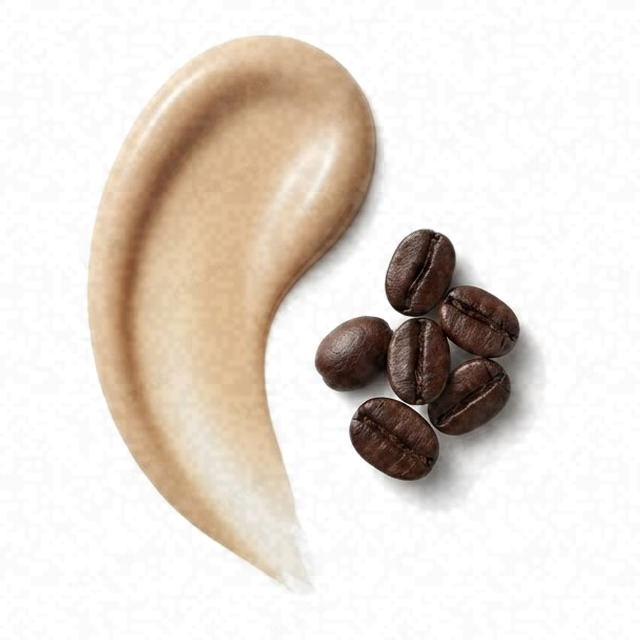 Caffeine
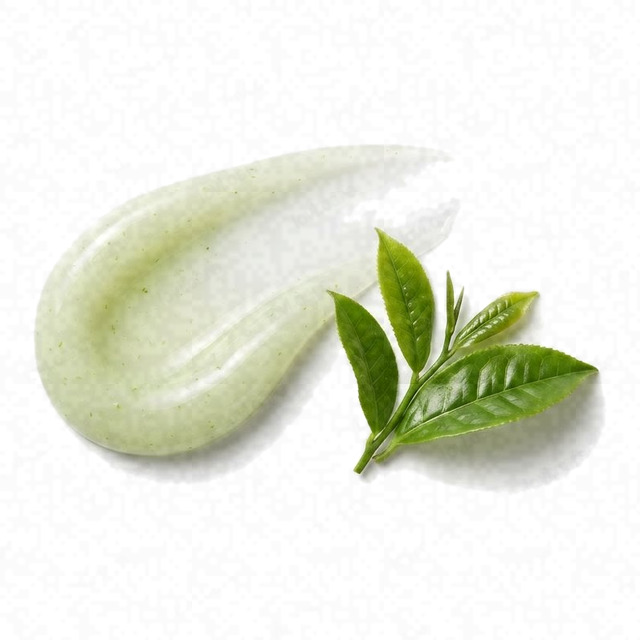 Camellia Sinensis Leaf Extract
 Glycerin
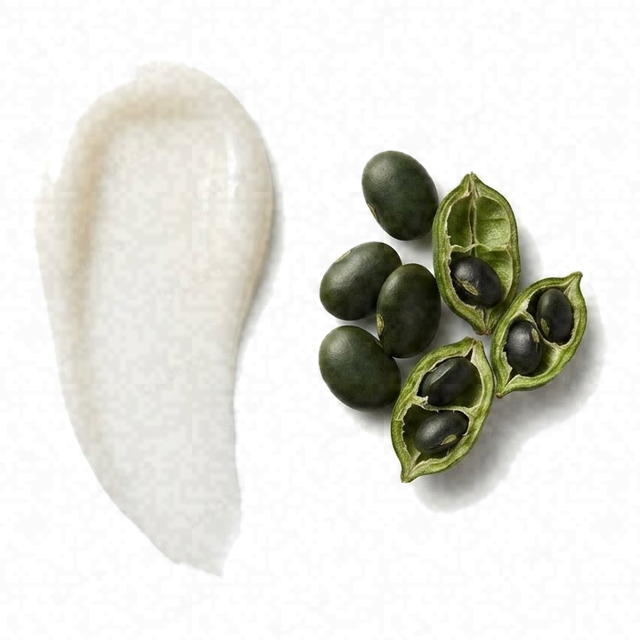 Griffonia Simplicifolia Seed Extract
Average
- AverageOily Skin Fit
- AverageEffectiveness
- HighSafety
Works for oily acne-prone skin; other eye cares fit it better.
- Clinical, Cosmetic and Investigational Dermatology, 2017
- International Journal of Cosmetic Science, 2000
This fit is calculated for the concerns frequently associated with oily acne-prone skin: shine, breakouts, blemishes, and enlarged pores. For scores and recommendations based on your full skin profile, including your 12D face scan results and any goals or preferences you have, please use the Lovi app.
Page built Nov 8, 2026How the Fit score works
Lovi Assistant explains
- Offers moderate suitability for oily skin due to the humectant action of Glycerin and Propanediol, but lacks specialized ingredients like salicylic acid or niacinamide to effectively target your acne, blemishes, and breakouts.
- The presence of zinc oxide and titanium dioxide provides moderate UV protection, which is a general skincare benefit that supports overall skin health.
- The product is safe for your oily skin, with no risks of irritation due to the absence of prohibited or harsh ingredients.
People Say
★4.1Overall rating based on 3.8k+ reviewsBased on a very large amount of data, users with sensitive eyes and dark circles frequently praise this cream for its non-irritating mineral formula and instant color-correcting illumination. Users with drier skin types often report that the texture can be difficult to work with, leading to pilling or flaking under makeup.
Highlights
Brightening effect Mostly Mentioned
- “instantly illuminates dark circles”
- “subtle pink tint wakes up eyes”
- “great concealer alternative”
- “glowy finish”
Gentle sun protection Often Mentioned
- “doesn't sting my eyes”
- “great for sensitive eyelids”
- “no tears during workouts”
- “100% mineral formula”
Pilling and flaking Often Mentioned
- “rolls off in little balls”
- “clumps when rubbed”
- “pills under concealer”
- “cannot layer with other products”
Makeup priming Sometimes Noted
- “concealer sits well on top”
- “smooths fine lines”
- “grips makeup nicely”
- “good base for shadow”
Dryness and texture Sometimes Noted
- “feels chalky”
- “accentuates wrinkles”
- “too thick to blend”
- “dried out my under-eyes”
Packaging issues Sometimes Noted
- “pump dispenses too much”
- “product dries in the nozzle”
- “hard plug forms daily”
- “wasteful dispenser”
Skin irritation Rarely Noted
- “caused red rash”
- “swollen eyelids”
- “burning sensation”
- “developed milia bumps”
Sources: lovi.care, sephora.com, ulta.com, dermstore.com, goop.com, and more
Questions and answers
How well does Supergoop! Bright-Eyed Eye Cream work for oily acne-prone skin?
Supergoop! Bright-Eyed Eye Cream works moderately well for oily acne-prone skin, providing sun protection and basic moisture without clogging pores, but it lacks ingredients like salicylic acid or niacinamide to actively target breakouts. An eye cream for this skin needs specialized acne-fighting and oil-controlling ingredients, along with gentle, non-greasy hydrators.
Which ingredients make this cream a good fit for oily acne-prone skin?
Glycerin, propanediol, zinc oxide, and camellia sinensis leaf extract make this cream work reasonably well for oily, acne-prone skin by providing gentle hydration and sun protection while calming the skin. However, an eye care product for this skin type needs targeted blemish-fighting ingredients like salicylic acid or niacinamide and oil-controlling elements to manage excess sebum effectively.
What does Zinc Oxide do for oily acne-prone skin?
Zinc oxide helps calm oily, acne-prone skin by reducing redness and targeting blemish-causing bacteria. It is unlikely to cause irritation and may help decrease excess oil while supporting clearer skin.
What does Caffeine do for oily acne-prone skin?
Topical caffeine helps calm oily, acne-prone skin by protecting cells against UV damage and preventing excessive fat accumulation. It is also well tolerated and may boost your sunscreen protection when used together with UV filters.
Skin Pharmacology and Physiology, 2013Frontiers in Physiology, 2019
Where does this cream go in a skincare routine for oily acne-prone skin?
This cream goes in the morning routine as your sunscreen step, right after your moisturizer. Oily acne-prone skin needs products with specialized ingredients like salicylic acid or niacinamide to effectively target acne, blemishes, and breakouts.
Can I use this cream with retinol, and in what order?
You can use this cream with your retinol, applying it after your retinol has fully absorbed to protect your delicate eye area. This product is unlikely to cause irritation on oily skin, but an eye cream of this type for acne-prone skin needs targeted ingredients like salicylic acid or niacinamide to help clear blemishes.
How often should I use this cream?
You can use this eye cream every morning as part of your routine. It is safe for oily skin and unlikely to cause irritation, but to truly target breakouts and blemishes, oily acne-prone skin needs specialized ingredients like salicylic acid or niacinamide.
Can this cream clog pores, cause breakouts or purging for oily acne-prone skin?
This eye cream is unlikely to irritate your skin or cause breakouts, as it is safe for oily skin with no harsh ingredients. However, because it lacks specialized blemish-fighting ingredients like salicylic acid or niacinamide, an eye cream for oily acne-prone skin needs targeted blemish-clearing ingredients to effectively manage breakouts.
Is this cream fragrance-free and alcohol-free?
Yes, it has no fragrance and no drying alcohol. Cetearyl alcohol is a fatty alcohol, which soften the skin.
What the research says
A single application of a moisturizing fluid containing hyaluronic acid 1%, glycerin 5%, and Centella asiatica stem cells extract significantly increased skin hydration by 29% and reduced transepidermal water loss at 24 hours compared to baseline and an untreated control site in twenty healthy women.
Clinical, Cosmetic and Investigational Dermatology, 2017Microfine titanium dioxide does not penetrate human skin when formulated in an oil-in-water emulsion with the pigment dispersed in the aqueous phase, compared to oily dispersions and liposomal encapsulation which allow deeper skin penetration.
International Journal of Cosmetic Science, 2000Biomimetic hyaluronic acid-stabilized zinc oxide nanoparticles selectively inhibited C. acnes, outperformed erythromycin in preclinical acne models, and safely reduced acne lesions and redness in a clinical trial.
Journal of Controlled Release, 2025A mixture of propanediol, xylitol, and caprylic acid demonstrated in vitro antimicrobial activity against C. acnes and S. aureus, reduced 5-alpha reductase expression, and decreased skin oiliness, porphyrin, and inflammatory lesions in participants over 28 days.
Molecules, 2021An anti-acne hydrogel containing Aloe barbadensis, Garcinia mangostana, and Camellia sinensis extracts showed superior antiacne and antiblotch activities compared to 1% clindamycin gel in sixty subjects with mild-moderate acne.
Clinical, Cosmetic and Investigational Dermatology, 2019Topical 0.5% hyaluronic-ZnO nanogel applied twice daily reduced inflammatory-lesion counts by 58% at week four in human subjects compared to baseline without causing erythema.
Biomedicines, 2025Nels cream achieved a similar reduction in inflammatory and noninflammatory lesion counts compared to 5% benzoyl peroxide in acne vulgaris patients, but caused significantly fewer side-effects such as peeling and dryness.
Clinical and Experimental Dermatology, 2000Topically applied coated and uncoated zinc oxide nanoparticles under flexing and massage are retained in the stratum corneum with no significant penetration into the viable epidermis and no cellular toxicity in human skin.
Nanomedicine, 2016A topical cosmetic slimming product containing tetrahydroxypropyl ethylenediamine, caffeine, carnitine, forskolin and retinol significantly reduced body circumferences and improved skin aspect compared with placebo in 78 women over 12 weeks.
International Journal of Cosmetic Science, 2011Topical sunscreen formulations containing caffeine combined with UV filters increased in vivo anti-UVB protection by approximately 25% and showed higher SPF values compared to caffeine-free sunscreen, while being well tolerated by the skin of healthy subjects.
Frontiers in Physiology, 2019Caffeine gel combined with choline geranate showed high skin permeation capacity and superior clinical results in cellulite treatment compared to caffeine gel without ionic liquid.
AAPS PharmSciTech, 2021Topical green tea extract significantly improved clinical symptoms, tear breakup times, and meibomian gland health compared to standard treatment in patients with dry eye and Meibomian Gland Dysfunction.
Journal of Clinical and Diagnostic Research, 2017Topical low-dose green tea extract reduces UVB-induced p53 expression and apoptosis in human skin keratinocytes compared to placebo.
Experimental Dermatology, 2009Topical application of green tea extract encapsulated chitosan microparticles improved skin elasticity, melanin index, and facial wrinkles compared to a placebo in female volunteers without causing skin irritation.
Journal of Cosmetic Dermatology, 2022The emollient V0034CR significantly reduced TEWL compared to vehicle and vehicle plus glycerol, and significantly increased corneometry scores compared to vehicle and vehicle plus petrolatum in healthy volunteers with dry skin, demonstrating combined barrier function improvement from petrolatum and hydration improvement from glycerol.
Journal of Cosmetic Dermatology, 2020Ten days of treatment with a cream containing 20% glycerin significantly increased skin hydration measured by corneometer values in 17 healthy volunteers compared to a placebo cream, but showed no influence on transepidermal water loss or skin sensitivity to an irritating surfactant.
International Journal of Cosmetic Science, 2001Niacinamide/glycerin body moisturizers provided better rapid and prolonged improvement of cosmetic xerosis through functional improvement of stratum corneum barrier function compared to no treatment and conventional moisturizers in female subjects.
Journal of Drugs in Dermatology, 2012
Why other eye cares fit oily acne-prone skin better
Topical UP256 cream containing 0.5% bakuchiol administered twice daily significantly reduced inflammatory lesions and improved acne-related post-inflammatory hyperpigmentation in 13 subjects with mild or moderate facial acne.
Journal of Drugs in Dermatology, 2021Topical combination of 5% sodium ascorbyl phosphate and 0.2% retinol reduced inflammatory acne lesions by 29.28% at 4 weeks and 63.10% at 8 weeks, outperforming either agent alone.
International Journal of Cosmetic Science, 2009Sodium ascorbyl phosphate provides effective antimicrobial action, prevents sebum oxidation, and demonstrates superior clinical efficacy compared to a standard acne treatment in patients with acne vulgaris.
International Journal of Cosmetic Science, 2005
Ingredients
Zinc Oxide, Water, Caprylic Capric Triglyceride, Glycerin, Propanediol, Butyloctyl Salicylate, Glyceryl Stearate Citrate, Lauroyl Lysine, Cetyl Esters, Inulin Lauryl Carbamate, Polyhydroxystearic Acid, Cetearyl Alcohol, Potassium Cetyl Phosphate, Griffonia Simplicifolia Seed Extract, Titanium Dioxide, Olive Polyglyceryl-6 Esters Oil, Mica, Triethoxycaprylylsilane, Microcrystalline Cellulose, Glyceryl Glucoside, Hydroxyacetophenone, Polyurethane-79, Diethylhexyl Syringylidenemalonate, Sodium Stearoyl Lactylate, 1,2-Hexanediol, Caprylyl Glycol, Sodium Citrate, Trisodium Ethylenediamine Disuccinate, Camellia Sinensis Leaf Extract, Lactobacillus Lysate Ferment, Punica Granatum Extract, Sodium Stearoyl Glutamate, Xanthan Gum, Cellulose Gum, Iron Oxides, Hedychium Coronarium Root Extract, Caffeine, Leuconostoc Radish Root Ferment Filtrate, Tin Oxide
Behind this fit score
Lovi calculates every fit score from the full ingredient list with brand-independent rules our dermatologists and cosmetic chemists build and review, and personalizes every pick with AI trained on the real results of millions of users. Lovi trains its fit score models on a proprietary dataset built from more than 10,000 expert-labeled products and more than 100,000 simulated examples, following an internally consistent methodology presented at Cosmoprof, AMWC, and Skin of Color Update.
-

Co-founder, Medical Director
Cosmetic chemist, cosmetologist, aesthetic products developer
-

Co-founder, CEO and CTO
PhD in computer science, 3x US patent holder, ex-Google, ex-Yandex
-

Dr. Sofía Perea Pérez, MD, MSc
Medical Board
Aesthetic medicine practitioner, MSc in Longevity and Anti-Aging Medicine
-

Medical Board
Specialist dermatologist, MBBS, MD, IFAAD
-

Medical Board
Cosmetic chemist, SCS, IFSCC member
-

Medical Board, Medical Advisor
Dermatology MD
-

Elina Nazarenko, MD
Medical Board
Dermatology and diagnostic consultant
-

Victoria Derkova, MS
Medical Board
Cosmetic chemist, cosmetic development technologist


How does it fit your skin?
Scan your face, then any product: Lovi shows how well it fits you and what fits even better.