Sunday Riley B3 Nice 10% Niacinamide Serum for acne-prone skin

 Niacinamide
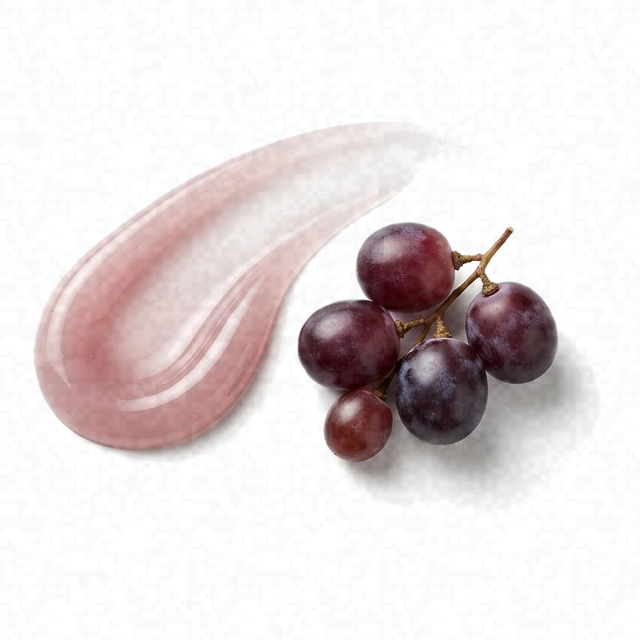 Trans-Resveratrol
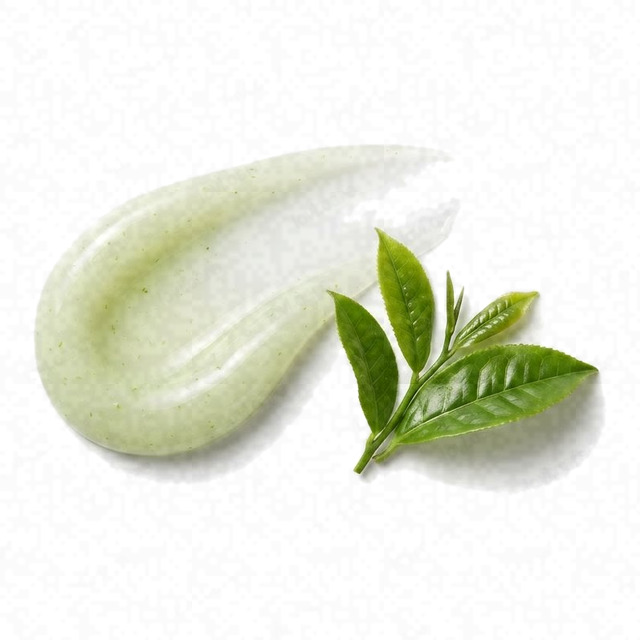 Egcg
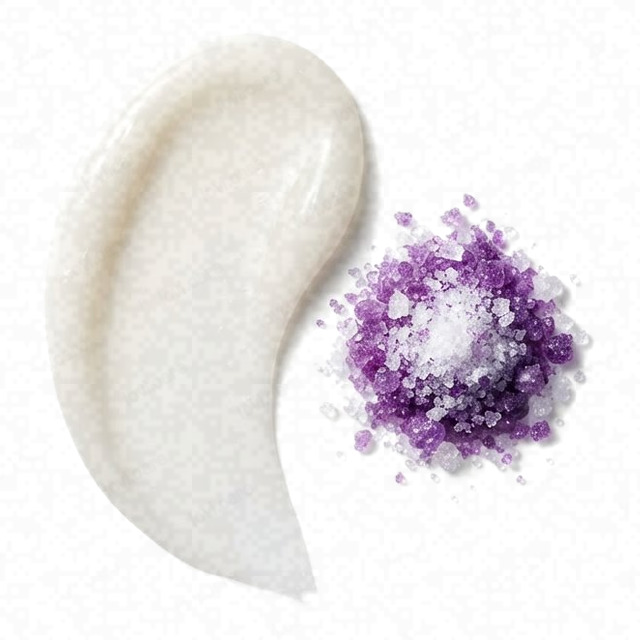 Brightenyl
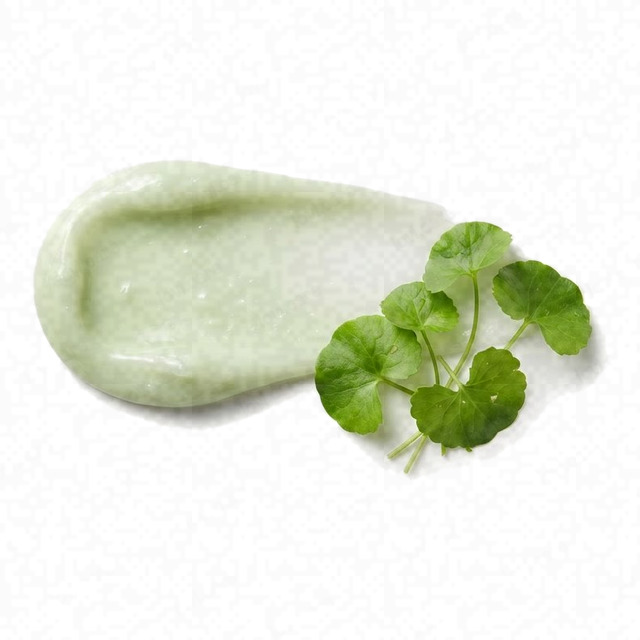 Madecassoside
High
- SuperiorCombination Skin Fit
- HighEffectiveness
- HighSafety
A great choice for acne-prone skin; a few serums fit it even better.
- Clinical, Cosmetic and Investigational Dermatology, 2017
- International Journal of Cosmetic Science, 2022
This fit is calculated for the concerns frequently associated with acne-prone skin: breakouts, blackheads, and post-acne marks. For scores and recommendations based on your full skin profile, including your 12D face scan results and any goals or preferences you have, please use the Lovi app.
Page built Nov 8, 2026How the Fit score works
Lovi Assistant explains
- Excellent suitability for your combination skin is provided by niacinamide and glycerin, which effectively regulate sebum and provide hydration, addressing your acne, blemishes, and breakouts.
- Diglucosyl gallic acid and resveratrol further enhance skin tone and texture by brightening and evening out your complexion, complementing the anti-inflammatory benefits.
- The product is safe for your skin, with no risks of irritation due to the absence of prohibited or harsh ingredients.
How to apply
- Use your serum as part of your PM routine and start 3x/week before working up to daily use.
- Apply this treatment after cleansing and toner, and before your moisturizer.
- Gently press 2-3 drops of the serum into your skin and let it absorb for a minute.
- Apply the product on clean, dry skin to help manage your breakouts safely.
- Avoid the eye area and do a patch test before your first use.
People Say
★4.4Overall rating based on 600+ reviewsThis serum is widely praised for its ability to visibly reduce redness, minimize the appearance of pores, and fade post-acne dark spots, making it a favorite for those with oily or acne-prone skin. While most users love the milky, hydrating texture that layers well under makeup, some have raised concerns about the product oxidizing (turning brown) over time and its distinct scent.
Highlights
Hydrating texture Mostly Mentioned
- “milky and moisturizing”
- “sinks in quickly”
- “not sticky like others”
- “leaves skin soft”
Minimizes pores Often Mentioned
- “pores look smaller”
- “tightens enlarged pores”
- “texture is smoother”
- “helped with pore congestion”
Reduces redness Often Mentioned
- “calms redness immediately”
- “skin looks less angry”
- “reduction in surface redness”
Controls oil Sometimes Noted
- “less oily by noon”
- “balances sebum production”
- “great for combo skin”
- “matte but glowing finish”
Fades dark spots Sometimes Noted
- “lightened acne scars”
- “helped with hyperpigmentation”
- “spots are fading faster”
- “evened out skin tone”
Color oxidation Sometimes Noted
- “turned brown quickly”
- “color changed to dark orange”
- “oxidized in the bottle”
- “looked unappealing after a month”
Unpleasant smell Sometimes Noted
- “smells a bit funky”
- “scent is off-putting”
- “has a weird odor”
- “smells like vitamins”
Packaging issues Rarely Noted
- “dropper is messy”
- “hard to get last drops”
- “bottle leaks slightly”
- “pipette doesn't hold product”
Potential irritation Rarely Noted
- “caused breakouts”
- “too strong for sensitive skin”
- “stung upon application”
- “caused mild flushing”
Sources: lovi.care, sundayriley.com, sephora.com, ulta.com, spacenk.com, cultbeauty.com, and more
Questions and answers
What makes Sunday Riley B3 Nice Serum a great fit for acne-prone skin?
Sunday Riley B3 Nice 10% Niacinamide Serum is a great fit for acne-prone skin because niacinamide and glycerin help balance oil and keep skin hydrated to manage breakouts and blemishes. Diglucosyl gallic acid and resveratrol also help calm inflammation and brighten the complexion.
International Journal of Cosmetic Science, 2022Molecules, 2023
Which ingredients make this serum a good fit for acne-prone skin?
This serum is a great fit for acne-prone skin because niacinamide and glycerin help regulate oil and provide hydration to manage breakouts. It is very unlikely to cause irritation and is safe for your skin.
What does Niacinamide do for acne-prone skin?
Niacinamide helps acne-prone skin by reducing both inflamed and uninflamed breakouts and calming redness. It is also very helpful for keeping oily skin balanced by cutting down on excess oil production, and it is well tolerated by most people.
What does Resveratrol do for acne-prone skin?
Resveratrol helps acne-prone skin by reducing oil buildup and calming redness, making breakouts less severe. It also fights the bacteria that cause acne and protects skin with antioxidants.
American Journal of Clinical Dermatology, 2011Journal of Cosmetic and Laser Therapy, 2019
Where does this serum go in a skincare routine for acne-prone skin?
This treatment serum goes in your evening routine, applied after cleansing and toning and before moisturizing. Putting treatments in the evening provides extra safety around sun exposure.
Can I use this serum with retinol, and in what order?
You can use this serum with retinol by applying the treatment after cleansing and before moisturizing, usually in the evening. This helps keep skin calm while addressing blemishes, though it is best to introduce them gradually to avoid any potential dryness.
Journal of Cosmetic Dermatology, 2024American Family Physician, 2012
How often should I use this serum?
This treatment is a great fit for your acne-prone skin and can be used in your evening routine. It is unlikely to cause irritation and helps control oil while keeping your skin calm.
Can this serum clog pores, cause breakouts or purging for acne-prone skin?
This serum is a great fit for acne-prone skin because niacinamide and glycerin help regulate oil and keep skin clear without clogging pores. It is unlikely to cause irritation or breakouts due to its gentle formula, and it contains no harsh ingredients.
Is this serum fragrance-free and alcohol-free?
Yes, it has no fragrance and no drying alcohol.
What the research says
A single application of a moisturizing fluid containing hyaluronic acid 1%, glycerin 5%, and Centella asiatica stem cells extract significantly increased skin hydration by 29% and reduced transepidermal water loss at 24 hours compared to baseline and an untreated control site in twenty healthy women.
Clinical, Cosmetic and Investigational Dermatology, 2017Diglucosyl gallic acid exhibits stronger tyrosinase inhibition than VC with an IC50 of 2.68 mg/mL, and its application as a cosmetic ingredient improves skin brightness while reducing ultraviolet spots, melanin, and erythema in human volunteers.
International Journal of Cosmetic Science, 2022Resveratrol nanoliposomes improved transdermal penetration and enhanced anti-aging and skin-brightening effects by promoting antioxidant capacity and collagen synthesis while inhibiting matrix metalloproteinases, tyrosinase activity, and melanin synthesis compared to free resveratrol.
Molecules, 2023Resveratrol acts as a direct and indirect tyrosinase inhibitor and regulates keratinocytes to prevent melanocyte stimulation, functioning as a potent topical hypopigmenting agent.
International Journal of Molecular Sciences, 2019Topical post-laser application of human adipocyte-derived mesenchymal stem cell media combined with niacinamide significantly improved wrinkle index, melanin index, patient satisfaction, and investigator esthetic improvement scores compared to vehicle cream in patients with aging skin.
Journal of Cosmetic Dermatology, 2021Topical nicotinamide prevented solar-simulated UV-induced immunosuppression in healthy volunteers, and men experienced immunosuppression at solar-simulated UV doses three times lower than those required for women.
The Journal of Investigative Dermatology, 2008Topical 5% niacinamide applied twice daily for 12 weeks reduced fine lines and wrinkles, hyperpigmented spots, red blotchiness, and skin sallowness, and improved skin elasticity compared to vehicle control in 50 female white subjects with facial photoaging.
Dermatologic Surgery, 2005Topical CE Ferulic plus resveratrol BE serum following ablative fractional CO2 laser treatment reduced erythema index (308.9 vs. 325.3), shortened complete scabbing detachment time (6.0 vs. 6.5 days), decreased melanin index (-7.4% vs. +0.2%), and improved skin hydration compared to normal saline in 51 Chinese patients.
Journal of the European Academy of Dermatology and Venereology, 2024Topical treatment with a combination of pyridine-2, 4-dicarboxylic acid diethyl ester and resveratrol significantly increased hair density in 79 Caucasian female subjects starting from 1.5 months compared to baseline.
International Journal of Cosmetic Science, 2020A nighttime topical antioxidant containing resveratrol, baicalin, and vitamin E significantly improved fine lines, wrinkles, firmness, elasticity, laxity, hyperpigmentation, radiance, roughness, and dermal thickness in subjects with mild to moderately photodamaged skin over 12 weeks.
Journal of Drugs in Dermatology, 2014Topical green tea extract significantly improved clinical symptoms, tear breakup times, and meibomian gland health compared to standard treatment in patients with dry eye and Meibomian Gland Dysfunction.
Journal of Clinical and Diagnostic Research, 2017Topical low-dose green tea extract reduces UVB-induced p53 expression and apoptosis in human skin keratinocytes compared to placebo.
Experimental Dermatology, 2009An anti-acne hydrogel containing Aloe barbadensis, Garcinia mangostana, and Camellia sinensis extracts showed superior antiacne and antiblotch activities compared to 1% clindamycin gel in sixty subjects with mild-moderate acne.
Clinical, Cosmetic and Investigational Dermatology, 2019Topical application of 0.05% w/w ECa 233 gel reduced erythema index by 0.03 U and improved early crusting and general wound appearance compared to placebo in thirty individuals undergoing facial laser resurfacing.
Journal of Alternative and Complementary Medicine, 2020Moisturizer containing 5% panthenol, madecassoside, and copper-zinc-manganese decreased adverse reactions and downtime after ablative fractional carbon dioxide laser resurfacing with comparable efficacy to 0.02% triamcinolone acetonide cream in 20 subjects.
Journal of Cosmetic Dermatology, 2019Topical treatment with 5% vitamin C and 0.1% madecassoside significantly improved clinical scores for wrinkles, suppleness, firmness, roughness, and skin hydration, along with functional and structural remodeling of the elastic fiber network in 20 female volunteers with photoaged skin after 6 months compared to baseline.
Experimental Dermatology, 2008
Ingredients
Water, Niacinamide, Glycerin, Phenyl Trimethicone, Dimethyl Isosorbide, Octyldodecanol, Resveratrol, Diglucosyl Gallic Acid, Asiaticoside, Madecassoside, Epigallocatechin Gallatyl Glucoside, Boswellia Serrata Extract Resin, Curcuma Longa Root Extract, Ocimum Basilicum Leaf Extract Flower, Ocimum Sanctum Leaf Extract, Aloe Barbadensis Flower Extract, Solanum Melongena Fruit Extract, Coccinia Indica Fruit Extract, Betaine, Corallina Officinalis Extract, Melia Azadirachta Flower Extract, Melia Azadirachta Leaf Extract, Benzotriazolyl Dodecyl P-Cresol, Peg-8, Tetrahydrodiferuloylmethane, Tetrahydrodemethoxydiferuloylmethane, Tetrahydrobisdemethoxydiferuloylmethane, Punica Granatum Fruit Extract, Argania Spinosa Kernel Oil, Citrus Aurantium Dulcis Peel Extract, Grapefruit Peel Extract, Tangerine Peel Oil, Calendula Officinalis Flower Extract, Lemon Peel Oil, Sodium Phytate, Hydroxyethyl Acrylate Sodium Acryloyldimethyl Taurate Copolymer, Polysorbate 60, Sorbitan Isostearate, Pentaerythrityl Tetra-Di-T-Butyl Hydroxyhydrocinnamate, Polyglyceryl-10 Stearate, Sodium Acrylate Sodium Acryloyldimethyl Taurate Copolymer, Dimethicone, Trideceth-6, Peg Ppg-18 18 Dimethicone, Tocopherol, Phenoxyethanol, Caprylyl Glycol, Chlorphenesin, Triethyl Citrate
Behind this fit score
Lovi calculates every fit score from the full ingredient list with brand-independent rules our dermatologists and cosmetic chemists build and review, and personalizes every pick with AI trained on the real results of millions of users. Lovi trains its fit score models on a proprietary dataset built from more than 10,000 expert-labeled products and more than 100,000 simulated examples, following an internally consistent methodology presented at Cosmoprof, AMWC, and Skin of Color Update.
-

Co-founder, Medical Director
Cosmetic chemist, cosmetologist, aesthetic products developer
-

Co-founder, CEO and CTO
PhD in computer science, 3x US patent holder, ex-Google, ex-Yandex
-

Dr. Sofía Perea Pérez, MD, MSc
Medical Board
Aesthetic medicine practitioner, MSc in Longevity and Anti-Aging Medicine
-

Medical Board
Specialist dermatologist, MBBS, MD, IFAAD
-

Medical Board
Cosmetic chemist, SCS, IFSCC member
-

Medical Board, Medical Advisor
Dermatology MD
-

Elina Nazarenko, MD
Medical Board
Dermatology and diagnostic consultant
-

Victoria Derkova, MS
Medical Board
Cosmetic chemist, cosmetic development technologist


How does it fit your skin?
Scan your face, then any product: Lovi shows how well it fits you and what fits even better.