Rhode Glazing Milk for oily acne-prone skin

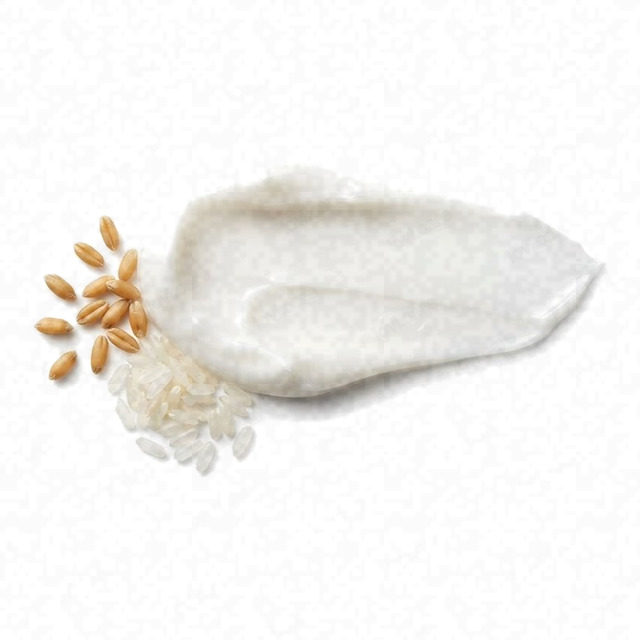 Ceramide Np
 Sodium Hyaluronate
 Glycerin
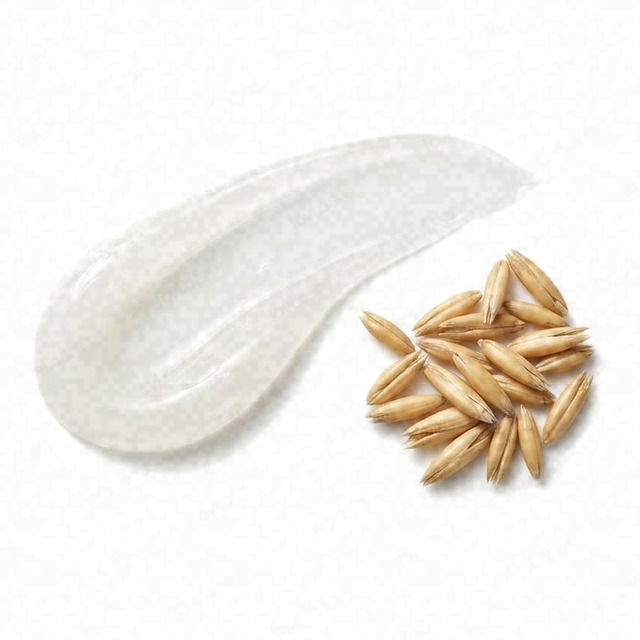 Beta-Glucan
 Tocopheryl Acetate
High
- HighOily Skin Fit
- HighEffectiveness
- ExcellentSafety
A great choice for oily acne-prone skin; a few moisturizers fit it even better.
This fit is calculated for the concerns frequently associated with oily acne-prone skin: shine, breakouts, blemishes, and enlarged pores. For scores and recommendations based on your full skin profile, including your 12D face scan results and any goals or preferences you have, please use the Lovi app.
Page built Nov 8, 2026How the Fit score works
Lovi Assistant explains
- Highly suitable for your oily skin, this product utilizes oleic, linoleic, and linolenic acids to help regulate sebum production and repair your skin barrier. The inclusion of multiple forms of sodium hyaluronate and ceramides provides excellent hydration, enhancing barrier resilience.
- Beta-glucan and ceramides contribute to soothing and barrier support, ensuring a comfortable experience for your skin.
- The safety profile is excellent, with no risks of irritation due to the absence of harsh ingredients and the presence of beneficial components.
How to apply
- Use this AM and PM routine every day to help clear your skin. Always remember to finish with SPF in the morning.
- Apply the moisturizer after your cleanser and toner, right before your SPF during the day.
- Gently press a small amount into your skin and avoid rubbing to keep pores clear.
- Apply on clean, slightly damp skin to help the product absorb better and control oil.
- Avoid the sensitive eye area and do a simple patch test before your first use.
People Say
★4.8Overall rating based on 100+ reviewsBased on limited data, users describe this product as a lightweight yet deeply hydrating prep step that delivers an immediate "glazed donut" glow and helps soothe irritated skin barriers. It is widely praised for its ability to layer under makeup and calm redness, though a notable minority of users with acne-prone skin experienced breakouts.
Highlights
Instant "Glazed" Glow Mostly Mentioned
- “Gives that coveted glass skin look immediately”
- “leaves me extra dewy à la Krispy Kreme”
- “skin looks luminous and healthy.”
Deep Hydration Often Mentioned
- “Skin slurps it right up”
- “felt super moisturized all day”
- “great lightweight solution for dry skin.”
Luxurious Texture Often Mentioned
- “Thick enough to smooth on without cotton round”
- “feels silky and luxurious”
- “lightweight but has viscosity.”
Soothing & Calming Sometimes Noted
- “Calmed my problem spots”
- “helped reduce existing inflammation”
- “feels extremely calming on the skin.”
Breakouts / Acne Sometimes Noted
- “Caused little bumps all over my face”
- “broke me out in whiteheads”
- “congested my pores”
Chemical Scent Rarely Noted
- “Smells like Elmer's glue”
- “has a bit of a chemical scent”
- “smell is off-putting”
Price vs. Value Rarely Noted
- “Quite expensive for a toner”
- “bottle size has gone down”
- “unnecessary addition unless you need ceramides”
Tacky Finish Rarely Noted
- “Stays tacky for a long time”
- “feels a bit sticky on the skin”
- “never really seems to fully absorb”
Sources: lovi.care, thingtesting.com, reddit.com, nylon.com, thekit.ca, hercampus.com, and more
Questions and answers
What makes Rhode Glazing Milk a great fit for oily acne-prone skin?
Rhode Glazing Milk is a great fit for oily acne-prone skin because it uses fatty acids to help regulate oil production and repair your skin barrier. It also includes ceramides and beta-glucan to deliver soothing hydration without the risk of irritation.
Contemporary Clinical Trials Communications, 2021Journal of Cosmetic Dermatology, 2021
Which ingredients make this treatment a good fit for oily acne-prone skin?
Rhode Glazing Milk is a great fit because its oleic, linoleic, and linolenic acids help regulate oil production and repair your skin barrier. It also uses ceramides, multiple forms of sodium hyaluronate, and beta-glucan to provide deep hydration and soothing support without causing irritation.
Journal of Pharmacy & Pharmaceutical Sciences, 2015Journal of Cosmetic Dermatology, 2021
What do Ceramides do for oily acne-prone skin?
Ceramides help keep oily acne-prone skin calm and smooth by strengthening the skin barrier and locking in moisture. Since acne-prone skin often has lower levels of these natural lipids, adding ceramides helps reduce irritation, redness, and moisture loss. A product for this skin type needs barrier-supporting ingredients like ceramides and gentle hydrators to prevent dryness and balance oil.
Journal of Cosmetic Dermatology, 2026Journal of Cosmetic Dermatology, 2023
What does Hyaluronic Acid do for oily acne-prone skin?
Hyaluronic acid helps calm oily acne-prone skin by reducing sebum production and lipid synthesis in sebaceous glands. It also supports skin barrier function and improves hydration while helping deliver treatments without causing irritation.
The Journal of Investigative Dermatology, 2017Journal of Cosmetic Dermatology, 2022
Where does it go in a skincare routine for oily acne-prone skin?
This moisturizing treatment goes in the evening routine after your cleansing toner and before your moisturizer. It is unlikely to irritate oily acne-prone skin, and it helps regulate oil production while supporting your skin barrier.
Can I use this treatment with retinol, and in what order?
Yes, you can use this treatment with retinol, applying the treatment first to help calm and hydrate your skin while supporting your skin barrier. Using a barrier-supporting moisturizer helps reduce irritation and dryness often caused by retinoids.
How often should I use it?
You can use this moisturizing treatment daily in your evening routine to keep your skin calm and hydrated. Daily application helps improve skin moisture and barrier function while remaining gentle on your skin.
Journal of Cosmetic Dermatology, 2020Health Science Reports, 2021
Can it clog pores, cause breakouts or purging for oily acne-prone skin?
Rhode Glazing Milk is unlikely to clog pores or cause irritation for your oily acne-prone skin, thanks to a very safe formula that avoids harsh ingredients. Tocopheryl acetate in the product has been shown to have a low risk of causing breakouts.
Can I use this treatment around the eyes or on my body?
You can use this moisturizing treatment around your eyes and on your body, as its gentle formula works well on thinner and thicker skin alike. It is unlikely to cause irritation and provides deep hydration to keep those areas soft and calm.
Surgical and Radiologic Anatomy, 2002Journal of Cosmetic Dermatology, 2021
Is it fragrance-free and alcohol-free?
Yes, it has no fragrance and no drying alcohol.
What the research says
Hyaluronic acid extracts are safe and efficacious products for skin repair when used in tissue regeneration alone or in combination with herbal or Western medicine.
Journal of Pharmacy & Pharmaceutical Sciences, 2015Topical hyaluronic acid filler serum combined with Botulinum toxin type A lengthened the duration of the toxin's effect in reducing wrinkles compared to Botulinum toxin type A alone.
Dermatologic Therapy, 2022Skin care regimens containing beta-glucan improved hemoglobin index, skin hydration, and transepidermal water loss compared to vehicle control in 20 patients undergoing fractional laser therapy.
Journal of Cosmetic Dermatology, 2021Dermatological products containing d-alpha tocopheryl acetate showed non-comedogenic potential with less than a 50% increase in microcomedones in 12 healthy male subjects compared to octyl palmitate.
Contemporary Clinical Trials Communications, 2021Topical application of 0.1% hyaluronic acid formulations of different molecular weights led to significant improvements in skin hydration and elasticity, with low-molecular-weight formulations also significantly reducing wrinkle depth in seventy-six female subjects compared to a vehicle control.
Journal of Drugs in Dermatology, 2011Topical application of hyaluronic acid in conjunction with free gingival graft significantly reduced donor site postoperative pain until day 7 compared to normal saline, with no significant differences in graft dimensions or patient satisfaction.
Clinical Oral Investigations, 2022Treatment with a hyaluronic acid-containing mouth rinse or topical gel led to significant lesion reduction, pain relief, and normalization of lesion color in adult patients with minor recurrent aphthous stomatitis, with the gel formulation showing an earlier healing onset at 3 days.
BMC Oral Health, 2019A single application of a moisturizing fluid containing hyaluronic acid 1%, glycerin 5%, and Centella asiatica stem cells extract significantly increased skin hydration by 29% and reduced transepidermal water loss at 24 hours compared to baseline and an untreated control site in twenty healthy women.
Clinical, Cosmetic and Investigational Dermatology, 2017The emollient V0034CR significantly reduced TEWL compared to vehicle and vehicle plus glycerol, and significantly increased corneometry scores compared to vehicle and vehicle plus petrolatum in healthy volunteers with dry skin, demonstrating combined barrier function improvement from petrolatum and hydration improvement from glycerol.
Journal of Cosmetic Dermatology, 2020Ten days of treatment with a cream containing 20% glycerin significantly increased skin hydration measured by corneometer values in 17 healthy volunteers compared to a placebo cream, but showed no influence on transepidermal water loss or skin sensitivity to an irritating surfactant.
International Journal of Cosmetic Science, 2001Treatment with topical formulations containing beta-glucan combined with nanofractional radiofrequency plus magnetic nanofractional radiofrequency showed the best efficacy and was tolerable and effective in Chinese women with abdominal stretch marks compared to control groups.
Dermatology and Therapy, 2023Topical beta-glucan mildly improved striae gravidarum, 1565-nm non-ablative fractional laser showed better results than topical beta-glucan, and the combined strategy further improved striae gravidarum atrophy compared to single treatment.
The Journal of Dermatology, 2022Topical application of oat beta-glucan ameliorates epidermal hyperplasia and accelerates epidermal barrier recovery by promoting keratinocyte differentiation through dectin-1-mediated ERK and p38 signaling pathways that upregulate CaSR expression.
International Journal of Biological Macromolecules, 2021Topical application of an antioxidant serum containing 15% ascorbic acid, 0.5% ferulic acid, and 1% tocopherol prevented particulate matter-induced degradation of extracellular matrix components, inflammation, and oxidative stress in the skin of 15 female volunteers compared to untreated controls.
Journal of Cosmetic Dermatology, 2025Topical application of an antioxidant mix containing 15% ascorbic acid, 0.5% ferulic acid, and 1% tocopherol prevented PM and UV-induced skin barrier perturbation, lipid peroxidation, inflammatory markers, MMP9 activation, and Type I collagen loss in 15 healthy females compared to untreated exposed skin.
Journal of Cosmetic Dermatology, 2024A topical antioxidant serum significantly reduced air pollution-induced skin pigmentation and proinflammatory gene expression ex vivo, and improved skin aging signs in 40 healthy adult females after 90 days of daily use.
Journal of Cosmetic Dermatology, 2022
Ingredients
Water, C12-15 Alkyl Benzoate, Coconut Alkanes, Glycerin, Polyglyceryl-3 Oleate, Polyglyceryl-10 Mono Dioleate, Tocopheryl Acetate, Sodium Hyaluronate, Sodium Hyaluronate Crosspolymer, Hydrolyzed Sodium Hyaluronate, Sodium Acetylated Hyaluronate, Ceramide Np, Ceramide Ap, Ceramide Eop, Beta-Glucan, Copper Gluconate, Magnesium Aspartate, Oleic Acid, Linoleic Acid, Linolenic Acid, Xanthan Gum, Zinc Gluconate, Euterpe Oleracea Sterols, Phosphatidylglycerol, Phytosphingosine, Caprylyl Glycol, Cholesterol, Coco-Caprylate Caprate, Peg-7 Glyceryl Cocoate, Cetyl Hydroxyethylcellulose, Carbomer, Sodium Lauroyl Lactylate, Pentylene Glycol, Amt 100, 1,2-Hexanediol, Sodium Phytate, Phenoxyethanol, Ethylhexylglycerin, Sodium Benzoate, Chlorphenesin, Citric Acid
Behind this fit score
Lovi calculates every fit score from the full ingredient list with brand-independent rules our dermatologists and cosmetic chemists build and review, and personalizes every pick with AI trained on the real results of millions of users. Lovi trains its fit score models on a proprietary dataset built from more than 10,000 expert-labeled products and more than 100,000 simulated examples, following an internally consistent methodology presented at Cosmoprof, AMWC, and Skin of Color Update.
-

Co-founder, Medical Director
Cosmetic chemist, cosmetologist, aesthetic products developer
-

Co-founder, CEO and CTO
PhD in computer science, 3x US patent holder, ex-Google, ex-Yandex
-

Dr. Sofía Perea Pérez, MD, MSc
Medical Board
Aesthetic medicine practitioner, MSc in Longevity and Anti-Aging Medicine
-

Medical Board
Specialist dermatologist, MBBS, MD, IFAAD
-

Medical Board
Cosmetic chemist, SCS, IFSCC member
-

Medical Board, Medical Advisor
Dermatology MD
-

Elina Nazarenko, MD
Medical Board
Dermatology and diagnostic consultant
-

Victoria Derkova, MS
Medical Board
Cosmetic chemist, cosmetic development technologist


How does it fit your skin?
Scan your face, then any product: Lovi shows how well it fits you and what fits even better.