Peter Thomas Roth Pumpkin Enzyme Mask for oily acne-prone skin

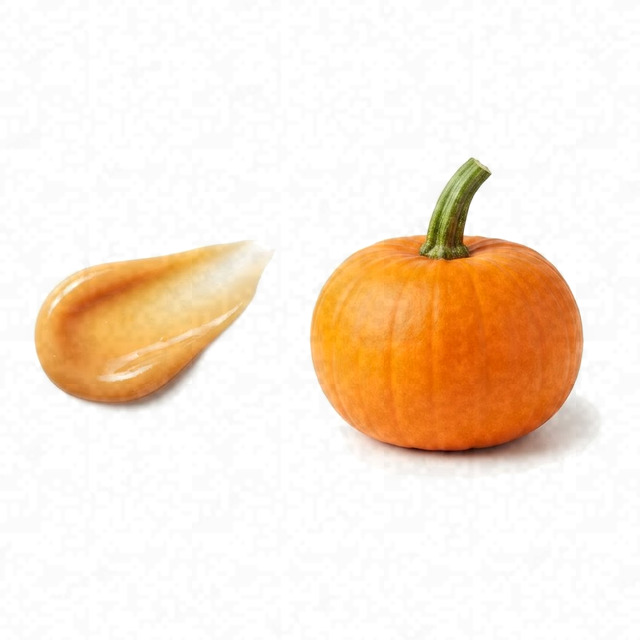 Pumpkin Enzyme
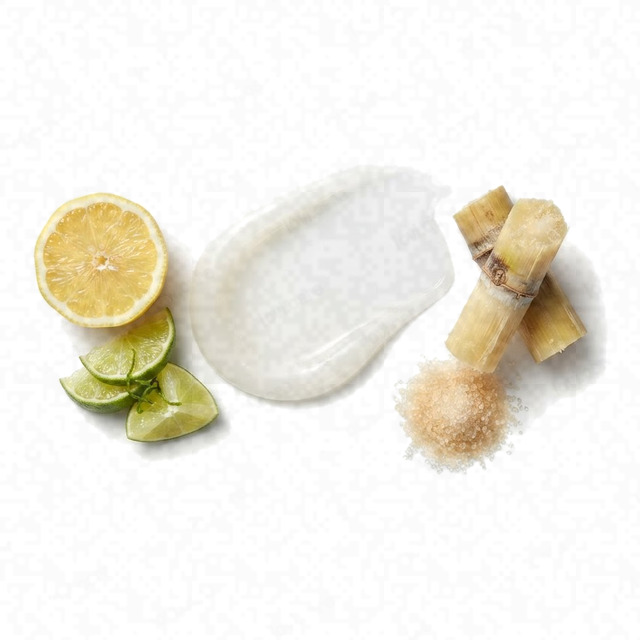 Alpha Hydroxy Acid
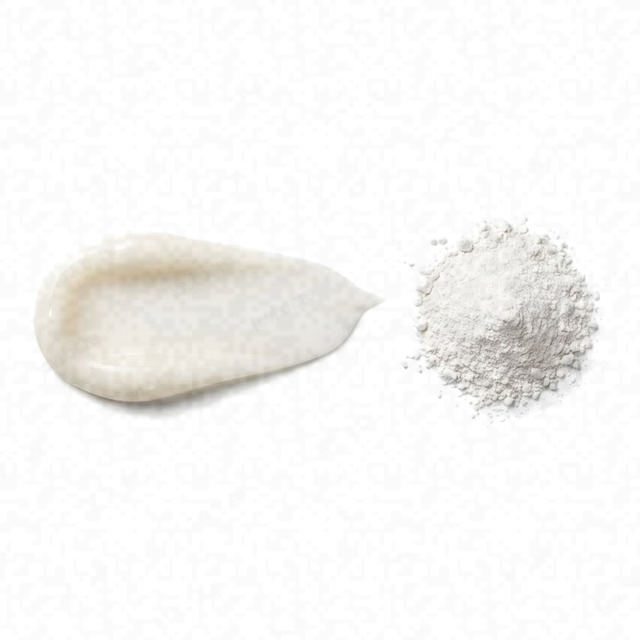 Aluminum Oxide
 Glycerin
 Ascorbic Acid
Average
- HighOily Skin Fit
- AverageEffectiveness
- ExcellentSafety
Works for oily acne-prone skin; other products fit it better.
This fit is calculated for the concerns frequently associated with oily acne-prone skin: shine, breakouts, blemishes, and enlarged pores. For scores and recommendations based on your full skin profile, including your 12D face scan results and any goals or preferences you have, please use the Lovi app.
Page built Nov 8, 2026How the Fit score works
Lovi Assistant explains
- Offers moderate exfoliation for your oily skin, as pumpkin enzymes and lactic acid gently resurface to address acne and breakouts. Alumina and citric acid further aid in smoothing texture and managing oiliness.
- Lactobacillus Pumpkin Fruit Ferment Filtrate and Leuconostoc Radish Root Ferment Filtrate provide beneficial fermentation properties that support skin health.
- The product is safe for your skin, with no risks of irritation due to the absence of harsh ingredients and the presence of soothing components.
How to apply
- Use this exfoliant as part of your PM routine once a week to start, increasing frequency only if your skin tolerates it well.
- Apply the exfoliant after cleansing and toning, but before your final moisturizer step.
- Gently press 2-3 drops of the exfoliant into your skin and let it absorb for a minute.
- Apply the product directly onto clean, dry skin for the best results against breakouts.
- Avoid the sensitive eye area and always use a daily SPF since exfoliating makes skin more sensitive to the sun.
People Say
★4.7Overall rating based on 600+ reviewsUsers frequently praise this mask for its exfoliating properties that result in smoother and brighter skin. The scent is also a common positive point. Some users report a stinging sensation and find it too harsh for sensitive skin.
Highlights
Instantly smooths texture Mostly Mentioned
- “Skin definitely looks squeaky clean and rejuvenated”
- “Makes my skin look so smooth and even”
- “Visibly smoother skin and tighter pores”
- “Left looking refreshed, clear, radiant”
Smells like pumpkin pie Mostly Mentioned
- “Smells of warm pumpkin pie interspersed with cinnamon”
- “Scent is delicious, like Christmas”
- “Smells exactly like pumpkin pie filling”
- “Aroma of autumn encapsulates your senses”
Brightens dull complexion Often Mentioned
- “Gives my skin a super exfoliation that makes it glow”
- “Promotes a clear, luminous complexion”
- “Skin looks more youthful and tighter”
- “Revitalizes dull, congested skin”
Clears pores and congestion Sometimes Noted
- “Draws dirt, pollution, makeup and impurities”
- “Rids the skin of blackheads and oils”
- “Pores look noticeably smaller”
- “Great for congested complexions”
Intense burning sensation Sometimes Noted
- “Felt a little concerned as mask started to feel very warm”
- “Stings a little, that's normal”
- “Tingled a little and I was only able to keep it on for 3 minutes”
- “Burning sensation doesn't really bother me”
Too harsh for sensitive skin Sometimes Noted
- “Would not recommend to people with sensitive skin”
- “Caused irritation especially upon initial use”
- “Texture is too gritty”
- “Can be abrasive and uneven”
High price point Rarely Noted
- “A little pricey but so worth it”
- “Can seem like an investment”
- “Without the hefty price sticker”
- “Splurge at Sephora”
Strong lingering fragrance Rarely Noted
- “Fragrance is pretty strong with the pumpkin”
- “Smell is not overpowering”
- “Scent isn't giving pumpkin, it's giving sweet potato”
- “Smells entirely edible”
Sources: lovi.care, dermstore.com, peterthomasroth.com, walmart.com, lovelyskin.com, sephora.com, and more
Questions and answers
How well does the Peter Thomas Roth Pumpkin Enzyme Mask work for oily acne-prone skin?
This mask works reasonably well for oily acne-prone skin, as its pumpkin enzymes, alpha hydroxy acid, and aluminum oxide gently resurface your skin, smooth out texture, and help manage oiliness. However, an exfoliant treatment for this skin needs ingredients like niacinamide, propolis, or benzoyl peroxide to better clear breakouts and control excess oil.
Journal of Cosmetic Dermatology, 2021Dermatologic Surgery, 2001
Which ingredients make this exfoliant a good fit for oily acne-prone skin?
Pumpkin enzymes and lactic acid help resurface your oily skin to address acne, while alumina and citric acid smooth texture and manage oiliness. Because other products fit this skin better, an exfoliant of this type needs effective ingredients like niacinamide, propolis, benzoyl peroxide, or Vitamin C to control oil and treat breakouts comfortably without irritation.
Journal of Cosmetic Dermatology, 2021Dermatologic Surgery, 2001
What does Pumpkin Enzyme do for oily acne-prone skin?
Pumpkin Enzyme helps clear and smooth oily, acne-prone skin by gently lifting away dead cells that clog pores. Because this type of skin tends to get bumpy and congested, it needs ingredients that control oil and calm inflammation to keep pores clear.
What does Alpha Hydroxy Acid do for oily acne-prone skin?
Alpha hydroxy acid helps clear blemishes and soothe oily, acne-prone skin by gently removing dead skin cells and calming inflammation. Using this ingredient may also help improve skin texture and reduce breakouts when added to your regular routine.
Where does this exfoliant go in a skincare routine for oily acne-prone skin?
This exfoliant treatment goes into a weekly routine for oily acne-prone skin, used once a week to start. To work best for this skin, an exfoliant of this type needs soothing components and ingredients like salicylic acid or glycolic acid to thoroughly clear pores and manage oiliness.
Can I use this exfoliant with retinol, and in what order?
You should use this exfoliant on a different night than your retinol to avoid irritation on your oily acne-prone skin. Using active treatments on separate days helps keep your skin calm while managing breakouts.
How often should I use this exfoliant?
Start using this exfoliant treatment once a week, and if your oily skin tolerates it well and sees good results, you may carefully use it more often. An average fit for your skin type works well, though this skin often benefits from products that offer stronger oil control and targeted acne-fighting ingredients.
Can this exfoliant clog pores, cause breakouts or purging for oily acne-prone skin?
This exfoliant is unlikely to clog pores or cause breakouts for oily acne-prone skin, as it gently resurfaces to help manage oiliness and clear blemishes. However, it may cause temporary irritation or an intense burning sensation for some users.
Is this exfoliant fragrance-free and alcohol-free?
It has no drying alcohol and contains fragrance (benzyl alcohol and parfum).
What the research says
Daily treatment with a facial serum containing multiple acids reduced post-inflammatory hyperchromia lesion grade and number by 29.4% at 56 days, and decreased skin oiliness by 30.7% at 7 days in Brazilian patients with acne vulgaris.
Journal of Cosmetic Dermatology, 2021Aluminum oxide crystal microdermabrasion resulted in mild subjective and clinical improvement, increased skin temperature, decreased sebum content, temporary increased roughness, decreased skin stiffness, increased skin compliance, and histological vascular changes in ten subjects with photodamaged skin compared to baseline measurements.
Dermatologic Surgery, 2001A novel composition containing salicylic acid, capryloyl salicylic acid, HEPES, glycolic acid, citric acid, and dioic acid showed similar tolerance and efficacy compared with clindamycin 1% and benzoyl peroxide 5% gel in subjects with acne vulgaris.
Journal of Drugs in Dermatology, 2013Topical application of 1-1.5% glycolic acid suppresses UVB-induced inflammation by modulating NF-κB signaling pathways in human keratinocytes and mouse dorsal skin.
Journal of Dermatological Science, 2017Evaluation of immuno-allergological reactivity showed no allergic skin reactions to aluminium oxide ceramics among 250 patients, while cellular reactivity of nickel-allergic and non-allergic donors was partly enhanced upon contact with aluminium oxide disks.
Biomaterials, 2003Topical treatment with pumpkin seed oil-loaded niosomes decreased fallen hairs by 44.42% and increased the anagen to telogen ratio by 1.4-fold after 8 weeks compared to initial conditions.
Pharmaceuticals, 2022Topical application of prickly pear, pumpkin, and linseed oils significantly reduced clinical signs of acute inflammation, inflammatory markers, and oxidative stress in carrageenan-treated rats compared to the normal saline-treated group.
BioMed Research International, 2020Both sodium chloride and aluminum oxide microdermabrasion altered the epidermal barrier by significantly increasing transepidermal water loss and hydration at 24 hours in eight patients.
Dermatologic Surgery, 2002Aluminum oxide microdermabrasion facial treatments in eleven volunteers resulted in clinical improvements in dyschromia, actinic changes, and fine rhytides, along with epidermal and dermal histological changes, compared to controls.
The Journal of Dermatological Treatment, 2002Aluminum oxide crystal microdermabrasion resulted in good to excellent clinical improvement in 41 patients with facial scarring over a mean of 9.10 treatment sessions.
Dermatologic Surgery, 1995A single application of a moisturizing fluid containing hyaluronic acid 1%, glycerin 5%, and Centella asiatica stem cells extract significantly increased skin hydration by 29% and reduced transepidermal water loss at 24 hours compared to baseline and an untreated control site in twenty healthy women.
Clinical, Cosmetic and Investigational Dermatology, 2017The emollient V0034CR significantly reduced TEWL compared to vehicle and vehicle plus glycerol, and significantly increased corneometry scores compared to vehicle and vehicle plus petrolatum in healthy volunteers with dry skin, demonstrating combined barrier function improvement from petrolatum and hydration improvement from glycerol.
Journal of Cosmetic Dermatology, 2020Ten days of treatment with a cream containing 20% glycerin significantly increased skin hydration measured by corneometer values in 17 healthy volunteers compared to a placebo cream, but showed no influence on transepidermal water loss or skin sensitivity to an irritating surfactant.
International Journal of Cosmetic Science, 2001Topical application of 5% vitamin C cream significantly improved global clinical scores, increased skin microrelief density, and induced elastic tissue repair in photoaged skin compared to excipient control in healthy female volunteers.
Experimental Dermatology, 2003Ascorbic acid 2-glucoside gel significantly reduced gingival melanin pigmentation after 4 weeks compared to placebo in 73 subjects with symmetric pigmentation.
Journal of Periodontology, 2009Topical application of VC-IP cream twice daily for 8 weeks reduces periorbital wrinkles in female subjects compared to a placebo cream.
Journal of Cosmetic Dermatology, 2022
Ingredients
Water, Pumpkin, Alumina, Glycerin, Triethanolamine, Carbomer, Lactobacillus Pumpkin Fruit Ferment Filtrate, Sodium Lactate, Ascorbic Acid, Tocopheryl Acetate, Retinyl Palmitate, Bht, Sodium Hyaluronate, Leuconostoc Radish Root Ferment Filtrate, Helianthus Annuus Seed Oil Sunflower Seed Oil, Citric Acid, Disodium Edta, Benzoic Acid, Sorbic Acid, Potassium Sorbate, Sodium Benzoate, Chlorphenesin, Phenoxyethanol, Benzyl Alcohol, Cinnamal, Parfum
Behind this fit score
Lovi calculates every fit score from the full ingredient list with brand-independent rules our dermatologists and cosmetic chemists build and review, and personalizes every pick with AI trained on the real results of millions of users. Lovi trains its fit score models on a proprietary dataset built from more than 10,000 expert-labeled products and more than 100,000 simulated examples, following an internally consistent methodology presented at Cosmoprof, AMWC, and Skin of Color Update.
-

Co-founder, Medical Director
Cosmetic chemist, cosmetologist, aesthetic products developer
-

Co-founder, CEO and CTO
PhD in computer science, 3x US patent holder, ex-Google, ex-Yandex
-

Dr. Sofía Perea Pérez, MD, MSc
Medical Board
Aesthetic medicine practitioner, MSc in Longevity and Anti-Aging Medicine
-

Medical Board
Specialist dermatologist, MBBS, MD, IFAAD
-

Medical Board
Cosmetic chemist, SCS, IFSCC member
-

Medical Board, Medical Advisor
Dermatology MD
-

Elina Nazarenko, MD
Medical Board
Dermatology and diagnostic consultant
-

Victoria Derkova, MS
Medical Board
Cosmetic chemist, cosmetic development technologist


How does it fit your skin?
Scan your face, then any product: Lovi shows how well it fits you and what fits even better.