Peach & Lily Glass Skin Face Polisher for sensitive skin

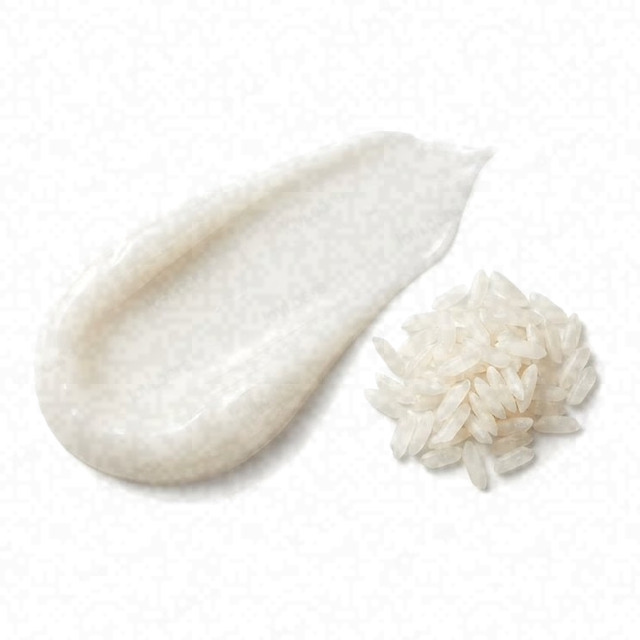 Rice Powder
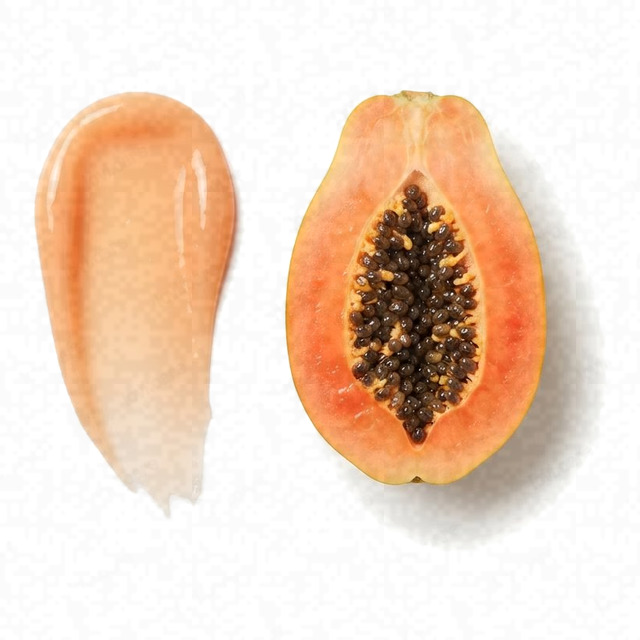 Papain
 Salicylic Acid
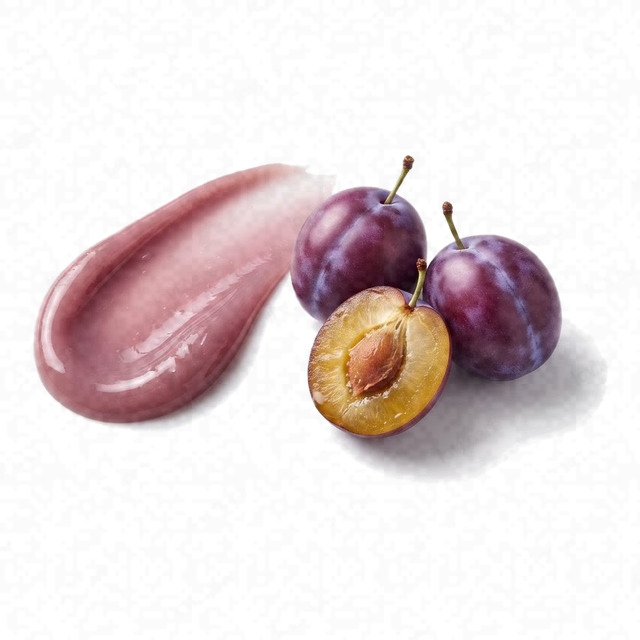 Korean Plum Fruit Extract
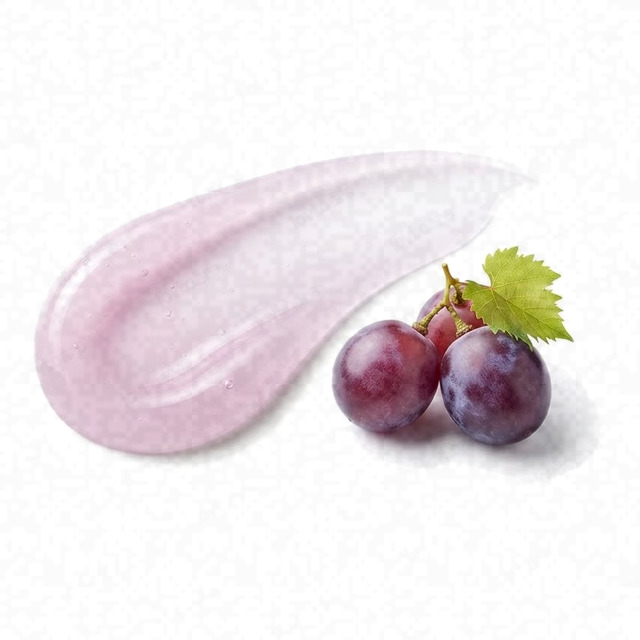 Muscat Grape Fruit Extract
High
- HighNormal Skin Fit
- AverageEffectiveness
- ExcellentSafety
One of the best products for sensitive skin.
This fit is calculated for the concerns frequently associated with sensitive skin: redness, stinging, and reactions to new products. For scores and recommendations based on your full skin profile, including your 12D face scan results and any goals or preferences you have, please use the Lovi app.
Page built Nov 8, 2026How the Fit score works
Lovi Assistant explains
- Offers excellent exfoliation for your normal skin due to papain and salicylic acid, which smooth texture while Allantoin and Rice Bran Extract provide mild soothing for your redness and irritation.
- Glycerin and Aspergillus Rice Ferment Filtrate offer additional hydration and antioxidant benefits, supporting overall skin health.
- The formula is safe for your sensitive skin, containing soothing ingredients and avoiding harsh components.
How to apply
- Use your enzyme powder exfoliant as part of your PM routine. Start once a week and increase slowly if your skin tolerates it well.
- Apply this product after cleansing and before your hydrating toner. Follow the weekly routine order provided by Lovi.
- Mix the enzyme powder exfoliant with a little water in your hands to create a paste. Gently pat the mixture onto your face and avoid harsh rubbing.
- Apply this product on clean skin. Since your skin is sensitive, this helps you get the best tolerance.
- Always do a patch test before your first use. Avoid the eye area and do not combine this with strong acids or retinoids.
People Say
★4.8Overall rating based on 500+ reviewsThis rice-based enzyme powder is highly praised for its ability to achieve a smooth, glass-like complexion without irritating the skin barrier. Users with sensitive, acne-prone, and dry skin frequently report that its gentle, non-stripping formula effectively buffs away texture and flakes while calming redness.
Highlights
Gentle exfoliation Mostly Mentioned
- “gentle enough to not cause any irritation”
- “doesn't strip skin whatsoever”
- “softest physical exfoliant I've used”
Smooths texture Mostly Mentioned
- “skin is super smooth after”
- “removes all the flakes very gently”
- “helps with texture around nose”
Brightening glow Often Mentioned
- “skin looks bright and clear”
- “enhances a glassy glow”
- “visibly boosts radiance”
Sensitive skin friendly Often Mentioned
- “works well for my sensitive skin”
- “no bad reactions or redness”
- “great for reactive skin types”
Long-lasting value Sometimes Noted
- “bottle is going to last a long time”
- “only need a dime-sized amount”
- “best overall value price and size wise”
High price point Sometimes Noted
- “price is a bit high”
- “wish it was more affordable”
- “expensive for a face wash”
Caused breakouts Rarely Noted
- “gave me redness and texture”
- “caused minor breakouts”
- “skin reacted poorly to enzymes”
Messy application Rarely Noted
- “powder can get all over”
- “hard to get right water ratio”
- “messy if not careful”
Too gentle Rarely Noted
- “didn't feel like it did much”
- “prefer sugar scrubs for more abrasion”
- “too mild for my thick skin”
Sources: lovi.care, ulta.com, reddit.com, beauty.forums, target.com, youtube.com, and more
Questions and answers
What makes Peach & Lily Glass Skin Face Polisher a great fit for sensitive skin?
This exfoliant is a great fit because it uses papain and salicylic acid to smooth texture while allantoin and rice bran extract calm redness and irritation. The formula has a safe profile for sensitive skin and avoids harsh components.
Which ingredients make this exfoliant a good fit for sensitive skin?
Allantoin and rice bran extract help soothe redness and irritation, while the gentle formula avoids harsh components to keep sensitive skin calm and smooth.
What does Rice Powder do for sensitive skin?
Rice Powder helps calm and soothe sensitive skin while supporting the skin barrier. It has a very safe profile and is unlikely to cause irritation.
Journal of Cosmetic Dermatology, 2022International Journal of Toxicology, 2006
What does Papain do for sensitive skin?
Papain is not a good fit for sensitive skin because it can disrupt the skin barrier, cause inflammation, and act as a strong allergen. Sensitive skin needs gentle, soothing, and repairing ingredients that protect the outer layer rather than break it down.
Where does this exfoliant go in a skincare routine for sensitive skin?
This exfoliant is used once a week in your weekly routine, right after your cleanser and before a nourishing mask. It helps smooth texture safely while keeping your skin calm and comfortable.
Can I use this exfoliant with retinol, and in what order?
You can use this enzyme powder exfoliant alongside retinol, but not on the same night. Use it in your weekly routine step on nights when you are skipping retinol to help smooth your texture safely without overwhelming your sensitive skin.
How often should I use this exfoliant?
Start using this enzyme powder once a week to see how your sensitive skin reacts, and carefully increase the frequency only if you tolerate it well and get good results.
Can this exfoliant clog pores, cause breakouts or purging for sensitive skin?
This exfoliant is unlikely to clog pores or cause breakouts for sensitive skin, as negative feedback for this is low and the formula is safe and gentle. Papain and salicylic acid help smooth texture while soothing ingredients keep irritation at bay.
Is this exfoliant fragrance-free and alcohol-free?
Yes, it has no fragrance and no drying alcohol.
What the research says
A topical gel containing chitosan, chlorhexidine, allantoin, and dexpanthenol significantly reduced postoperative pain, trismus, swelling, and analgesic consumption, while improving wound healing after third molar surgery compared to a placebo.
Medicina Oral, Patologia Oral Y Cirugia Bucal, 2020Application of Galactomyces ferment filtrate skin care formula significantly reduced the net values and daily fluctuation of facial pore area, roughness, and redness in young Japanese women.
Journal of Clinical Medicine, 2021A single application of a moisturizing fluid containing hyaluronic acid 1%, glycerin 5%, and Centella asiatica stem cells extract significantly increased skin hydration by 29% and reduced transepidermal water loss at 24 hours compared to baseline and an untreated control site in twenty healthy women.
Clinical, Cosmetic and Investigational Dermatology, 2017Daily application of a cream containing niosomes loaded with purple glutinous rice extract in 20 human volunteers for 28 days resulted in a significant decrease in melanin index and skin roughness by -14.05% and -9.95%, and increases in skin hydration and elastic recovery by +48.73% and +35.98% compared to initial values.
International Journal of Cosmetic Science, 2020The iontophoretic delivery of hyaluronic acid nanogel-loaded Saccharomyces/Rice Ferment Filtrate significantly reduced advanced glycation end products and mitigated skin stiffening in an ex vivo skin tissue glycation model.
International Journal of Nanomedicine, 2025Red rice extract suppressed UVB-induced inflammation and skin aging in human skin fibroblasts by inhibiting the MAPK signaling pathway, leading to decreased NF-kappa B and AP-1 activation, reduced ECM degradation, and increased ECM synthesis compared to UVB-irradiated controls.
Natural Product Communications, 2016Topical papain treatment may slightly decrease pain within 30 minutes in humans stung by Chrysaora chinensis compared to placebo.
Wilderness & Environmental Medicine, 2016A fixed combination of hydroxypinacolone retinoate, retinol glycospheres, and papain glycospheres in aqueous gel applied once daily for 12 weeks achieved a 41% mean reduction in GAGS score and a 40.8% mean reduction in total lesions, with 15.3% of patients experiencing mild to moderate local side effects, in 94 evaluable patients with comedonal-papular, mild to moderate acne of the face.
Giornale Italiano Di Dermatologia E Venereologia, 2015Reflux extraction of Carica papaya leaves yielded higher antioxidant capacity and superior in vitro wound-healing activities including fibroblast proliferation, cell migration, and collagen synthesis in human skin fibroblasts compared to ultrasonic-assisted extraction and agitation.
Molecules, 2020Cryotherapy with liquid nitrogen achieved a higher cure rate (39%) than salicylic acid (24%) and a wait-and-see approach (16%) for cutaneous warts at 13 weeks in primary care patients.
CMAJ, 2010A moisturizer containing licochalcone A, 1,2-decanediol, L-carnitine, and salicylic acid significantly reduced noninflammatory, inflammatory, and total acne lesion counts compared to a vehicle control in Thai patients during a 12-week maintenance phase.
BioMed Research International, 2020Treatment with 2% supramolecular salicylic acid hydrogel resulted in a regression and markedly improvement rate of 51.01% compared to 43.10% for Adapaline gel in patients with mild to moderate facial acne vulgaris, showing no significant difference in efficacy.
Journal of Cosmetic Dermatology, 2024Wild Plum formulations restored lost skin fluorescence from sun exposure to values beyond non-solar skin in human volunteers without causing irritancy.
Skin Research and Technology, 2013Wild Plum application improves skin appearance and decreases the number of wrinkles by imparting optical brightness and blue fluorescence.
Journal of Cosmetic Science, 2010A combination of Vitis vinifera shoot extract and a biotechnological extract demonstrated significant in vitro and in vivo antioxidant effects and improved clinical signs of photoaged skin in female subjects after a 4-week application.
Journal of Drugs in Dermatology, 2007Pre-treatment with Vitis vinifera L. water extract (100 ΓΙg/mL) demonstrated antioxidant and scavenger activity against UV-A radiation and exerted an anti-mutagenic effect by maintaining apoptosis in UV-A and UV-B irradiated human keratinocytes (HaCaT).
Journal of Photochemistry and Photobiology. B, Biology, 2020A water extract from grapevine leaves inhibited proinflammatory-induced interleukin-8 and vascular endothelial growth factor secretion in human keratinocytes compared to untreated challenged cells.
Antioxidants, 2019
Ingredients
Zea Mays Starch, Microcrystalline Cellulose, Sodium Cocoyl Isethionate, Sodium Lauroyl Glutamate, Diglycerin, Rice Bran Extract, Aspergillus Rice Ferment Filtrate, Papain, Prunus Mume Fruit Extract Korean Plum Fruit Extract, Vitis Vinifera Fruit Extract Muscat Grape Fruit Extract, Carica Papaya Fruit Extract, Pyrus Malus Fruit Extract, Camellia Sinensis Leaf Extract, Salicylic Acid, Angelica Acutiloba Root Extract, Glycerin, Panax Ginseng Root Extract, Allantoin, Vigna Radiata Seed Extract, Moringa Oleifera Seed Extract, Maltodextrin, Water, Butylene Glycol, 1,2-Hexanediol, Ethylhexylglycerin, Caprylyl Glycol
Behind this fit score
Lovi calculates every fit score from the full ingredient list with brand-independent rules our dermatologists and cosmetic chemists build and review, and personalizes every pick with AI trained on the real results of millions of users. Lovi trains its fit score models on a proprietary dataset built from more than 10,000 expert-labeled products and more than 100,000 simulated examples, following an internally consistent methodology presented at Cosmoprof, AMWC, and Skin of Color Update.
-

Co-founder, Medical Director
Cosmetic chemist, cosmetologist, aesthetic products developer
-

Co-founder, CEO and CTO
PhD in computer science, 3x US patent holder, ex-Google, ex-Yandex
-

Dr. Sofía Perea Pérez, MD, MSc
Medical Board
Aesthetic medicine practitioner, MSc in Longevity and Anti-Aging Medicine
-

Medical Board
Specialist dermatologist, MBBS, MD, IFAAD
-

Medical Board
Cosmetic chemist, SCS, IFSCC member
-

Medical Board, Medical Advisor
Dermatology MD
-

Elina Nazarenko, MD
Medical Board
Dermatology and diagnostic consultant
-

Victoria Derkova, MS
Medical Board
Cosmetic chemist, cosmetic development technologist


How does it fit your skin?
Scan your face, then any product: Lovi shows how well it fits you and what fits even better.