
Palmer's Scar Serum

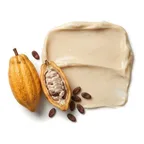 Theobroma Cacao Butter
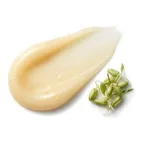 Vitamin E
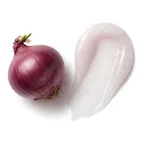 Onion Bulb Extract
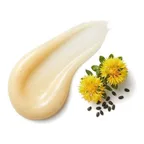 Carthamus Tinctorius Seed Oil
 Dimethicone
Average fit for dry skin, acne-prone skin, dry sensitive skin, and oily acne-prone skin; low for oily skin, combination skin, sensitive skin, skin with dark spots, and mature skin. Where to buy in Australia: Amazon.com.au, A$40.39.
Each fit is calculated for the concerns frequently associated with that skin type. For scores and recommendations based on your full skin profile, including your 12D face scan results and goals, use the Lovi app.
Updated How the Fit score works
Where it fits best and least
Best fit Average
Dry Skin, Acne-Prone Skin, Dry Sensitive Skin, Oily Acne-Prone Skin
Works for dry skin; other serums fit it better.
- Offers moderate suitability for your dry skin due to the emollient action of Theobroma Cacao Seed Butter and Carthamus Tinctorius Seed Oil, but it lacks sufficient humectants for optimal hydration.
Lowest fit Low
Oily Skin, Combination Skin, Sensitive Skin, Skin with Dark Spots, Mature Skin
A weak match for oily skin.
- Offers moderate scar treatment for your oily skin due to Tocopheryl Acetate and Onion Bulb Extract aiding in scar reduction and regeneration, though Dimethicone and Carthamus Tinctorius Seed Oil provide emollience that does not specifically manage oily shine.
Buy online

Prices checked 22 Nov 2026
The Lovi Fit is the same in every country; only the stores and prices differ, and the ones here are for Australia.
How to apply
- Apply this serum PM, starting 3×/week and working up to daily use as your skin adjusts.
- Place the serum after cleansing and toner, but right before your moisturizer.
- Gently press 2-3 drops of the serum into your skin and let it absorb for a minute.
- Apply the serum on slightly damp skin to help lock in extra moisture.
- Avoid the eye area and do a patch test before your first use.
Questions and answers
How well does Palmer's Cocoa Butter Formula Scar Serum work for dry skin?
Palmer's Scar Serum is an average fit for dry skin, as its oils soften the skin but lack enough deep moisture. While it is safe and provides helpful scar care, dry skin needs richer hydrating ingredients like ceramides, niacinamide, or peptides to stay smooth and fully moisturized.
How well does Palmer's Scar Serum work for acne-prone skin?
Palmer's Scar Serum works moderately well for acne-prone skin, providing hydration and moisture, but it lacks ingredients that directly target breakouts. Acne-prone skin needs products with ingredients like niacinamide, propolis, and zinc PCA that control oiliness and soothe blemishes without causing irritation.
Why is Palmer's Scar Serum a weak match for oily skin?
Palmer's Scar Serum is a weak match for oily skin because it lacks sufficient ingredients for effective oil control and uses heavy smoothing agents that do not specifically manage oily shine. A treatment for oily skin needs ingredients like niacinamide and zinc PCA to control excess oil, along with soothing extracts and lightweight hydrators that keep the skin comfortable without clogging pores.
Contemporary Clinical Trials Communications, 2021Pharmaceutical Biology, 2014
How well does Palmer's Scar Serum work for dry sensitive skin?
Palmer's Scar Serum works moderately well for your dry sensitive skin because its butters and oils soften the skin, but it lacks enough moisture-attracting ingredients for deep hydration. A treatment for this skin type needs rich moisturizing ingredients that lock in moisture and support the skin barrier without causing any irritation.
The American Journal of Clinical Nutrition, 1987Ostomy/wound Management, 2005
Why is Palmer's Scar Serum a weak match for combination skin?
Palmer's Scar Serum is a weak match for combination skin because it helps smooth texture and softens dry areas, but it does not directly address oily shine. A treatment for this skin needs ingredients like niacinamide, propolis, or zinc PCA to regulate oiliness and provide balance.
Pharmaceutical Biology, 2014The American Journal of Clinical Nutrition, 1987
How well does Palmer's Scar Serum work for oily acne-prone skin?
Palmer's Scar Serum works moderately well for oily acne-prone skin because it contains ingredients that help reduce scars, but it also has heavy moisturizing ingredients that are not directly beneficial for oiliness and acne. It is safe and unlikely to cause irritation, though treatments for this skin need ingredients like niacinamide, propolis, or Vitamin C to control excess oil and target blemishes.
Contemporary Clinical Trials Communications, 2021Pharmaceutical Biology, 2014
Why is Palmer's Scar Serum a weak match for sensitive skin?
Palmer's Scar Serum is a weak match for sensitive skin because its ingredients smooth texture but are not targeted at calming redness and irritation. A product of this type needs effective ingredients that soothe redness and irritation while posing no risk of irritation, using potent antioxidants, hydrating components, and skin-repairing ingredients like niacinamide and snail secretion filtrate.
The American Journal of Clinical Nutrition, 1987Pharmaceutical Biology, 2014
Why is Palmer's Scar Serum a weak match for skin with dark spots?
Palmer's Scar Serum is a weak match because, while it provides some antioxidant and smoothing benefits, it lacks sufficient hydration and powerful brightening ingredients. Treatments of this type need effective antioxidants and soothing ingredients that fade dark spots without irritation, plus deeply hydrating components to truly help this skin.
Journal of Cosmetic Dermatology, 2022Journal of Cosmetic Dermatology, 2024
Why is Palmer's Scar Serum a weak match for mature skin?
Palmer's Scar Serum is a weak match for mature skin because it lacks specialized ingredients like retinoids or peptides to effectively address wrinkles and fine lines, and it does not have enough hydrating ingredients. A treatment for mature skin needs powerful anti-aging ingredients, potent antioxidants, peptides, and hydrating ingredients to smooth and keep mature skin firm and soft.
Journal of Cosmetic Dermatology, 2022Journal of Cosmetic Dermatology, 2022
What the research says
Cutaneous safflower oil decreased the triene:tetraene ratio from 0.5 to 0.2 and significantly increased linoleic and arachidonic acid levels in five patients on home parenteral nutrition.
The American Journal of Clinical Nutrition, 1987A topical serum containing vitamin C, vitamin E, and raspberry leaf cell culture extract improved skin color, elasticity, radiance, smoothness, scaliness, and wrinkles compared to the untreated contralateral side in fifty female volunteers.
Journal of Cosmetic Dermatology, 2020A nighttime topical antioxidant containing resveratrol, baicalin, and vitamin E significantly improved fine lines, wrinkles, firmness, elasticity, laxity, hyperpigmentation, radiance, roughness, and dermal thickness in subjects with mild to moderately photodamaged skin over 12 weeks.
Journal of Drugs in Dermatology, 2014A topical antioxidant serum significantly reduced air pollution-induced skin pigmentation and proinflammatory gene expression ex vivo, and improved skin aging signs in 40 healthy adult females after 90 days of daily use.
Journal of Cosmetic Dermatology, 2022Quercetin phospholipids 1% cream significantly reduced UV-, histamine-, and chemical-induced skin erythema (-10.05%) and mean wheal diameter in 30 healthy human volunteers, showing comparable efficacy to 1% dexchlorpheniramine cream.
Clinical, Cosmetic and Investigational Dermatology, 2016Nanocarrier-based delivery systems enhance the skin permeation and therapeutic efficacy of quercetin for treating dermatological diseases by overcoming its poor percutaneous penetration.
Current Drug Delivery, 2020Quercetin-loaded nanostructured lipid carriers enriched with omega-3 fatty acids in hydrogels demonstrated antioxidant and photoprotective efficacy along with a reduction in S. aureus growth when evaluated for topical skin administration.
Pharmaceutics, 2023Wearing an N95 mask alone compared to using dimethicone cream or hydrocolloid dressing caused more adverse skin reactions among 73 military health care workers, with no significant differences in fit test failure rates between groups.
Military Medicine, 2024Petrolatum-based skin protectants demonstrated protection against irritants and maceration while providing skin hydration, whereas dimethicone and zinc oxide products showed varying or limited performance across parameters among 18 healthy volunteers compared to positive and negative controls.
Ostomy/wound Management, 2005Treatment with a moisturizer containing dimethicone and glycerine increased epidermal thickness by 0.019 mm, improved barrier function by decreasing transepidermal water loss by 13%, decreased melanin intensity, and induced keratins 6 and 16 in fifteen women with moderately photoaged forearms.
Clinical and Experimental Dermatology, 2007Enoxaparin and onion extract inhibited proliferation, induced apoptosis, and downregulated β1 integrin expression in human fibroblasts.
Pharmaceutical Biology, 2014Tocopherol succinate-loaded ethosomal gel increased skin deposition, stability, moisture, and mechanical properties in 13 human subjects compared to a control gel over 12 weeks.
Journal of Cosmetic Dermatology, 2022Alpha-tocopherol loaded nanostructured lipid carrier gel provided enhanced moisturizing and anti-aging properties in human volunteers over 12 weeks.
Journal of Cosmetic Dermatology, 2020Cosmetic eye and facial creams containing palmitoyl peptides, Silybum marianum seed oil, and vitamin E improve facial wrinkles, elasticity, dermal density, and skin tone in healthy volunteers with aged skin after 4 weeks of application compared to pre-application.
Experimental and Therapeutic Medicine, 2016Topical dimethicone combined with animal and environmental interventions effectively controlled tungiasis, resulting in only three active lesion cases and no soil infestation detected from the 6-month follow-up onward among 562 indigenous people and 81 domestic dogs.
Tropical Medicine and Infectious Disease, 2023Externally applied substances such as ceramides, hyaluronic acid, licorice extracts, dimethicone, petrolatum, and paraffin wax treat skin disease resulting from damage to the skin barrier.
Clinics in Dermatology, 2012Ultraviolet radiation enhanced the comedogenic capacity of human sebum, sulphur, cocoa butter, squalene, and coal tar in rabbits, and of coal tar and squalene in humans.
The British Journal of Dermatology, 1978Trofolastin and Alphastria showed positive prophylactic effects and tretinoin showed varying therapeutic results for striae distensae, while cocoa butter and olive oil demonstrated no effect.
Journal of the European Academy of Dermatology and Venereology, 2016Dermatological products containing d-alpha tocopheryl acetate showed non-comedogenic potential with less than a 50% increase in microcomedones in 12 healthy male subjects compared to octyl palmitate.
Contemporary Clinical Trials Communications, 2021Safflower seed oil and its active compound acacetin inhibit UVB-induced MMP-1 expression and regulate JNK1/2 and c-jun phosphorylation in HaCaT cells and human dermal fibroblasts, indicating potential as anti-wrinkle agents.
Journal of Microbiology and Biotechnology, 2020Topical application of tocopherol succinate ethosomal gel decreased erythema, melanin, and sebum levels while improving moisture content and skin elasticity in 34 human women.
Journal of Cosmetic Dermatology, 2024
Ingredients
Tocopheryl Acetate, Theobroma Cacao Seed Butter, Carthamus Tinctorius Seed Oil, Dimethicone, Onion Bulb Extract
Behind these fit scores
Lovi calculates every fit score from the full ingredient list with brand-independent rules our dermatologists and cosmetic chemists build and review, and personalizes every pick with AI trained on the real results of millions of users. Lovi trains its fit score models on a proprietary dataset built from more than 10,000 expert-labeled products and more than 100,000 simulated examples, following an internally consistent methodology presented at Cosmoprof, AMWC, and Skin of Color Update.
-

Co-founder, Medical Director
Cosmetic chemist, cosmetologist, aesthetic products developer
-

Co-founder, CEO and CTO
PhD in computer science, 3x US patent holder, ex-Google, ex-Yandex
-

Dr. Sofía Perea Pérez, MD, MSc
Medical Board
Aesthetic medicine practitioner, MSc in Longevity and Anti-Aging Medicine
-

Medical Board
Specialist dermatologist, MBBS, MD, IFAAD
-

Medical Board
Cosmetic chemist, SCS, IFSCC member
-

Medical Board, Medical Advisor
Dermatology MD
-

Elina Nazarenko, MD
Medical Board
Dermatology and diagnostic consultant
-

Victoria Derkova, MS
Medical Board
Cosmetic chemist, cosmetic development technologist


How does it fit your skin?
Scan your face, then any product: Lovi shows how well it fits you and what fits even better.