Obagi Tretinoin Cream 0.05% for oily skin

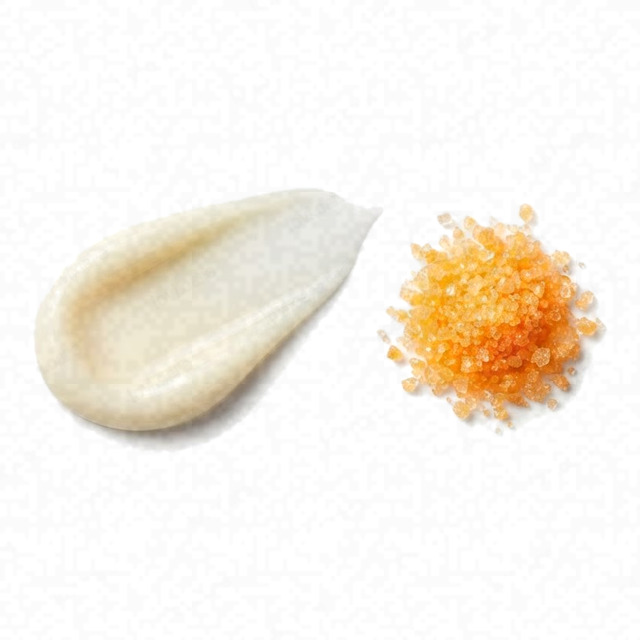 Tretinoin
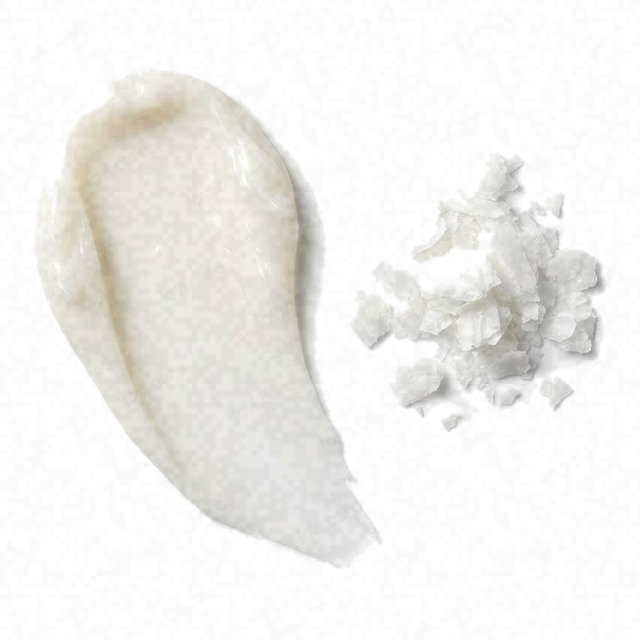 Stearic Acid
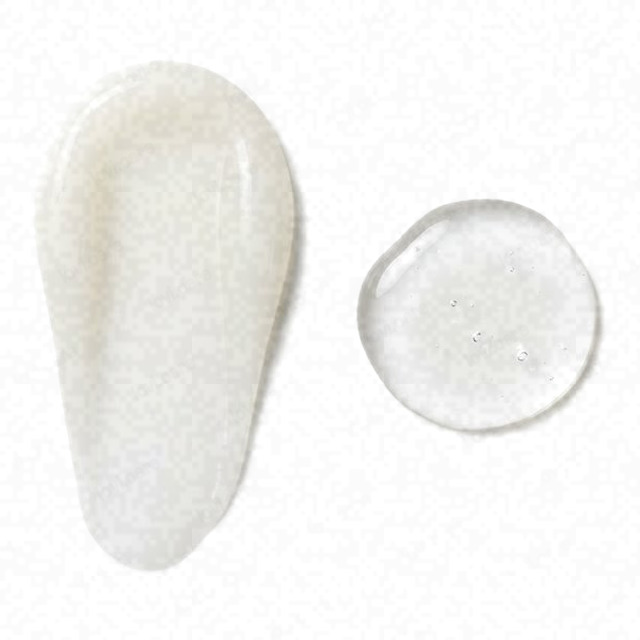 Isopropyl Myristate
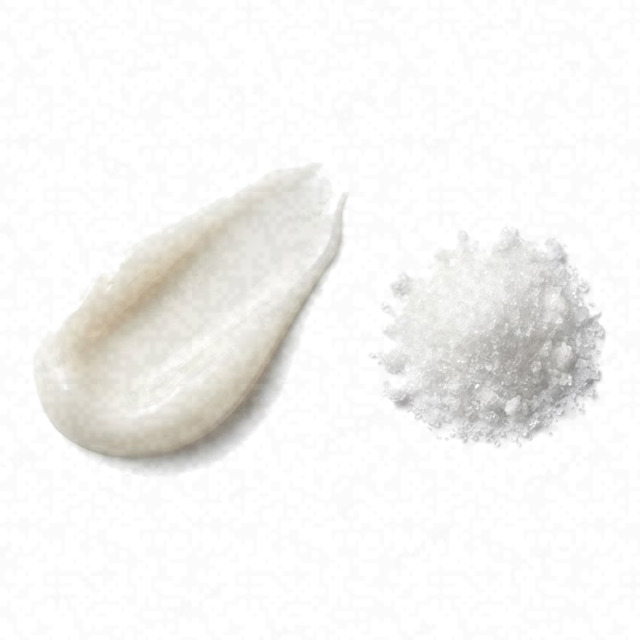 Butylated Hydroxytoluene
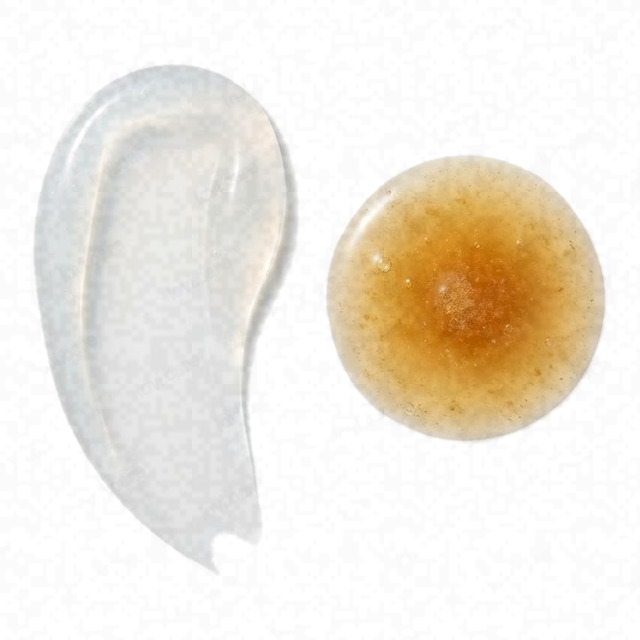 Xanthan Gum
High
- HighOily Skin Fit
- HighEffectiveness
- HighSafety
A great choice for oily skin; a few serums fit it even better.
This fit is calculated for the concerns frequently associated with oily skin: shine, enlarged pores, blackheads, and blemishes. For scores and recommendations based on your full skin profile, including your 12D face scan results and any goals or preferences you have, please use the Lovi app.
Page built Nov 8, 2026How the Fit score works
Lovi Assistant explains
- Highly suitable for your oily skin, tretinoin effectively targets acne and fine lines by promoting exfoliation and regulating sebum production to prevent pore clogging.
- The formulation is designed to normalize skin cell turnover, addressing oily shine and contributing to a smoother complexion.
- The product is safe for your skin, with no risks of irritation due to the absence of harsh ingredients.
How to apply
- Use this serum in your PM routine. Start by applying it 3 times a week and build up to daily use if your skin tolerates it well.
- Apply the serum after cleansing and toning, but right before your moisturizer for the best results.
- Gently press 2-3 drops of the serum into your skin. Let it absorb ⏱ for a minute before applying the next product.
- Apply the serum on clean and dry skin since your skin is not sensitive and you want to target oily shine. This helps control excess oil throughout the night.
- Avoid the delicate eye area and do a patch test before using the serum for the very first time.
People Say
★4.9Overall rating based on 100+ reviewsBased on limited data, users describe this cream as a transformative medical-grade treatment for acne and aging. It is frequently praised for delivering a smooth, clear, and youthful complexion. However, nearly all users report a challenging adjustment period with significant peeling, irritation, and dryness before visible results emerge.
Highlights
Transforms skin Mostly Mentioned
- “smooth as a baby”
- “porcelain-like finish”
- “softens rough patches”
Intense peeling Mostly Mentioned
- “shedding like a snake”
- “constant flaking”
- “embarrassing peeling”
Clears acne Often Mentioned
- “keeps pores cleared”
- “blemishes vanished”
- “stops breakouts”
Reduces aging Often Mentioned
- “diminished fine lines”
- “youthful glow”
- “firmer appearance”
Initial irritation Often Mentioned
- “redness and burning”
- “skin felt raw”
- “stinging sensation”
Severe dryness Often Mentioned
- “sucked moisture out”
- “extremely tight skin”
- “requires heavy moisturizer”
Fades hyperpigmentation Sometimes Noted
- “lightens dark spots”
- “evens skin tone”
- “reduced discoloration”
Purging phase Sometimes Noted
- “acne got worse”
- “horrible initial breakout”
- “brought cysts to surface”
Sources: lovi.care, apothecarienewyork.com, realself.com, drugs.com, reddit.com, and more
Questions and answers
What makes Obagi Tretinoin Cream 0.05% a great fit for oily skin?
Obagi Tretinoin Cream 0.05% is a great fit for oily skin because it regulates oil production to prevent clogged pores while smoothing the skin and targeting acne. It helps normalize skin cell turnover to reduce oily shine and is unlikely to cause irritation.
The New England Journal of Medicine, 1993Archives of Dermatological Research, 2022
Which ingredients make this cream a good fit for oily skin?
Tretinoin is the main ingredient that makes this cream a great fit for oily skin because it helps regulate oil production, prevents clogged pores, and targets acne. Isopropyl myristate also helps the formula absorb well while maintaining a smooth and safe experience for your skin.
Archives of Dermatological Research, 2022International Journal of Pharmaceutics, 2019
What does Tretinoin do for oily skin?
Tretinoin helps keep oily skin clear by reducing blemishes and clearing clogged pores. It speeds up skin renewal, which may reduce breakouts and leave your skin looking smoother over time.
Archives of Dermatological Research, 2022Clinical Therapeutics, 1992
What does Stearic Acid do for oily skin?
Stearic acid helps restore and protect the natural protective barrier of oily skin when it has been stripped or disrupted by harsh treatments. This ingredient works best alongside ceramides and cholesterol to rebuild the normal structure of your skin so it feels smooth and stays balanced.
Where does this cream go in a skincare routine for oily skin?
This treatment goes in the evening routine after cleansing and before moisturizing. Putting treatments in the evening helps with extra safety around sun exposure.
Can I use this cream with retinol, and in what order?
It is best to avoid using this cream in the same routine as retinol, as combining multiple strong vitamin A products may easily cause your skin to become red and irritated. Instead, alternate nights between them or use retinol on nights you do not apply this treatment to keep your skin calm and smooth.
Journal of Cosmetic Dermatology, 2024American Family Physician, 2012
How often should I use this cream?
Use this treatment in your evening routine, starting once a week and slowly increasing the frequency if your skin tolerates it well. Tretinoin helps manage oil and smooth the skin over time while keeping safety in mind around sun exposure.
The New England Journal of Medicine, 1993Archives of Dermatological Research, 2022
Can this cream clog pores, cause breakouts or purging for oily skin?
This cream helps prevent pore clogging on oily skin by regulating oil production and promoting the shedding of dead skin cells. However, it may cause a temporary purging phase with breakouts as your skin adjusts to faster cell turnover.
Is this cream fragrance-free and alcohol-free?
Yes, it has no fragrance and no drying alcohol. Stearyl alcohol is a fatty alcohol, which soften the skin.
What the research says
Topical tretinoin daily application for 10 to 12 months produced an 80 percent increase in collagen I formation in photodamaged human skin compared with a 14 percent decrease with vehicle alone.
The New England Journal of Medicine, 1993Tretinoin-loaded nano lipid carriers resulted in a significantly higher rate of decrease in acne lesions and greater reduction in porphyrin production compared to conventional tretinoin cream in patients with mild to moderate acne vulgaris.
Archives of Dermatological Research, 2022A galenic compound containing essential oils and tretinoin demonstrated anti-acne efficacy and anti-inflammatory activity, significantly reducing papular erythema and retinoid-induced rashes compared to clindamycin-tretinoin gel in sixty volunteers over 30 days.
Clinical, Cosmetic and Investigational Dermatology, 2020Repeated application of concentrated water-in-oil emulsions over four weeks caused no skin irritation, positively affected skin properties, and delivered almost 50% of the applied fluorescein sodium, with isopropyl myristate showing superior penetration performance compared to liquid paraffin in healthy volunteers.
International Journal of Pharmaceutics, 2019Butylated hydroxytoluene (BHT) is safe as used in cosmetic formulations at concentrations ranging from 0.0002% to 0.5% due to low dermal penetration and systemic exposure compared to oral administration.
International Journal of Toxicology, 2002Topical tretinoin improves clinical appearance of photoaging in terms of wrinkling, mottled hyperpigmentation, sallowness, and lentigines and is safe and well tolerated.
International Journal of Women's Dermatology, 2022Topical tretinoin precursors and tretinoin showed no significant difference in efficacy for moderate to severe facial photodamage in 20 patients, while tretinoin precursors caused erythema six times less frequently.
JAMA Dermatology, 2022Topical tretinoin significantly improved photoaging and caused histologic changes in the forearms and faces of treated patients compared to vehicle cream, with side effects limited to skin irritation.
JAMA, 1988Sodium dodecyl sulfate treatment disrupts the ordered intercellular lipid lamellar structure in hairless mouse stratum corneum, and immersion in a ceramide 3, cholesterol, and stearic acid mixture successfully reorganizes this ordered lamellar structure.
Biophysical Chemistry, 2001Increasing the softness of pressure-sensitive adhesives using isopropyl myristate decreased pain and stripped corneocytes during removal without significantly changing human skin dermal peeling force.
Skin Research and Technology, 2007A modern cold cream formulation using a self-emulsionable excipient with isopropyl myristate shows improved preparation ease, stability, rheological qualities, and moisture and emollient power compared to traditional cerates.
Bollettino Chimico Farmaceutico, 1996Biodegradable wound dressings functionalized with silver nanoparticles showed >99% pathogen growth inhibition, bactericidal effects, free radical scavenging, reduced inflammatory response in macrophages, and accelerated wound healing in animals.
International Journal of Biological Macromolecules, 2022A topical xanthan gum nanogel containing gamma-oryzanol-loaded nanostructured lipid carriers and nanosized TiO2 and MBBT filters demonstrated high photoprotection with an SPF of 34 and no skin irritation or sensitization in a rat model.
Pharmaceuticals, 2023Dense chitosan-xanthan membranes associated with multipotent mesenchymal stromal cells accelerated wound healing in Wistar rats compared to untreated conditions, demonstrating safety and feasibility for dermo-epidermal wound treatment.
Journal of Biomaterials Applications, 2015
Ingredients
Tretinoin, Stearic Acid, Isopropyl Myristate, Polyoxyl 40 Stearate, Stearyl Alcohol, Xanthan Gum, Sorbic Acid, Butylated Hydroxytoluene, Water
Behind this fit score
Lovi calculates every fit score from the full ingredient list with brand-independent rules our dermatologists and cosmetic chemists build and review, and personalizes every pick with AI trained on the real results of millions of users. Lovi trains its fit score models on a proprietary dataset built from more than 10,000 expert-labeled products and more than 100,000 simulated examples, following an internally consistent methodology presented at Cosmoprof, AMWC, and Skin of Color Update.
-

Co-founder, Medical Director
Cosmetic chemist, cosmetologist, aesthetic products developer
-

Co-founder, CEO and CTO
PhD in computer science, 3x US patent holder, ex-Google, ex-Yandex
-

Dr. Sofía Perea Pérez, MD, MSc
Medical Board
Aesthetic medicine practitioner, MSc in Longevity and Anti-Aging Medicine
-

Medical Board
Specialist dermatologist, MBBS, MD, IFAAD
-

Medical Board
Cosmetic chemist, SCS, IFSCC member
-

Medical Board, Medical Advisor
Dermatology MD
-

Elina Nazarenko, MD
Medical Board
Dermatology and diagnostic consultant
-

Victoria Derkova, MS
Medical Board
Cosmetic chemist, cosmetic development technologist


How does it fit your skin?
Scan your face, then any product: Lovi shows how well it fits you and what fits even better.