NATURIUM Glycolic Acid Resurfacing Gel 10% for acne-prone skin

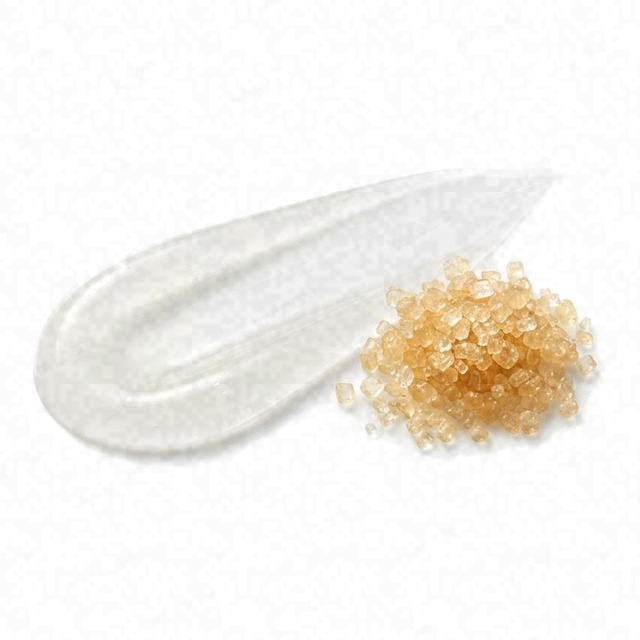 Glycolic Acid
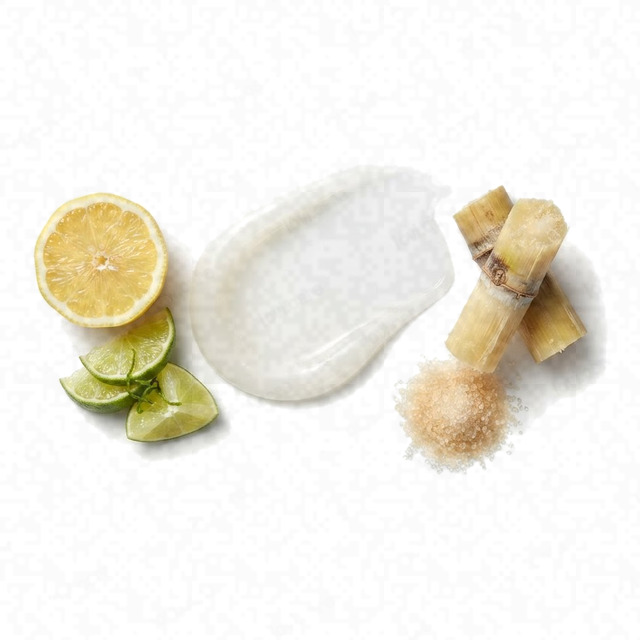 Fruit Acids
 Sodium Hyaluronate
 Glycerin
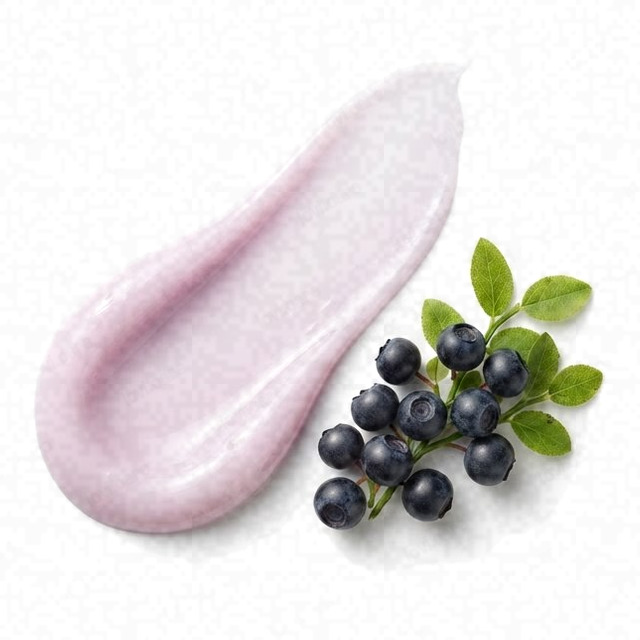 Vaccinium Myrtillus Leaf Extract Fruit
High
- HighCombination Skin Fit
- HighEffectiveness
- HighSafety
A great choice for acne-prone skin; a few products fit it even better.
This fit is calculated for the concerns frequently associated with acne-prone skin: breakouts, blackheads, and post-acne marks. For scores and recommendations based on your full skin profile, including your 12D face scan results and any goals or preferences you have, please use the Lovi app.
Page built Nov 8, 2026How the Fit score works
Lovi Assistant explains
- Offers excellent exfoliation for your combination skin due to glycolic acid and fruit extracts that promote skin resurfacing and target acne and blemishes.
- Glycerin and sodium hyaluronate provide essential hydration, balancing the exfoliating effects for comfortable wear.
- The formula is safe for your combination skin, with no harsh ingredients that could cause irritation.
How to apply
- Use this exfoliant PM once a week to start, and gradually increase if your combination skin tolerates it well. Always apply SPF the next morning to protect your clear skin.
- Apply the exfoliant after cleansing and toning, but right before your moisturizer step. This ensures the treatment targets blemishes effectively.
- Gently press 2-3 drops of the exfoliant into your skin without rubbing. Let it absorb for a minute before moving to the next step.
- Apply the exfoliant on clean, dry skin to help control breakouts safely. Since your skin is not sensitive, this dry application method ensures good product absorption.
- Avoid the sensitive eye area and do a patch test before your first use. Do not mix this exfoliant with other strong acids in the same routine.
People Say
★4.7Overall rating based on 200+ reviewsUsers consistently praise this gel for its ability to smooth uneven texture and brighten dull complexions without causing excessive dryness, often noting it works well for acne-prone and aging skin. While many find it gentle enough for regular use, the gel texture is frequently described as slightly tacky or sticky upon application, requiring a moment to settle before layering other products.
Highlights
Improves texture Mostly Mentioned
- “makeup goes on smoothly”
- “skin looked clearer and brighter”
- “softens skin significantly”
- “creates a smooth base”
Brightens complexion Often Mentioned
- “brighter complexion”
- “radiant looking results”
- “fresher brighter skin”
- “glowy finish”
Gentle, non-drying Sometimes Noted
- “non irritating”
- “creamy texture”
- “gentle enough for every day”
- “moisturizes as well”
Helps acne/pores Sometimes Noted
- “keeps skin clear”
- “helps with congestion”
- “pores look smaller”
Sticky finish Sometimes Noted
- “feel a little bit tacky”
- “leaves sort of a smooth film”
- “takes a few seconds to absorb”
- “slightly sticky residue”
Tingling sensation Rarely Noted
- “little tingle”
- “slight stinging sensation”
- “active sensation on application”
- “bit of a bite”
Too strong Rarely Noted
- “not a starter glycolic”
- “strong exfoliant”
- “careful with sensitive skin”
- “can be irritating if overused”
Sources: lovi.care, naturium.com, target.com, spacenk.com, influenster.com, ulta.com, and more
Questions and answers
What makes Naturium Glycolic Acid Resurfacing Gel 10% a great fit for acne-prone skin?
This product is a great fit for your acne-prone skin because it uses glycolic acid and fruit extracts to clear away dead skin and target blemishes, while glycerin and sodium hyaluronate add hydration to keep your skin feeling comfortable.
Clinical, Cosmetic and Investigational Dermatology, 2019Clinical, Cosmetic and Investigational Dermatology, 2017
Which ingredients make this exfoliant a good fit for acne-prone skin?
Glycolic acid and fruit extracts make this exfoliant a great fit for your acne-prone skin by offering deep exfoliation to target breakouts and blemishes. At the same time, glycerin and sodium hyaluronate bring in essential hydration to keep your skin comfortable and balanced.
Clinical, Cosmetic and Investigational Dermatology, 2019Clinical, Cosmetic and Investigational Dermatology, 2017
What does Glycolic Acid do for acne-prone skin?
Glycolic acid helps clear acne-prone skin by reducing pimples and breakouts. It also helps fade dark spots left behind by acne and controls skin oiliness, with very few side effects when used properly.
Journal of Cosmetic Dermatology, 2021Dermatologic Surgery, 2014
What do Fruit Acids do for acne-prone skin?
Fruit acids help clear breakouts and smooth acne-prone skin by gently removing dead skin cells and calming redness. Studies show they are generally safe and effective for this skin type, although sensitive or dry skin may need formulas that also include soothing, barrier-restoring ingredients.
Molecules, 2023Journal Der Deutschen Dermatologischen Gesellschaft = Journal of the German Society of Dermatology, 2012
Where does this exfoliant go in a skincare routine for acne-prone skin?
This exfoliant goes in your evening routine as a treatment step, used once a week to start. It helps smooth acne-prone skin by clearing away dead cells with glycolic acid and fruit extracts while glycerin and sodium hyaluronate keep it comfortable.
Can I use this exfoliant with retinol, and in what order?
You can use this exfoliant with retinol, but it is best to use them on separate nights or times to keep your skin calm and avoid irritation. Using both together in the same routine may be too strong for acne-prone skin, so alternate nights or apply the exfoliant in the morning and retinol at night.
How often should I use this exfoliant?
Start using this exfoliant once a week in your evening routine, and if your skin feels comfortable and you see good results, you may carefully use it more often. Glycolic acid and fruit extracts help target acne and blemishes while glycerin and sodium hyaluronate balance the exfoliating effects to keep your skin comfortable.
Can this exfoliant clog pores, cause breakouts or purging for acne-prone skin?
This exfoliant is a great fit for acne-prone skin because glycolic acid and fruit extracts target blemishes and promote skin resurfacing without harsh ingredients that cause irritation. It helps clear clogged pores and smooth the skin, though a mild tingling sensation may happen.
Clinical, Cosmetic and Investigational Dermatology, 2019Journal of Cosmetic Dermatology, 2019
Is this exfoliant fragrance-free and alcohol-free?
Yes, it has no fragrance and no drying alcohol.
What the research says
Glycolic acid, salicylic acid, gluconolactone, and licochalcone A combined with 0.1% adapalene showed no hindrance compared to adapalene monotherapy and provided benefits in reducing complications in 25 subjects with mild-to-moderate acne vulgaris.
Clinical, Cosmetic and Investigational Dermatology, 2019A combination of dermapen and glycolic acid peel significantly decreased acne scar grades and resulted in higher patient satisfaction compared to either monotherapy in 30 patients.
Journal of Cosmetic Dermatology, 2019A single application of a moisturizing fluid containing hyaluronic acid 1%, glycerin 5%, and Centella asiatica stem cells extract significantly increased skin hydration by 29% and reduced transepidermal water loss at 24 hours compared to baseline and an untreated control site in twenty healthy women.
Clinical, Cosmetic and Investigational Dermatology, 2017Topical application of 1-1.5% glycolic acid suppresses UVB-induced inflammation by modulating NF-κB signaling pathways in human keratinocytes and mouse dorsal skin.
Journal of Dermatological Science, 2017Repeated short-contact 70% glycolic acid peels provided superior results in atrophic acne scars compared to daily low-strength glycolic acid cream or placebo in 58 women over 24 weeks.
International Journal of Dermatology, 2000Serial glycolic acid peels combined with a modified Kligman formula significantly reduced facial PIH severity in Indian patients compared to the modified Kligman formula alone.
Dermatologic Surgery, 2017Topical application of 0.1% hyaluronic acid formulations of different molecular weights led to significant improvements in skin hydration and elasticity, with low-molecular-weight formulations also significantly reducing wrinkle depth in seventy-six female subjects compared to a vehicle control.
Journal of Drugs in Dermatology, 2011Topical application of hyaluronic acid in conjunction with free gingival graft significantly reduced donor site postoperative pain until day 7 compared to normal saline, with no significant differences in graft dimensions or patient satisfaction.
Clinical Oral Investigations, 2022Treatment with a hyaluronic acid-containing mouth rinse or topical gel led to significant lesion reduction, pain relief, and normalization of lesion color in adult patients with minor recurrent aphthous stomatitis, with the gel formulation showing an earlier healing onset at 3 days.
BMC Oral Health, 2019The emollient V0034CR significantly reduced TEWL compared to vehicle and vehicle plus glycerol, and significantly increased corneometry scores compared to vehicle and vehicle plus petrolatum in healthy volunteers with dry skin, demonstrating combined barrier function improvement from petrolatum and hydration improvement from glycerol.
Journal of Cosmetic Dermatology, 2020Ten days of treatment with a cream containing 20% glycerin significantly increased skin hydration measured by corneometer values in 17 healthy volunteers compared to a placebo cream, but showed no influence on transepidermal water loss or skin sensitivity to an irritating surfactant.
International Journal of Cosmetic Science, 2001Niacinamide/glycerin body moisturizers provided better rapid and prolonged improvement of cosmetic xerosis through functional improvement of stratum corneum barrier function compared to no treatment and conventional moisturizers in female subjects.
Journal of Drugs in Dermatology, 2012Fermented bilberry extract improved wrinkle depth, skin smoothness, roughness, firmness, elasticity, antioxidant capacity, and complexion evenness compared to a placebo in 66 subjects over 84 days.
Nutrients, 2024Topical application of oil-in-water creams containing wild bilberry leaves extract and seeds oil produced significant beneficial effects on the skin of healthy human volunteers.
Antioxidants, 2021Bilberry fruit extract incorporated into chitosan-based hydrogels demonstrated antioxidant, anti-hyaluronidase, and anti-tyrosinase activities, supporting their potential use in topical anti-aging preparations.
Antioxidants, 2024
Ingredients
Water, Glycolic Acid, Propanediol, Sodium Hydroxide, Glycerin, Polyacrylate Crosspolymer-11, Vaccinium Myrtillus Leaf Extract Fruit, Saccharum Officinarum Extract, Citrus Aurantium Dulcis Fruit Extract, Lemon Fruit Extract, Sugar Maple Extract, Microcitrus Australis Fruit Extract, Sodium Hyaluronate, Hydroxyacetophenone, Phenoxyethanol, Hydroxyethylcellulose, Tocopheryl Acetate, Ethylhexylglycerin, Disodium Edta, Tocopherol
Behind this fit score
Lovi calculates every fit score from the full ingredient list with brand-independent rules our dermatologists and cosmetic chemists build and review, and personalizes every pick with AI trained on the real results of millions of users. Lovi trains its fit score models on a proprietary dataset built from more than 10,000 expert-labeled products and more than 100,000 simulated examples, following an internally consistent methodology presented at Cosmoprof, AMWC, and Skin of Color Update.
-

Co-founder, Medical Director
Cosmetic chemist, cosmetologist, aesthetic products developer
-

Co-founder, CEO and CTO
PhD in computer science, 3x US patent holder, ex-Google, ex-Yandex
-

Dr. Sofía Perea Pérez, MD, MSc
Medical Board
Aesthetic medicine practitioner, MSc in Longevity and Anti-Aging Medicine
-

Medical Board
Specialist dermatologist, MBBS, MD, IFAAD
-

Medical Board
Cosmetic chemist, SCS, IFSCC member
-

Medical Board, Medical Advisor
Dermatology MD
-

Elina Nazarenko, MD
Medical Board
Dermatology and diagnostic consultant
-

Victoria Derkova, MS
Medical Board
Cosmetic chemist, cosmetic development technologist


How does it fit your skin?
Scan your face, then any product: Lovi shows how well it fits you and what fits even better.