
La Roche-Posay Anthelios UVMune 400

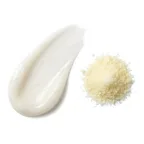 Bis-Ethylhexyloxyphenol Methoxyphenyl Triazine
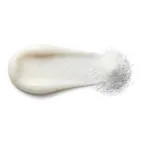 Ethylhexyl Triazone
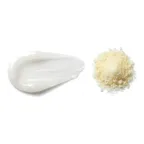 Butyl Methoxydibenzoylmethane
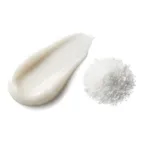 Diethylamino Hydroxybenzoyl Hexyl Benzoate
 Drometrizole Trisiloxane
Bis-ethylhexyloxyphenol methoxyphenyl triazine and ethylhexyl triazone provide superior sun protection without irritation and support pigmentation concerns, so it suits sensitive skin and skin with dark spots best. La Roche-Posay makes it for sensitive skin, and it rates Superior for sensitive skin. For skin that needs soothing, sunscreens with allantoin and centella get higher fit scores. Where to buy in Australia: Amazon.com.au, A$26.59.
Each fit is calculated for the concerns frequently associated with that skin type. For scores and recommendations based on your full skin profile, including your 12D face scan results and goals, use the Lovi app.
Updated How the Fit score works
Where it fits best and least
Best fit Superior
Sensitive Skin, Skin with Dark Spots
One of the best sunscreens for sensitive skin.
- Excellent compatibility with your normal skin and sensitive skin due to the high concentration of UV filters like bis-ethylhexyloxyphenol methoxyphenyl triazine and ethylhexyl triazone, which provide superior sun protection without irritation.
Lowest fit Average
Works for dry skin; other sunscreens fit it better.
- Offers high suitability for dry skin due to the presence of glycerin and caprylic capric triglyceride, which provide humectant and emollient actions respectively, though it lacks specialized ingredients for significant moisturization of dry or flaky skin.
Other skin types
Buy online

Prices checked 22 Nov 2026
The Lovi Fit is the same in every country; only the stores and prices differ, and the ones here are for Australia.
How to apply
- Apply this sunscreen during your AM routine every single day. Reapply every two hours if you are staying outdoors.
- Apply the sunscreen as the final step of your morning skincare routine after your moisturizer. Allow your moisturizer to absorb fully before putting it on.
- Squeeze a generous amount and pat it gently all over your face and neck. Avoid rubbing the product harshly into your skin.
- Avoid getting the product directly into your eyes and stop using it if any irritation occurs.
People Say
★4.5Overall rating based on 21.3k+ reviewsBased on a very large amount of data, this sunscreen is highly regarded for its ultra-lightweight, invisible finish, making it suitable for sensitive and combination skin without causing eye irritation. It offers excellent, non-greasy sun protection that layers well under makeup. Some users with acne-prone skin reported minor breakouts and found the watery consistency slightly messy to apply.
Highlights
Lightweight and non-greasy Mostly Mentioned
- “Super lightweight so is easily applied under makeup, and also isn't sticky.”
- “The fluid is lightweight, spreads quickly, and leaves no white marks or stickiness.”
- “It feels lightweight on the skin, doesn't leave a heavy or greasy feeling.”
- “It absorbs quickly and feels almost weightless which I loved.”
No white cast Mostly Mentioned
- “There is no white cast, it is exactly what it says 'Invisible'.”
- “It absorbs quickly, doesn't leave a white cast, and feels comfortable.”
- “Leaves no white cast and leaves your skin looking hydrated.”
- “When you spread it out evenly, its white appearance disappears, leaving no cast.”
Great under makeup Often Mentioned
- “Super lightweight so is easily applied under makeup.”
- “Makeup goes on smoothly, and my skin looks natural.”
- “Comfortable to wear every day under makeup or on its own.”
- “Makeup goes on top really easily. It is excellent.”
No eye stinging Often Mentioned
- “Doesn't sting my face, which can be an issue with some sunscreens.”
- “Doesn't irritate my sensitive skin or eyes.”
- “Doesn't sting eyes even if you apply it quite close.”
- “No transfer to my eyes/no stinging.”
Runny consistency Sometimes Noted
- “Consistency is terrible, way too watery.”
- “Too runny and sometimes when I open the bottle there's a little spillage.”
- “Lightweight consistency can be a little runny when applying.”
- “Due to its watery nature, it can be slightly messier compared to other sunscreens.”
Small bottle size Sometimes Noted
- “The only minor downside is that the bottle is quite small for the price.”
- “Light weight but expensive.”
- “Pretty good but now unaffordable.”
Caused breakouts Rarely Noted
- “Broke me out in a very insidious way.”
- “Caused fungal acne on my cheeks and forehead, clogged pores.”
- “Maybe its a little heavy for my skin type.”
Slightly shiny Rarely Noted
- “Finish is more natural than greasy, although it can look a little shiny.”
- “Quite sticky and oily after application, and stains fabric.”
- “Felt a bit greasy.”
Sources: lovi.care, cocooncenter.co.uk, frenchpharmacy.com, doctoranne.de, reddit.com, whowhatwear.com, and more
Questions and answers
What makes La Roche-Posay Anthelios UVMune 400 one of the best fits for sensitive skin?
La Roche-Posay Anthelios UVMune 400 is one of the best fits for sensitive skin because it uses a high concentration of UV filters that provide superior sun protection without causing irritation. Glycerin and tocopherol in the formula help calm redness by offering soothing hydration and antioxidant support. Additionally, the product is safe and unlikely to cause irritation because it lacks harsh ingredients.
Clinical, Cosmetic and Investigational Dermatology, 2017Journal of Cosmetic Dermatology, 2022
What makes La Roche-Posay Anthelios UVMune 400 a great fit for oily skin?
La Roche-Posay Anthelios UVMune 400 is a great fit for oily skin because it uses effective UV filters for protection while silica and perlite help manage oily shine. Triethyl citrate and diisopropyl sebacate further support oil control, and the formula has a safe profile with no risks of irritation.
What makes Anthelios UVMune 400 a great fit for combination skin?
La Roche-Posay Anthelios UVMune 400 is a great fit for your combination skin because it uses glycerin and propanediol to hydrate without feeling heavy, while silica and perlite absorb excess oil. It also provides reliable UV protection with ingredients like bis-ethylhexyloxyphenol methoxyphenyl triazine and ethylhexyl triazone to keep your skin safe and comfortable.
International Journal of Cosmetic Science, 2024Clinical, Cosmetic and Investigational Dermatology, 2017
How well does Anthelios UVMune 400 work for dry skin?
La Roche-Posay Anthelios UVMune 400 works moderately well for dry skin, providing dependable sun protection and basic hydration without causing irritation, though a sunscreen for dry skin works best when it includes specialized ingredients for deep moisturization to combat flakiness.
How well does La Roche-Posay Anthelios UVMune 400 work for dry sensitive skin?
La Roche-Posay Anthelios UVMune 400 works moderately well for dry sensitive skin, providing essential hydration with glycerin and caprylic capric triglyceride alongside excellent UV protection without irritation. However, because it lacks specialized ingredients to deeply address dryness or flakiness, a sunscreen of this type needs rich moisturizing agents and barrier-supporting ingredients to fully meet the needs of dry sensitive skin.
Is it fragrance-free and alcohol-free?
It has no fragrance and contains drying alcohol (alcohol denat).
What makes La Roche-Posay Anthelios UVMune 400 one of the best fits for skin with dark spots?
La Roche-Posay Anthelios UVMune 400 is one of the best fits for skin with dark spots because it provides excellent protection against UV rays with effective filters and includes glycerin and tocopherol to help with pigmentation. These ingredients offer great comfort without irritation, while antioxidants help improve skin color and dark spots.
Journal of Cosmetic Dermatology, 2020Journal of Drugs in Dermatology, 2014
What makes La Roche-Posay Anthelios UVMune 400 a great fit for acne-prone skin?
La Roche-Posay Anthelios UVMune 400 is a great fit because it offers strong sun protection with key filters while using silica and glycerin to help manage oil and keep skin balanced. The formula is safe for your skin, and it is unlikely to cause irritation since it lacks harsh or prohibited ingredients.
What makes La Roche-Posay Anthelios UVMune 400 a great fit for mature skin?
La Roche-Posay Anthelios UVMune 400 is a great fit because its strong UV filters effectively shield against sun damage, while tocopherol and glycerin help hydrate and smooth out fine lines and wrinkles. The formula also has a very safe profile that is unlikely to irritate mature skin.
Journal of Cosmetic Dermatology, 2020Journal of Drugs in Dermatology, 2014
What makes La Roche-Posay Anthelios UVMune 400 a great fit for oily acne-prone skin?
La Roche-Posay Anthelios UVMune 400 is a great fit because it helps manage oiliness and breakouts with ingredients that balance oil production while keeping skin comfortable. It also absorbs excess shine and provides gentle hydration without clogging pores, and its safe formula is unlikely to cause irritation.
The British Journal of Dermatology, 2007Clinical, Cosmetic and Investigational Dermatology, 2017
What the research says
Maximal topical applications of 6% bemotrizinol in a model sunscreen formulation did not result in meaningful systemic exposure in humans.
Regulatory Toxicology and Pharmacology, 2023Microencapsulation of ethylhexyl triazone in lipid microparticles significantly reduced its in vivo human stratum corneum penetration by 45.7% compared to the nonencapsulated sunscreen.
Skin Pharmacology and Physiology, 2019A topical sunscreen containing octyl triazone, phenylbenzimidazole sulfonic acid, and methylbenzylidene camphor prevented UVB-induced suppression of intercellular adhesion molecule-1 expression and mixed-lymphocyte reaction in epidermal cell cultures compared to control sunscreens with comparable SPF lacking octyl triazone.
Toxicology in Vitro, 1994Methoxy-monobenzoylmethane protects human skin against UV-induced damage by converting to avobenzone under UVB light irradiation and demonstrating antioxidant and radical scavenging properties in vitro and in cell assays.
Molecules, 2021Encapsulation of ethylhexyl methoxycinnamate and butyl methoxydibenzoylmethane in lipid microparticles significantly reduced their in vivo human skin penetration compared to nonencapsulated filters.
Skin Pharmacology and Physiology, 2011Microencapsulation of the BMDBM/HP-beta-CD complex in lipid microparticles significantly decreased the percutaneous penetration of the UV filter into the stratum corneum of human volunteers compared to the non-encapsulated sunscreen agent.
Journal of Pharmaceutical and Biomedical Analysis, 2011Oral and dermal administration of Uvinul A plus resulted in three major urinary metabolites accounting for 52% of the oral dose, with a very low estimated daily systemic exposure of 8.1-9.3 μg/d in volunteers not intentionally exposed.
International Journal of Hygiene and Environmental Health, 2020A single application of a moisturizing fluid containing hyaluronic acid 1%, glycerin 5%, and Centella asiatica stem cells extract significantly increased skin hydration by 29% and reduced transepidermal water loss at 24 hours compared to baseline and an untreated control site in twenty healthy women.
Clinical, Cosmetic and Investigational Dermatology, 2017The combination of anionic and nonionic surfactants with silica nanoparticles generally mitigates surfactant toxicity and can reduce skin irritation, although nanoparticles reduce biodegradation efficacy.
Toxics, 2025A topical antioxidant serum significantly reduced air pollution-induced skin pigmentation and proinflammatory gene expression ex vivo, and improved skin aging signs in 40 healthy adult females after 90 days of daily use.
Journal of Cosmetic Dermatology, 2022A topical serum containing vitamin C, vitamin E, and raspberry leaf cell culture extract improved skin color, elasticity, radiance, smoothness, scaliness, and wrinkles compared to the untreated contralateral side in fifty female volunteers.
Journal of Cosmetic Dermatology, 2020A nighttime topical antioxidant containing resveratrol, baicalin, and vitamin E significantly improved fine lines, wrinkles, firmness, elasticity, laxity, hyperpigmentation, radiance, roughness, and dermal thickness in subjects with mild to moderately photodamaged skin over 12 weeks.
Journal of Drugs in Dermatology, 2014A lotion containing triethyl citrate and ethyl linoleate reduced Leeds grading, total, inflammatory, and noninflammatory lesion counts, and sebum production compared with a placebo in patients with mild to moderate acne.
The British Journal of Dermatology, 2007A combined chemo-exfoliation and home therapy regimen reduced the average GAGS score by 49% in 53 patients with moderate facial acne.
Dermatologic Surgery, 2013Topical application of an emollient emulsion containing 15.0% caprylic/capric triglyceride doubled the amount of urocanic acid isomers and increased skin hydration with reduced transepidermal water loss in healthy subjects, though it did not prevent ultraviolet-induced urocanic acid isomerization.
Life, 2023Topical application of 1,3-propanediol at various concentrations, alone or combined with butylene glycol and/or glycerol, increased skin hydration and reduced trans epidermal water loss in 30 healthy female subjects over an 8-hour period, with the 15% concentration and the addition of glycerol providing greater benefits.
International Journal of Cosmetic Science, 2024Parsol 1789 and Eusolex 8020 provided slightly better photoprotection than oxybenzone in both normal and sensitized human skin when assessed using pigmentation end points, whereas all three sunscreens performed similarly against UVA-induced erythema.
Journal of the American Academy of Dermatology, 1987
Ingredients
Water, Alcohol Denat, Triethyl Citrate, Diisopropyl Sebacate, Silica, Ethylhexyl Salicylate, Bis-Ethylhexyloxyphenol Methoxyphenyl Triazine, Ethylhexyl Triazone, Butyl Methoxydibenzoylmethane, Glycerin, Propanediol, C12-22 Alkyl Acrylate Hydroxyethylacrylate Copolymer, Sodium Citrate, Methoxypropylamino Cyclohexenylidene Ethoxyethylcyanoacetate, Perlite, Tocopherol, Caprylic Capric Triglyceride, Acrylates C10-30 Alkyl Acrylate Crosspolymer, Caprylyl Glycol, Citric Acid, Diethylamino Hydroxybenzoyl Hexyl Benzoate, Drometrizole Trisiloxane, Hydroxyethylcellulose, Terephthalylidene Dicamphor Sulfonic Acid, Triethanolamine, Trisodium Ethylenediamine Disuccinate
Behind these fit scores
Lovi calculates every fit score from the full ingredient list with brand-independent rules our dermatologists and cosmetic chemists build and review, and personalizes every pick with AI trained on the real results of millions of users. Lovi trains its fit score models on a proprietary dataset built from more than 10,000 expert-labeled products and more than 100,000 simulated examples, following an internally consistent methodology presented at Cosmoprof, AMWC, and Skin of Color Update.
-

Co-founder, Medical Director
Cosmetic chemist, cosmetologist, aesthetic products developer
-

Co-founder, CEO and CTO
PhD in computer science, 3x US patent holder, ex-Google, ex-Yandex
-

Dr. Sofía Perea Pérez, MD, MSc
Medical Board
Aesthetic medicine practitioner, MSc in Longevity and Anti-Aging Medicine
-

Medical Board
Specialist dermatologist, MBBS, MD, IFAAD
-

Medical Board
Cosmetic chemist, SCS, IFSCC member
-

Medical Board, Medical Advisor
Dermatology MD
-

Elina Nazarenko, MD
Medical Board
Dermatology and diagnostic consultant
-

Victoria Derkova, MS
Medical Board
Cosmetic chemist, cosmetic development technologist


How does it fit your skin?
Scan your face, then any product: Lovi shows how well it fits you and what fits even better.