Jack Black Oil-Free Sun Guard SPF 45 for oily skin

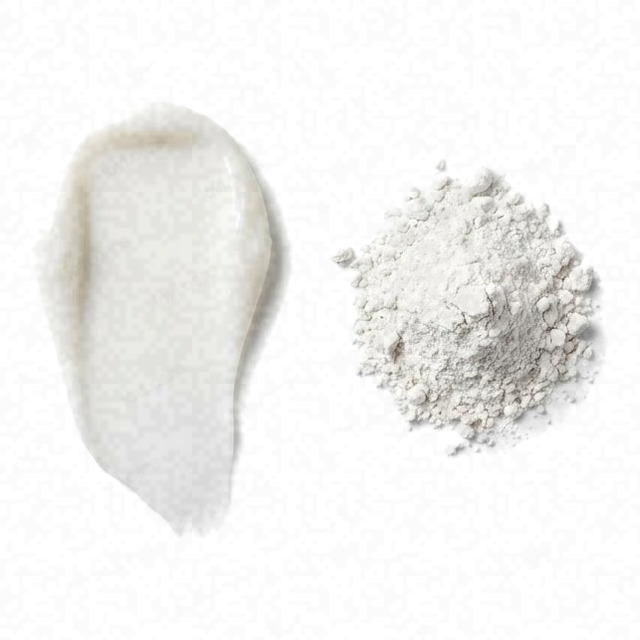 Zinc Oxide
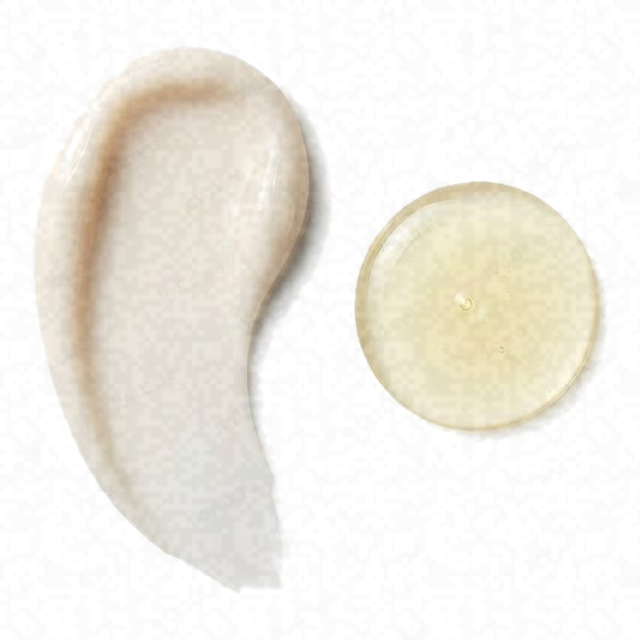 Octinoxate
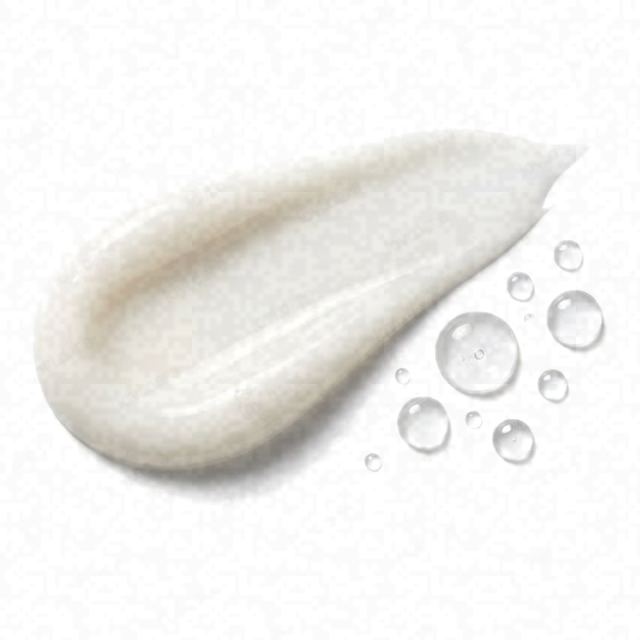 Octisalate
 Ascorbyl Palmitate Ascorbic Acid
 Calendula Officinalis Flower Extract
High
- HighOily Skin Fit
- HighEffectiveness
- ExcellentSafety
A great choice for oily skin; a few sunscreens fit it even better.
This fit is calculated for the concerns frequently associated with oily skin: shine, enlarged pores, blackheads, and blemishes. For scores and recommendations based on your full skin profile, including your 12D face scan results and any goals or preferences you have, please use the Lovi app.
Page built Nov 8, 2026How the Fit score works
Lovi Assistant explains
- Highly suitable for your oily skin, this product utilizes zinc oxide for effective oil absorption and soothing, complemented by calendula officinalis flower extract to calm inflammation.
- The formula offers excellent UV protection with high concentrations of zinc oxide and octinoxate, addressing your concern for oily shine.
- This product is safe for your skin, as it contains no harsh ingredients and includes soothing agents like calendula officinalis flower extract.
How to apply
- Apply this sunscreen during your AM routine every single day. Reapply every two hours if you are staying outdoors.
- Apply the sunscreen as the final step of your morning skincare routine after your moisturizer. Allow your moisturizer to absorb fully before putting it on.
- Squeeze a generous amount and pat it gently all over your face and neck. Avoid rubbing the product harshly into your skin.
- Apply the sunscreen directly onto dry skin to ensure it forms an even and protective layer against the sun.
- Avoid getting the product directly into your eyes and stop using it if any irritation occurs.
People Say
★4.8Overall rating based on 200+ reviewsThis sunscreen is highly praised for its excellent sun protection, especially during physical activity, and is well-suited for oily, acne-prone, and sensitive skin. Many users appreciate its non-greasy, matte finish and water resistance. A moderate number of users with darker skin tones report a white cast, and a low number find the texture thick or experience greasiness and eye irritation.
Highlights
Excellent protection Mostly Mentioned
- “work on an island in the bahamas”
- “skin cancer survivor”
- “intense sun protection”
Non-greasy finish Often Mentioned
- “matte effect that I love”
- “not greasy at all”
- “absorbs quickly”
Water resistant Often Mentioned
- “last for hours in water”
- “doesn't run into eyes”
- “sweat resistant”
Sensitive skin friendly Sometimes Noted
- “no breakouts”
- “doesn't clog pores”
- “non-irritating to sensitive skin”
Works under makeup Sometimes Noted
- “works well under makeup”
- “layers well”
- “no pilling”
White cast Sometimes Noted
- “leaves skin white”
- “very chalky”
- “white cast on darker skin”
Eye irritation Rarely Noted
- “stung more than any other”
- “run into eyes”
- “eye stinging”
Greasy finish Rarely Noted
- “makes face greasy”
- “face was shiny”
- “too radiant”
Small bottle Rarely Noted
- “bottle doesn't last long”
- “wish it came in larger volume”
- “small tube”
Thick consistency Rarely Noted
- “hard to blend”
- “thick texture”
- “requires elbow grease”
Sources: lovi.care, getjackblack.com, lovelyskin.com, influenster.com, nordstrom.com, youtube.com, and more
Questions and answers
What makes Jack Black Oil-Free Sun Guard SPF 45 a great fit for oily skin?
This product is a great fit because it uses zinc oxide to absorb oil and soothe the skin, while calendula officinalis flower extract helps calm inflammation and reduce oily shine. The formula provides strong UV protection safely without harsh ingredients.
Which ingredients make this cream a good fit for oily skin?
This cream is a great fit for oily skin because it uses zinc oxide to absorb excess oil and calendula officinalis flower extract to calm inflammation. These ingredients help control greasy shine while keeping your skin calm and protected without harsh additives.
What does Zinc Oxide do for oily skin?
Zinc oxide helps calm oily and breakout-prone skin by reducing redness and targeting bacteria that cause blemishes. It is unlikely to cause irritation and may help balance skin oil production.
What does Octinoxate do for oily skin?
Octinoxate protects oily skin from sun damage without disrupting normal skin bacteria or clogging pores. Liposomal versions of this ingredient stay on the outer surface of the skin longer to improve sun protection while reducing deep skin absorption.
Archives of Dermatological Research, 2024International Journal of Nanomedicine, 2013
Where does this cream go in a skincare routine for oily skin?
This cream goes last in your morning routine, right after your moisturizer. It protects your skin from the sun while helping keep oily shine under control.
Can I use this cream with retinol, and in what order?
You can use this sunscreen in the morning as the final step of your daytime routine, while applying retinol in the evening. This product helps protect your oily skin from UV rays and manages shine without clogging pores, though you should always follow your evening retinol with a nourishing moisturizer.
How often should I use this cream?
You can use this sunscreen every morning as the final step of your daytime routine. It helps protect your skin from UV rays while keeping oily shine under control.
Can this cream clog pores, cause breakouts or purging for oily skin?
This cream is unlikely to clog pores or cause breakouts for oily skin, as it contains zinc oxide to help absorb excess oil and soothe the skin without harsh ingredients. It does not contain active ingredients that cause purging.
Is this cream fragrance-free and alcohol-free?
Yes, it has no fragrance and no drying alcohol.
What the research says
Biomimetic hyaluronic acid-stabilized zinc oxide nanoparticles selectively inhibited C. acnes, outperformed erythromycin in preclinical acne models, and safely reduced acne lesions and redness in a clinical trial.
Journal of Controlled Release, 2025Multilamellar liposomes containing octyl methoxycinnamate increased stratum corneum accumulation and reduced deeper skin penetration compared to conventional emulsions and small unilamellar liposomes in six volunteers, resulting in a slightly better sun protection factor.
Journal of Cosmetic Science, 2008Topical 0.5% hyaluronic-ZnO nanogel applied twice daily reduced inflammatory-lesion counts by 58% at week four in human subjects compared to baseline without causing erythema.
Biomedicines, 2025Nels cream achieved a similar reduction in inflammatory and noninflammatory lesion counts compared to 5% benzoyl peroxide in acne vulgaris patients, but caused significantly fewer side-effects such as peeling and dryness.
Clinical and Experimental Dermatology, 2000Topically applied coated and uncoated zinc oxide nanoparticles under flexing and massage are retained in the stratum corneum with no significant penetration into the viable epidermis and no cellular toxicity in human skin.
Nanomedicine, 2016Replacing 20% of the chemical UV filter octyl methoxycinnamate with urucum oil in solid lipid nanoparticles maintained the skin protection factor without inducing toxic responses or significant skin penetration in human volunteers.
Skin Pharmacology and Physiology, 2018Liposomal encapsulation of octyl methoxycinnamate increases its safety, skin affinity, and in vivo solar photoprotection factor while slowing its release and enhancing retention in the stratum corneum compared to a conventional formulation.
International Journal of Nanomedicine, 2013Encapsulation of ethylhexyl methoxycinnamate and butyl methoxydibenzoylmethane in lipid microparticles significantly reduced their in vivo human skin penetration compared to nonencapsulated filters.
Skin Pharmacology and Physiology, 2011Simulated real-life dermal sunscreen exposure in twenty human volunteers leads to the systemic bioavailability and urinary excretion of the UV filter 2-ethylhexyl salicylate and its metabolite, reaching concentration peaks at 7 to 8 hours with 70-80% of overall excretion within 24 hours.
Archives of Toxicology, 2019The application of a sunscreen formulation containing ethylhexyl methoxycinnamate, ethylhexyl salicylate, methyl anthranilate, and octocrylene does not significantly affect critical acne-related species such as Cutibacterium acnes and Staphylococcus epidermidis, refuting the induction of facial dysbiosis in men.
Archives of Dermatological Research, 2024Controlled single dermal exposure to an EHS-containing sunscreen in three volunteers resulted in delayed systemic resorption with elimination half-lives between 6.6 and 9.7 hours, where the parent compound EHS occurred as the dominant urinary parameter.
Archives of Toxicology, 2024Topical application of 5% vitamin C cream significantly improved global clinical scores, increased skin microrelief density, and induced elastic tissue repair in photoaged skin compared to excipient control in healthy female volunteers.
Experimental Dermatology, 2003Ascorbic acid 2-glucoside gel significantly reduced gingival melanin pigmentation after 4 weeks compared to placebo in 73 subjects with symmetric pigmentation.
Journal of Periodontology, 2009Topical application of VC-IP cream twice daily for 8 weeks reduces periorbital wrinkles in female subjects compared to a placebo cream.
Journal of Cosmetic Dermatology, 2022Topical application of Calendula officinalis extract cream significantly improved skin hydration and firmness (reflected in significant changes in R0 and R6 parameters) in 21 healthy human volunteers compared to a base cream.
Acta Poloniae Pharmaceutica, 2011Treatment with standardized extract of Calendula officinalis L. led to a shorter epithelization time and faster healing speed compared to mineral oil in patients with acute skin loss wounds of the hand and fingers healing by secondary intention.
Tissue Barriers, 2022Topical administration of Calendula provides weak evidence of effectiveness in acute and chronic wounds compared to standard treatments based on a narrative review of available trials.
Wounds, 2008
Ingredients
Zinc Oxide, Octinoxate, Octisalate, Water, Cyclopentasiloxane, Ethylhexyl Isononanoate, Butylene Glycol, Lauryl Peg-9 Polydimethylsiloxyethyl Dimethicone, Calendula Officinalis Flower Extract, Peucedanum Ostruthium Leaf Extract, Buddleja Davidii Leaf Extract, Artemisia Umbelliformis Extract, Leontopodium Alpinum Extract, Dimethicone, Dimethicone Peg-10 15 Crosspolymer, Dimethicone Vinyl Dimethicone Crosspolymer, Phenoxyethanol, Sodium Chloride, Triethoxycaprylylsilane, Iodopropynyl Butylcarbamate, Ascorbyl Palmitate, Retinyl Palmitate
Behind this fit score
Lovi calculates every fit score from the full ingredient list with brand-independent rules our dermatologists and cosmetic chemists build and review, and personalizes every pick with AI trained on the real results of millions of users. Lovi trains its fit score models on a proprietary dataset built from more than 10,000 expert-labeled products and more than 100,000 simulated examples, following an internally consistent methodology presented at Cosmoprof, AMWC, and Skin of Color Update.
-

Co-founder, Medical Director
Cosmetic chemist, cosmetologist, aesthetic products developer
-

Co-founder, CEO and CTO
PhD in computer science, 3x US patent holder, ex-Google, ex-Yandex
-

Dr. Sofía Perea Pérez, MD, MSc
Medical Board
Aesthetic medicine practitioner, MSc in Longevity and Anti-Aging Medicine
-

Medical Board
Specialist dermatologist, MBBS, MD, IFAAD
-

Medical Board
Cosmetic chemist, SCS, IFSCC member
-

Medical Board, Medical Advisor
Dermatology MD
-

Elina Nazarenko, MD
Medical Board
Dermatology and diagnostic consultant
-

Victoria Derkova, MS
Medical Board
Cosmetic chemist, cosmetic development technologist


How does it fit your skin?
Scan your face, then any product: Lovi shows how well it fits you and what fits even better.