Eucerin Sun Gel-crema Oil Control FPS 50+ for acne-prone skin

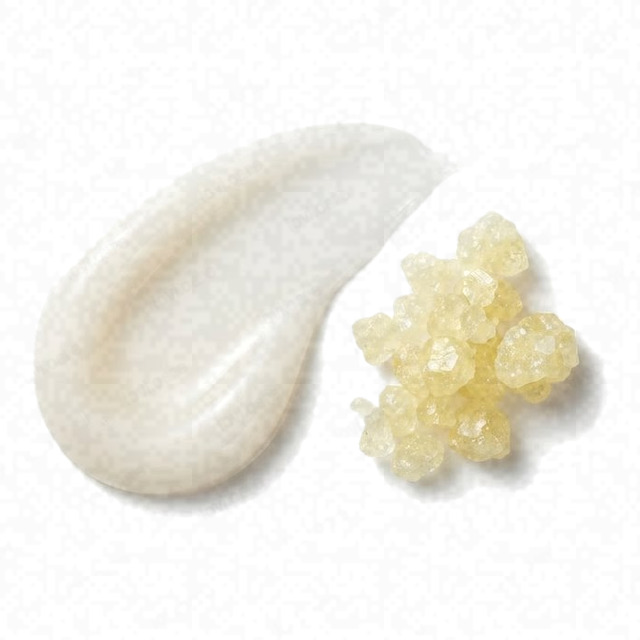 Homosalate
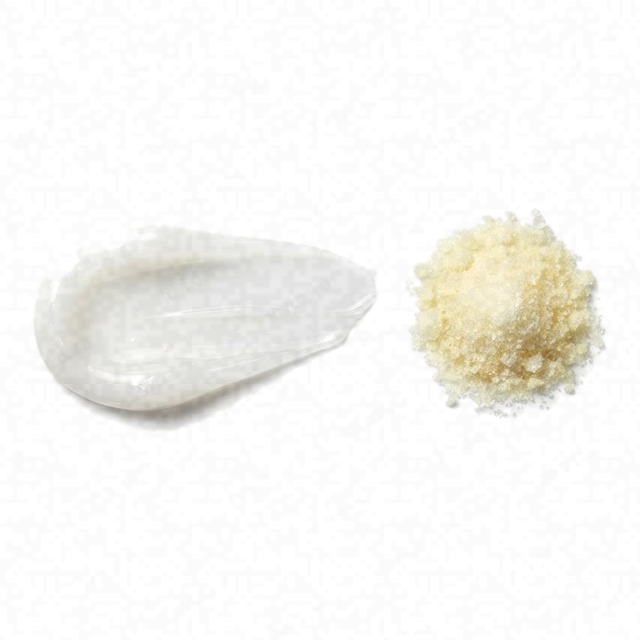 Butyl Methoxydibenzoylmethane
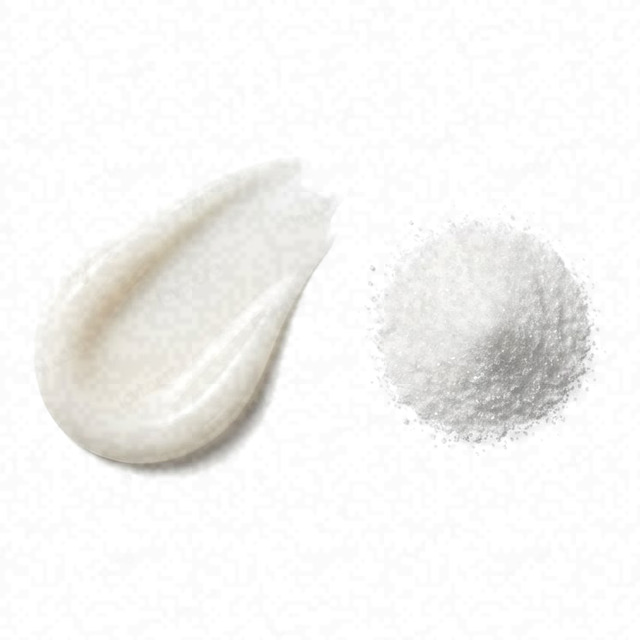 Phenylbenzimidazole Sulfonic Acid
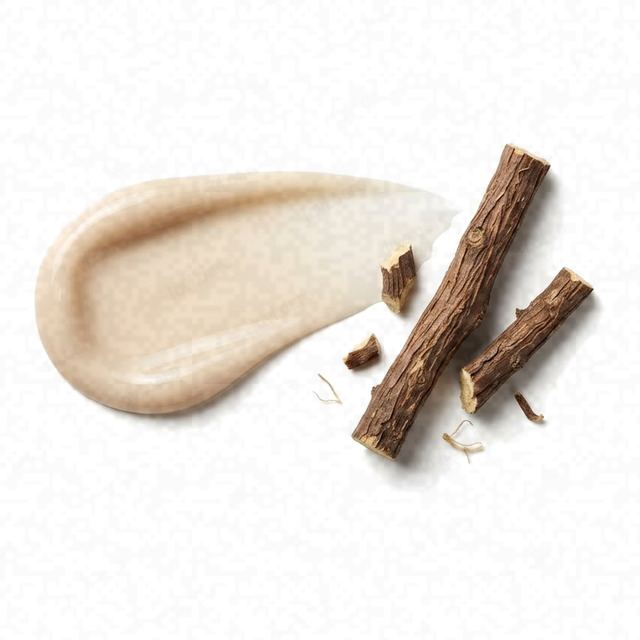 Glycyrrhiza Inflata Root Extract
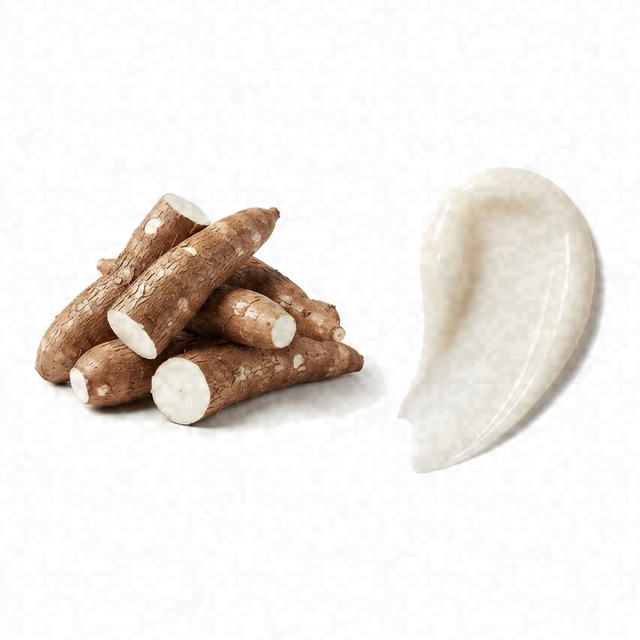 Tapioca Starch
High
- HighCombination Skin Fit
- HighEffectiveness
- ExcellentSafety
A great choice for acne-prone skin; a few sunscreens fit it even better.
- BioMed Research International, 2020
- Journal of the European Academy of Dermatology and Venereology, 2013
This fit is calculated for the concerns frequently associated with acne-prone skin: breakouts, blackheads, and post-acne marks. For scores and recommendations based on your full skin profile, including your 12D face scan results and any goals or preferences you have, please use the Lovi app.
Page built Nov 8, 2026How the Fit score works
Lovi Assistant explains
- Offers high suitability for your combination skin, as Alcohol Denat and Menthoxypropanediol provide astringent and cooling effects, while Glycyrrhiza Inflata Root Extract and Carnitine help regulate sebum and reduce inflammation for your acne concerns.
- The sunscreen effect is excellent due to the moderate concentrations of homosalate, butyl methoxydibenzoylmethane, and ethylhexyl salicylate, offering robust UV protection.
- The safety profile is excellent, with no risks of irritation for your combination skin due to the absence of harsh ingredients and the presence of soothing components like Glycyrrhiza Inflata Root Extract.
How to apply
- Apply this sunscreen every morning as the final step of your skincare routine. Reapply every two hours if you are outdoors for best protection against breakouts.
- Apply the sunscreen after your moisturizer and before applying any makeup. Let it absorb completely ⏱ before going outside.
- Take a nickel-sized amount and gently pat it evenly across your face and neck. Avoid rubbing aggressively to keep your combination skin calm.
- Apply the sunscreen on clean, dry skin to ensure an even protective layer. This helps manage excess shine without clogging your pores.
- Avoid the immediate eye area and do a quick patch test before first use. Stop using it if you notice any irritation and consult a specialist.
People Say
★4.6Overall rating based on 300+ reviewsThis sunscreen is highly recommended for individuals with oily and acne-prone skin, offering robust sun protection without causing breakouts or clogged pores. Most users appreciate the long-lasting matte finish that controls shine, though a moderate number report occasional pilling when layered with other products.
Highlights
Lightweight texture Mostly Mentioned
- “absorbs immediately”
- “feels like nothing on”
- “super light texture”
- “doesn't feel heavy”
No white cast Mostly Mentioned
- “completely transparent”
- “zero white cast”
- “clear on dark skin”
- “invisible finish”
Matte finish Often Mentioned
- “keeps me matte for hours”
- “no greasy residue”
- “perfect dry touch”
- “controls my oil”
Non-comedogenic Often Mentioned
- “didn't clog pores”
- “safe for acne skin”
- “no new pimples”
- “great for sensitive skin”
Alcohol scent Sometimes Noted
- “smells strongly of alcohol”
- “chemical scent at first”
- “strong perfume initially”
- “scent is overpowering”
Pilling with makeup Sometimes Noted
- “balls up under foundation”
- “pills if I touch my face”
- “flakes off later”
- “rolls into little bits”
Eye stinging Rarely Noted
- “stings my eyes badly”
- “makes eyes water”
- “burns if it migrates”
- “irritating to eyes”
Not moisturizing Rarely Noted
- “felt too dry”
- “clings to dry patches”
- “skin felt tight”
- “not for dry areas”
Sources: lovi.care, cocooncenter.co.uk, walmart.com, pickyskincare.com, notino.ie, skinsort.com, and more
Questions and answers
What makes Eucerin Sun Gel-crema Oil Control FPS 50+ a great fit for acne-prone skin?
This sunscreen is a great fit because ingredients like Glycyrrhiza Inflata Root Extract and Carnitine help calm your skin and control oil. It also provides very strong UV protection while keeping a very gentle safety profile that is unlikely to cause irritation.
BioMed Research International, 2020Journal of the European Academy of Dermatology and Venereology, 2013
Which ingredients make this sunscreen a good fit for acne-prone skin?
Glycyrrhiza Inflata Root Extract and Carnitine make this sunscreen a great fit for acne-prone skin because they help regulate sebum and reduce inflammation. Alcohol Denat and Menthoxypropanediol also support this skin type by providing astringent and cooling effects.
BioMed Research International, 2020Journal of the European Academy of Dermatology and Venereology, 2013
What does Homosalate do for acne-prone skin?
Homosalate helps protect acne-prone skin from sun damage by absorbing UV rays without clogging pores. Because chemical sunscreens of this type are unlikely to cause irritation, they are generally gentle on sensitive or breakout-prone skin.
What does Avobenzone do for acne-prone skin?
Avobenzone helps protect acne-prone skin from harmful ultraviolet rays that can worsen dark spots left by breakouts. However, sunscreens with this ingredient may feel heavy on oily skin, so acne-prone skin needs lightweight, oil-free formulas that block UV rays without clogging pores.
Where does this sunscreen go in a skincare routine for acne-prone skin?
This sunscreen is applied in the morning as the final step of your skincare routine, right after your moisturizer. It is unlikely to cause irritation and helps protect your skin while keeping oil and shine under control.
BioMed Research International, 2020Journal of the European Academy of Dermatology and Venereology, 2013
Can I use this sunscreen with retinol, and in what order?
You can use this sunscreen every morning as the final step of your routine after applying your moisturizer. It is unlikely to irritate your skin or interfere with your retinol treatment.
How often should I use this sunscreen?
You can use this sunscreen every morning as the final step in your daytime routine to protect your skin. It is lightweight and helps control oil and calm your acne-prone skin without causing irritation.
BioMed Research International, 2020Journal of the European Academy of Dermatology and Venereology, 2013
Can this sunscreen clog pores, cause breakouts or purging for acne-prone skin?
This sunscreen is a great fit and is unlikely to clog pores or cause breakouts on acne-prone skin. Its ingredients help regulate oil and soothe the skin without causing irritation.
BioMed Research International, 2020Journal of the European Academy of Dermatology and Venereology, 2013
Is this sunscreen fragrance-free and alcohol-free?
It has no fragrance and contains drying alcohol (alcohol denat).
What the research says
A moisturizer containing licochalcone A, 1,2-decanediol, L-carnitine, and salicylic acid significantly reduced noninflammatory, inflammatory, and total acne lesion counts compared to a vehicle control in Thai patients during a 12-week maintenance phase.
BioMed Research International, 2020Application of a skin care formulation containing licochalcone A, l-carnitine and 1,2-decanediol twice daily for 8 weeks reduced total lesion count, papules, pustules, P. acnes colonization, and sebum levels while improving life quality in volunteers with mild to moderately severe acne compared to a vehicle control.
Journal of the European Academy of Dermatology and Venereology, 2013The concomitant usage of adapalene gel and a moisturizer containing licochalcone A, l-carnitine and 1,2-decanediol reduced undesirable skin irritations and lowered inflammatory and total lesions compared to adapalene alone or with placebo in Asian subjects with mild to moderate severe acne.
The Journal of Dermatological Treatment, 2016Parsol 1789 and Eusolex 8020 provided slightly better photoprotection than oxybenzone in both normal and sensitized human skin when assessed using pigmentation end points, whereas all three sunscreens performed similarly against UVA-induced erythema.
Journal of the American Academy of Dermatology, 1987The topical application of a combination of the TRPV1 antagonist 4-t-butylcyclohexanol and the anti-inflammatory licochalcone A provided an effective treatment for sensitive skin, resulting in immediate relief from symptoms such as erythema, stinging, and burning.
Journal of the European Academy of Dermatology and Venereology, 2016Dermal application of a sunscreen containing 10% homosalate in four volunteers resulted in delayed elimination with terminal half-times around 24 h and a bioavailability of cis-homosalate a factor of 2 lower than trans-homosalate, while metabolite ratios supported using oral-route urinary excretion fractions for dermal exposure assessments.
Archives of Toxicology, 2024Chemical sunscreens containing avobenzone, octocrylene, homosalate, and octisalate showed no to minimal risks of dermal irritation, sensitization, photo-allergy, and photo-irritation in human subjects.
Journal of Drugs in Dermatology, 2025Homosalate exhibited the highest permeation among tested filters with a relative permeability rate of 4.2% and a depth of 60 um, and specific thickeners and emulsifiers successfully reduced its permeation without inhibiting the skin permeation of niacinamide.
Photodermatology, Photoimmunology & Photomedicine, 2026Encapsulation of ethylhexyl methoxycinnamate and butyl methoxydibenzoylmethane in lipid microparticles significantly reduced their in vivo human skin penetration compared to nonencapsulated filters.
Skin Pharmacology and Physiology, 2011Microencapsulation of the BMDBM/HP-beta-CD complex in lipid microparticles significantly decreased the percutaneous penetration of the UV filter into the stratum corneum of human volunteers compared to the non-encapsulated sunscreen agent.
Journal of Pharmaceutical and Biomedical Analysis, 2011Following human skin application of an O/W emulsion containing 2% BMDBM loaded in lipospheres, 15% of the sunscreen accumulated in the uppermost layers of the stratum corneum without remarkably modifying skin permeation compared to unencapsulated sunscreen.
Skin Pharmacology and Physiology, 2008A topical sunscreen containing octyl triazone, phenylbenzimidazole sulfonic acid, and methylbenzylidene camphor prevented UVB-induced suppression of intercellular adhesion molecule-1 expression and mixed-lymphocyte reaction in epidermal cell cultures compared to control sunscreens with comparable SPF lacking octyl triazone.
Toxicology in Vitro, 1994Combining 755 nm alexandrite laser with topical licorice gel significantly reduces terminal hair counts compared to alexandrite laser with placebo in women with idiopathic hirsutism.
Evidence-based Complementary and Alternative Medicine, 2015Licochalcone A activated Nrf2 signaling, elevated cytoprotective enzymes, increased the reduced-to-oxidized glutathione ratio, and decreased reactive oxygen species in human fibroblasts and neutrophils, while a LicA-rich licorice extract lowered UVA-induced oxidative processes in vivo.
Experimental Dermatology, 2015Bioactive glycyrrhizic acid and oxymatrine ionic liquid self-assembled nanomicelles significantly promoted the transdermal permeation, subcutaneous retention, and anti-photoaging efficacy of palmitoyl pentapeptide-4 in cellular and animal models compared to unformulated peptide.
Advanced Science, 2025
Ingredients
Water, Homosalate, Polymethylsilsesquioxane, Butyl Methoxydibenzoylmethane, Ethylhexyl Salicylate, Octocrylene, Alcohol Denat, Tapioca Starch, Phenylbenzimidazole Sulfonic Acid, Cyclomethicone, Behenyl Alcohol, Cetearyl Alcohol, Menthoxypropanediol, Silica Dimethyl Silylate, Glycerin, Carnitine, Acid Gliciretinic, Glycyrrhiza Inflata Root Extract, Sodium Stearoyl Glutamate, Acrylates-C10-30-Alkyl-Acrylate-Crosspolymer, Carbomer, Xanthan Gum, Sodium Hydroxide, Sodium Chloride, Trisodium Edta, Ethylhexylglycerin, Phenoxyethanol
Behind this fit score
Lovi calculates every fit score from the full ingredient list with brand-independent rules our dermatologists and cosmetic chemists build and review, and personalizes every pick with AI trained on the real results of millions of users. Lovi trains its fit score models on a proprietary dataset built from more than 10,000 expert-labeled products and more than 100,000 simulated examples, following an internally consistent methodology presented at Cosmoprof, AMWC, and Skin of Color Update.
-

Co-founder, Medical Director
Cosmetic chemist, cosmetologist, aesthetic products developer
-

Co-founder, CEO and CTO
PhD in computer science, 3x US patent holder, ex-Google, ex-Yandex
-

Dr. Sofía Perea Pérez, MD, MSc
Medical Board
Aesthetic medicine practitioner, MSc in Longevity and Anti-Aging Medicine
-

Medical Board
Specialist dermatologist, MBBS, MD, IFAAD
-

Medical Board
Cosmetic chemist, SCS, IFSCC member
-

Medical Board, Medical Advisor
Dermatology MD
-

Elina Nazarenko, MD
Medical Board
Dermatology and diagnostic consultant
-

Victoria Derkova, MS
Medical Board
Cosmetic chemist, cosmetic development technologist


How does it fit your skin?
Scan your face, then any product: Lovi shows how well it fits you and what fits even better.