Eucerin Sun Face Pigment Control SPF50+ for acne-prone skin

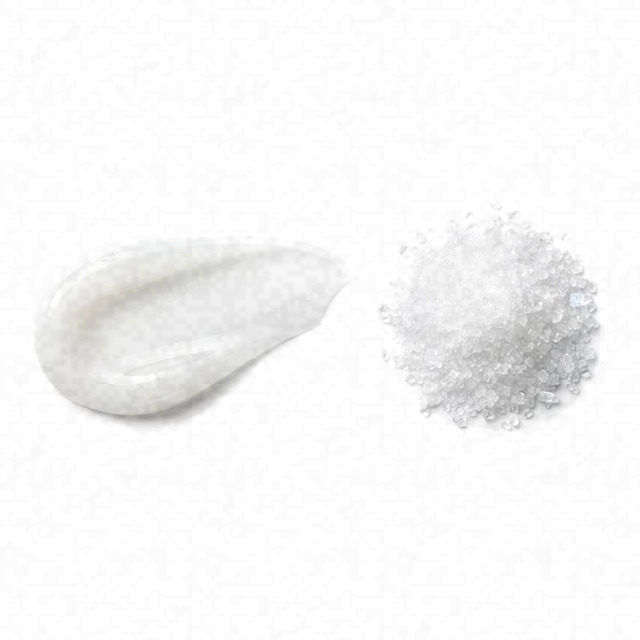 Thiamidol
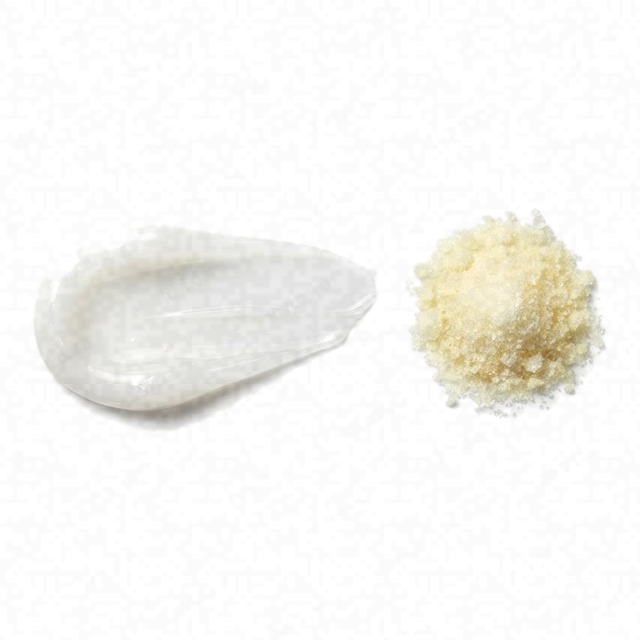 Butyl Methoxydibenzoylmethane
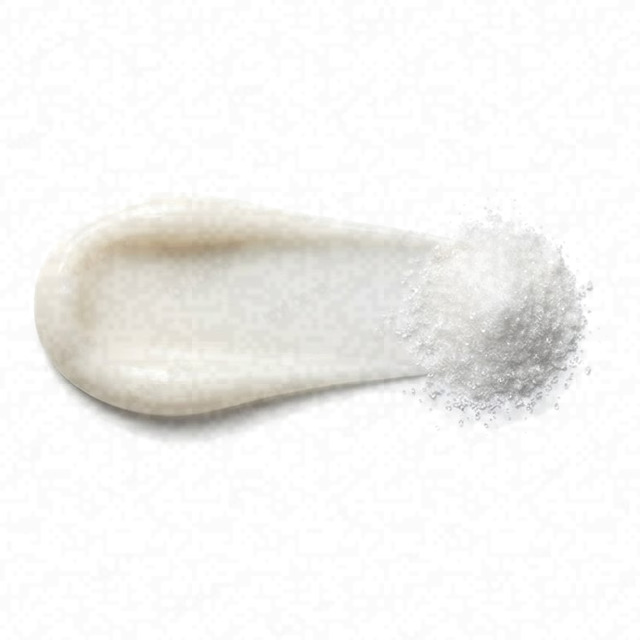 Ethylhexyl Triazone
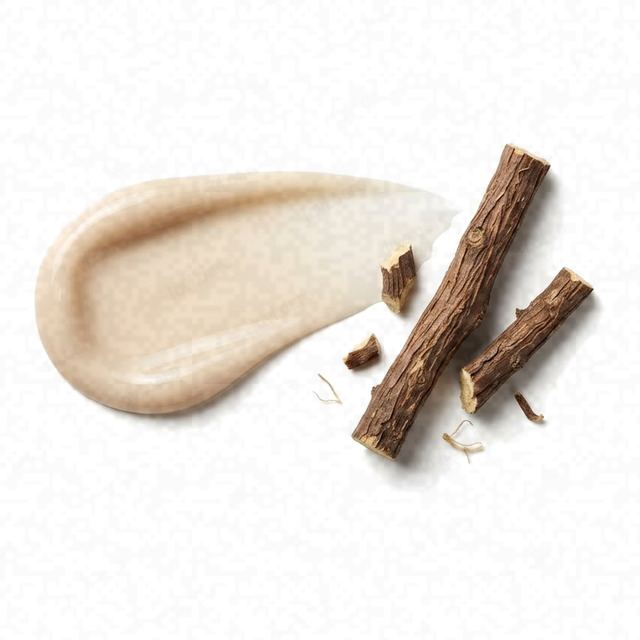 Glycyrrhiza Inflata Root Extract
 Tocopheryl Acetate
High
- HighCombination Skin Fit
- HighEffectiveness
- HighSafety
A great choice for acne-prone skin; a few sunscreens fit it even better.
This fit is calculated for the concerns frequently associated with acne-prone skin: breakouts, blackheads, and post-acne marks. For scores and recommendations based on your full skin profile, including your 12D face scan results and any goals or preferences you have, please use the Lovi app.
Page built Nov 8, 2026How the Fit score works
Lovi Assistant explains
- This product offers high suitability for your combination skin, as Isobutylamido Thiazolyl Resorcinol and Glycyrrhiza Inflata Root Extract help regulate melanogenesis and provide anti-inflammatory action, respectively, addressing your concerns with acne and blemishes.
- The formula also provides excellent UV protection due to butyl methoxydibenzoylmethane and ethylhexyl triazone, which are beneficial for preventing post-inflammatory hyperpigmentation.
- The safety profile is excellent, with no risks of irritation for your combination skin due to the absence of prohibited or harsh ingredients.
How to apply
- Apply this sunscreen every morning as the final step of your skincare routine. Reapply every two hours if you are outdoors for best protection against breakouts.
- Apply the sunscreen after your moisturizer and before applying any makeup. Let it absorb completely ⏱ before going outside.
- Take a nickel-sized amount and gently pat it evenly across your face and neck. Avoid rubbing aggressively to keep your combination skin calm.
- Apply the sunscreen on clean, dry skin to ensure an even protective layer. This helps manage excess shine without clogging your pores.
- Avoid the immediate eye area and do a quick patch test before first use. Stop using it if you notice any irritation and consult a specialist.
People Say
★4.6Overall rating based on 400+ reviewsUsers report this sunscreen effectively fades dark spots and prevents new hyperpigmentation, with a lightweight, non-greasy texture that absorbs quickly and doesn't leave a white cast. It is also noted as a good makeup base, even for oily or sensitive skin, and provides high protection. Some users experience eye irritation or find the scent strong, while a low number of reviews mention a greasy finish, pilling, or skin irritation.
Highlights
Lightweight Texture Mostly Mentioned
- “absorbs quickly”
- “non-greasy”
- “melts into skin”
- “light fluid”
No White Cast Often Mentioned
- “no white cast”
- “blended in well”
- “invisible finish”
- “no white streaks”
Reduces Pigmentation Often Mentioned
- “helped with hyperpigmentation”
- “dark spots fading”
- “evens skin tone”
- “prevented new spots”
High Protection Sometimes Noted
- “great protection”
- “reliable sun protection”
- “prevented sunburn”
- “good for pale skin”
Makeup Base Sometimes Noted
- “sits nicely under makeup”
- “ideal base”
- “layers well”
- “no pilling under foundation”
Eye irritation Sometimes Noted
- “stings in my eyes”
- “watery eyes”
- “migrates into eyes”
- “burns eyes”
Strong scent Sometimes Noted
- “strong smell”
- “smells like man's deodorant”
- “added parfum”
- “scent is overwhelming”
Greasy finish Rarely Noted
- “super oily sheen”
- “greasy residue”
- “shiny face”
- “makes me sweat”
Pilling/Peeling Rarely Noted
- “slight clumpiness”
- “pilling”
- “rolling around”
- “flakes off”
Skin irritation Rarely Noted
- “made my skin irritated”
- “break out in spots”
- “caused reaction”
- “redness”
Sources: lovi.care, boots.com, cocooncenter.co.uk, gopicky.com, hometesterclub.com, escentual.com, and more
Questions and answers
What makes Eucerin Sun Face Pigment Control SPF50+ a great fit for acne-prone skin?
This product is a great fit because it offers strong sun protection to prevent dark spots from acne while using ingredients like Thiamidol and licorice root extract to calm your skin and fade marks. Its safe formula is unlikely to cause irritation on acne-prone skin.
International Journal of Cosmetic Science, 2021BioMed Research International, 2020
Which ingredients make this cream a good fit for acne-prone skin?
This cream is a great fit for acne-prone skin because it contains Thiamidol and Glycyrrhiza Inflata Root Extract, which help calm inflammation and address blemishes. It also includes strong sun protection ingredients that help prevent dark spots from lingering after acne heals.
International Journal of Cosmetic Science, 2021BioMed Research International, 2020
What does Thiamidol do for acne-prone skin?
Thiamidol does not treat acne directly, but rather helps with dark spots left behind after breakouts fade. To care for acne-prone skin while tackling dark spots, a product of this type needs blemish-fighting ingredients like retinoids or azelaic acid.
What does Avobenzone do for acne-prone skin?
Avobenzone helps protect acne-prone skin from harmful ultraviolet rays that can worsen dark spots left by breakouts. However, sunscreens with this ingredient may feel heavy on oily skin, so acne-prone skin needs lightweight, oil-free formulas that block UV rays without clogging pores.
Where does this cream go in a skincare routine for acne-prone skin?
This cream goes on last in your morning skincare routine after your moisturizer, as it provides high sun protection that helps prevent dark spots after acne. It is very gentle and is unlikely to cause irritation for acne-prone skin.
Journal of Drugs in Dermatology, 2023International Journal of Cosmetic Science, 2021
Can I use this cream with retinol, and in what order?
You can use this sunscreen in the morning as the final step before makeup, placed after your moisturizer and after any retinol or treatment you apply the night before. It provides very good sun protection and helps calm your skin, which is especially helpful when using strong nighttime treatments like retinol.
International Journal of Cosmetic Science, 2021BioMed Research International, 2020
How often should I use this cream?
You can use this sunscreen every morning as the final step of your daytime routine. It is very gentle and unlikely to cause irritation on acne-prone skin.
International Journal of Cosmetic Science, 2021Journal of the American Academy of Dermatology, 1987
Can this cream clog pores, cause breakouts or purging for acne-prone skin?
This sunscreen is a great fit for acne-prone skin because it contains ingredients that calm inflammation and help fade dark spots while protecting against UV rays. It is very unlikely to cause irritation or breakouts because the formula avoids harsh ingredients.
International Journal of Cosmetic Science, 2021BioMed Research International, 2020
Is this cream fragrance-free and alcohol-free?
It contains fragrance (parfum) and drying alcohol (alcohol denat).
What the research says
Treatment with the tyrosinase inhibitor Thiamidol significantly lightened suction blister-induced post-inflammatory hyperpigmentation and improved acne-related post-inflammatory hyperpigmentation compared to vehicle control over 3 months.
International Journal of Cosmetic Science, 2021A moisturizer containing licochalcone A, 1,2-decanediol, L-carnitine, and salicylic acid significantly reduced noninflammatory, inflammatory, and total acne lesion counts compared to a vehicle control in Thai patients during a 12-week maintenance phase.
BioMed Research International, 2020Parsol 1789 and Eusolex 8020 provided slightly better photoprotection than oxybenzone in both normal and sensitized human skin when assessed using pigmentation end points, whereas all three sunscreens performed similarly against UVA-induced erythema.
Journal of the American Academy of Dermatology, 1987Dermatological products containing d-alpha tocopheryl acetate showed non-comedogenic potential with less than a 50% increase in microcomedones in 12 healthy male subjects compared to octyl palmitate.
Contemporary Clinical Trials Communications, 2021Four-times daily Thiamidol application improves facial hyperpigmentation significantly more than two-times daily application in subjects with mild-to-moderate facial hyperpigmentation, and a real-world three-product Thiamidol regimen shows significant improvement of hyperpigmentation and skin parameters.
International Journal of Cosmetic Science, 2020Application of isobutylamido thiazolyl resorcinol twice daily prior to Q-switched Nd:YAG laser treatment significantly reduced the incidence of post-inflammatory hyperpigmentation at 4 weeks compared to no application in subjects with solar lentigines.
Journal of Cosmetic Dermatology, 2024Isobutylamido thiazolyl resorcinol prevented UVB-induced hyperpigmentation, resulting in significantly lower lightness index and earlier recovery of normal skin color compared to control in healthy participants without significant side effects.
Journal of Cosmetic Dermatology, 2021Encapsulation of ethylhexyl methoxycinnamate and butyl methoxydibenzoylmethane in lipid microparticles significantly reduced their in vivo human skin penetration compared to nonencapsulated filters.
Skin Pharmacology and Physiology, 2011Microencapsulation of the BMDBM/HP-beta-CD complex in lipid microparticles significantly decreased the percutaneous penetration of the UV filter into the stratum corneum of human volunteers compared to the non-encapsulated sunscreen agent.
Journal of Pharmaceutical and Biomedical Analysis, 2011Following human skin application of an O/W emulsion containing 2% BMDBM loaded in lipospheres, 15% of the sunscreen accumulated in the uppermost layers of the stratum corneum without remarkably modifying skin permeation compared to unencapsulated sunscreen.
Skin Pharmacology and Physiology, 2008Microencapsulation of ethylhexyl triazone in lipid microparticles significantly reduced its in vivo human stratum corneum penetration by 45.7% compared to the nonencapsulated sunscreen.
Skin Pharmacology and Physiology, 2019A topical sunscreen containing octyl triazone, phenylbenzimidazole sulfonic acid, and methylbenzylidene camphor prevented UVB-induced suppression of intercellular adhesion molecule-1 expression and mixed-lymphocyte reaction in epidermal cell cultures compared to control sunscreens with comparable SPF lacking octyl triazone.
Toxicology in Vitro, 1994Combining 755 nm alexandrite laser with topical licorice gel significantly reduces terminal hair counts compared to alexandrite laser with placebo in women with idiopathic hirsutism.
Evidence-based Complementary and Alternative Medicine, 2015Licochalcone A activated Nrf2 signaling, elevated cytoprotective enzymes, increased the reduced-to-oxidized glutathione ratio, and decreased reactive oxygen species in human fibroblasts and neutrophils, while a LicA-rich licorice extract lowered UVA-induced oxidative processes in vivo.
Experimental Dermatology, 2015Bioactive glycyrrhizic acid and oxymatrine ionic liquid self-assembled nanomicelles significantly promoted the transdermal permeation, subcutaneous retention, and anti-photoaging efficacy of palmitoyl pentapeptide-4 in cellular and animal models compared to unformulated peptide.
Advanced Science, 2025Topical application of an antioxidant serum containing 15% ascorbic acid, 0.5% ferulic acid, and 1% tocopherol prevented particulate matter-induced degradation of extracellular matrix components, inflammation, and oxidative stress in the skin of 15 female volunteers compared to untreated controls.
Journal of Cosmetic Dermatology, 2025Topical application of an antioxidant mix containing 15% ascorbic acid, 0.5% ferulic acid, and 1% tocopherol prevented PM and UV-induced skin barrier perturbation, lipid peroxidation, inflammatory markers, MMP9 activation, and Type I collagen loss in 15 healthy females compared to untreated exposed skin.
Journal of Cosmetic Dermatology, 2024A topical antioxidant serum significantly reduced air pollution-induced skin pigmentation and proinflammatory gene expression ex vivo, and improved skin aging signs in 40 healthy adult females after 90 days of daily use.
Journal of Cosmetic Dermatology, 2022
Ingredients
Water, C12-15 Alkyl Benzoate, Alcohol Denat, Butyl Methoxydibenzoylmethane, Ethylhexyl Triazone, Butylene Glycol Dicaprylatedicaprate, Bis-Ethylhexyloxyphenol Methoxyphenyl Triazine, Dibutyl Adipate, Glyceryl Stearate Citrate, Silica, Phenylbenzimidazole Sulfonic Acid, Diethylamino Hydroxybenzoyl Hexyl Benzoate, Tapioca Starch, Silica Dimethyl Silylate, Cetearyl Alcohol, Behenyl Alcohol, Isobutylamido Thiazolyl Resorcinol, Glycyrrhiza Inflata Root Extract, Glycyrrhetinic Acid, Tocopheryl Acetate, Glycerin, Carnauba Cera, Xanthan Gum, Chondrus Crispus, Hydroxypropyl Methylcellulose, Sodium Hydroxide, Trisodium Edta, Hydroxyacetophenone, Phenoxyethanol, Ethylhexylglycerin, Parfum
Behind this fit score
Lovi calculates every fit score from the full ingredient list with brand-independent rules our dermatologists and cosmetic chemists build and review, and personalizes every pick with AI trained on the real results of millions of users. Lovi trains its fit score models on a proprietary dataset built from more than 10,000 expert-labeled products and more than 100,000 simulated examples, following an internally consistent methodology presented at Cosmoprof, AMWC, and Skin of Color Update.
-

Co-founder, Medical Director
Cosmetic chemist, cosmetologist, aesthetic products developer
-

Co-founder, CEO and CTO
PhD in computer science, 3x US patent holder, ex-Google, ex-Yandex
-

Dr. Sofía Perea Pérez, MD, MSc
Medical Board
Aesthetic medicine practitioner, MSc in Longevity and Anti-Aging Medicine
-

Medical Board
Specialist dermatologist, MBBS, MD, IFAAD
-

Medical Board
Cosmetic chemist, SCS, IFSCC member
-

Medical Board, Medical Advisor
Dermatology MD
-

Elina Nazarenko, MD
Medical Board
Dermatology and diagnostic consultant
-

Victoria Derkova, MS
Medical Board
Cosmetic chemist, cosmetic development technologist


How does it fit your skin?
Scan your face, then any product: Lovi shows how well it fits you and what fits even better.