Dr. Jart+ Every Sunday Sun Stick for acne-prone skin
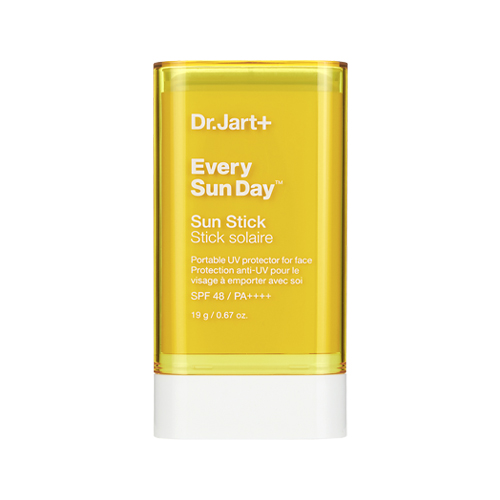
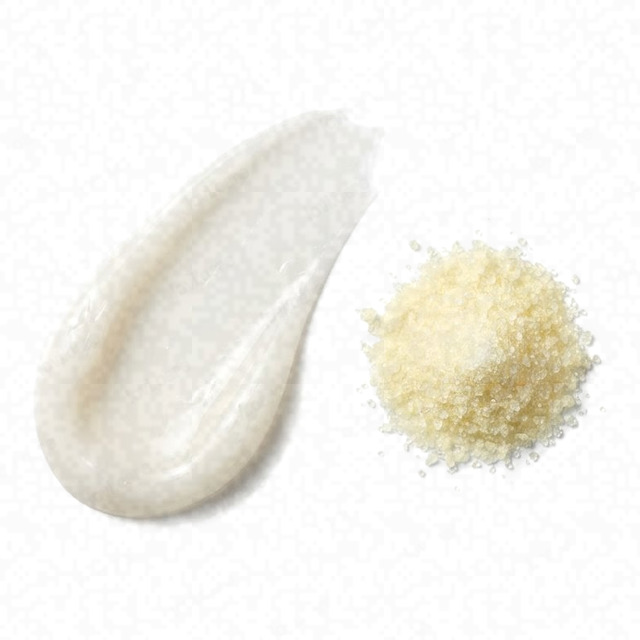 Bis-Ethylhexyloxyphenol Methoxyphenyl Triazine
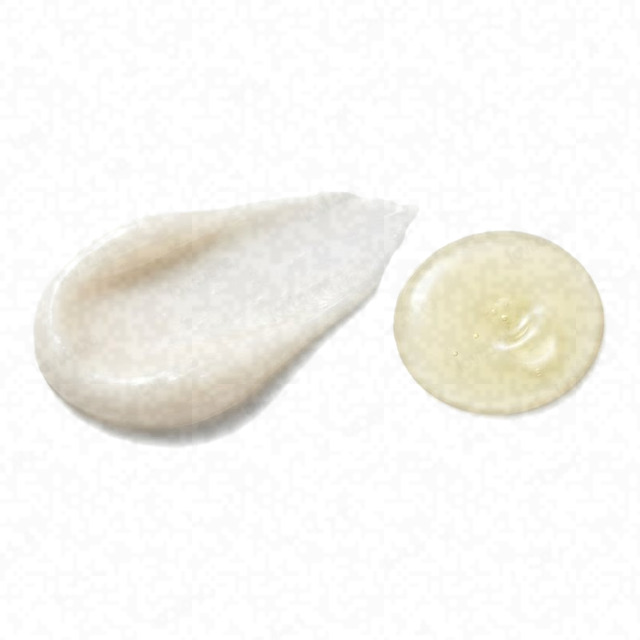 Octocrylene
 Tocopherol Vitamin E
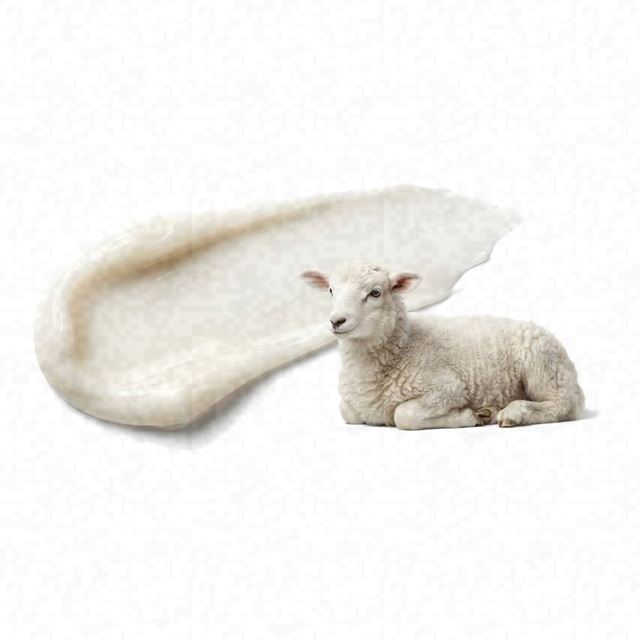 Lanolin Oil
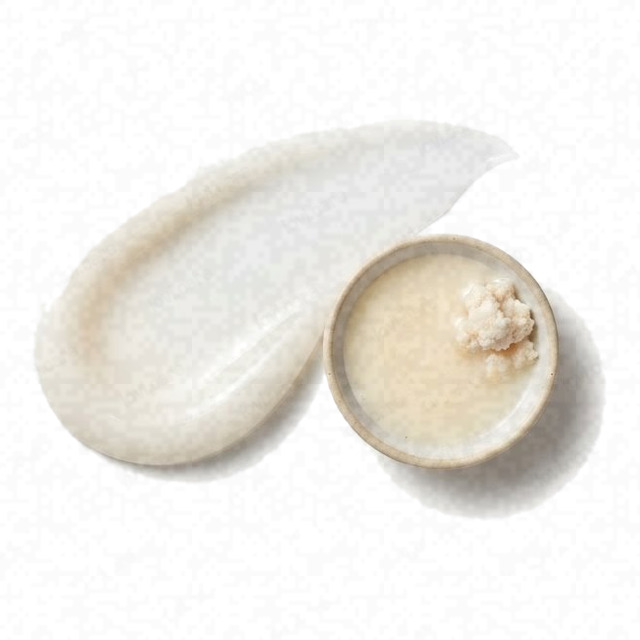 Bifida Ferment Filtrate
Average
- HighCombination Skin Fit
- AverageEffectiveness
- HighSafety
Works for acne-prone skin; other sunscreens fit it better.
This fit is calculated for the concerns frequently associated with acne-prone skin: breakouts, blackheads, and post-acne marks. For scores and recommendations based on your full skin profile, including your 12D face scan results and any goals or preferences you have, please use the Lovi app.
Page built Nov 8, 2026How the Fit score works
Lovi Assistant explains
- This product offers moderate benefits for your combination skin, with Salvia Officinalis Leaf Water and Alpha-Bisabolol providing anti-inflammatory and soothing effects that are suitable for your skin type. However, the formulation does not specifically target your primary concerns of acne, blemishes, and breakouts.
- While Bifida Ferment Filtrate and Tocopherol Vitamin E offer general hydration and skin health support, they do not provide specialized treatment for active acne.
- The product is safe for your combination skin, as it lacks harsh ingredients that could cause irritation.
How to apply
- Apply this sunscreen every morning as the final step of your skincare routine. Reapply every two hours if you are outdoors for best protection against breakouts.
- Apply the sunscreen after your moisturizer and before applying any makeup. Let it absorb completely ⏱ before going outside.
- Take a nickel-sized amount and gently pat it evenly across your face and neck. Avoid rubbing aggressively to keep your combination skin calm.
- Apply the sunscreen on clean, dry skin to ensure an even protective layer. This helps manage excess shine without clogging your pores.
- Avoid the immediate eye area and do a quick patch test before first use. Stop using it if you notice any irritation and consult a specialist.
People Say
★4.4Overall rating based on 100+ reviewsBased on limited data, users with oily and combination skin frequently praise this sun stick for its lightweight, primer-like finish that controls sebum and blurs pores without leaving a white cast. Some users with sensitive eyes or those expecting a completely dry touch found it slightly slippery or greasy upon initial application, and many noted the small product volume relative to the price.
Highlights
Portable & convenient Mostly Mentioned
- “fits in any pocket”
- “perfect for travel”
- “keeps hands clean”
- “easy touch-ups”
Matte/primer finish Often Mentioned
- “blurs pores”
- “velvety finish”
- “makeup glides on”
- “non-sticky primer texture”
No white cast Often Mentioned
- “completely transparent”
- “zero white cast”
- “invisible finish”
- “clear coating”
Small quantity Often Mentioned
- “finished in 2 weeks”
- “expensive for the size”
- “wears down quickly”
- “tiny amount”
Good for reapplication Sometimes Noted
- “doesn't clump over makeup”
- “glides over foundation”
- “great for midday top-ups”
Greasy feel Sometimes Noted
- “felt like a slip and slide”
- “greasy finish”
- “never dried down”
- “too oily for me”
Eye irritation Rarely Noted
- “stings my eyes”
- “migrates into eyes”
- “slight tingling sensation”
Packaging issues Rarely Noted
- “hard to twist back down”
- “stick fell out”
- “mechanism broke”
Sources: lovi.care, spacenk.com, yesstyle.com, femaledaily.com, hwahae.co.kr, lemon8-app.com, and more
Questions and answers
How well does Dr. Jart+ Every Sunday Sun Stick work for acne-prone skin?
Dr. Jart+ Every Sunday Sun Stick works moderately well for acne-prone skin, providing basic hydration and soothing effects through ingredients like Tocopherol Vitamin E and Alpha-Bisabolol, but it does not specifically treat active breakouts or blemishes. To truly fit acne-prone skin well, a sunscreen of this type needs ingredients that actively clear breakouts and control oil without clogging pores, such as Niacinamide, Zinc Oxide, and Centella Asiatica.
Journal of Cosmetic Dermatology, 2020Journal of Cosmetic Dermatology, 2023
Which ingredients make this sun stick a good fit for acne-prone skin?
Salvia Officinalis Leaf Water and Alpha-Bisabolol help calm acne-prone skin with soothing and anti-inflammatory effects. This sun stick needs ingredients like Niacinamide and Zinc Oxide to actively treat blemishes and breakouts while protecting your skin.
What does Bis-Ethylhexyloxyphenol Methoxyphenyl Triazine do for acne-prone skin?
Bis-Ethylhexyloxyphenol Methoxyphenyl Triazine is a reliable UV filter that protects acne-prone skin from sun damage without clogging pores or feeling heavy. It helps shield the skin while remaining gentle, making it a safe choice for daily use when you want to prevent dark spots from old blemishes without causing new breakouts.
What does Octocrylene do for acne-prone skin?
Octocrylene is a sunscreen ingredient that protects acne-prone skin from UV rays without disturbing the balance of bacteria living on the face. It is unlikely to trigger breakouts, but a sunscreen for this skin type still needs a lightweight, non-greasy texture and ingredients that do not clog pores.
Where does this sun stick go in a skincare routine for acne-prone skin?
This sun stick goes last in your morning skincare routine after your moisturizer, while acne-prone skin needs a sunscreen with specialized ingredients to target breakouts.
Can I use this sun stick with retinol, and in what order?
You can use this sun stick in the morning after your moisturizer as the final step in your routine before sun exposure. This product works safely for acne-prone skin without harsh irritants, though acne-prone skin needs products with targeted blemish-fighting ingredients and oil-controlling properties.
How often should I use this sun stick?
You can use this sun stick every morning as the final step of your daytime routine. Acne-prone skin needs a sunscreen with a lightweight, oil-free formula and ingredients that help clear blemishes without clogging pores.
Can this sun stick clog pores, cause breakouts or purging for acne-prone skin?
This sun stick works for acne-prone skin, though other sunscreens fit it better because this formula lacks targeted ingredients for breakouts and may feel greasy. An acne-prone skin type needs lightweight, non-greasy sunscreens with breakout-fighting ingredients like salicylic acid or niacinamide to keep pores clear.
Is this sun stick fragrance-free and alcohol-free?
Yes, it has no fragrance and no drying alcohol.
What the research says
Topical application of Bifida Ferment Lysate strengthens the skin barrier function by upregulating barrier and antimicrobial peptide genes, exhibiting strong antioxidant properties, and decreasing inflammatory cytokine secretion in vitro.
Journal of Cosmetic Dermatology, 2023A topical serum containing vitamin C, vitamin E, and raspberry leaf cell culture extract improved skin color, elasticity, radiance, smoothness, scaliness, and wrinkles compared to the untreated contralateral side in fifty female volunteers.
Journal of Cosmetic Dermatology, 2020Maximal topical applications of 6% bemotrizinol in a model sunscreen formulation did not result in meaningful systemic exposure in humans.
Regulatory Toxicology and Pharmacology, 2023Incorporating rosmarinic acid into sunscreens enhanced the in vivo SPF of octocrylene by over 157% and reduced lipid peroxidation in the human stratum corneum.
Antioxidants, 2025The application of a sunscreen formulation containing ethylhexyl methoxycinnamate, ethylhexyl salicylate, methyl anthranilate, and octocrylene does not significantly affect critical acne-related species such as Cutibacterium acnes and Staphylococcus epidermidis, refuting the induction of facial dysbiosis in men.
Archives of Dermatological Research, 2024Early application of sunscreen after ablative fractional skin resurfacing significantly increased the sensitization rate of the UV-filter, octocrylene, and the sunscreen compared to intact skin.
The Journal of Dermatological Treatment, 2015Topical application of an antioxidant serum containing 15% ascorbic acid, 0.5% ferulic acid, and 1% tocopherol prevented particulate matter-induced degradation of extracellular matrix components, inflammation, and oxidative stress in the skin of 15 female volunteers compared to untreated controls.
Journal of Cosmetic Dermatology, 2025Dermatological products containing d-alpha tocopheryl acetate showed non-comedogenic potential with less than a 50% increase in microcomedones in 12 healthy male subjects compared to octyl palmitate.
Contemporary Clinical Trials Communications, 2021Topical application of an antioxidant mix containing 15% ascorbic acid, 0.5% ferulic acid, and 1% tocopherol prevented PM and UV-induced skin barrier perturbation, lipid peroxidation, inflammatory markers, MMP9 activation, and Type I collagen loss in 15 healthy females compared to untreated exposed skin.
Journal of Cosmetic Dermatology, 2024Daily bathing with an emulsified lanolin and mineral oil bath additive significantly reduced dry skin severity on the lower legs of patients compared to usual bath soap over 17 days.
Cutis, 1981Sunscreen formulations containing ethoxylated lanolin as an additional film former resulted in lower and constant physical-mechanical parameters and a higher and better reproducible SPF compared to the formulation without it.
International Journal of Pharmaceutics, 2021Nanoemulsion-based lanolin derivatives increased skin hydration and oiliness without changing cutaneous pH values and proved non-toxic by causing no skin irritation.
Molecules, 2016
Why other sunscreens fit acne-prone skin better
Retinyl palmitate ethosomal hydrogel reduced non-inflammatory and total acne lesion counts significantly better than marketed tretinoin while improving tolerability with minimal skin irritation in patients with acne vulgaris.
International Journal of Nanomedicine, 2021Biomimetic hyaluronic acid-stabilized zinc oxide nanoparticles selectively inhibited C. acnes, outperformed erythromycin in preclinical acne models, and safely reduced acne lesions and redness in a clinical trial.
Journal of Controlled Release, 2025Topical 0.5% hyaluronic-ZnO nanogel applied twice daily reduced inflammatory-lesion counts by 58% at week four in human subjects compared to baseline without causing erythema.
Biomedicines, 2025
Ingredients
2-Hexanediol, Dehydroacetic Acid, Lanolin Oil, Methyl Methacrylate Crosspolymer, Juniperus Mexicana Oil, Butylene Glycol Dicaprylate Dicaprate, Vinyl Dimethicone Methicone Silsesquioxane Crosspolymer, Salvia Officinalis Leaf Water, Ozokerite, Bifida Ferment Filtrate, Isopropyl Palmitate, Rose Oil Flower, Water, Butylene Glycol, Polyglyceryl-3 Polydimethylsiloxyethyl Dimethicone, Polyethylene, Humulus Lupulus Flower Extract, Tocopherol Vitamin E, Dimethicone, Octocrylene, Tocopheryl Acetate Vitamin E, Silica, Bis-Ethylhexyloxyphenol Methoxyphenyl Triazine, Hedera Helix Leaf Extract, Zea Mays Leaf Extract, Alpha-Bisabolol
Behind this fit score
Lovi calculates every fit score from the full ingredient list with brand-independent rules our dermatologists and cosmetic chemists build and review, and personalizes every pick with AI trained on the real results of millions of users. Lovi trains its fit score models on a proprietary dataset built from more than 10,000 expert-labeled products and more than 100,000 simulated examples, following an internally consistent methodology presented at Cosmoprof, AMWC, and Skin of Color Update.
-

Co-founder, Medical Director
Cosmetic chemist, cosmetologist, aesthetic products developer
-

Co-founder, CEO and CTO
PhD in computer science, 3x US patent holder, ex-Google, ex-Yandex
-

Dr. Sofía Perea Pérez, MD, MSc
Medical Board
Aesthetic medicine practitioner, MSc in Longevity and Anti-Aging Medicine
-

Medical Board
Specialist dermatologist, MBBS, MD, IFAAD
-

Medical Board
Cosmetic chemist, SCS, IFSCC member
-

Medical Board, Medical Advisor
Dermatology MD
-

Elina Nazarenko, MD
Medical Board
Dermatology and diagnostic consultant
-

Victoria Derkova, MS
Medical Board
Cosmetic chemist, cosmetic development technologist


How does it fit your skin?
Scan your face, then any product: Lovi shows how well it fits you and what fits even better.