Dior Solar The Protective Creme SPF 50 for oily skin

 Diethylamino Hydroxybenzoyl Hexyl Benzoate
 Ethylhexyl Salicylate
 Bis-Ethylhexyl Oxyphenol Methoxphenyl Triazine
 Glycerin
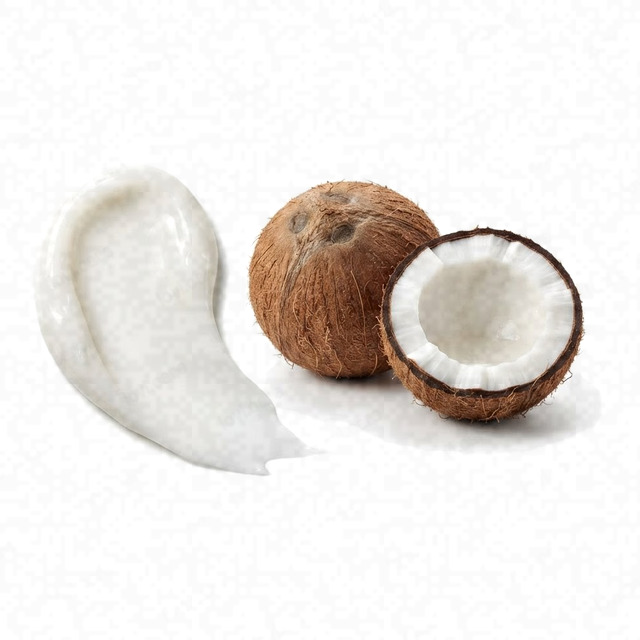 Coconut Oil
Average
- AverageOily Skin Fit
- AverageEffectiveness
- HighSafety
Works for oily skin; other sunscreens fit it better.
This fit is calculated for the concerns frequently associated with oily skin: shine, enlarged pores, blackheads, and blemishes. For scores and recommendations based on your full skin profile, including your 12D face scan results and any goals or preferences you have, please use the Lovi app.
Page built Nov 8, 2026How the Fit score works
Lovi Assistant explains
- Offers moderate suitability for oily skin, as glycerin provides hydration and Tocopheryl Acetate offers soothing benefits, which are generally supportive but not specifically targeted to control oily shine.
- The inclusion of diethylamino hydroxybenzoyl hexyl benzoate and bis-ethylhexyloxyphenol methoxyphenyl triazine ensures excellent UV protection, a key functional benefit for your skin.
- The product is safe for your oily skin, with no risks of irritation due to the absence of prohibited or harsh ingredients.
How to apply
- Use this moisturizing sunscreen daily in your AM routine. Reapply every two hours when exposed to direct sun.
- Apply this moisturizing sunscreen as the final step of your morning routine after your moisturizer.
- Smooth an even layer of the moisturizing sunscreen over your face and neck, avoiding harsh rubbing.
- Apply the moisturizing sunscreen onto clean, dry skin for the best protection and even coverage.
- Avoid the immediate eye area and discontinue use if any irritation occurs.
Questions and answers
How well does Dior Solar The Protective Creme SPF 50 work for oily skin?
This cream works moderately well for oily skin, as it provides reliable sun protection and soothing hydration without irritating the skin, though it does not help control oily shine. Oily skin needs a product that hydrates effectively while maintaining a non-greasy feel, managing excess oil, and keeping pores clear with a lightweight, safe formulation.
Archives of Dermatological Research, 2024Clinical, Cosmetic and Investigational Dermatology, 2017
Which ingredients make this cream a good fit for oily skin?
Glycerin and Tocopheryl Acetate make this cream a moderate fit for oily skin because they help provide hydration and soothing benefits. Oily skin needs a product that provides hydration without adding extra shine, while keeping the skin feeling non-greasy.
What does Diethylamino Hydroxybenzoyl Hexyl Benzoate do for oily skin?
Diethylamino Hydroxybenzoyl Hexyl Benzoate helps protect oily skin from UV rays as a chemical sunscreen filter. It has a good safety profile and is unlikely to cause irritation when used in sunscreens.
What does Octisalate do for oily skin?
Octisalate helps protect oily skin from UV rays without clogging pores or causing irritation. This chemical sunscreen ingredient is unlikely to disrupt the balance of normal facial bacteria, making it gentle for daily wear.
Journal of Drugs in Dermatology, 2025Archives of Dermatological Research, 2024
Where does this cream go in a skincare routine for oily skin?
This cream goes in the morning routine as the final step before sun exposure, right after your moisturizer. It is safe for oily skin and provides high UV protection, but because it contains coconut oil and lacks oil-controlling ingredients, oily skin types generally benefit more from lightweight, oil-free sunscreens with mattifying minerals or niacinamide.
Can I use this cream with retinol, and in what order?
You can use this cream with retinol, applying retinol first and following with this sunscreen in your morning routine. Oily skin works best with lightweight, oil-balancing formulas that help control shine while keeping the skin hydrated.
How often should I use this cream?
You can use this moisturizing spf daily in your morning routine, applying it as the last step before sun exposure. It provides reliable UV protection and hydration for your oily skin, though this skin type generally benefits from lightweight, oil-free sunscreens that help control excess shine.
Health Science Reports, 2021Clinical, Cosmetic and Investigational Dermatology, 2017
Can this cream clog pores, cause breakouts or purging for oily skin?
This cream is unlikely to cause irritation or breakouts on oily skin, as it contains no harsh ingredients and sunscreen filters do not disrupt skin bacteria. However, because it lacks specific ingredients to control excess oil and shine, oily skin typically needs lightweight, oil-free formulas with mattifying or pore-clearing ingredients like salicylic acid or niacinamide.
Is this cream fragrance-free and alcohol-free?
It has no drying alcohol and contains fragrance (parfum). Cetyl alcohol is a fatty alcohol, which soften the skin.
What the research says
A single application of a moisturizing fluid containing hyaluronic acid 1%, glycerin 5%, and Centella asiatica stem cells extract significantly increased skin hydration by 29% and reduced transepidermal water loss at 24 hours compared to baseline and an untreated control site in twenty healthy women.
Clinical, Cosmetic and Investigational Dermatology, 2017The application of a sunscreen formulation containing ethylhexyl methoxycinnamate, ethylhexyl salicylate, methyl anthranilate, and octocrylene does not significantly affect critical acne-related species such as Cutibacterium acnes and Staphylococcus epidermidis, refuting the induction of facial dysbiosis in men.
Archives of Dermatological Research, 2024Dermatological products containing d-alpha tocopheryl acetate showed non-comedogenic potential with less than a 50% increase in microcomedones in 12 healthy male subjects compared to octyl palmitate.
Contemporary Clinical Trials Communications, 2021Oral and dermal administration of Uvinul A plus resulted in three major urinary metabolites accounting for 52% of the oral dose, with a very low estimated daily systemic exposure of 8.1-9.3 μg/d in volunteers not intentionally exposed.
International Journal of Hygiene and Environmental Health, 2020Simulated real-life dermal sunscreen exposure in twenty human volunteers leads to the systemic bioavailability and urinary excretion of the UV filter 2-ethylhexyl salicylate and its metabolite, reaching concentration peaks at 7 to 8 hours with 70-80% of overall excretion within 24 hours.
Archives of Toxicology, 2019Controlled single dermal exposure to an EHS-containing sunscreen in three volunteers resulted in delayed systemic resorption with elimination half-lives between 6.6 and 9.7 hours, where the parent compound EHS occurred as the dominant urinary parameter.
Archives of Toxicology, 2024Chemical sunscreens containing avobenzone, octocrylene, homosalate, and octisalate showed no to minimal risks of dermal irritation, sensitization, photo-allergy, and photo-irritation in human subjects.
Journal of Drugs in Dermatology, 2025Maximal topical applications of 6% bemotrizinol in a model sunscreen formulation did not result in meaningful systemic exposure in humans.
Regulatory Toxicology and Pharmacology, 2023The emollient V0034CR significantly reduced TEWL compared to vehicle and vehicle plus glycerol, and significantly increased corneometry scores compared to vehicle and vehicle plus petrolatum in healthy volunteers with dry skin, demonstrating combined barrier function improvement from petrolatum and hydration improvement from glycerol.
Journal of Cosmetic Dermatology, 2020Ten days of treatment with a cream containing 20% glycerin significantly increased skin hydration measured by corneometer values in 17 healthy volunteers compared to a placebo cream, but showed no influence on transepidermal water loss or skin sensitivity to an irritating surfactant.
International Journal of Cosmetic Science, 2001Niacinamide/glycerin body moisturizers provided better rapid and prolonged improvement of cosmetic xerosis through functional improvement of stratum corneum barrier function compared to no treatment and conventional moisturizers in female subjects.
Journal of Drugs in Dermatology, 2012Overnight virgin coconut oil application provides a skin protective effect against damage and increased TEWL from frequent alcohol-based hand sanitizer usage in 60 volunteers, resulting in a 25% increase in perceived moisture content compared to the control group.
Journal of Cosmetic Dermatology, 2021
Ingredients
Water, Butylene Glycol Dicaprylate Dicaprate, Glycerin, Diethylamino Hydroxybenzoyl Hexyl Benzoate, Ethylhexyl Salicylate, Ethylhexyl Triazone, Butylene Glycol, Diisopropyl Sebacate, Propanediol, Bis-Ethylhexyloxyphenol Methoxyphenyl Triazine, Phenylbenzimidazole Sulfonic Acid, Cetyl Alcohol, Potassium Cetyl Phosphate, Hydroxyethyl Acrylate Sodium Acryloyldimethyl Taurate Copolymer, Ci 77891 Titanium Dioxide, Tromethamine, Pentylene Glycol, Tocopheryl Acetate, Fagraea Berteroana Flower Extract, Inositol, Plectranthus Barbatus Root Extract, Gardenia Tahitensis Flower Extract, Coconut Oil, Caprylyl Glycol, Silica, Parfum, Hydroxyacetophenone, Chlorphenesin, Xanthan Gum, Sorbitan Isostearate, Stearic Acid, Tocopherol, Ci 14700 Red 4, Aluminum Hydroxide, Polysorbate 60, Alumina
Behind this fit score
Lovi calculates every fit score from the full ingredient list with brand-independent rules our dermatologists and cosmetic chemists build and review, and personalizes every pick with AI trained on the real results of millions of users. Lovi trains its fit score models on a proprietary dataset built from more than 10,000 expert-labeled products and more than 100,000 simulated examples, following an internally consistent methodology presented at Cosmoprof, AMWC, and Skin of Color Update.
-

Co-founder, Medical Director
Cosmetic chemist, cosmetologist, aesthetic products developer
-

Co-founder, CEO and CTO
PhD in computer science, 3x US patent holder, ex-Google, ex-Yandex
-

Dr. Sofía Perea Pérez, MD, MSc
Medical Board
Aesthetic medicine practitioner, MSc in Longevity and Anti-Aging Medicine
-

Medical Board
Specialist dermatologist, MBBS, MD, IFAAD
-

Medical Board
Cosmetic chemist, SCS, IFSCC member
-

Medical Board, Medical Advisor
Dermatology MD
-

Elina Nazarenko, MD
Medical Board
Dermatology and diagnostic consultant
-

Victoria Derkova, MS
Medical Board
Cosmetic chemist, cosmetic development technologist


How does it fit your skin?
Scan your face, then any product: Lovi shows how well it fits you and what fits even better.