Dermalogica Skin Resurfacing Cleanser for oily acne-prone skin

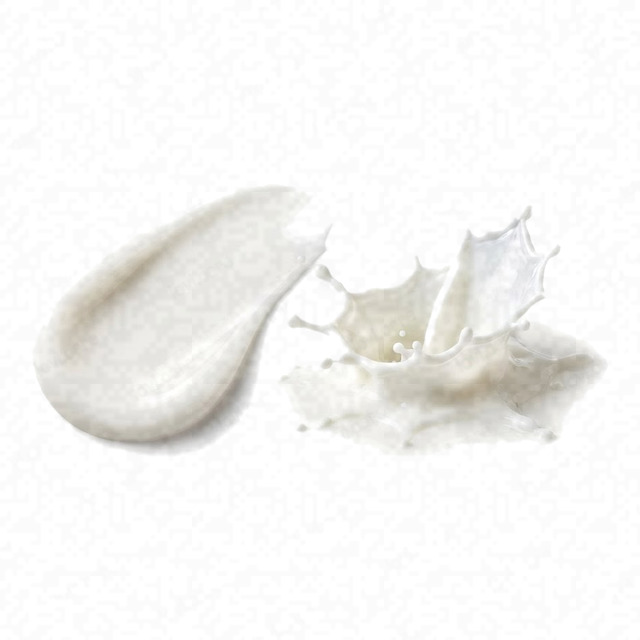 Lactic Acid
 Tocopheryl Acetate
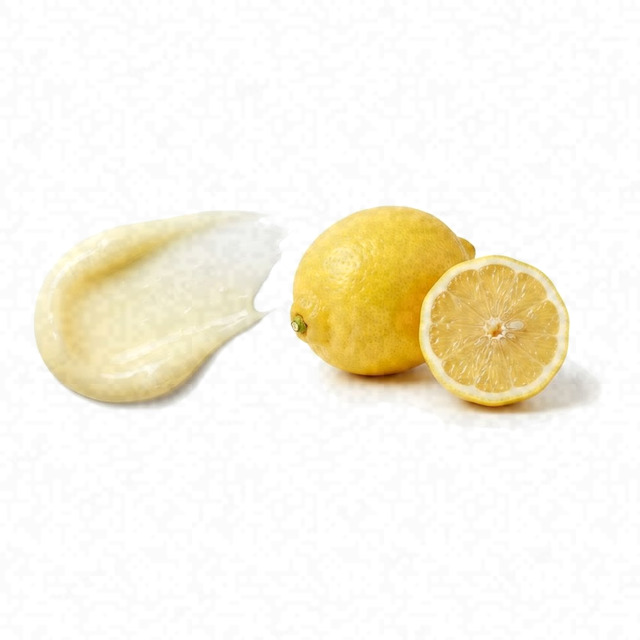 Lemon Peel Extract
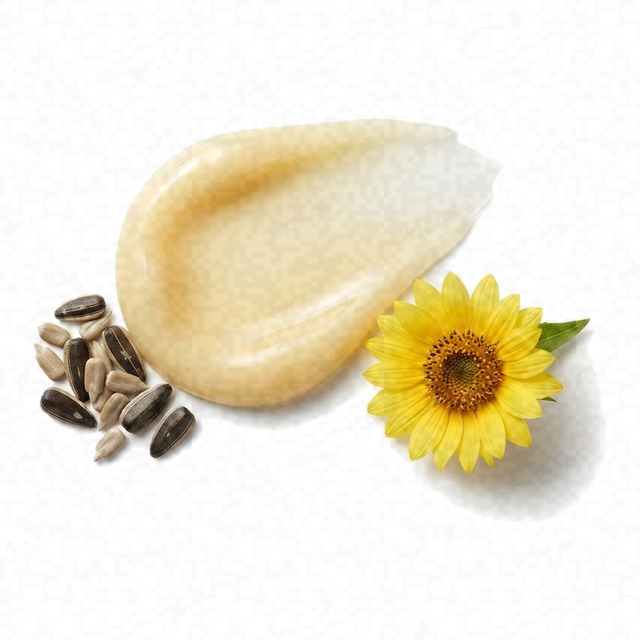 Helianthus Annuus Seed Oil Sunflower Seed Oil
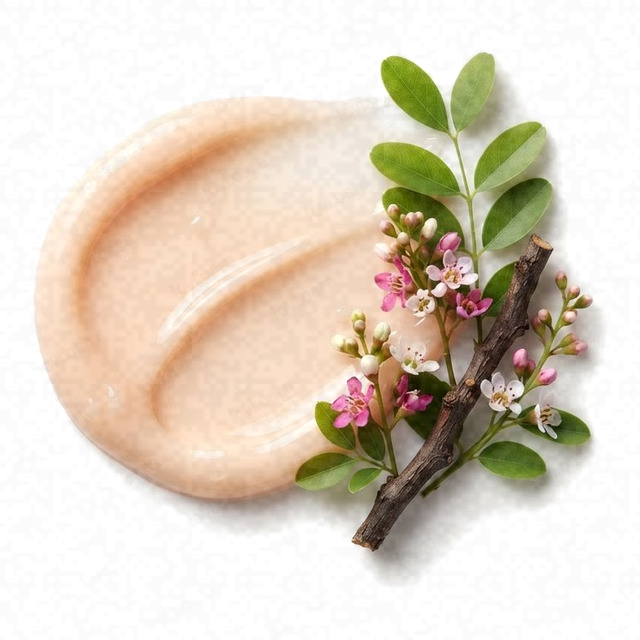 Rosewood Oil Wood
Average
- AverageOily Skin Fit
- HighEffectiveness
- HighSafety
Works for oily acne-prone skin; other products fit it better.
This fit is calculated for the concerns frequently associated with oily acne-prone skin: shine, breakouts, blemishes, and enlarged pores. For scores and recommendations based on your full skin profile, including your 12D face scan results and any goals or preferences you have, please use the Lovi app.
Page built Nov 8, 2026How the Fit score works
Lovi Assistant explains
- Offers moderate exfoliation for your oily skin and acne, blemishes, and breakouts due to the presence of lactic acid, which provides resurfacing benefits and helps manage oiliness.
- While lactic acid offers keratolytic action suitable for oily skin, the formula lacks sufficient seboregulating ingredients for optimal results.
- The product is safe for your oily skin with no risks of irritation due to the absence of prohibited or harsh ingredients.
How to apply
- Use this exfoliant as part of your PM routine once a week to start, increasing frequency only if your skin tolerates it well.
- Apply the exfoliant after cleansing and toning, but before your final moisturizer step.
- Gently press 2-3 drops of the exfoliant into your skin and let it absorb for a minute.
- Apply the product directly onto clean, dry skin for the best results against breakouts.
- Avoid the sensitive eye area and always use a daily SPF since exfoliating makes skin more sensitive to the sun.
People Say
★4.7Overall rating based on 2.6k+ reviewsBased on a very large amount of data, this cleanser is frequently lauded for its ability to provide immediate, visible smoothness and a deep, thorough clean, making it a favorite for addressing uneven texture, fine lines, and dullness. While highly effective for normal, combination, and oily skin types, users with sensitive skin or those prone to dryness should exercise caution due to its potent lactic acid content and fragrance profile.
Highlights
Improves texture Mostly Mentioned
- “Skin feels so smooth”
- “noticeable difference in texture”
- “leaves skin polished”
Deep clean Often Mentioned
- “Removes all makeup”
- “face feels ultra-clean”
- “clears out pores”
Gentle exfoliation Sometimes Noted
- “Effective but not drying”
- “gentle enough for daily use”
- “great exfoliation”
Visible anti-aging Sometimes Noted
- “Minimizes fine lines”
- “skin looks firmer”
- “helps with dullness”
Eye irritation Sometimes Noted
- “Stings the eyes”
- “harsh on eye area”
- “avoid eye contact”
Strong fragrance Sometimes Noted
- “Smells way too much”
- “too heavily fragranced”
- “scent is overpowering”
Can be drying Rarely Noted
- “Left skin feeling tight”
- “too stripping for me”
- “caused some redness”
Premium price Rarely Noted
- “Expensive for a cleanser”
- “wish it was cheaper”
- “premium price point”
Sources: lovi.care, dermalogica.com, ulta.com, dermapproved.com, lovelyskin.com, spacenk.com, and more
Questions and answers
How well does Dermalogica Skin Resurfacing Cleanser work for oily acne-prone skin?
Dermalogica Skin Resurfacing Cleanser is an average fit for your oily acne-prone skin because lactic acid helps manage oiliness and gently clears dead skin cells. However, the formula lacks enough oil-controlling ingredients for the best results against breakouts. Oily acne-prone skin needs targeted blemish-fighting ingredients like benzoyl peroxide or niacinamide to truly keep excess oil and breakouts under control.
Which ingredients make this cleanser a good fit for oily acne-prone skin?
Lactic acid makes this cleanser a good fit for oily acne-prone skin because it provides gentle resurfacing and helps manage oiliness. However, an exfoliant treatment for this skin type also needs ingredients like benzoyl peroxide or niacinamide to more effectively target breakouts and control oil production.
What does Lactic Acid do for oily acne-prone skin?
Lactic acid helps oily acne-prone skin by gently clearing pores and reducing breakouts, which supports a smoother and clearer face. Using appropriate cosmetic acids helps calm red bumps and works well alongside acne treatments.
Der Hautarzt; Zeitschrift Fur Dermatologie, Venerologie, und Verwandte Gebiete, 2010Clinical, Cosmetic and Investigational Dermatology, 2023
What does Vitamin E do for oily acne-prone skin?
Vitamin E is unlikely to clog pores on oily skin and may help calm dryness and redness when you use treatments. Because this skin type needs lightweight hydration and ingredients that protect the barrier without feeling heavy, this product type works best when it balances moisture while keeping pores clear.
Contemporary Clinical Trials Communications, 2021Giornale Italiano Di Dermatologia E Venereologia, 2014
Where does this cleanser go in a skincare routine for oily acne-prone skin?
This cleanser goes as the main cleansing step in both your morning and evening routines. While it works for your oily skin, a product of this type needs additional oil-controlling ingredients to give you the best results.
Can I use this cleanser with retinol, and in what order?
You can use this cleanser in your routine alongside retinol, but apply it at a different time of day or on alternate days to keep your oily skin from becoming irritated. Because this cleanser exfoliates your skin, using it at the same time as retinol may increase your chance of redness and dryness.
How often should I use this cleanser?
Start by using this cleanser once a week, and if your skin feels comfortable and you see good results, you can carefully use it more often. Oily acne-prone skin needs products of this type to also include strong oil-controlling ingredients to manage oiliness and breakouts effectively.
Can this cleanser clog pores, cause breakouts or purging for oily acne-prone skin?
This cleanser is unlikely to clog your pores or cause breakouts because it is safe for oily skin and has no harsh ingredients. However, because it lacks enough oil-controlling ingredients for optimal results, this skin type needs products with stronger oil-balancing and pore-clearing benefits to truly stay clear.
Is this cleanser fragrance-free and alcohol-free?
It has no drying alcohol and contains fragrance (citronellol, eugenol, geraniol, limonene, and linalool).
What the research says
Application of a cream containing lactic acid 12% and pramoxine HCl 1% significantly improved skin dryness, hydration, and itch compared with a nontreated control in 24 women with a history of dry itchy skin.
Cutis, 2004Topical 12% ammonium lactate produced a significant sparing of epidermal and dermal atrophy induced by clobetasol propionate in human volunteers, without influencing the corticosteroid's bioavailability or antiinflammatory properties.
Journal of the American Academy of Dermatology, 1992A lactic acid/ceramide lotion significantly improved skin moisturization and desquamation compared to no treatment in women with dry, rough skin on the anterior shins.
The Journal of Clinical and Aesthetic Dermatology, 2020Topical application of an antioxidant serum containing 15% ascorbic acid, 0.5% ferulic acid, and 1% tocopherol prevented particulate matter-induced degradation of extracellular matrix components, inflammation, and oxidative stress in the skin of 15 female volunteers compared to untreated controls.
Journal of Cosmetic Dermatology, 2025Dermatological products containing d-alpha tocopheryl acetate showed non-comedogenic potential with less than a 50% increase in microcomedones in 12 healthy male subjects compared to octyl palmitate.
Contemporary Clinical Trials Communications, 2021Topical application of an antioxidant mix containing 15% ascorbic acid, 0.5% ferulic acid, and 1% tocopherol prevented PM and UV-induced skin barrier perturbation, lipid peroxidation, inflammatory markers, MMP9 activation, and Type I collagen loss in 15 healthy females compared to untreated exposed skin.
Journal of Cosmetic Dermatology, 2024Linalool treatment at 30 μM prevented UVB-induced oxidative stress, oxidative DNA damage, and the activation of MAPK and NF-κB signaling pathways in human dermal fibroblast cells compared to UVB exposure alone.
PloS One, 2017Cinnamomi cortex extract and its components epicatechin and linalool enhanced circadian amplitude, reduced oxidative stress, and upregulated skin barrier-related and ceramide synthesis genes in HaCaT keratinocytes compared to untreated controls.
Scientific Reports, 2025
Why other products fit oily acne-prone skin better
Topical benzoyl peroxide 5% gel treatment improved acne severity, sebum, stratum corneum hydration, and transepidermal water loss, while significantly reducing microbial diversity and the prevalence of Cutibacterium in 33 patients with acne vulgaris.
Dermatologic Therapy, 2022Co-delivery of paeonol and madecassoside via nanoemulsions improved transdermal delivery, promoted barrier repair proteins, inhibited inflammatory cytokine secretion in cellular and 3D models, and reduced transepidermal water loss and acne in human facial skin compared to free components.
Molecules, 2023
Ingredients
Water, Sodium Laureth Sulfate, Lactic Acid, Ppg-2 Hydroxyethyl Cocamide, Cocamidopropyl Betaine, Polyacrylate-1 Crosspolymer, Glycol Distearate, Caprylic Capric Triglyceride, Tocopheryl Acetate, Sodium Hydroxide, Disodium Edta, Phenoxyethanol, Caprylyl Glycol, Ethylhexyl Glycerin, Hexylene Glycol, Titanium Dioxide Ci 77891, Citronellol, Eugenol, Geraniol, Limonene, Linalool, Lemon Peel Extract, Helianthus Annuus Seed Oil Sunflower Seed Oil, Rosa Damascena Oil Flower, Clove Oil Flower, Rosewood Oil Wood, Lemon Peel Oil, Pelargonium Graveolens Oil
Behind this fit score
Lovi calculates every fit score from the full ingredient list with brand-independent rules our dermatologists and cosmetic chemists build and review, and personalizes every pick with AI trained on the real results of millions of users. Lovi trains its fit score models on a proprietary dataset built from more than 10,000 expert-labeled products and more than 100,000 simulated examples, following an internally consistent methodology presented at Cosmoprof, AMWC, and Skin of Color Update.
-

Co-founder, Medical Director
Cosmetic chemist, cosmetologist, aesthetic products developer
-

Co-founder, CEO and CTO
PhD in computer science, 3x US patent holder, ex-Google, ex-Yandex
-

Dr. Sofía Perea Pérez, MD, MSc
Medical Board
Aesthetic medicine practitioner, MSc in Longevity and Anti-Aging Medicine
-

Medical Board
Specialist dermatologist, MBBS, MD, IFAAD
-

Medical Board
Cosmetic chemist, SCS, IFSCC member
-

Medical Board, Medical Advisor
Dermatology MD
-

Elina Nazarenko, MD
Medical Board
Dermatology and diagnostic consultant
-

Victoria Derkova, MS
Medical Board
Cosmetic chemist, cosmetic development technologist


How does it fit your skin?
Scan your face, then any product: Lovi shows how well it fits you and what fits even better.