Dermalogica PowerBright Dark Spot Peel for acne-prone skin

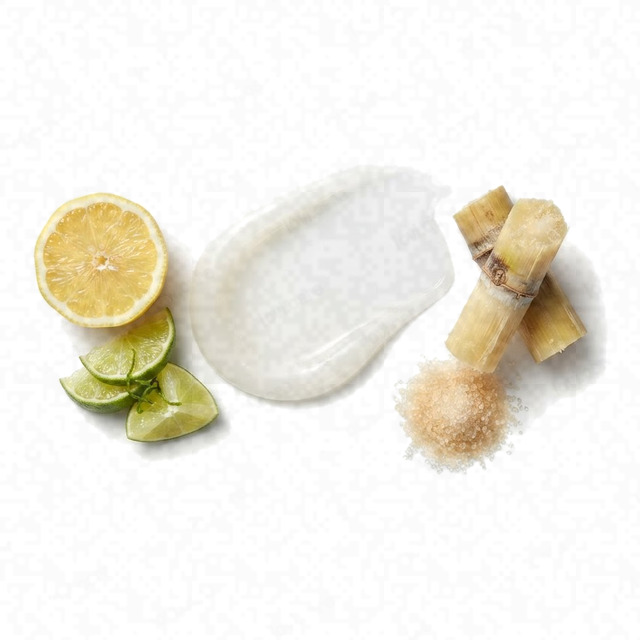 Aha
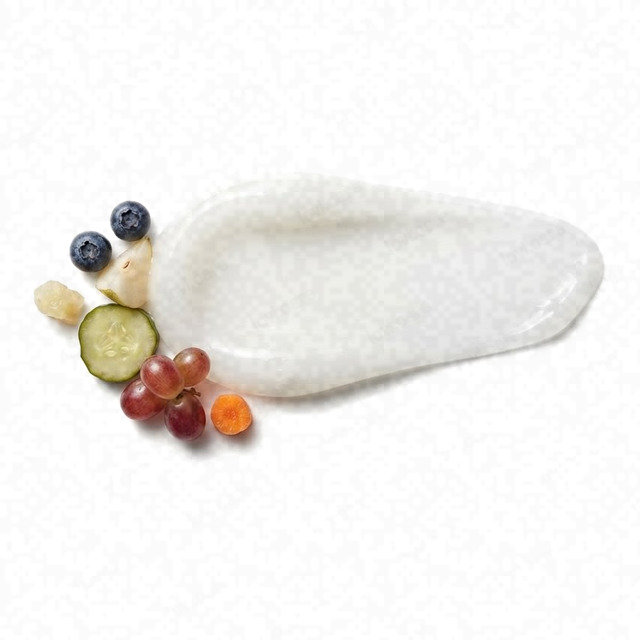 Pha
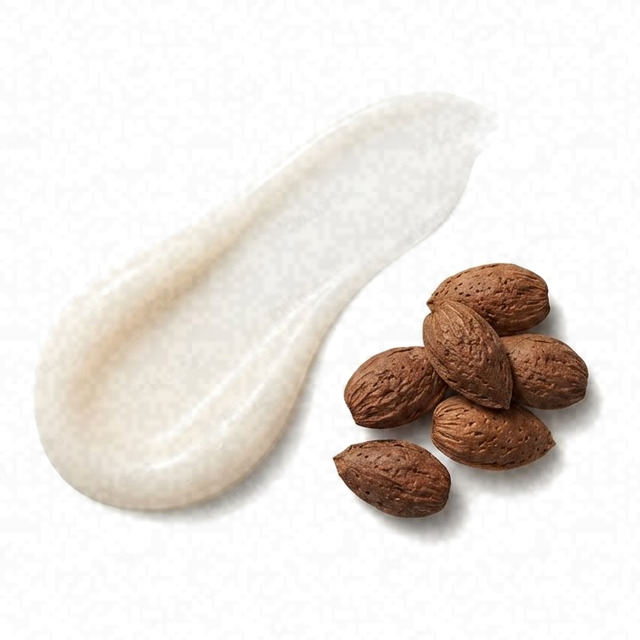 Mandelic Acid
 Niacinamide
 Glycolic Acid
Average
- HighCombination Skin Fit
- AverageEffectiveness
- ExcellentSafety
Works for acne-prone skin; other products fit it better.
This fit is calculated for the concerns frequently associated with acne-prone skin: breakouts, blackheads, and post-acne marks. For scores and recommendations based on your full skin profile, including your 12D face scan results and any goals or preferences you have, please use the Lovi app.
Page built Nov 8, 2026How the Fit score works
Lovi Assistant explains
- Offers moderate exfoliation for your combination skin due to glycolic and mandelic acids, which help with skin renewal and brightening, but these ingredients are not the primary focus for your acne and blemishes.
- Niacinamide and Bisabolol provide beneficial seboregulation and soothing effects, respectively, supporting your combination skin type.
- The product is safe for your acne-prone skin, as it lacks harsh ingredients and includes soothing components like Shea Butter.
How to apply
- Use this exfoliant PM once a week to start, and gradually increase if your combination skin tolerates it well. Always apply SPF the next morning to protect your clear skin.
- Apply the exfoliant after cleansing and toning, but right before your moisturizer step. This ensures the treatment targets blemishes effectively.
- Gently press 2-3 drops of the exfoliant into your skin without rubbing. Let it absorb for a minute before moving to the next step.
- Apply the exfoliant on clean, dry skin to help control breakouts safely. Since your skin is not sensitive, this dry application method ensures good product absorption.
- Avoid the sensitive eye area and do a patch test before your first use. Do not mix this exfoliant with other strong acids in the same routine.
People Say
★4.8Overall rating based on 200+ reviewsUsers report this peel is highly effective at rapidly smoothing skin texture and fading hyperpigmentation, including post-acne marks and sun spots, with many seeing visible results quickly. The formula is generally found to be gentle, though a small number of users with sensitive skin or stubborn discoloration experienced mild redness or slower progress.
Highlights
Fades dark spots Often Mentioned
- “fades surface dark spots”
- “lift surface hyperpigmentation”
- “post-acne marks softened”
- “melasma looks lighter”
Smoothes skin texture Often Mentioned
- “skin feeling smoother”
- “cleaner pores”
- “enhances smoother texture”
- “softness to my skin”
Brightens complexion Sometimes Noted
- “skin looks brighter”
- “more even tone”
- “glowy skin”
- “refreshed look”
Fast visible results Sometimes Noted
- “improvement after one use”
- “works like magic”
- “brighter in 5 uses”
- “immediate glow”
Gentle formula Sometimes Noted
- “no stinging or burning”
- “didn't notice irritation”
- “face isn't red”
- “gentle for a peel”
High price point Sometimes Noted
- “seems a bit steep”
- “expensive”
- “pricey investment”
Tingling sensation Sometimes Noted
- “slight tingle”
- “mild stinging initially”
- “felt it working”
- “tingles upon application”
Ineffective on old spots Rarely Noted
- “no headway on older spots”
- “stubborn spots linger”
- “not much difference yet”
- “takes time for old scars”
Mild redness/Sensitivity Rarely Noted
- “cheeks were a little red”
- “peeling around lips”
- “broke me out”
- “redness after washing off”
Requires consistency Rarely Noted
- “patience is key”
- “must use consistently”
- “results take time”
- “need to stick with it”
Sources: lovi.care, ulta.com, sephora.my, lovelyskin.com, dermalogica.com, and more
Questions and answers
How well does Dermalogica PowerBright Dark Spot Peel work for acne-prone skin?
This exfoliant treatment works for your acne-prone skin, though other products fit it better because its acids focus more on skin renewal and brightening than on blemishes. An exfoliant treatment for this skin needs ingredients like niacinamide, propolis, or zinc PCA that control oil and soothe without irritation while keeping the skin balanced and hydrated.
Which ingredients make this exfoliant a good fit for acne-prone skin?
Niacinamide and mandelic acid make this exfoliant a reasonable fit for acne-prone skin by helping with oil control and skin renewal. However, an exfoliant of this type needs targeted ingredients like niacinamide and zinc PCA or propolis to best manage acne and breakouts without causing irritation.
What does Alpha Hydroxy Acid do for acne-prone skin?
Alpha hydroxy acid helps clear acne-prone skin by gently removing dead surface cells and fighting bacteria to reduce breakouts and inflammation. It is unlikely to cause irritation when used regularly, leaving your skin looking much clearer and smoother.
What does PHA do for acne-prone skin?
PHAs help acne-prone skin by gently smoothing the surface and lifting away dead cells without causing irritation, making them a great choice for sensitive skin types. They also provide light anti-aging and brightening benefits while remaining very well tolerated.
Where does this exfoliant go in a skincare routine for acne-prone skin?
This exfoliant goes in your evening routine, starting at once a week so your skin can adjust. To better fit acne-prone skin, a product of this type needs targeted blemish-fighting ingredients and oil-balancing agents.
Can I use this exfoliant with retinol, and in what order?
It is best to use this exfoliant on nights when you do not apply retinol, as combining both active treatments in the same routine may cause dryness and irritation on acne-prone skin. To care for this skin type properly, products focusing directly on clearing blemishes and soothing inflammation are typically needed.
How often should I use this exfoliant?
You can start using this exfoliant once a week in the evening, and if your skin feels smooth and tolerates it well, you may carefully use it more often. This product works for your acne-prone skin, though this skin type benefits most from a product that focuses directly on clearing blemishes with ingredients like salicylic acid.
Can this exfoliant clog pores, cause breakouts or purging for acne-prone skin?
This exfoliant is unlikely to clog pores or cause breakouts for your acne-prone skin, as it is free of heavy oils and includes soothing ingredients. However, it may cause mild tingling or redness, and to better target acne and blemishes, this skin type often needs products focused on pore-clearing acids like salicylic acid.
Is this exfoliant fragrance-free and alcohol-free?
It has no drying alcohol and contains fragrance (limonene). Behenyl alcohol, arachidyl alcohol, lauryl alcohol, myristyl alcohol, and cetyl alcohol are fatty alcohols, which soften the skin.
What the research says
Topical application of 1-1.5% glycolic acid suppresses UVB-induced inflammation by modulating NF-κB signaling pathways in human keratinocytes and mouse dorsal skin.
Journal of Dermatological Science, 2017Treatment with 45% mandelic acid peel showed nearly equal overall efficacy as 30% salicylic acid peel in patients with mild-to-moderate facial acne vulgaris, but with fewer adverse effects.
Journal of Cosmetic Dermatology, 2020Chemical peels using 35% glycolic acid, 20% salicylic-10% mandelic acid, and phytic acid reduce acne scores by 70.55%, 74.14%, and 69.7% respectively, and significantly decline the postacne hyperpigmentation index in Asian patients with mild to moderate acne.
Journal of Cutaneous and Aesthetic Surgery, 2019Commonly used chemical peels showed no significant differences in effectiveness for acne vulgaris in most comparisons, though combined salicylic and mandelic acid peeling was superior to glycolic acid and glycolic acid was superior to placebo, based on twelve randomized controlled trials.
BMJ Open, 2018Topical post-laser application of human adipocyte-derived mesenchymal stem cell media combined with niacinamide significantly improved wrinkle index, melanin index, patient satisfaction, and investigator esthetic improvement scores compared to vehicle cream in patients with aging skin.
Journal of Cosmetic Dermatology, 2021Topical nicotinamide prevented solar-simulated UV-induced immunosuppression in healthy volunteers, and men experienced immunosuppression at solar-simulated UV doses three times lower than those required for women.
The Journal of Investigative Dermatology, 2008Topical 5% niacinamide applied twice daily for 12 weeks reduced fine lines and wrinkles, hyperpigmented spots, red blotchiness, and skin sallowness, and improved skin elasticity compared to vehicle control in 50 female white subjects with facial photoaging.
Dermatologic Surgery, 2005Repeated short-contact 70% glycolic acid peels provided superior results in atrophic acne scars compared to daily low-strength glycolic acid cream or placebo in 58 women over 24 weeks.
International Journal of Dermatology, 2000Serial glycolic acid peels combined with a modified Kligman formula significantly reduced facial PIH severity in Indian patients compared to the modified Kligman formula alone.
Dermatologic Surgery, 2017
Why other products fit acne-prone skin better
Topical nicotinamide plus an antibacterial adhesive agent and zinc-pyrrolidone carboxylic acid combined with adapalene significantly reduced noninflammatory acne lesions by the second week of therapy compared to placebo with adapalene in patients with moderate acne vulgaris.
The Journal of Clinical and Aesthetic Dermatology, 2020A cream combining propolis, tea tree oil, and Aloe vera reduced erythema scars, acne severity index, and total lesion count better than erythromycin cream in sixty patients with mild to moderate acne vulgaris compared to placebo.
Clinical Pharmacology, 2018Niacinamide and ferulic acid incorporated in a stable multiple emulsion successfully reduced melanin, sebum, and skin erythema while improving skin elasticity and hydration in human skin compared to a placebo.
BioMed Research International, 2022
Ingredients
Water, Glycerin, Butylene Glycol, Lactobacillus Pumpkin Fruit Ferment Filtrate, Glycolic Acid, Polysorbate 20, Niacinamide, C12-18 Alkanoyl Glycerin Sebacic Acid Copolymer, Gluconolactone, Phytic Acid, Mandelic Acid, Butyrospermum Parkii Butter Shea Butter, Palm Butter, Sodium Hydroxide, Tetrahydroxypropyl Ethylenediamine, Hectorite, Behenyl Alcohol, Arachidyl Alcohol, Tranexamic Acid, Dipotassium Glycyrrhizate, Jojoba Seed Oil, Citrus Aurantium Dulcis Peel Oil, Bergamot Oil Fruit, Lemon Peel Oil, Grapefruit Peel Oil, Ricinus Communis Seed Oil Castor Seed Oil, Zingiber Officinale Oil Root, Lavandula Angustifolia Oil Lavender Oil, Jasminum Sambac Flower Extract Jasmine Flower Extract, Vanilla Planifolia Fruit, Viola Odorata Leaf Extract, Coconut Oil, Leuconostoc Radish Root Ferment Filtrate, Peat Extract, Juniperus Virginiana Oil, Curcuma Longa Root Extract, Prunus Amygdalus Dulcis Oil, Isochrysis Galbana Extract, Nannochloropsis Gaditana Extract, Ilex Paraguariensis Leaf Extract, Cucumis Sativus Seed Oil, Mimosa Tenuiflora Bark Extract, Tocopherol, Squalene, Phosphatidylcholine, Caprylyl Glycol, Lecithin, Glyceryl Stearate, Lauryl Alcohol, Ethoxydiglycol, Arachidyl Glucoside, Palmitic Acid, Myristyl Alcohol, Bisabolol, Polyquaternium-80, Didecyldimonium Chloride, Beta-Sitosterol, Dipteryx Odorata Seed Extract, Xanthan Gum, Methylpropanediol, Cetyl Alcohol, Titanium Dioxide, Tetrasodium Glutamate Diacetate, Citric Acid, Stearic Acid, Hydroxyethylcellulose, Cistus Ladaniferus Resin, Styrax Benzoin Extract Resin, Sodium Benzoate, Potassium Sorbate, Limonene
Behind this fit score
Lovi calculates every fit score from the full ingredient list with brand-independent rules our dermatologists and cosmetic chemists build and review, and personalizes every pick with AI trained on the real results of millions of users. Lovi trains its fit score models on a proprietary dataset built from more than 10,000 expert-labeled products and more than 100,000 simulated examples, following an internally consistent methodology presented at Cosmoprof, AMWC, and Skin of Color Update.
-

Co-founder, Medical Director
Cosmetic chemist, cosmetologist, aesthetic products developer
-

Co-founder, CEO and CTO
PhD in computer science, 3x US patent holder, ex-Google, ex-Yandex
-

Dr. Sofía Perea Pérez, MD, MSc
Medical Board
Aesthetic medicine practitioner, MSc in Longevity and Anti-Aging Medicine
-

Medical Board
Specialist dermatologist, MBBS, MD, IFAAD
-

Medical Board
Cosmetic chemist, SCS, IFSCC member
-

Medical Board, Medical Advisor
Dermatology MD
-

Elina Nazarenko, MD
Medical Board
Dermatology and diagnostic consultant
-

Victoria Derkova, MS
Medical Board
Cosmetic chemist, cosmetic development technologist


How does it fit your skin?
Scan your face, then any product: Lovi shows how well it fits you and what fits even better.